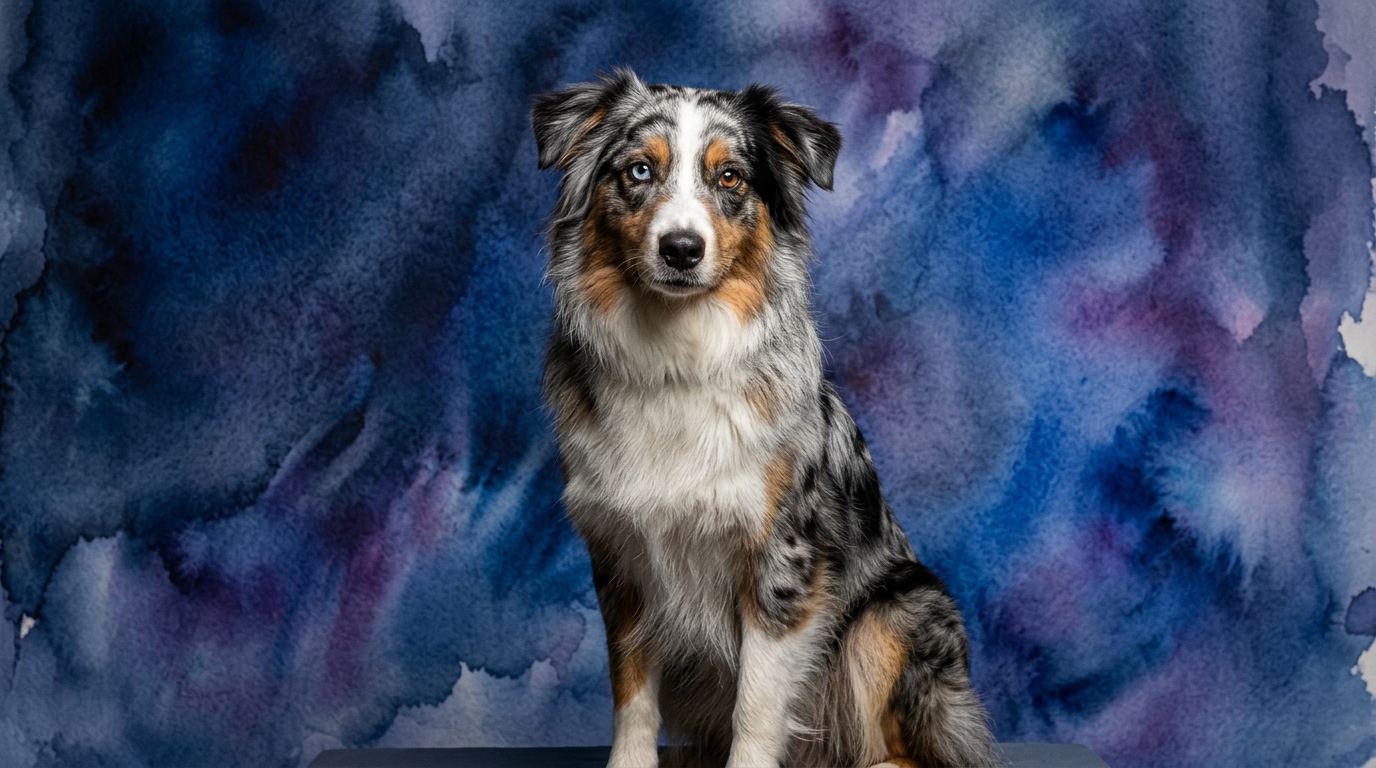
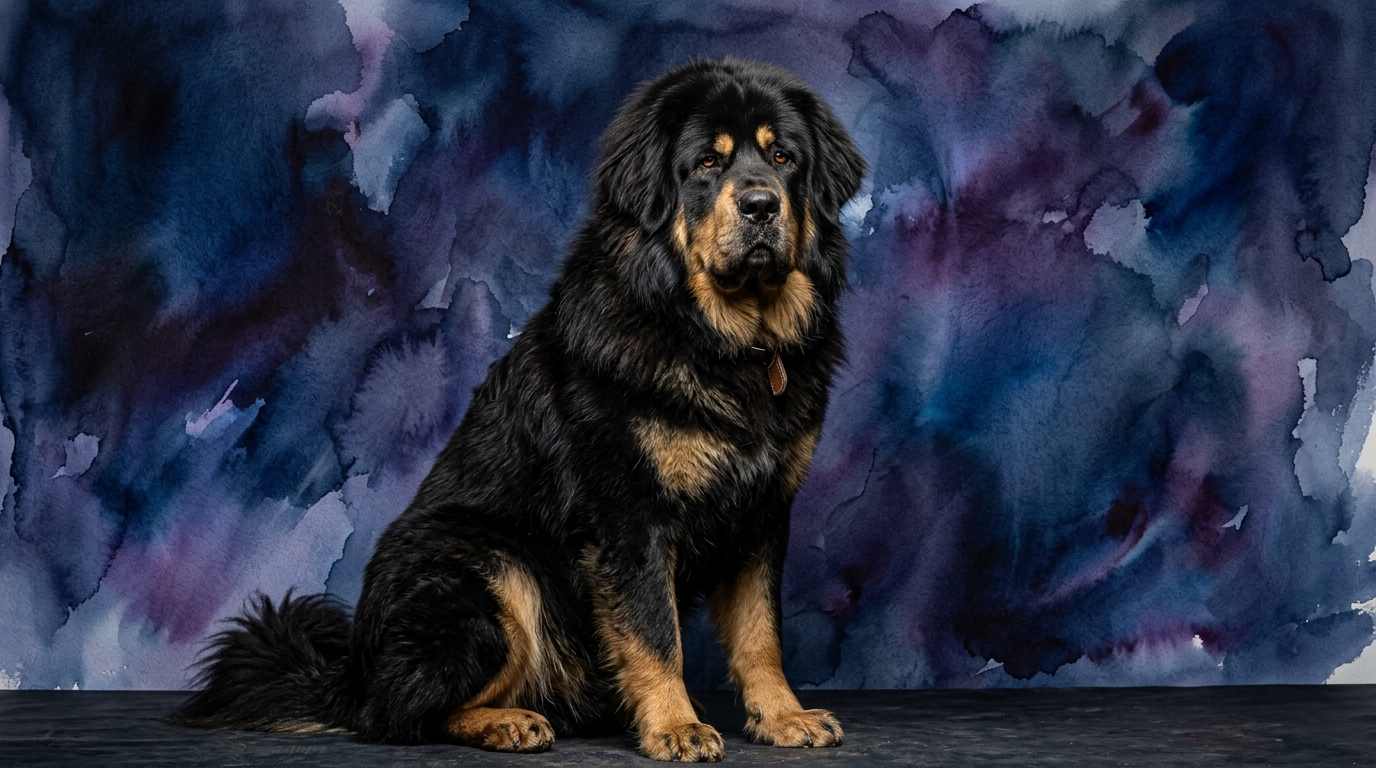
Side-by-Side IQ Profile
The Australian Shepherd, a breed developed for herding livestock, exhibits a cognitive makeup optimized for complex, cooperative tasks. Their Problem Solving is rated 5/5, reflecting an exceptional capacity to strategize and adapt to changing conditions within a working environment. Training Speed also scores 5/5, indicating a quick grasp of new commands and a strong desire to engage with their human handlers. Social Intelligence stands at 4/5, demonstrating their ability to read cues and work in tandem with people or other dogs, crucial for managing a flock. An Instinctive Drive of 5/5 highlights their inherent desire to work and direct, while their Memory, also 5/5, allows them to recall intricate sequences of commands and learned behaviors over time. This combination creates a highly responsive and adaptable canine partner.
In stark contrast, the Tibetan Mastiff, a formidable guardian breed from the Himalayas, possesses a distinct cognitive architecture tailored for independent vigilance. Their Problem Solving is rated 3/5, focusing more on situational assessment and independent decision-making rather than collaborative, multi-step tasks. Training Speed is 3/5, as these dogs are known for their deliberate nature and independent thought, often requiring patience and consistency rather than eager compliance. Social Intelligence, at 3/5, reflects a selective approach; they form deep bonds with their immediate family but maintain a reserved, watchful demeanor towards strangers, prioritizing discernment over broad sociability. Their Instinctive Drive, also 3/5, centers on territorial protection and observation, rather than high-energy pursuits. Memory, rated 3/5, is solid for routines, boundaries, and recognizing familiar individuals, but perhaps less geared towards rapid-fire command retention compared to a herding breed.
Where the Australian Shepherd Wins Cognitively
The Australian Shepherd's cognitive strengths shine brightest in areas demanding interactive engagement and rapid adaptation. Their 5/5 rating in Problem Solving means they excel at tasks requiring strategic thinking, such as navigating complex agility courses, figuring out puzzle toys, or understanding multi-step command sequences like 'fetch the red ball from the basket, then bring it here.' This capability is far beyond the Tibetan Mastiff's typical operational scope. Furthermore, their 5/5 Training Speed and Memory allow them to absorb and retain a vast vocabulary of commands and tricks with remarkable efficiency. An Aussie can often learn a new command in just a few repetitions, and reliably recall it months later. Their 4/5 Social Intelligence further amplifies these wins, as they actively seek to understand and cooperate with their human partners, making them incredibly receptive to instruction and joint activities. They are built for a dynamic partnership where quick thinking and responsiveness are paramount.
Where the Tibetan Mastiff Wins Cognitively
While the Tibetan Mastiff's scores might appear lower by conventional training metrics, their cognitive profile is optimized for a different, equally vital purpose: independent guardianship. Their strength lies not in cooperative problem-solving with humans, but in astute, self-reliant situational assessment. The 3/5 in Problem Solving for a Mastiff means they are adept at discerning potential threats, evaluating their territory, and making independent decisions about who belongs and who doesn't, often without needing explicit human direction. This is a crucial 'win' for a guardian breed; they are not waiting for a command to protect their charge. Their 3/5 Social Intelligence means they possess a deep, discerning loyalty to their family, coupled with a natural wariness of outsiders, a cognitive trait essential for their historical role. Their Memory, also 3/5, is strong for spatial awareness, remembering boundaries, and recognizing the nuances of familiar routines and individuals, allowing them to patrol and secure their domain effectively. They 'win' in their ability to operate as a self-contained, vigilant sentinel.
Which Is Easier to Train and Why
Without question, the Australian Shepherd presents a far easier training experience for most owners. Their 5/5 Training Speed, coupled with a 5/5 Memory and a strong desire to work, means they are eager pupils who quickly absorb and retain new information. Aussies typically respond well to positive reinforcement, thriving on praise and engagement with their handler. Their inherent herding drive translates into a need for purpose and direction, making them receptive to learning complex tasks and commands. They are cooperative partners who enjoy the process of working alongside humans.
The Tibetan Mastiff, conversely, requires a more experienced, patient, and consistent approach to training. Their 3/5 Training Speed and independent Problem Solving mean they are not inherently motivated by eager compliance. They will often ponder a command, weighing its necessity against their own independent judgment or perceived role. This isn't stubbornness in a malicious sense, but rather a reflection of their historical function as autonomous guardians. Training a Tibetan Mastiff involves building profound trust and demonstrating clear, consistent leadership; they respond best to fair, calm authority and will question arbitrary commands. Their independent nature means they require more repetitions and a highly motivating reward system, often making the training journey a significant commitment.
Which Suits Active Owners vs. Relaxed Owners
For owners seeking an active, highly engaged companion, the Australian Shepherd is the clear choice. Their exceptional Instinctive Drive (5/5), combined with high Problem Solving and Training Speed, means they require substantial physical exercise and, crucially, consistent mental stimulation. These dogs thrive on activities like agility, obedience trials, flyball, disc dog, or even just complex puzzle games and long, stimulating walks with purpose. An Aussie that is not adequately challenged mentally and physically can become bored, potentially leading to destructive behaviors or excessive barking.
The Tibetan Mastiff, while not a truly 'relaxed' dog in terms of minimal effort, suits a different type of owner. They are less demanding of interactive, high-intensity physical exercise than an Aussie. Their Instinctive Drive (3/5) is geared towards patrolling and observing their territory, rather than sustained, high-speed activity. They need ample secure space to roam and survey their domain. 'Relaxed' for a Tibetan Mastiff owner means less focus on constant dynamic play, but more on consistent management of their powerful guarding instincts, extensive socialization, and providing a stable, predictable environment. They are not a suitable choice for a first-time dog owner seeking a low-maintenance companion, despite their lower perceived activity levels.
The Verdict
Choose an Australian Shepherd if you desire an energetic, highly trainable partner for dog sports, complex tasks, and a deeply cooperative bond requiring significant daily engagement and mental stimulation.
Opt for a Tibetan Mastiff if you are an experienced owner seeking an independent, watchful guardian with a discerning personality, capable of providing a large, secure environment and patient, consistent leadership.
🧠 Find Your Pet's IQ Score
Our Pet IQ Lab assessment covers 25+ tests across 5 cognitive dimensions — personalized to your breed.
Take the Full IQ Test →Frequently Asked Questions
Are Australian Shepherds good family dogs?
Yes, Australian Shepherds typically form strong bonds with their families. They are often playful and protective, but their high energy and need for mental engagement mean they thrive best with active families who can involve them in daily activities and provide consistent training and socialization from a young age.
Are Tibetan Mastiffs aggressive?
Tibetan Mastiffs are not inherently aggressive, but their strong guarding instincts can be misinterpreted. They are naturally reserved and protective of their family and territory. Proper, early socialization and consistent training are crucial to ensure they are well-adjusted and can differentiate between normal visitors and actual threats, preventing unwarranted reactions.
Do Tibetan Mastiffs need a lot of exercise?
Tibetan Mastiffs do not require the intense, sustained exercise of some working breeds. Their exercise needs are moderate, typically consisting of daily walks and access to a large, securely fenced yard where they can patrol and observe. They are more about steady presence than high-speed activity, but mental stimulation and consistent routine are still important.