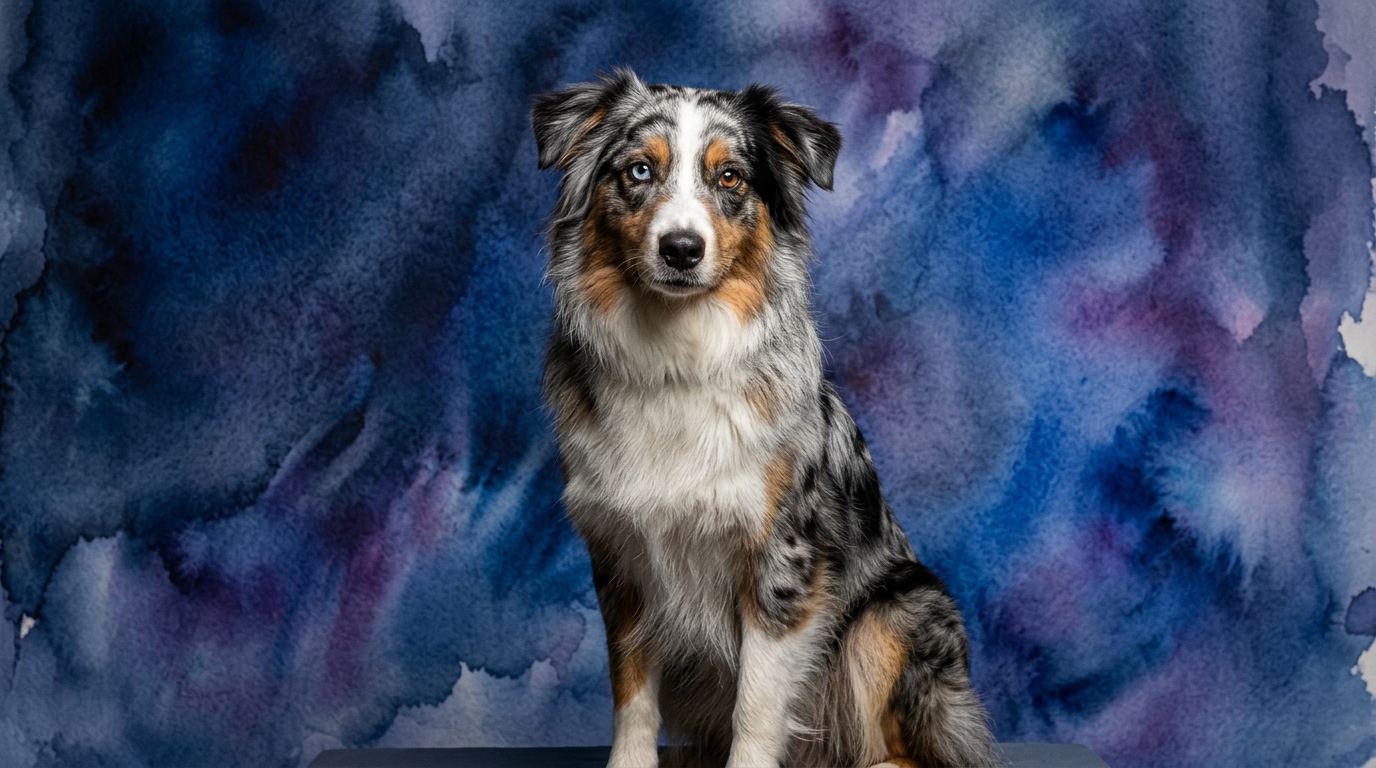
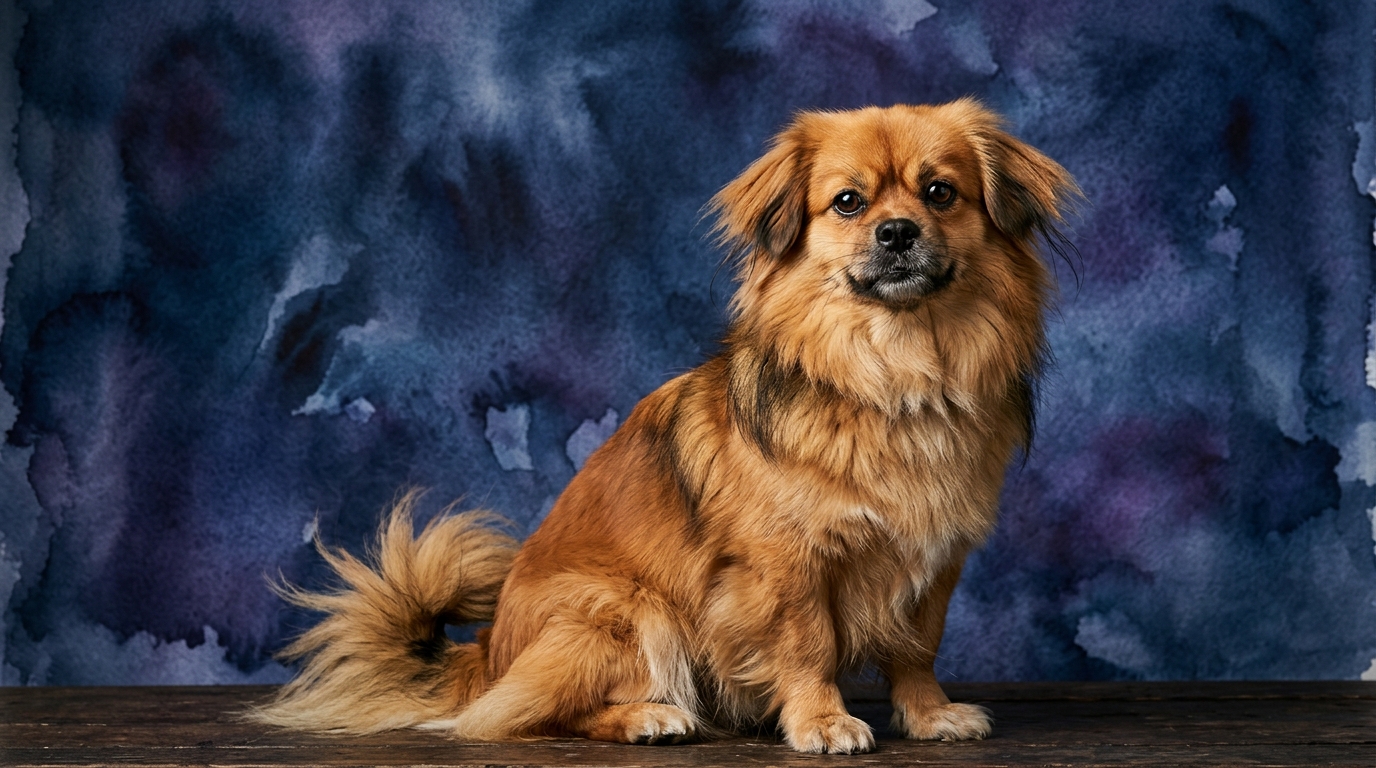
Side-by-Side IQ Profile: Australian Shepherd vs. Tibetan Spaniel
The Cosmic Pet’s IQ Lab provides a unique framework for understanding canine intelligence, moving beyond simple labels to specific cognitive dimensions. Here’s how the Australian Shepherd and Tibetan Spaniel measure up:
**Problem Solving:** The Australian Shepherd, with a top score of 5/5, demonstrates a remarkable capacity for intricate thought, readily figuring out complex sequences and adapting strategies. This breed often anticipates outcomes and devises solutions independently. In contrast, the Tibetan Spaniel, rated 3/5, approaches problems with simpler, more direct methods, sometimes preferring to observe or wait for human intervention rather than persistent strategizing.
**Training Speed:** Scoring 5/5, the Australian Shepherd absorbs new commands with impressive rapidity, often requiring only a few repetitions. Their eagerness to work alongside their human significantly contributes to this swift learning. The Tibetan Spaniel, with a 3/5, learns at a more measured pace, needing consistent, patient reinforcement and more repetitions to solidify new behaviors, reflecting an independent learning style.
**Social Intelligence:** The Australian Shepherd's 4/5 reflects strong attunement to human cues and body language, enabling collaborative work and anticipation of owner intentions. They are highly responsive to direction. The Tibetan Spaniel, at 3/5, is observant of its environment and human companions but tends to be more self-contained, often making its own choices rather than constantly seeking human guidance.
**Instinctive Drive:** A perfect 5/5 for the Australian Shepherd signifies a powerful, inherent urge to work and engage in purposeful activity. This drive fuels their focus and persistence, making them exceptionally goal-oriented. The Tibetan Spaniel, with a 3/5, possesses a more moderate drive, primarily centered around companionship and comfort rather than an intense need for structured tasks.
**Memory:** The Australian Shepherd boasts a 5/5, indicating exceptional recall of complex command sequences, learned tasks, and environmental details over long periods. This aids consistency. The Tibetan Spaniel (3/5) possesses a functional memory for routines, people, and basic commands, but may not retain the same depth of complex information as readily.
Where the Australian Shepherd Excels Cognitively
The Australian Shepherd's cognitive profile showcases several areas where their mental acuity truly shines. Their 5/5 problem-solving ability means they don't just follow instructions; they actively analyze situations, devising creative solutions to challenges, from navigating agility courses to retrieving a toy from an inaccessible spot. Their mind is constantly processing and strategizing. Coupled with a 5/5 training speed, they learn rapidly and generalize concepts, applying learned behaviors in new contexts without extensive re-training. For instance, teaching them to retrieve one item can quickly translate to retrieving other named objects. Their 5/5 instinctive drive, rooted in herding, provides unparalleled focus and persistence. Given a task, an Aussie commits with unwavering dedication, channeling mental energy into achieving the objective. Finally, their 5/5 memory ensures that once a lesson is learned, it's deeply embedded, contributing to remarkable consistency and reliability. They recall not just commands, but nuances of past interactions and environmental layouts, making them effective partners in dynamic situations.
Understanding the Tibetan Spaniel’s Cognitive Strengths
While the Tibetan Spaniel's scores are generally lower, their cognitive strengths are distinct and well-suited to their companion role. Their 3/5 problem-solving often manifests as cleverness in navigating their social environment and ensuring comfort. They might not solve a puzzle box, but they are adept at subtly communicating desires to their human, or finding the warmest sunbeam. Their 3/5 social intelligence, while not geared towards collaborative work, allows them to be highly observant of household routines and human moods, often anticipating meal times. This independent observation means they don't constantly demand interaction for mental stimulation, offering a more self-sufficient presence. The Tibetan Spaniel's moderate 3/5 instinctive drive translates into a lower need for intense, structured activity, making them content with simpler cognitive engagement. They "win" in their capacity for quiet contentment, not requiring constant mental "work." Their 3/5 memory is perfectly adequate for recalling beloved family members, established routines, and favorite resting spots, contributing to their consistent, comforting presence without the mental burden of processing complex information. This breed excels in a cognitive landscape prioritizing calm companionship.
Training Dynamics: Which Breed is Easier to Guide?
There's a clear distinction in training ease. The Australian Shepherd is considerably easier, primarily due to high scores in training speed (5/5), instinctive drive (5/5), social intelligence (4/5), and memory (5/5). They possess an inherent eagerness to learn and please, absorbing new commands swiftly and retaining them consistently. Their strong instinctive drive provides built-in motivation for structured activities and focus, making them highly receptive. An Aussie often views training as a collaborative puzzle, thriving on mental engagement and partnership. They quickly understand what is asked and genuinely enjoy mastering new skills.
Conversely, the Tibetan Spaniel presents a greater training challenge. Their 3/5 training speed means they require more patience, repetition, and creative motivation. Their 3/5 instinctive drive isn't geared towards complex tasks, meaning they may lack the intrinsic motivation of an Aussie. While observant, their 3/5 social intelligence suggests less drive from constant human approval, opting for their own independent assessment. They possess an endearing stubborn streak, often complying only if they perceive value, making consistency and positive reinforcement crucial. Training a Tibetan Spaniel is about gentle persuasion and making learning fun, not relying on innate work drive.
Matching Canine Cognition to Owner Lifestyles
The cognitive profiles clearly delineate which type of owner each breed suits. The Australian Shepherd is undeniably for active owners prepared for significant mental and physical engagement. Their 5/5 problem-solving and 5/5 instinctive drive mean they require constant intellectual stimulation through complex training, dog sports, or real-world "jobs." An Aussie without sufficient mental challenges can become bored and channel energy into less desirable behaviors. They need an owner who is not only physically active but also enjoys teaching, strategizing, and providing purpose.
The Tibetan Spaniel, conversely, is a much better fit for relaxed owners. Their consistent 3/5 scores across dimensions indicate a dog content with a less demanding routine. While they appreciate walks and playtime, they don't possess the intense need for constant mental "work" or high-level problem-solving. Their moderate drive means they are happy as a quiet, observant companion, enjoying proximity without elaborate interactive games. They adapt well to a calmer home, ideal for individuals or families preferring a laid-back canine presence and appreciating a self-sufficient, content dog.
The Verdict
Choose an Australian Shepherd if you are an experienced, active owner ready to commit to extensive mental and physical engagement, appreciating a canine partner that thrives on complex tasks and collaborative work.
Opt for a Tibetan Spaniel if you desire an observant, independent companion content with a more relaxed lifestyle, valuing their self-sufficient nature and charming, less demanding presence.
🧠 Find Your Pet's IQ Score
Our Pet IQ Lab assessment covers 25+ tests across 5 cognitive dimensions — personalized to your breed.
Take the Full IQ Test →Frequently Asked Questions
Do Australian Shepherds need constant "jobs" to be content?
Yes, their high instinctive drive and problem-solving abilities mean they thrive on mental engagement. Without structured activities or tasks, an Aussie can become bored and potentially develop undesirable behaviors, like destructive chewing or excessive barking.
Can a Tibetan Spaniel participate in dog sports?
While they might not excel in high-intensity sports like herding or advanced agility due to their moderate drive, Tibetan Spaniels can certainly enjoy activities like rally obedience or trick training. Success depends on the individual dog's personality and the owner's patient, creative approach to motivation.
Is one breed more prone to separation anxiety than the other?
The Australian Shepherd, with its strong social intelligence and desire to work alongside humans, might be more prone to anxiety if left alone for extended periods without adequate mental and physical outlets. Tibetan Spaniels, being more independent, may adapt better to solitude, provided their basic needs for comfort and security are met.