Side-by-Side IQ Profile
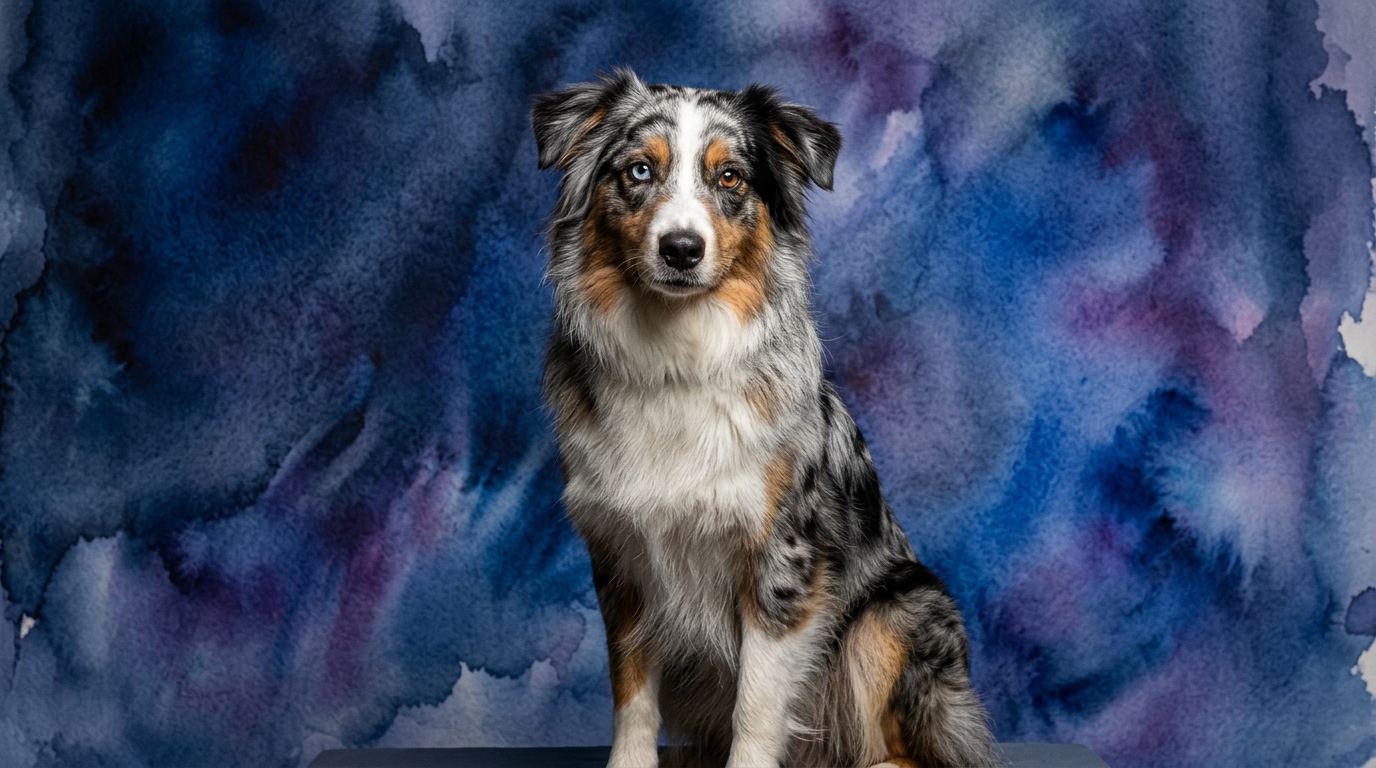
The Australian Shepherd, a herding breed, exhibits a formidable cognitive toolkit. Their Problem Solving (5/5) is top-tier, enabling them to strategize and manage complex scenarios, whether herding livestock or navigating an agility course. Training Speed (5/5) is equally impressive; they absorb new commands and routines with remarkable alacrity, eager to engage in structured learning. Their Social Intelligence (4/5) allows them to read human cues and bond deeply, making them highly attuned companions. A powerful Instinctive Drive (5/5) fuels their desire to work and control, translating into intense focus. Finally, their Memory (5/5) is exceptional, allowing them to retain a vast repertoire of commands, remember complex sequences, and recall past experiences with precision.
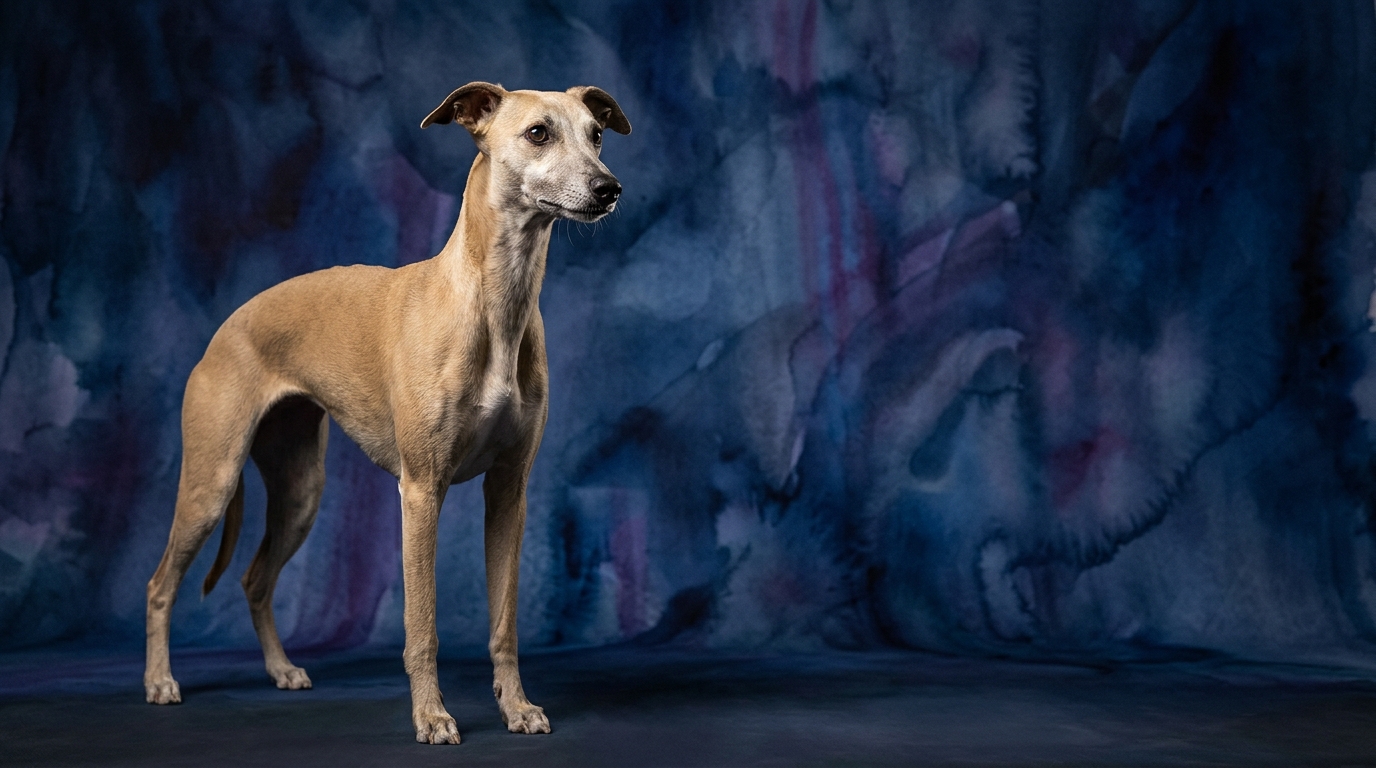
The Whippet, a sighthound, presents a different, yet equally valid, cognitive design. Their Problem Solving (3/5) leans more towards practical, immediate solutions rather than abstract strategizing; complex puzzles are less their forte. Training Speed (2/5) is moderate; they can learn commands, but often require consistent, positive reinforcement and may not always see the inherent 'point' in performing tasks. Their Social Intelligence (4/5) is robust, characterized by an affectionate, gentle nature within their family, though they possess an independent streak. The Instinctive Drive (5/5) is intensely focused on the chase, a powerful urge to pursue anything that moves swiftly. Their Memory (3/5) is functional, allowing them to remember routines and basic commands, but perhaps not with the depth or breadth seen in breeds bred for intricate tasks.
Where Australian Shepherd Wins Cognitively
The Australian Shepherd's cognitive strengths shine in areas requiring sustained mental engagement and intricate processing. Their superior Problem Solving (5/5) means they excel at tasks demanding strategy, such as advanced obedience routines, complex agility courses, or learning to manipulate objects. This isn't just about following commands; it's about understanding the objective and devising a method to achieve it. Coupled with their unmatched Training Speed (5/5), they absorb new information rapidly, making them adept at mastering a wide array of skills, from herding to elaborate tricks. Furthermore, their exceptional Memory (5/5) allows them to retain an expansive vocabulary of commands and complex sequences for extended periods, reducing the need for constant re-teaching and enabling them to build upon learned behaviors with remarkable efficiency. This combination makes them unparalleled partners for owners seeking a canine that actively thinks and collaborates on challenging intellectual tasks.
Where Whippet Wins Cognitively
While the Australian Shepherd excels in active problem-solving, the Whippet's cognitive advantages manifest in different, yet equally valuable, domains. Their Instinctive Drive (5/5), specifically geared towards chasing, is a remarkable cognitive specialization. This involves rapid visual processing, immediate decision-making in pursuit, and an acute awareness of movement and velocity, making them masters of the chase. Their Social Intelligence (4/5), while perhaps less focused on 'working' with humans, manifests as a profound capacity for calm, affectionate companionship indoors. They are adept at reading emotional states within their family, offering quiet comfort without demanding constant interaction, a nuanced form of social awareness. Their cognitive strength lies in efficiency of effort – conserving energy for explosive bursts of activity, followed by serene rest, demonstrating a natural ability to self-regulate and adapt to a relaxed home environment.
Which is Easier to Train and Why
When considering ease of training, the Australian Shepherd holds a distinct advantage due to their intrinsic motivations and cognitive architecture. Their high Problem Solving (5/5) and Training Speed (5/5) mean they not only grasp new commands quickly but also actively seek to understand the underlying task. An Aussie thrives on having a job and engaging their mind, making them highly receptive to structured lessons and eager to please their handler. They respond well to consistent direction, often anticipating what is expected of them. Their exceptional Memory (5/5) ensures that once a concept is learned, it is retained, allowing for advanced training progressions. In contrast, the Whippet, with a Training Speed (2/5) and Memory (3/5), requires a more patient approach. While capable of learning, their sighthound independence means they often need compelling motivation and may not always see the immediate benefit of performing a command. Training a Whippet often involves making it a fun game, leveraging their chase drive, and understanding that their decision to execute a command can be situational.
Which Suits Active Owners vs Relaxed Owners
The choice between an Australian Shepherd and a Whippet significantly depends on an owner's lifestyle. An Australian Shepherd is an ideal match for highly active owners who desire a constant companion for outdoor adventures and mental challenges. Their high Instinctive Drive (5/5), combined with superior cognitive abilities, means they require substantial daily exercise, including vigorous physical activity and structured mental work like puzzle toys or dog sports. Owners committed to daily training sessions, long hikes, or activities like agility will find an Aussie an incredibly rewarding and tireless partner. They thrive on having a "job" and can become restless if their needs are not met.
Conversely, the Whippet is better suited for relaxed owners who appreciate bursts of high-intensity activity followed by extended periods of calm. While they possess a strong Instinctive Drive (5/5) for sprinting, a Whippet is generally content with a couple of good runs or walks each day, happily spending the rest of their time lounging indoors. Their cognitive preference for conserving energy and gentle demeanor make them excellent house companions who don't demand constant mental puzzles. Owners who enjoy a brisk walk or a supervised off-leash sprint but primarily seek a quiet, affectionate presence on the couch will find the Whippet's needs align well with a more relaxed domestic lifestyle.
The Verdict
Opt for an Australian Shepherd if you are an active individual or family seeking an intensely engaged, highly trainable, and cognitively collaborative partner for advanced training, dog sports, or a working role.
Select a Whippet if you desire a gentle, affectionate companion who enjoys short bursts of exhilarating exercise but is primarily content with a relaxed indoor lifestyle and less demanding mental engagement.
🧠 Find Your Pet's IQ Score
Our Pet IQ Lab assessment covers 25+ tests across 5 cognitive dimensions — personalized to your breed.
Take the Full IQ Test →Frequently Asked Questions
Do Australian Shepherds need a lot of mental stimulation?
Absolutely. With their 5/5 problem-solving and memory, Australian Shepherds thrive on continuous mental challenges. They require daily engagement through training, puzzle toys, and activities that challenge their strategic thinking to prevent boredom and destructive behaviors.
Are Whippets difficult to train because of their independence?
Whippets can be trained, but their independence and lower training speed (2/5) mean they might not be as inherently eager to please as some working breeds. Consistent, positive reinforcement and making training fun, often incorporating their chase drive, are key to success.
Which breed is better for a first-time dog owner?
For a first-time owner, the Whippet might be a more manageable choice due to their lower demands for constant mental work and generally calmer indoor temperament. Australian Shepherds, while highly trainable, require significant dedication to meet their intense cognitive and physical needs, which can be overwhelming for novices.