Side-by-Side IQ Profile: Nuances of the 3/5 Score
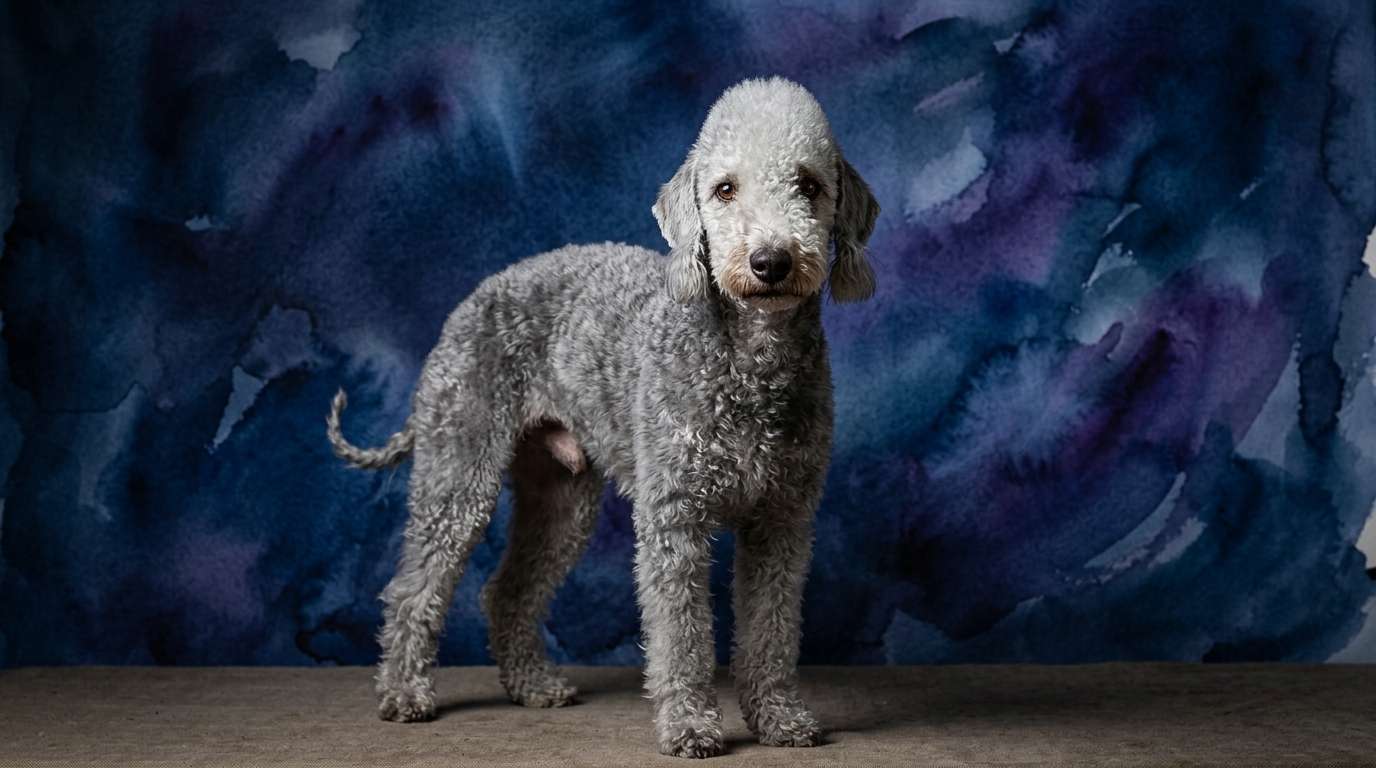
At first glance, the Bedlington Terrier and the Irish Wolfhound appear to share an identical cognitive blueprint, each scoring a consistent 3 out of 5 across all five dimensions of the Pet IQ Lab. This suggests a moderate aptitude in each area, but the underlying expression of these scores is profoundly influenced by their breed-specific traits. For the Bedlington Terrier, a breed developed for hunting vermin, a 3/5 in Problem Solving often translates into a tenacious, independent approach to overcoming obstacles, particularly those involving digging, squeezing into tight spaces, or manipulating objects to reach a goal. Their 3/5 Training Speed indicates they are capable of learning, but their strong will can mean they require creative motivation and consistent, engaging sessions to maintain focus, often prioritizing their own agenda over commands. Social Intelligence at 3/5 for a Bedlington might manifest as being acutely observant of their human's moods and exploiting routines, while their 3/5 Instinctive Drive is clearly geared towards chasing and dispatching small, fast-moving targets. Their Memory at 3/5 allows them to recall successful strategies for obtaining desired outcomes or navigating familiar environments.
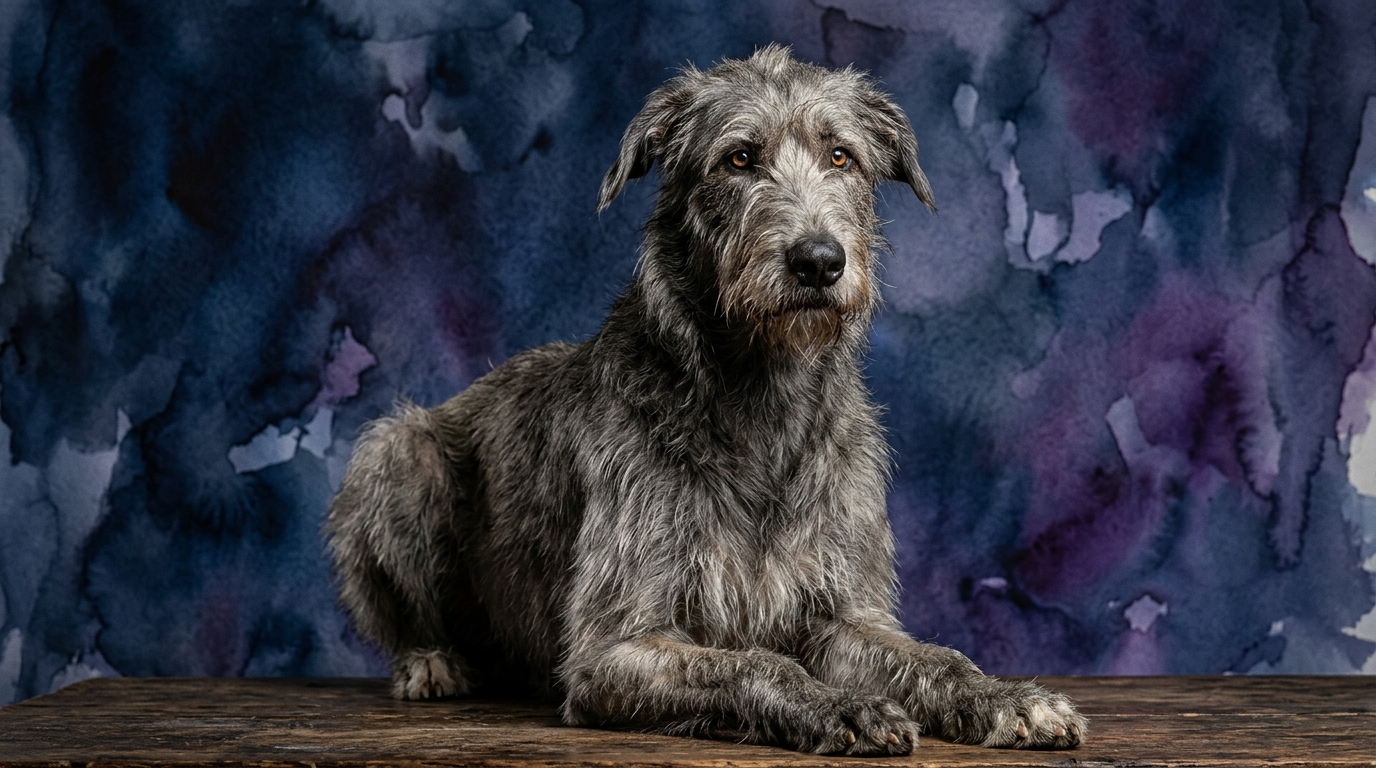
The Irish Wolfhound, a majestic sighthound originally bred for hunting large game, also earns a 3/5 across the board, but their cognitive expression is fundamentally different. Their Problem Solving at 3/5 is often characterized by a thoughtful, observant approach to large-scale spatial challenges, such as finding the most efficient route across a field or navigating complex household layouts with their considerable size in mind. A 3/5 in Training Speed for a Wolfhound means they are certainly capable of learning, but their independent sighthound nature can lead to a 'what's in it for me?' attitude, and they may require more repetitions and patience, easily becoming bored with repetitive drills. Their Social Intelligence at 3/5 typically manifests as a gentle, often reserved demeanor, observing interactions carefully and being sensitive to the emotional states of their family members. The 3/5 Instinctive Drive of a Wolfhound is predominantly visual, focused on pursuing distant, moving objects with incredible speed and single-mindedness. Finally, their 3/5 Memory is generally robust for routes, specific locations, and remembering past interactions, both positive and negative, which influences their future responses.
Where the Bedlington Terrier Excels Cognitively
Despite sharing numerical scores, the Bedlington Terrier exhibits a distinct cognitive advantage in tasks requiring persistent, focused, and often physical problem-solving within confined or complex environments. Their Terrier tenacity, reflected in their 3/5 Problem Solving, means they are less likely to give up on a puzzle or a desired objective, even if it requires repeated attempts or creative manipulation. For example, a Bedlington might excel at figuring out how to unlatch a gate, dig under a fence, or retrieve a toy from an intricate space through sheer determination and trial-and-error. Their compact size and agility allow them to explore and interact with their surroundings in ways a larger dog cannot, giving them more opportunities to apply their problem-solving skills to specific, intricate challenges. This persistence, combined with their sharp observational skills (part of their 3/5 Social Intelligence applied to their environment), makes them adept at learning the routines and weaknesses of their household, often finding clever ways to get what they want.
Where the Irish Wolfhound Excels Cognitively
The Irish Wolfhound's cognitive strengths lie in areas demanding visual acuity, spatial reasoning over distance, and a calm, discerning observation of their environment. Their 3/5 Problem Solving, coupled with their sighthound heritage, makes them exceptional at recognizing patterns and anticipating movement across open spaces. They might quickly learn the most efficient path to follow a squirrel across a large yard or understand the trajectory of a thrown object with impressive accuracy. Their Social Intelligence, also a 3/5, often expresses itself as a profound sensitivity to the emotional atmosphere of a home, making them intuitive companions who can offer comfort without being overtly demonstrative. They may pick up on subtle cues from their owners, reacting to shifts in tone or body language with a quiet understanding. Furthermore, their 3/5 Memory, especially for visual landmarks and established routines, means they can navigate vast properties or remember specific locations of interest with remarkable precision, a valuable trait for a breed that traditionally covered extensive territories.
Training Dynamics: Independence on Different Scales
When it comes to training, both breeds present a moderate challenge, scoring 3/5 in Training Speed, but their independence manifests in distinct ways. The Bedlington Terrier's terrier nature means they can be spirited and opinionated. They learn quickly when motivated, but their strong prey drive (Instinctive Drive 3/5) and independent problem-solving often lead them to prioritize an interesting scent or a chase over a command. Training a Bedlington requires an owner who can make sessions consistently engaging, varied, and highly rewarding to overcome their inherent 'what's in it for me?' attitude, and who can manage their tenacious nature. Their smaller size, however, means their independence, while present, is often more manageable in a domestic setting.
The Irish Wolfhound, despite its gentle giant reputation, also possesses a strong independent streak, characteristic of sighthounds. Their 3/5 Training Speed means they are capable of understanding commands, but they can be slower to generalize learned behaviors and may become bored with repetitive drills. Motivation for a Wolfhound often needs to be substantial, and their sheer size means that any lack of compliance or independent decision-making during training can have significant physical implications. While generally less prone to the 'argumentative' nature of some terriers, their independent pursuit drive (Instinctive Drive 3/5) means they might simply choose to ignore a command if a visual stimulus captures their attention. Consistency, patience, and positive reinforcement are paramount for both, but the physical scale of the Wolfhound's independence demands a more robust and unwavering training approach from the outset.
Matching Canine Companions to Lifestyles
Choosing between a Bedlington Terrier and an Irish Wolfhound often comes down to the owner's lifestyle, available space, and specific preferences for a canine companion's energy and presence. The Bedlington Terrier is well-suited for active owners who enjoy engaging in various activities and can provide consistent mental and physical stimulation. While they can adapt to apartment living, they require daily vigorous walks, playtime, and opportunities to channel their terrier energy through activities like earthdog trials, agility, or extensive puzzle toys. Their spirited nature means they thrive with owners who appreciate a lively, intelligent, and sometimes mischievous companion, ready for adventure but also content to cuddle up at the end of the day. They need an owner who is prepared to manage their strong prey drive and provide clear boundaries.
The Irish Wolfhound, conversely, fits best with owners who possess ample space, preferably a securely fenced yard where they can stretch their legs and engage in powerful, short bursts of running. Despite their size, they are not hyperactive indoors and are often described as 'relaxed' or 'couch potatoes' within the home once their exercise needs are met. However, these needs are significant: regular, lengthy walks or supervised off-leash running are crucial for their physical and mental well-being. They suit owners who appreciate a calm, dignified, and gentle presence, and who are prepared for the unique challenges and joys of owning a very large dog, including managing their independent sighthound instincts in open areas. They thrive with owners who can provide consistent, gentle training and a quiet, stable home environment.
The Verdict
Choose the Bedlington Terrier if you seek a compact, spirited companion for an active lifestyle, appreciate a dog with tenacious problem-solving skills in smaller environments, and are prepared to manage a strong-willed personality with engaging training.
Opt for the Irish Wolfhound if you have ample space, value a calm and gentle giant that excels in visual observation and open-field pursuits, and are ready for the commitment of owning a large, independent sighthound with significant exercise needs.
🧠 Find Your Pet's IQ Score
Our Pet IQ Lab assessment covers 25+ tests across 5 cognitive dimensions — personalized to your breed.
Take the Full IQ Test →Frequently Asked Questions
Are Bedlington Terriers good with children and other pets?
Bedlington Terriers can be excellent family dogs, often forming strong bonds with children when properly socialized from a young age. However, their strong prey drive means careful introductions and supervision are necessary with smaller pets, and their terrier temperament requires children to be taught respectful interaction.
What are the primary health concerns for Irish Wolfhounds?
Irish Wolfhounds are prone to several health issues due to their giant size, including bloat (gastric torsion), cardiomyopathy, osteosarcoma (bone cancer), and various joint problems. Responsible breeding and vigilant veterinary care throughout their lives are crucial for managing these risks.
How much grooming do these breeds require?
The Bedlington Terrier requires regular grooming to maintain its unique lamb-like coat, including weekly brushing to prevent matting and professional clipping every 6-8 weeks. The Irish Wolfhound has a rough, wiry coat that needs weekly brushing and occasional hand-stripping or trimming to remove dead hair and keep it tidy.