Side-by-Side Cognitive Profile
The Cosmic Pet Pet IQ Lab assesses canine intelligence across five key dimensions, offering a nuanced view of how different breeds process the world. Interestingly, both the Bedlington Terrier and the Miniature Pinscher share identical scores across all five categories, each rated 3 out of 5. This numerical parity, however, belies distinct manifestations of these cognitive traits, shaped by their breed history and inherent temperaments.
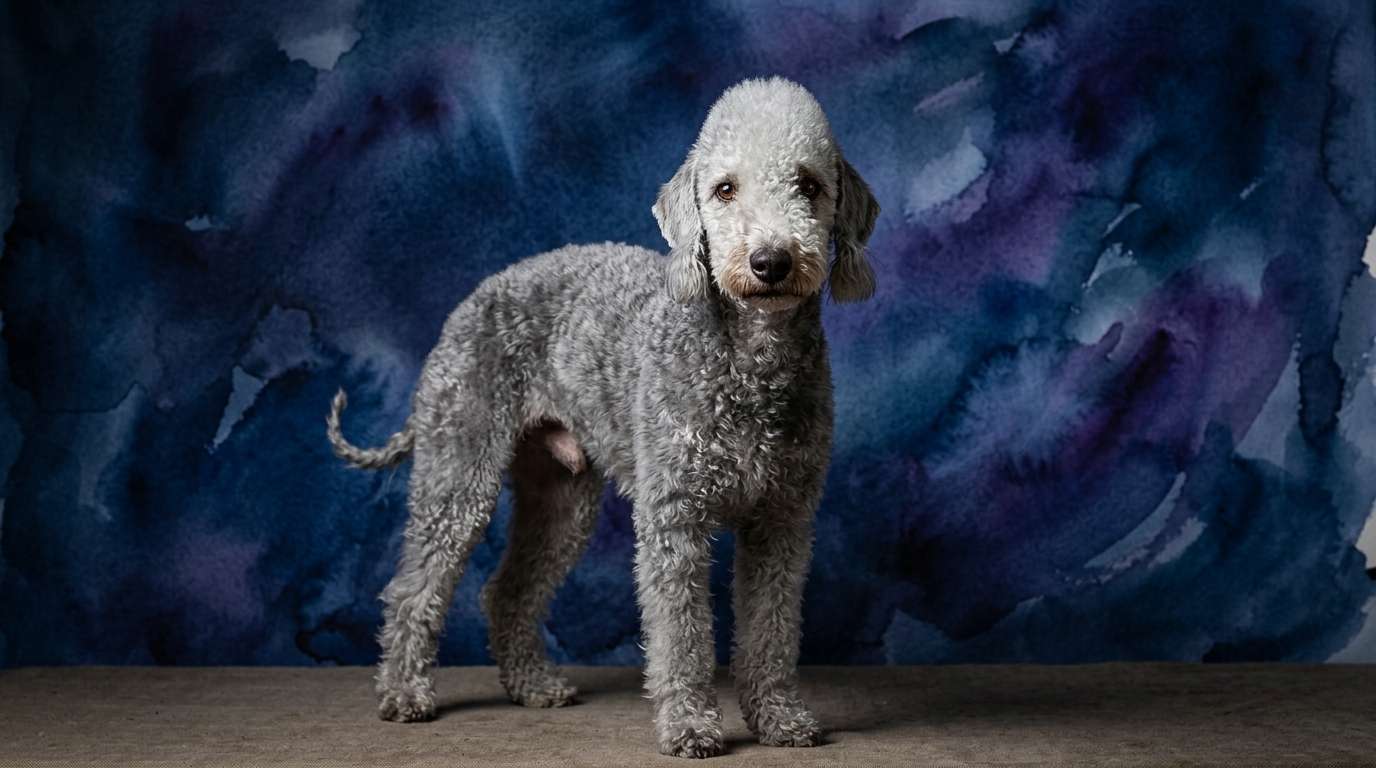
**Bedlington Terrier (Terrier, Not Coren-ranked)**
**Problem Solving (3/5):** The Bedlington Terrier's problem-solving ability, rated 3 out of 5, reflects a moderate capacity to navigate new challenges and figure out solutions independently. Rooted in their ratting and hunting background, these dogs often demonstrate persistence in overcoming obstacles to achieve a goal, such such as finding a hidden toy or figuring out how to access a forbidden area. Their approach is typically pragmatic, driven by their inherent terrier determination, rather than complex strategic thinking. They learn through trial and error, remembering what works and what doesn't in specific contexts, and can apply learned solutions to similar, but not identical, problems.
**Training Speed (3/5):** A 3 out of 5 for training speed indicates that Bedlington Terriers can learn new commands and behaviors at a moderate pace. They are capable of understanding expectations and performing actions consistently, but their independent terrier spirit means they may not always be eager to comply without sufficient motivation. Owners often find that positive reinforcement, coupled with engaging and varied training sessions, yields the best results. Repetition is helpful, but too much can lead to disengagement, highlighting the need for trainers to keep sessions fresh and stimulating to maintain the Bedlington's interest.
**Social Intelligence (3/5):** The Bedlington Terrier's social intelligence, also rated 3 out of 5, suggests a moderate ability to interpret social cues from humans and other animals. They can form strong bonds with their families and understand routines and emotional states within their household. However, their terrier nature can sometimes lead to a degree of aloofness or a strong sense of self-preservation, particularly with unfamiliar dogs or people. They are observant and can adapt their behavior based on social feedback, but their initial responses might be more guarded than overtly gregarious, requiring careful socialization to foster positive interactions.
**Instinctive Drive (3/5):** With an instinctive drive score of 3 out of 5, Bedlington Terriers possess a noticeable, but not overwhelming, inclination towards their ancestral behaviors. Their history as vermin hunters means they retain a drive to chase, dig, and investigate small prey. This manifests as a keen interest in movement, a propensity to follow scents, and an enjoyment of activities that simulate hunting, like fetch or earthdog trials. While present, this drive is manageable and can be channeled into appropriate outlets, rather than constantly dominating their behavior, provided they receive sufficient mental and physical stimulation.
**Memory (3/5):** A memory score of 3 out of 5 indicates that Bedlington Terriers have a solid capacity to retain information, both positive and negative. They remember routines, learned commands, and the locations of favored objects or people with reasonable accuracy. This memory serves them well in training, allowing them to build upon previously learned skills. They also tend to recall experiences, good or bad, shaping their future interactions and responses. For example, a single negative encounter might be remembered and influence their wariness in similar situations later on.
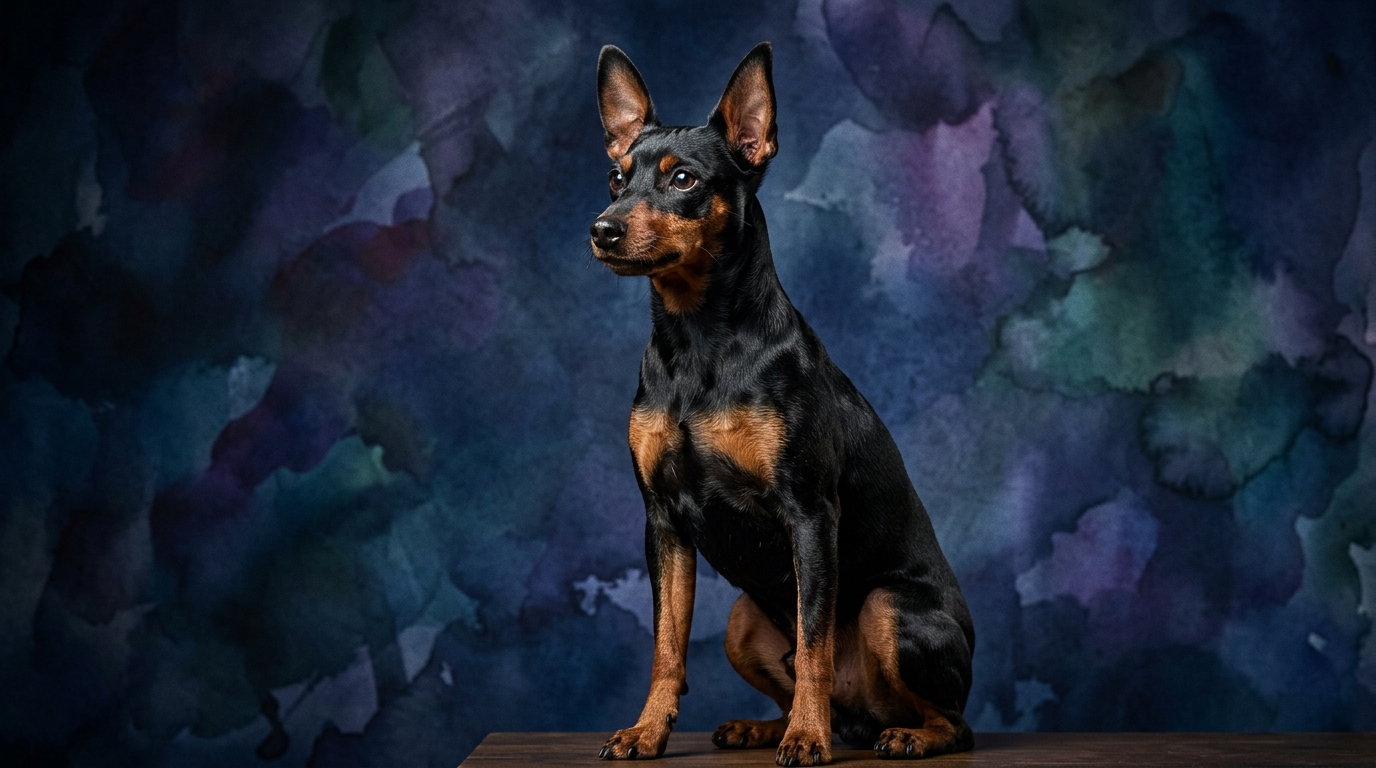
**Miniature Pinscher (Toy, Not Coren-ranked)**
**Problem Solving (3/5):** The Miniature Pinscher's problem-solving ability, matching the Bedlington at 3 out of 5, showcases a moderate aptitude for figuring things out. Known as the “King of Toys,” Min Pins exhibit a bold and curious nature that drives them to explore and manipulate their environment. Their problem-solving often manifests in finding ways to get what they want, whether it's escaping an enclosure, reaching a high vantage point, or acquiring a treat. They are clever and can quickly learn sequences of actions that lead to desired outcomes, sometimes displaying a mischievous ingenuity in bypassing rules or boundaries set by their owners.
**Training Speed (3/5):** A 3 out of 5 for training speed suggests that Miniature Pinschers are moderately quick learners, capable of grasping new commands and behaviors. Their intelligence is coupled with a strong will and an independent streak, which means they require consistent, engaging, and reward-based training methods. While they can pick up cues efficiently, their focus might be short-lived, especially if they perceive something more interesting in their environment. Early and continuous socialization and training are crucial to harness their potential, transforming their inherent alertness into cooperative behavior rather than stubborn defiance.
**Social Intelligence (3/5):** The Miniature Pinscher's social intelligence, also rated 3 out of 5, indicates a moderate capacity for understanding and responding to social cues. Min Pins are highly attuned to their human companions, often displaying a strong desire to be involved in family activities and a sensitivity to their owners' moods. They can read body language and vocal tones well, adjusting their behavior accordingly. However, their assertive and often territorial nature means they may be wary of strangers or other animals, requiring careful introductions and socialization to ensure their social interactions are positive and well-managed.
**Instinctive Drive (3/5):** Also scoring 3 out of 5, the Miniature Pinscher's instinctive drive is notable, reflecting their historical role as farm guardians and vermin controllers, despite their toy classification. They possess a strong prey drive, often seen in their pursuit of small animals or toys, and an inherent inclination to bark at anything perceived as a threat or novelty. Their alertness and watchfulness are strong innate traits, making them excellent, albeit vocal, alarm systems. This drive, while present, is typically focused on their immediate environment and perceived threats, rather than extensive tracking or hunting.
**Memory (3/5):** A memory score of 3 out of 5 signifies that Miniature Pinschers have a reliable ability to recall information. They remember routines, people, places, and learned commands with good retention. This serves them well in navigating their daily lives and maintaining learned behaviors. Their memory also extends to remembering past experiences, which can contribute to their sometimes cautious or reactive responses to novel situations if previous encounters were negative. Consistent positive reinforcement helps them build a repertoire of positive associations.
Where the Bedlington Terrier Excels Cognitively
While both breeds share identical numerical IQ scores, the Bedlington Terrier's cognitive strengths often shine in tasks requiring persistent, methodical problem-solving rooted in its hunting heritage. Their problem-solving (3/5) is often geared towards overcoming physical obstacles to reach a goal, making them adept at navigating complex terrains or figuring out how to extract a toy from a tight space. Their instinctive drive (3/5) translates into a focused determination when engaged in activities that mimic their ancestral role, such as scent work or agility challenges that involve intricate sequences. This tenacity, combined with a solid memory (3/5) for successful strategies, gives them an edge in sustained, goal-oriented pursuits.
Where the Miniature Pinscher Shows Cognitive Strengths
The Miniature Pinscher, despite similar numerical scores, often excels in cognitive areas demanding quick situational assessment and reactive decision-making. Their problem-solving (3/5) frequently manifests as ingenious ways to manipulate their environment or owners to get what they want, often involving clever observation and exploitation of routines. Their social intelligence (3/5) is particularly sharp in discerning human moods and intentions, allowing them to adapt their approach for maximum personal gain or comfort. Coupled with an alert instinctive drive (3/5) for guarding and observation, Min Pins demonstrate a superior capacity for immediate environmental awareness and rapid response, making them excellent watchdogs.
Trainability: Bedlington Terrier vs. Miniature Pinscher
Comparing trainability, both breeds have a 3/5 training speed, but the nature of their training experience differs significantly. The Bedlington Terrier, with its independent terrier spirit, can be opinionated. While capable of learning quickly, they often require patience and highly engaging, varied sessions to prevent boredom and stubbornness. Their focus can be intense on a task, but redirecting that focus away from a chosen pursuit can be challenging. The Miniature Pinscher, while equally intelligent, often possesses a more assertive and sometimes mischievous temperament. They learn rapidly but may choose to obey only if it aligns with their immediate desires or if the reward is sufficiently enticing. Their strong instinctive drive for alertness means they can be easily distracted by environmental stimuli. Therefore, consistent, firm, positive reinforcement with clear boundaries is paramount for the Min Pin, whereas the Bedlington benefits from creative problem-solving games to channel their inherent drive.
Lifestyle Match: Active vs. Relaxed Owners
For active owners, both breeds offer engaging companionship, but with different demands. The Bedlington Terrier, with its moderate instinctive drive (3/5) and problem-solving (3/5) geared towards physical challenges, thrives with owners who enjoy structured activities like agility, earthdog trials, or long, exploratory walks. They need outlets for their energy and mental stimulation to prevent boredom, which can lead to destructive behaviors. A relaxed owner might find their tenacity and need for engagement a bit much. The Miniature Pinscher, conversely, while energetic and requiring regular exercise, also possesses a strong social intelligence (3/5) and desire for close companionship. They are often content with brisk walks, playtime in a secure yard, and ample indoor interaction. Their alert nature means they are always 'on duty,' making them suitable for owners who appreciate a vigilant companion but might not seek extensive outdoor adventures daily. A relaxed owner who enjoys interactive play and canine companionship indoors could find a Min Pin a fitting match, provided they manage their vocal tendencies and provide consistent mental stimulation.
The Verdict
Choose the Bedlington Terrier if you appreciate a tenacious, independent companion eager for structured activities like scent work or agility, and are prepared to engage their problem-solving mind with consistent, varied training.
Opt for the Miniature Pinscher if you desire a bold, alert, and socially attuned companion who thrives on close interaction, enjoys brisk daily activity, and will vigilantly oversee your home with spirited determination.
🧠 Find Your Pet's IQ Score
Our Pet IQ Lab assessment covers 25+ tests across 5 cognitive dimensions — personalized to your breed.
Take the Full IQ Test →Frequently Asked Questions
Do Bedlington Terriers bark a lot?
Bedlington Terriers can be prone to barking, particularly if they are bored, left alone for extended periods, or perceive something unusual. Their terrier nature means they are alert and will often use their voice to communicate, requiring consistent training to manage this tendency.
Are Miniature Pinschers good with children?
Miniature Pinschers can be good with older, respectful children who understand how to interact with a small dog. Their assertive and sometimes territorial nature means they might not tolerate rough play or teasing well, so supervision and early socialization are crucial for positive interactions.
How much exercise do these breeds need?
Both breeds require regular daily exercise. Bedlington Terriers benefit from 30-60 minutes of vigorous activity, including walks, runs, or structured play, to satisfy their physical and mental needs. Miniature Pinschers also need daily activity, typically 30-45 minutes of brisk walks and indoor play, to keep them fit and prevent boredom.