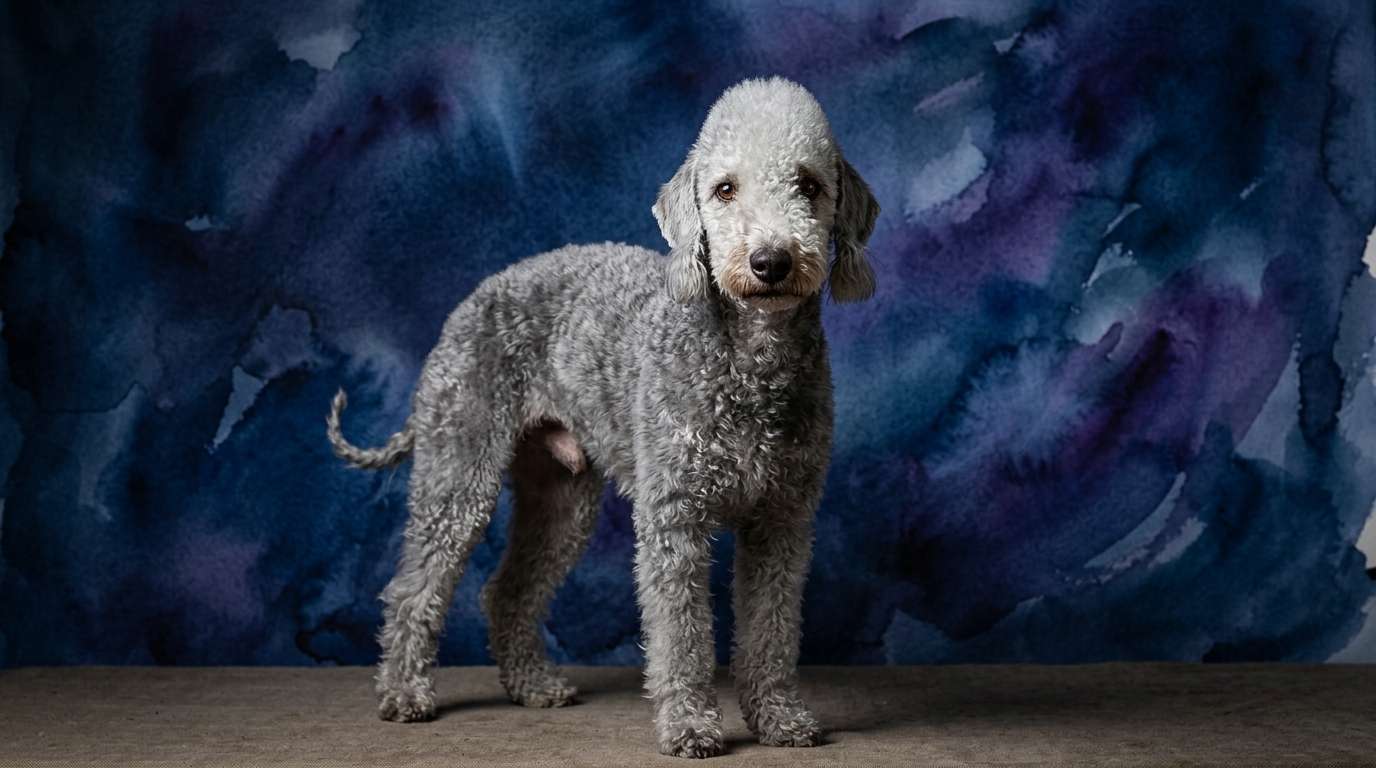
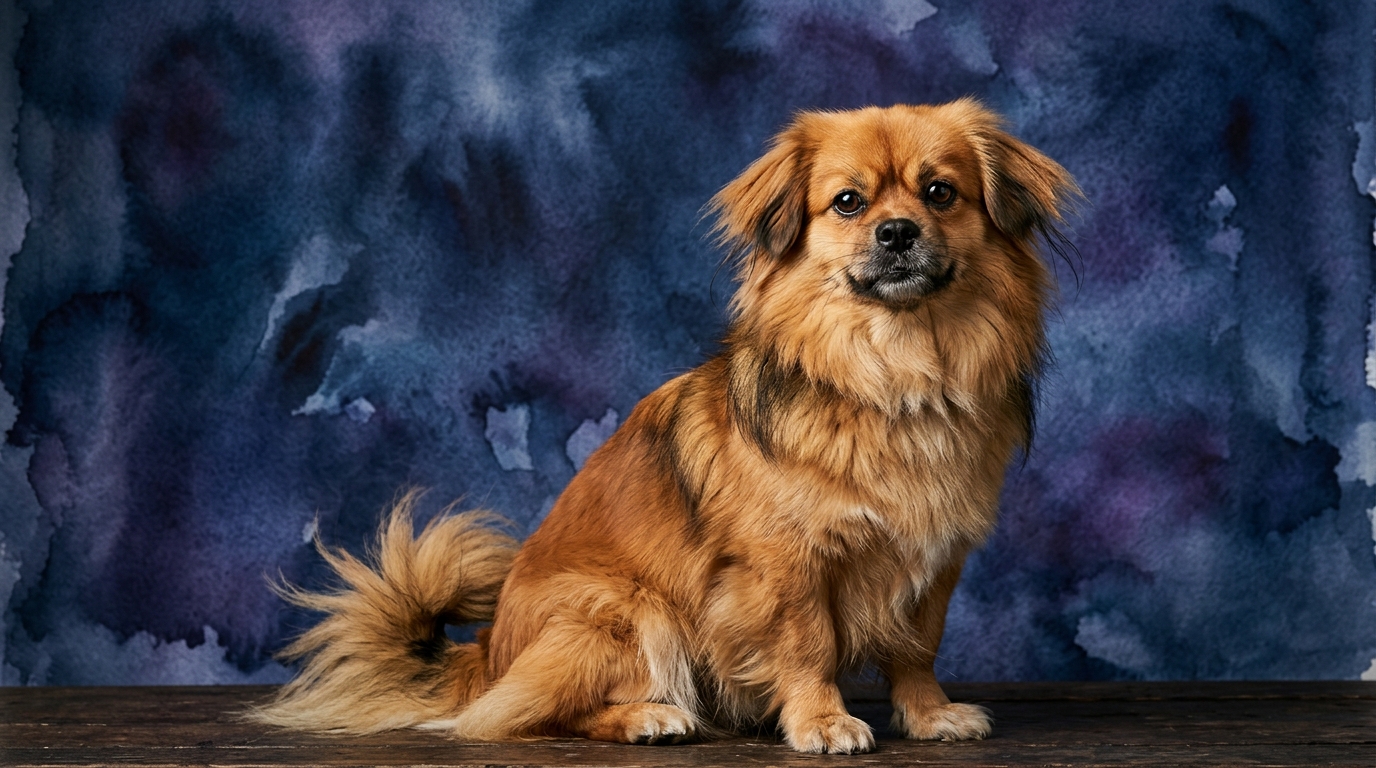
Side-by-Side IQ Profile: Interpreting Identical Scores
At first glance, the Bedlington Terrier and the Tibetan Spaniel present an intriguing cognitive paradox: both breeds register a consistent 3/5 across all five dimensions of The Cosmic Pet Pet IQ Lab assessment – problem-solving, training speed, social intelligence, instinctive drive, and memory. This identical scoring doesn't suggest a lack of individual cognitive flavor, but rather that their intellectual capacities, while robust, are applied and expressed through the lens of their unique breed histories and temperaments. Understanding this nuance is key to appreciating their distinct forms of cleverness.
For **Problem Solving (3/5)**, the Bedlington Terrier often approaches challenges with a tenacious, practical mindset, characteristic of its terrier heritage. Their solutions tend to be physical and direct, focusing on how to navigate an environment, access a hidden object (perhaps a 'prey' toy), or outsmart a barrier. This 3/5 suggests they can figure out basic puzzles or escape routes, especially when motivated by a chase or a reward, but might require more trial-and-error for abstract or multi-step challenges without consistent guidance. Their cognitive application leans towards environmental mastery.
The Tibetan Spaniel's **Problem Solving (3/5)**, in contrast, frequently revolves around social dynamics and comfort. A Tibbie might expertly figure out the best perch for observation, the most effective way to solicit attention or treats from their human, or how to subtly manipulate household routines to their benefit. Their solutions are often less about physical conquest and more about strategic interaction and optimizing their living situation. They demonstrate a capacity to learn and adapt to their domestic environment, often leveraging charm and observation.
In terms of **Training Speed (3/5)**, the Bedlington Terrier possesses a sharp mind capable of grasping commands with moderate repetition. However, their independent, sometimes stubborn terrier spirit means that consistency and engaging, game-like training methods are paramount. They learn best when training feels like a partnership in a stimulating activity, rather than a rigid set of instructions, and can be quick to disengage if bored or if their instincts are otherwise piqued. Their 3/5 reflects their capacity to learn, tempered by their strong will.
The Tibetan Spaniel also scores **3/5 for Training Speed**, often appearing eager to please their chosen people, which can make initial training seem straightforward. They are observant and pick up on cues and routines efficiently, especially with positive reinforcement. Yet, their independent 'Tibbie tilt' means that while they understand commands, they may choose *not* to comply if they don't perceive an immediate benefit or if a more interesting distraction arises. Their learning speed is solid, but their compliance is often linked to their motivation and bond with the trainer.
The Bedlington Terrier's **Social Intelligence (3/5)** often manifests as an acute awareness of pack dynamics, both with humans and other canines. They can read intentions and social cues, but their terrier nature means they might be quick to assert themselves or challenge perceived threats. This 3/5 suggests they navigate social situations effectively, understanding hierarchies and adapting their behavior, but always retaining a strong sense of self-preservation and an independent streak. They understand the rules of engagement, even if they sometimes choose to bend them.
For the Tibetan Spaniel, **Social Intelligence (3/5)** is a cornerstone of their being. As historical companions, they excel at bonding deeply and are adept at reading human emotions and moods, often offering comfort or soliciting attention at just the right moment. They thrive on companionship and skillfully navigate complex household social structures, often positioning themselves as watchful, empathetic members of the family. Their 3/5 reflects a keen ability to understand and respond to the nuances of human interaction.
The Bedlington Terrier's **Instinctive Drive (3/5)** is firmly rooted in its heritage as a working terrier. This score indicates a moderate yet significant prey drive, a keen desire to dig, and a strong sense of smell. These drives manifest as a fascination with small, scurrying creatures, an enjoyment of 'hunting' games, and a need for outlets for their natural digging tendencies. This instinctual wiring needs appropriate channeling to prevent unwanted behaviors, but it also fuels their zest for life and engagement.
The Tibetan Spaniel's **Instinctive Drive (3/5)** is less about prey and more about their historical role as companion and watchdog. They possess a strong territorial instinct, an urge to perch and observe their domain, and a deep-seated need for companionship. Their characteristic 'alert bark' is a primary manifestation of this drive, signaling perceived novelties or threats to their family. This drive ensures they remain vigilant and connected to their human companions, providing a sense of security.
Finally, for **Memory (3/5)**, the Bedlington Terrier retains learned commands, routines, and experiences reasonably well. They remember positive and negative interactions, and can recall training cues even after a break, though their independent nature might sometimes make them appear 'selective' in their recall if not sufficiently motivated. They are adept at remembering specific hunting techniques, escape routes, or pathways once learned, contributing to their adventurous spirit.
The Tibetan Spaniel’s **Memory (3/5)** is strong for people, places, and routines, which is typical for a companion breed. They easily recall where treats are stored, favorite walking routes, and the specific individuals within their human family. Their ability to remember past training and social interactions contributes significantly to their adaptability and their capacity for deep, lasting bonds within a family setting, making them reliable and consistent companions.
Where the Bedlington Terrier's Cognitive Profile Shines
Despite sharing identical numerical scores, the Bedlington Terrier's cognitive strengths distinctly align with its terrier heritage. Their 3/5 in problem-solving, coupled with their instinctive drive, means they excel at tasks demanding tenacity, independent thought, and quick, practical decision-making in dynamic environments. They are adept at navigating complex outdoor scenarios, figuring out how to bypass obstacles to reach a desired object, or engaging in scent-work challenges that require persistent investigation. This breed's cognitive prowess is particularly evident in situations where a certain 'go-getter' attitude and physical cleverness are required, making them resourceful in novel, stimulating settings.
Their memory, also a 3/5, combined with their problem-solving, allows them to efficiently recall successful strategies for specific tasks, such as how to unearth a buried toy or the most efficient path through a familiar park. This means they can quickly adapt to new physical challenges, often applying past learned experiences to novel situations with a confident, self-assured approach. Owners will observe their Bedlington's ability to 'think on their paws' when faced with an intriguing scent or a puzzle that demands a bit of terrier ingenuity.
Where the Tibetan Spaniel's Cognitive Profile Shines
The Tibetan Spaniel's cognitive strengths lie in their nuanced social understanding and emotional intelligence, aspects where their 3/5 social intelligence truly differentiates them. As a breed historically bred for companionship and vigilance, they possess a remarkable ability to read human emotions, intentions, and subtle cues. This allows them to integrate seamlessly into family life, often anticipating needs or offering comfort without explicit instruction. Their problem-solving (3/5) is frequently applied to social situations, figuring out the most effective way to gain attention, affection, or a preferred spot on the sofa, demonstrating a subtle mastery of domestic diplomacy.
Their memory (3/5) reinforces this social acumen, enabling them to recall complex social interactions, preferred human routines, and who is most likely to yield to their charming requests. This cognitive blend makes them exceptionally attuned companions, capable of forming deep, empathetic bonds. A Tibetan Spaniel's intelligence shines in its capacity for sensitive interaction, making them superb at navigating the intricate social landscape of a human household and offering a profound, intuitive companionship.
Which Is Easier to Train and Why?
Both breeds score 3/5 in training speed, yet the *experience* of training them can differ significantly due to their inherent motivations and temperaments. The Tibetan Spaniel may often appear easier for basic obedience, particularly for an owner who prioritizes a strong bond and positive reinforcement. Their desire to please their primary human, coupled with their observational nature, means they can pick up commands quickly and are generally more attentive to their handler in a quiet setting. They respond well to praise, treats, and affection, making training a rewarding, cooperative endeavor, though their independent streak means they might choose to ignore commands if a more interesting distraction presents itself.
The Bedlington Terrier, on the other hand, presents a different kind of training challenge. Their independence and strong instinctive drives mean that training must be consistently engaging, varied, and often incorporate games or 'work' that taps into their natural instincts. While capable of learning at the same speed, they are more prone to selective hearing if a compelling scent or sight captures their attention. Successful training with a Bedlington requires an owner who can make learning fun, maintain consistency, and understand that their terrier's intelligence is often geared towards independent action rather than strict compliance, necessitating patience and a creative approach to keep them invested.
Suitability for Active vs. Relaxed Owners
When considering lifestyle, the nuances of their identical IQ scores guide us toward different owner profiles. The Bedlington Terrier, despite its moderate 3/5 instinctive drive, thrives with active owners who can provide ample physical and mental engagement. Their terrier spirit means they need outlets for exploring, chasing, and digging. Owners who enjoy long, varied walks, engaging in dog sports like agility or earthdog trials, or providing puzzle toys that challenge their practical problem-solving will find a Bedlington to be a spirited and fulfilling companion. They need consistent stimulation to prevent boredom and channel their natural zest for life.
Conversely, the Tibetan Spaniel, with its 3/5 instinctive drive manifesting as vigilance and a need for companionship, is an excellent fit for more relaxed owners. While they enjoy moderate walks and indoor play, their primary contentment comes from being close to their human family, observing their surroundings from a comfortable perch, and offering affectionate companionship. They are well-suited for individuals or families who appreciate a watchful, loyal presence without demanding extensive outdoor adventures. Their social intelligence makes them adaptable to a quieter, more home-centric lifestyle, content to be a cherished part of the household fabric.
The Verdict
Opt for the Bedlington Terrier if you seek a resilient, independent companion eager for engaging activities and capable of unique, practical problem-solving. They thrive with owners who appreciate their spirited nature and provide consistent, stimulating training.
The Tibetan Spaniel is an ideal choice for those desiring a sensitive, socially astute dog that excels in domestic harmony and offers profound companionship. They fit well with owners who value subtle communication and a loyal, watchful presence.
🧠 Find Your Pet's IQ Score
Our Pet IQ Lab assessment covers 25+ tests across 5 cognitive dimensions — personalized to your breed.
Take the Full IQ Test →Frequently Asked Questions
Do Bedlington Terriers and Tibetan Spaniels have similar temperaments due to their identical IQ scores?
While their cognitive scores align, their temperaments diverge significantly due to breed history and purpose. Bedlingtons retain a spirited, independent terrier personality, whereas Tibetan Spaniels are typically more reserved, watchful, and deeply bonded companions.
How does 'problem-solving 3/5' manifest differently in these two breeds?
For the Bedlington, problem-solving often involves practical, physical challenges like finding ways to pursue prey or navigating obstacles. The Tibetan Spaniel's problem-solving is more often related to social dynamics, comfort, or subtly manipulating their environment for attention or treats.
Given their training speed is 3/5, what's the key to successful training for each?
For Bedlingtons, successful training hinges on making it engaging, consistent, and tapping into their natural drives with positive reinforcement. Tibetan Spaniels respond best to patient, positive methods that foster their desire to please their primary human, acknowledging their occasional independent streak.