Side-by-Side Cognitive Profiles
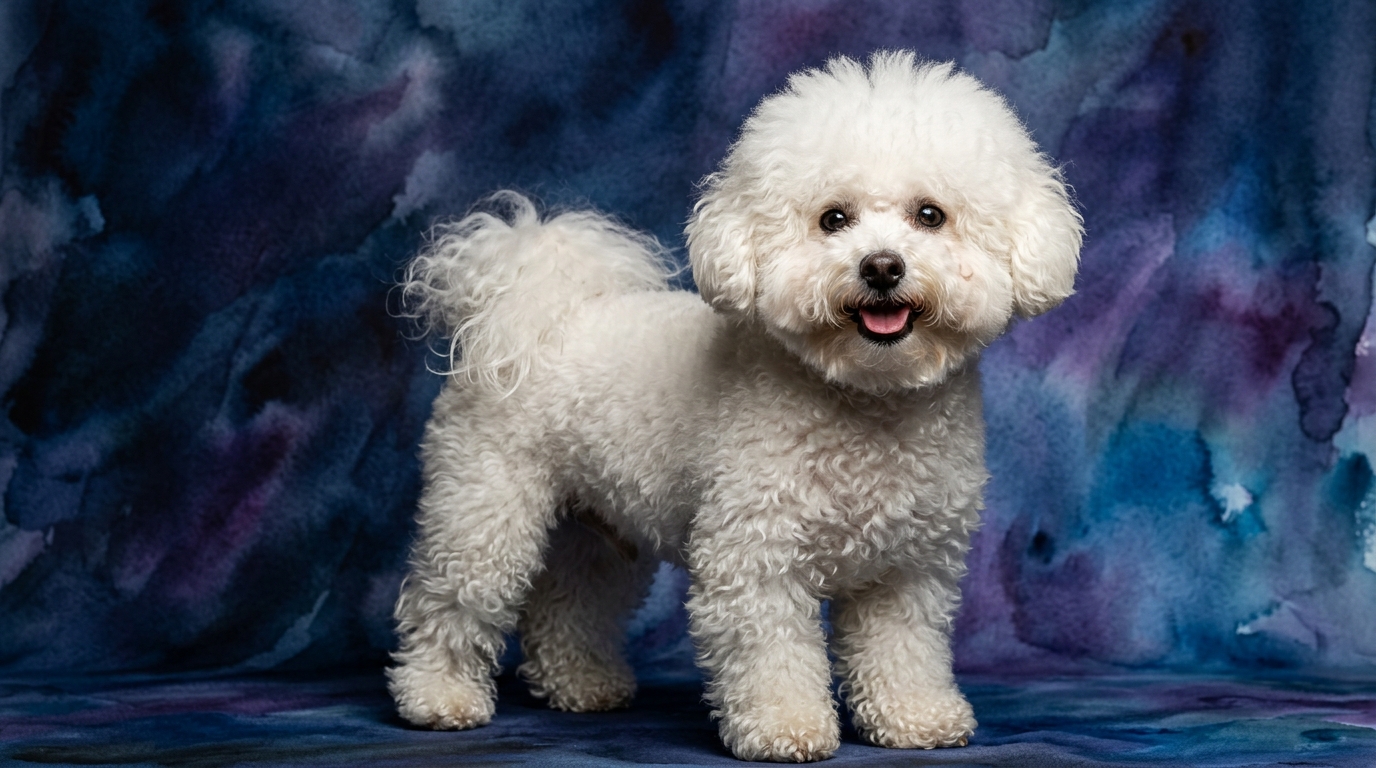
The Cosmic Pet Pet IQ Lab evaluates five key dimensions to paint a comprehensive picture of a breed's cognitive strengths. For the Bichon Frisé, ranked #45 by Coren, its profile highlights a moderate aptitude in Problem Solving (3/5), indicating they can navigate common household challenges and figure out simple puzzles, though complex tasks might require more guidance. Their Training Speed is also moderate (3/5), meaning consistent, positive reinforcement yields results, but they aren't instant learners. Where the Bichon truly shines is in Social Intelligence (5/5), demonstrating an exceptional ability to read human emotions, respond to subtle cues, and form deep, empathetic bonds. Their Instinctive Drive is notably low (2/5), making them less prone to primal urges like extensive digging or intense chasing, which often facilitates their role as a devoted indoor companion. Finally, their Memory is solid (3/5), allowing them to recall learned commands and routines effectively over time.
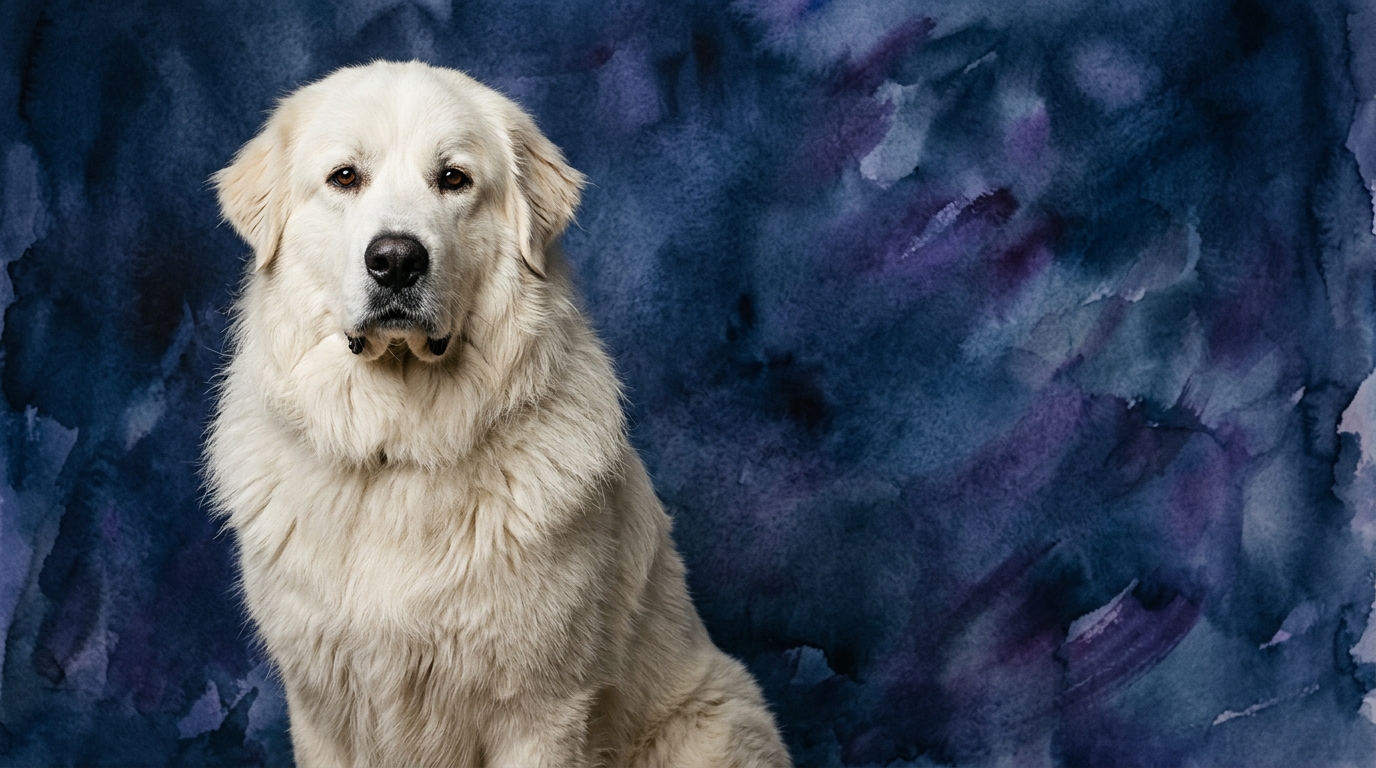
In contrast, the Great Pyrenees, Coren-ranked #64, presents a cognitive profile shaped by its ancient guardian heritage. Its Problem Solving score mirrors the Bichon's at 3/5; they are capable of assessing situations and devising solutions, particularly concerning their territory or perceived threats, but not necessarily through complex abstract reasoning. Like the Bichon, their Training Speed is moderate (3/5), though this can be influenced by their independent nature, often requiring more patience and understanding of their motivations. The Pyrenees' Social Intelligence stands at 3/5, indicating they form strong, loyal bonds with their family but can be reserved or aloof with strangers, not displaying the same effusive connection as a Bichon. Their Instinctive Drive is moderate (3/5), primarily focused on their inherent guarding instincts, which manifest as vigilance and a protective nature. Their Memory is also moderate (3/5), allowing them to remember their charges, territory boundaries, and established routines related to their protective duties.
Where the Bichon Frisé Excels Cognitively
The Bichon Frisé's cognitive peak is undoubtedly its exceptional Social Intelligence (5/5). This isn't merely about friendliness; it's a sophisticated capacity to perceive and interpret human emotions, intentions, and even subtle body language. A Bichon will often anticipate an owner's mood, offering comfort or initiating play at just the right moment, demonstrating a profound empathetic connection. This high social acumen makes them adept at thriving in human-centric environments, quickly learning the social rules of a household and adapting their behavior to maintain harmony. They are often sought after for therapy work precisely because of their innate ability to connect with people on an emotional level, providing intuitive companionship that goes beyond simple presence. Their low Instinctive Drive (2/5) further enhances this, as they are less distracted by primal urges, allowing their focus to remain squarely on their human interactions and the nuances of social dynamics within the home.
Where the Great Pyrenees Excels Cognitively
The Great Pyrenees' cognitive strengths are deeply rooted in its historical role as a livestock guardian. Their moderate Instinctive Drive (3/5) is specifically channeled into vigilance and protection, leading to an impressive ability to independently assess their environment for potential threats. This isn't just a physical trait; it's a cognitive process involving constant observation, sound discrimination, and a nuanced understanding of their territory. Their Problem Solving (3/5) manifests in their capacity to determine the best course of action to protect their charges, whether it's barking to deter an unknown presence or subtly positioning themselves between a family member and a perceived danger. This independent decision-making, often without direct human command, is a hallmark of their cognitive profile. While their Social Intelligence (3/5) may appear lower than a Bichon's, it is perfectly suited for their role, fostering a deep, unwavering loyalty to their family while maintaining a necessary degree of self-reliance and circumspection towards outsiders. Their memory supports this by retaining knowledge of safe areas and regular visitors.
Training Dynamics: Responsiveness vs. Independence
When it comes to training, both breeds share a moderate Training Speed (3/5), but their underlying motivations and behavioral tendencies create vastly different experiences. The Bichon Frisé, with its outstanding Social Intelligence (5/5), is often eager to please and highly responsive to positive reinforcement. They thrive on human interaction and approval, making them generally compliant when learning new commands. A Bichon will typically aim to understand what their person wants and adjust their behavior accordingly, often avoiding conflict. While they may not grasp new concepts instantly, their desire to engage and cooperate makes consistent training sessions productive and rewarding, as they find satisfaction in successful communication with their owners.
The Great Pyrenees, conversely, approaches training with a distinct independence. Their moderate Social Intelligence (3/5) means they form strong bonds, but their inherent Instinctive Drive (3/5) for guardianship often takes precedence. A Pyrenees may learn a command quickly, but they will likely weigh its necessity against their perceived duties, particularly if it conflicts with their protective instincts. This can be interpreted as stubbornness, but it's more accurately a reflection of their self-reliant nature; they are bred to make decisions on their own. Training a Pyrenees requires immense patience, understanding of their guardian mindset, and a willingness to work *with* their independence rather than against it. They respond best to trust-based relationships and commands that make sense within their world view, rather than rote obedience for obedience's sake.
Lifestyle Fit: Engaging Companion vs. Steadfast Guardian
Considering their cognitive profiles, the Bichon Frisé is an ideal match for owners seeking an actively engaging and emotionally responsive companion. Their high Social Intelligence makes them thrive on close companionship, mental stimulation through interactive play, and being an integral part of daily family life. They are adaptable to various living situations, from apartments to larger homes, as long as their need for human connection and moderate exercise is met. Owners who enjoy teaching tricks, participating in dog sports that foster teamwork, or simply having a devoted shadow will find the Bichon's cognitive makeup perfectly aligned with their lifestyle. Their low Instinctive Drive means less concern about chasing wildlife or territorial marking, allowing them to focus on their primary role as a beloved family member.
The Great Pyrenees, with its strong guardian instincts and independent problem-solving, is better suited for owners who appreciate a watchful, steadfast presence and often have space for them to survey their domain. They are not necessarily 'active' in the sense of needing constant vigorous exercise, but they require mental stimulation that allows them to fulfill their inherent purpose. This might involve patrolling a fenced yard, supervising children, or simply observing their surroundings from a vantage point. Owners who understand and respect their independent nature, and who can provide a secure environment where their protective instincts can be appropriately channeled, will find a deeply loyal and reassuring companion. They are less about constant effusive interaction and more about a quiet, enduring commitment to their family and territory.
The Verdict
Choose the Bichon Frisé if you seek an emotionally attuned, highly social companion who thrives on close interaction and adapts readily to a human-centric lifestyle.
Opt for the Great Pyrenees if you value an independent, loyal guardian with a strong protective instinct, suited to a home where they can fulfill their watchful role.
🧠 Find Your Pet's IQ Score
Our Pet IQ Lab assessment covers 25+ tests across 5 cognitive dimensions — personalized to your breed.
Take the Full IQ Test →Frequently Asked Questions
Do Bichon Frisés learn tricks easily?
Bichon Frisés have a moderate training speed (3/5) and a high social intelligence (5/5), making them generally receptive to learning tricks. Their desire to please and engage with their owners means they respond well to positive reinforcement and enjoy the interaction involved in training sessions.
Are Great Pyrenees difficult to train due to their independence?
Great Pyrenees have a moderate training speed (3/5) but their strong independent and guardian instincts can make training challenging. They learn, but often prioritize their perceived duties over rote obedience, requiring patient, consistent training that respects their self-reliant nature.
Which breed is better for a first-time dog owner?
The Bichon Frisé, with its high social intelligence and eagerness to please, is generally more forgiving and adaptable for first-time owners. The Great Pyrenees' independence and strong guardian instincts require an owner who understands their unique needs and is committed to consistent, patient guidance.