Side-by-Side Cognitive Profile: The Cosmic Pet Pet IQ Lab Unveils
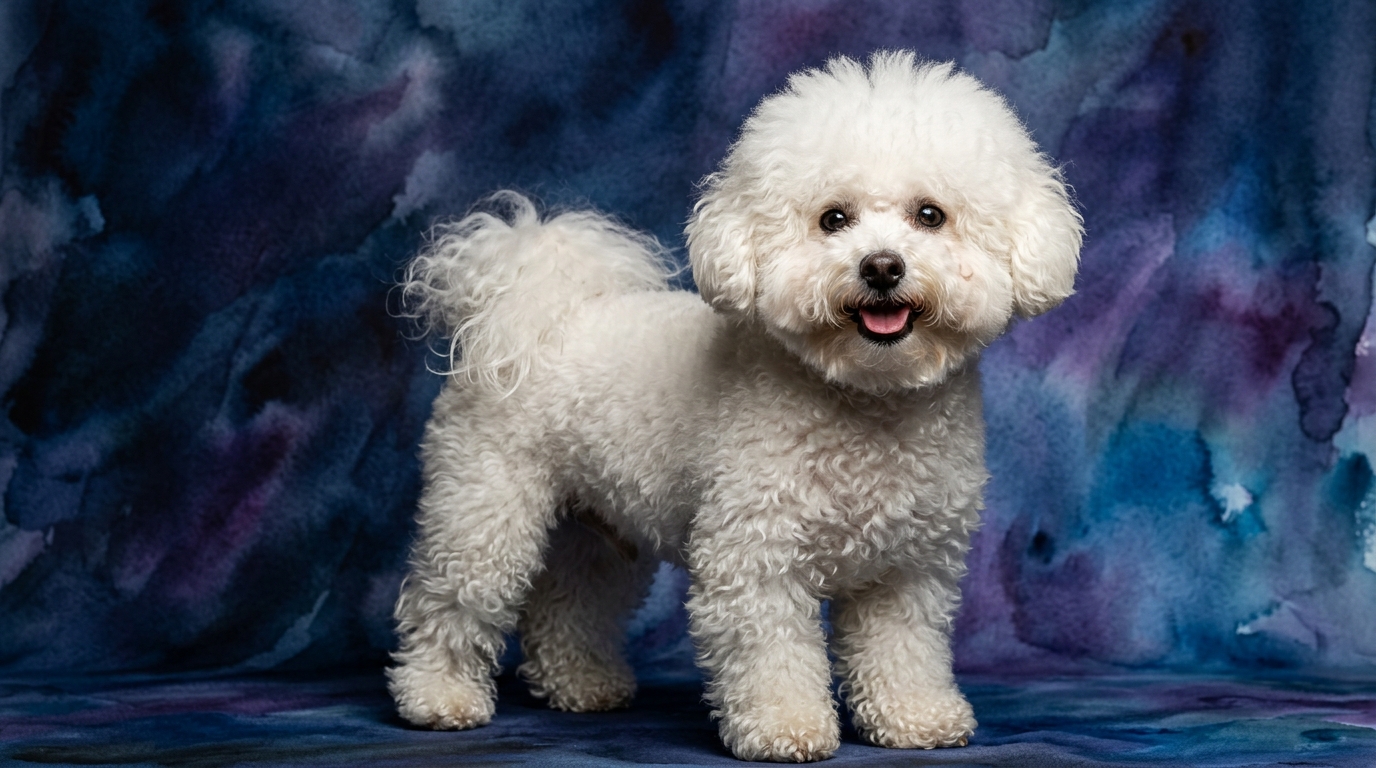
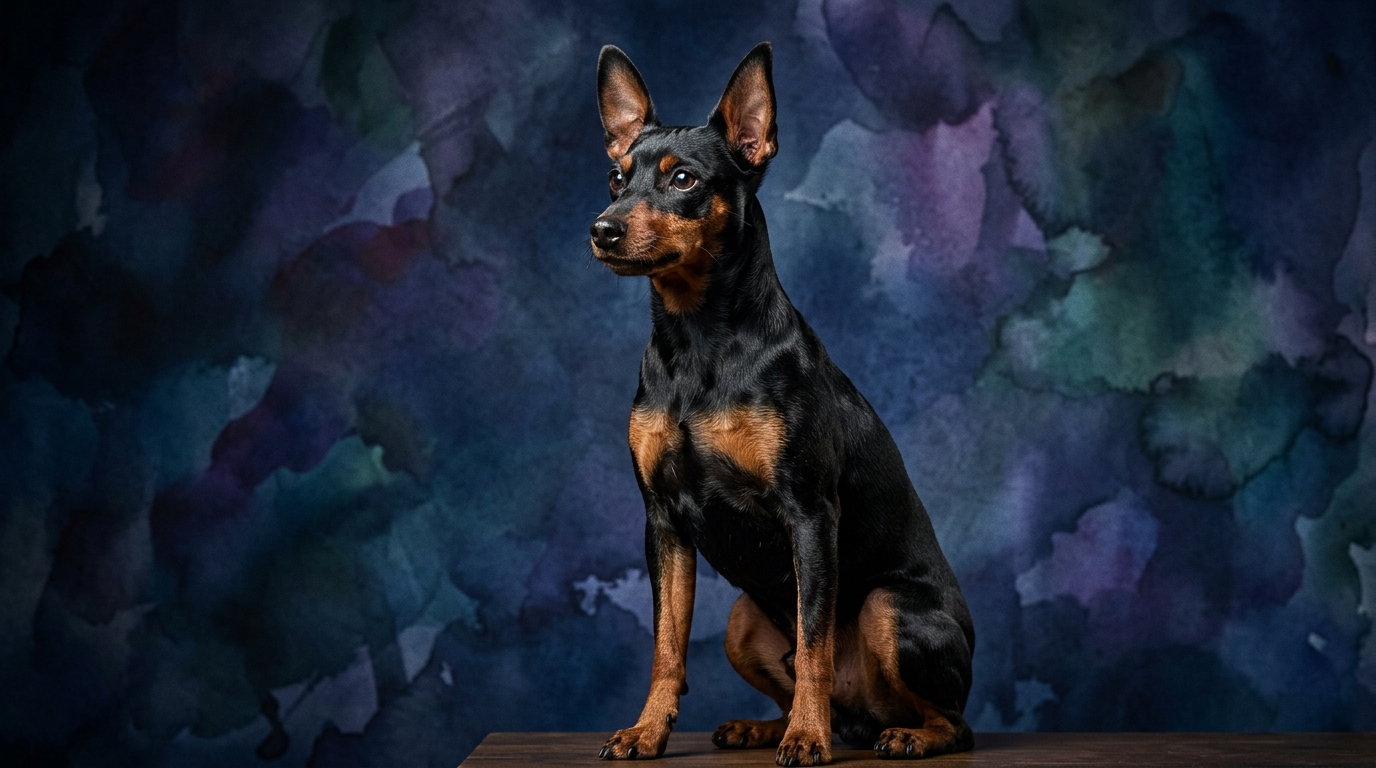
The Cosmic Pet Pet IQ Lab assesses canine intelligence across five dimensions, offering detailed insight beyond basic obedience. For the cheerful Bichon Frisé, Coren-ranked #45, and the spirited Miniature Pinscher, we observe both shared traits and distinct cognitive strengths.
The Bichon Frisé scores 3/5 in Problem Solving, demonstrating an ability to navigate simple challenges like opening treat puzzles, often motivated by comfort. Their Training Speed is also 3/5, meaning they absorb new commands effectively with consistent positive reinforcement, though patience may be needed. The Bichon truly excels in Social Intelligence, earning an exceptional 5/5; these dogs are highly attuned to human emotions and social cues, thriving on interactive engagement and often anticipating needs. Their Instinctive Drive is a modest 2/5, indicating low prey drive and minimal inclination for independent hunting or guarding, preferring to be close to their people. Their Memory is rated 3/5, allowing them to retain a good repertoire of commands and daily routines with regular practice.
The Miniature Pinscher, while not Coren-ranked, presents a unique cognitive profile. Like the Bichon, their Problem Solving capacity is 3/5, showing competence in figuring out how to access desired items, sometimes with a mischievous flair. Their Training Speed also matches at 3/5, indicating they are capable learners, but their strong-willed nature necessitates clear boundaries and high-value motivation. The Miniature Pinscher's Social Intelligence is 3/5, implying they understand social dynamics yet may be more selective in affections and wary of strangers. Their Instinctive Drive is 3/5, a moderate score reflecting their historical role as "rat pinners" and natural alertness, translating into a vigilant, sometimes vocal, demeanor. Their Memory, like the Bichon, is 3/5, enabling recall of commands and routines, though their independent streak might lead to selective "forgetfulness" if not properly motivated.
Where the Bichon Frisé Excels Cognitively
The Bichon Frisé's standout cognitive strength is their Social Intelligence, scoring a perfect 5/5. This exceptional capacity for understanding human social cues makes them incredibly intuitive companions. They adeptly read subtle shifts in tone, body language, and emotional states, often adjusting their behavior to provide comfort or elicit interaction. This high social attunement means a Bichon is more likely to learn by observing human routines and expectations, seamlessly integrating into family life as a perceptive and empathetic member. Their lower Instinctive Drive (2/5) also contributes to a cognitive advantage in a companion setting, as less mental energy is diverted to independent pursuits like chasing small animals, allowing their focus to remain predominantly on human companions.
Where the Miniature Pinscher Shows Cognitive Edge
The Miniature Pinscher's cognitive advantages stem from their more pronounced Instinctive Drive, rated 3/5. This moderate drive fosters heightened alertness and a natural inclination towards vigilance, making them effective watchdogs. Their minds are wired to perceive and react to environmental changes, applying their Problem Solving (3/5) to assessing potential "threats" or investigating novel stimuli. While their social intelligence is lower than the Bichon's, their drive encourages a more independent and resourceful approach to their surroundings. A Min Pin might exhibit greater ingenuity in navigating obstacles or escaping perceived confinement, driven by innate curiosity. This higher drive also means they often engage more with their physical environment, excelling in activities like agility where they apply problem-solving to physical challenges.
Which Breed is Easier to Train and Why
Despite both breeds scoring 3/5 in Training Speed, the Bichon Frisé often feels less challenging to train than a Miniature Pinscher, primarily due to their differing social intelligence and instinctive drives. The Bichon Frisé's exceptional Social Intelligence (5/5) means they are inherently motivated by pleasing their human and thrive on positive social interaction. They are highly responsive to praise and eager to cooperate, making them generally more compliant. Their willingness to engage and low instinctive drive (2/5) mean fewer distractions, allowing them to focus intently on training tasks.
In contrast, the Miniature Pinscher's 3/5 Social Intelligence makes them less intrinsically driven by human approval alone. Their 3/5 Instinctive Drive also results in a stronger independent streak and assertive personality, often leading them to test boundaries. While capable learners, their training requires consistent, firm leadership and strong motivation. A Min Pin might "forget" a command if a more interesting stimulus captures their attention, necessitating consistent re-engagement and reinforcement against competing internal drives. Therefore, the Bichon often presents a smoother, more cooperative training journey.
Which Suits Active Owners vs. Relaxed Owners
The cognitive and behavioral profiles of these breeds dictate their suitability for different lifestyles. The Bichon Frisé, with its high Social Intelligence (5/5) and lower Instinctive Drive (2/5), thrives with relaxed owners who prioritize companionship and interactive home play. They require mental stimulation and attention but are not typically suited for strenuous activities. Their cognitive makeup makes them content with moderate walks, puzzle toys, and extensive cuddle sessions, ideal for those who enjoy a calm, affectionate presence and provide consistent social interaction. Their adaptability means they fit into various relaxed household dynamics, as long as they are a cherished family member.
The Miniature Pinscher, however, with its moderate Instinctive Drive (3/5) and independent Problem Solving (3/5), is better suited for active owners. These spirited dogs require consistent physical exercise and mental engagement to channel their energy and satisfy their natural drive. Owners who enjoy structured training, dog sports, or regular adventurous outings will find a fulfilling partnership. Their cognitive inclination towards vigilance and exploration means they benefit from tasks that challenge their minds and bodies, preventing boredom. An active owner providing consistent boundaries and leadership will help a Min Pin apply their intelligence and drive constructively.
The Verdict
Choose a Bichon Frisé if you seek a highly socially attuned companion eager to integrate into your family's emotional landscape, offering intuitive affection and thriving on companionship with less emphasis on independent drive.
Opt for a Miniature Pinscher if you desire a spirited, vigilant companion who benefits from active engagement and structured challenges, and you are prepared to provide consistent leadership to channel their assertive drive.
🧠 Find Your Pet's IQ Score
Our Pet IQ Lab assessment covers 25+ tests across 5 cognitive dimensions — personalized to your breed.
Take the Full IQ Test →Frequently Asked Questions
Are Bichon Frisé good for first-time dog owners?
Yes, their high social intelligence and eagerness to please often make them responsive and adaptable, though consistent positive training and grooming commitment are still essential for any new dog owner.
Do Miniature Pinschers bark a lot?
Due to their moderate instinctive drive and natural vigilance, Miniature Pinschers can be prone to barking as they alert their owners to perceived changes in their environment, requiring early training to manage.
Which breed is generally better with children?
The Bichon Frisé's superior social intelligence and gentler demeanor often make them a more naturally patient and adaptable companion for children, while Miniature Pinschers can thrive with older, respectful children who understand their need for boundaries.