Side-by-Side Cognitive Profiles
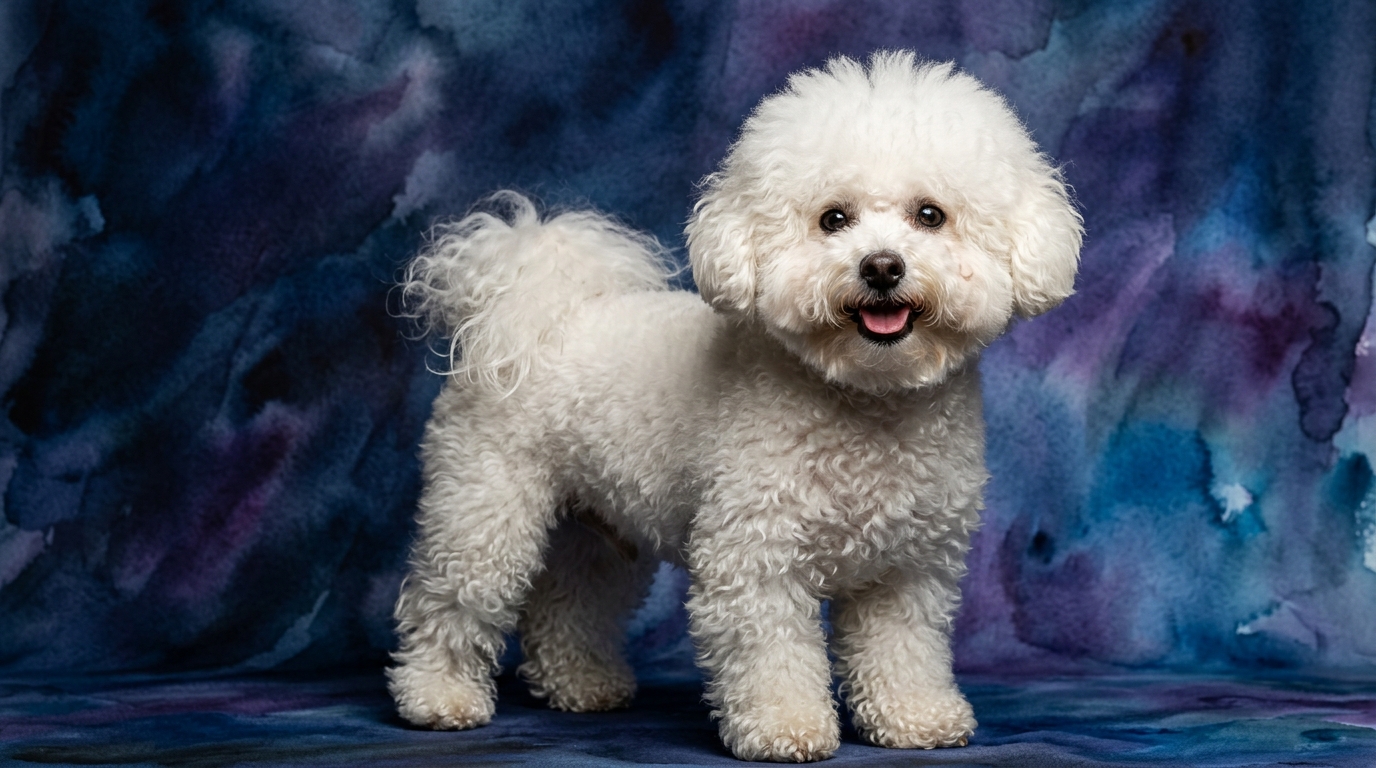
The Cosmic Pet Pet IQ Lab employs a five-dimensional framework to assess canine intelligence, providing a nuanced view beyond simple ranking. For the Bichon Frisé, ranked #45 on the Coren scale, its profile shows specific strengths and areas for development. Its problem-solving ability scores 3 out of 5, indicating a moderate capacity for independent thought and navigating novel situations, often relying on learned cues rather than intricate strategizing. Training speed, also at 3 out of 5, suggests a consistent but not lightning-fast learning curve, requiring patience and positive reinforcement to solidify commands. Where the Bichon truly shines is in social intelligence, earning a perfect 5 out of 5, signifying exceptional attunement to human emotions, social cues, and a deep desire for connection and interaction. Instinctive drive is low at 2 out of 5, meaning these dogs are less inclined towards independent hunting or guarding behaviors, preferring companionship. Memory stands at 3 out of 5, showing a fair retention of training and experiences, though perhaps not recalling complex sequences over long periods.
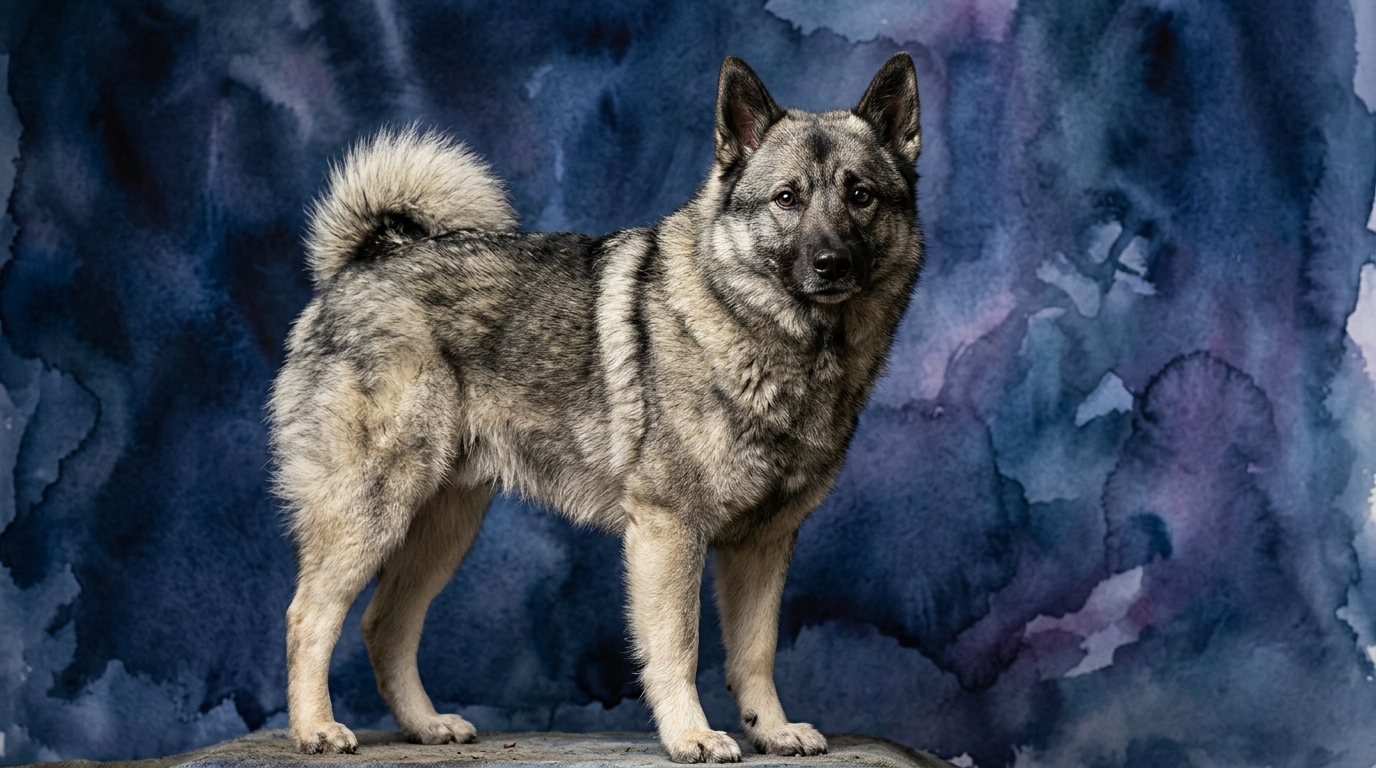
In contrast, the Norwegian Elkhound, positioned higher at #36 on the Coren scale, presents a different cognitive blueprint, reflecting its heritage as a hardy hunting companion. Its problem-solving skills rate 4 out of 5, demonstrating a more robust capacity for independent decision-making and overcoming obstacles, a trait vital for tracking game. Training speed also scores higher at 4 out of 5, suggesting a quicker grasp of new commands and routines compared to the Bichon, though consistency remains key. Social intelligence for the Elkhound is 3 out of 5, indicating a solid understanding of social dynamics but perhaps a more independent disposition than the highly people-focused Bichon. Its instinctive drive is moderate at 3 out of 5, reflecting its breed purpose with a natural inclination for scent work and pursuit, though not overwhelming. Finally, the Norwegian Elkhound's memory is a strong 4 out of 5, enabling it to retain complex information, routes, and learned behaviors over extended periods, an asset for its working roles.
Where the Bichon Frisé Excels Cognitively
The Bichon Frisé’s standout cognitive strength lies in its exceptional social intelligence, scoring a perfect 5 out of 5. This means a Bichon is incredibly adept at reading human emotions, understanding subtle social cues, and forming deep, empathetic bonds with its family members. They are masters of social engagement, often anticipating their owner's moods and responding with comforting presence or playful antics. This high social acumen translates into a dog that thrives on interaction, seeks companionship, and integrates seamlessly into family life, making them superb emotional support animals or companions for individuals who appreciate a responsive and affectionate presence. Their low instinctive drive (2/5) further enhances this, as they are less likely to be distracted by external stimuli like scents or prey, instead prioritizing human attention and interaction. For example, a Bichon will often choose to remain by its owner's side, observing and reacting to their every move, rather than independently exploring a scent trail, showcasing its social priority.
Where the Norwegian Elkhound Excels Cognitively
The Norwegian Elkhound demonstrates superior cognitive abilities in areas demanding independent thought, quick learning, and strong retention, all traits honed by its working heritage. With a problem-solving score of 4 out of 5, Elkhounds exhibit a robust capacity for navigating complex situations, such as figuring out how to open a gate or locate a hidden toy, often without direct human guidance. Their training speed, also 4 out of 5, means they can pick up new commands and routines relatively quickly, making them responsive to structured learning environments. Complementing this is their strong memory (4/5), which allows them to retain a vast repertoire of commands, remember complex routes during walks, or recall past experiences with clarity. This combination of problem-solving, rapid learning, and strong memory makes them highly capable in activities requiring sustained focus and application of learned skills, such as advanced obedience, agility, or scent work. For instance, an Elkhound is more likely to remember a sequence of commands given days apart or recall the location of a specific marker on a long trail, a testament to its cognitive enduring capacity.
Training Dynamics: Which Breed is Easier?
When considering ease of training, the Norwegian Elkhound generally presents a more straightforward path due to its higher training speed (4/5) and stronger memory (4/5). These attributes mean Elkhounds tend to grasp new commands more quickly and retain them over longer periods, making the repetition phase of training more efficient. However, their moderate instinctive drive (3/5) can occasionally present a challenge; if an enticing scent or a perceived 'prey' appears, their focus might momentarily shift from the task at hand, requiring consistent reinforcement to maintain engagement. Their problem-solving ability (4/5) also means they might independently try to figure out how to 'get around' a command if they perceive a quicker or more rewarding alternative, necessitating clear boundaries.
The Bichon Frisé, with a training speed of 3/5 and memory of 3/5, requires a bit more patience and consistency during initial training. They learn steadily, but perhaps not with the same rapid uptake as an Elkhound. However, the Bichon’s exceptional social intelligence (5/5) is a significant advantage in training. They are highly motivated by human approval and interaction, making positive reinforcement techniques incredibly effective. Their desire to please and connect with their owners can overcome their moderate learning speed. Their low instinctive drive (2/5) means they are less likely to be distracted by environmental stimuli, allowing them to remain more focused on their handler during training sessions. Therefore, while an Elkhound might learn a trick faster, a Bichon's willingness to engage and inherent desire for social cohesion can make for a more enjoyable and ultimately successful training experience for owners who prioritize bond-based learning.
Matching Breeds to Lifestyles: Active vs. Relaxed Owners
For active owners, particularly those who enjoy outdoor pursuits, structured activities, or have a desire to engage in dog sports, the Norwegian Elkhound is often the more suitable choice. Its higher problem-solving capability (4/5), robust instinctive drive (3/5), and strong memory (4/5) make it well-suited for activities like hiking, canicross, agility, or scent work. These dogs thrive when given a 'job' and appreciate mental and physical challenges that allow them to utilize their natural cognitive and physical aptitudes. An Elkhound will relish exploring new trails, tracking scents, or mastering complex agility courses, making it an excellent companion for owners who maintain a dynamic and adventurous lifestyle.
Conversely, the Bichon Frisé aligns beautifully with more relaxed owners or those seeking a highly interactive and emotionally attuned companion for a less strenuous routine. Their unparalleled social intelligence (5/5) means they are most content when deeply integrated into family life, offering constant companionship and emotional responsiveness. While they enjoy playtime and short walks, their lower instinctive drive (2/5) and moderate need for physical exertion mean they are equally happy cuddling on the couch or engaging in indoor games. They are ideal for individuals or families who prioritize affectionate interaction, consistent presence, and a dog whose primary 'job' is to be a loving, socially engaged member of the household, fitting seamlessly into urban living or a quieter home environment.
The Verdict
Choose the Bichon Frisé if your priority is a highly empathetic, socially responsive companion who thrives on close human interaction and fits a more relaxed, companionship-focused lifestyle.
Opt for the Norwegian Elkhound if you are an active individual seeking a capable, independent-minded dog for outdoor adventures and mental challenges, valuing quicker learning and robust memory.
🧠 Find Your Pet's IQ Score
Our Pet IQ Lab assessment covers 25+ tests across 5 cognitive dimensions — personalized to your breed.
Take the Full IQ Test →Frequently Asked Questions
Is a Bichon Frisé hard to train?
Bichons are not inherently difficult to train, but their training speed is moderate (3/5) compared to some breeds. Their high social intelligence (5/5) means they are highly motivated by praise and connection, making positive reinforcement very effective for consistent learning.
Do Norwegian Elkhounds need a lot of mental stimulation?
Yes, Norwegian Elkhounds benefit significantly from mental stimulation due to their strong problem-solving skills (4/5) and moderate instinctive drive (3/5). Activities like puzzle toys, obedience training, and scent work help satisfy their cognitive needs and prevent boredom.
Which breed is better with children?
The Bichon Frisé's exceptional social intelligence (5/5) often makes them very patient and adaptable companions for children, understanding social cues well. Norwegian Elkhounds can be good with children too, but their higher instinctive drive and independence mean early socialization and supervision are crucial to ensure harmonious interactions.