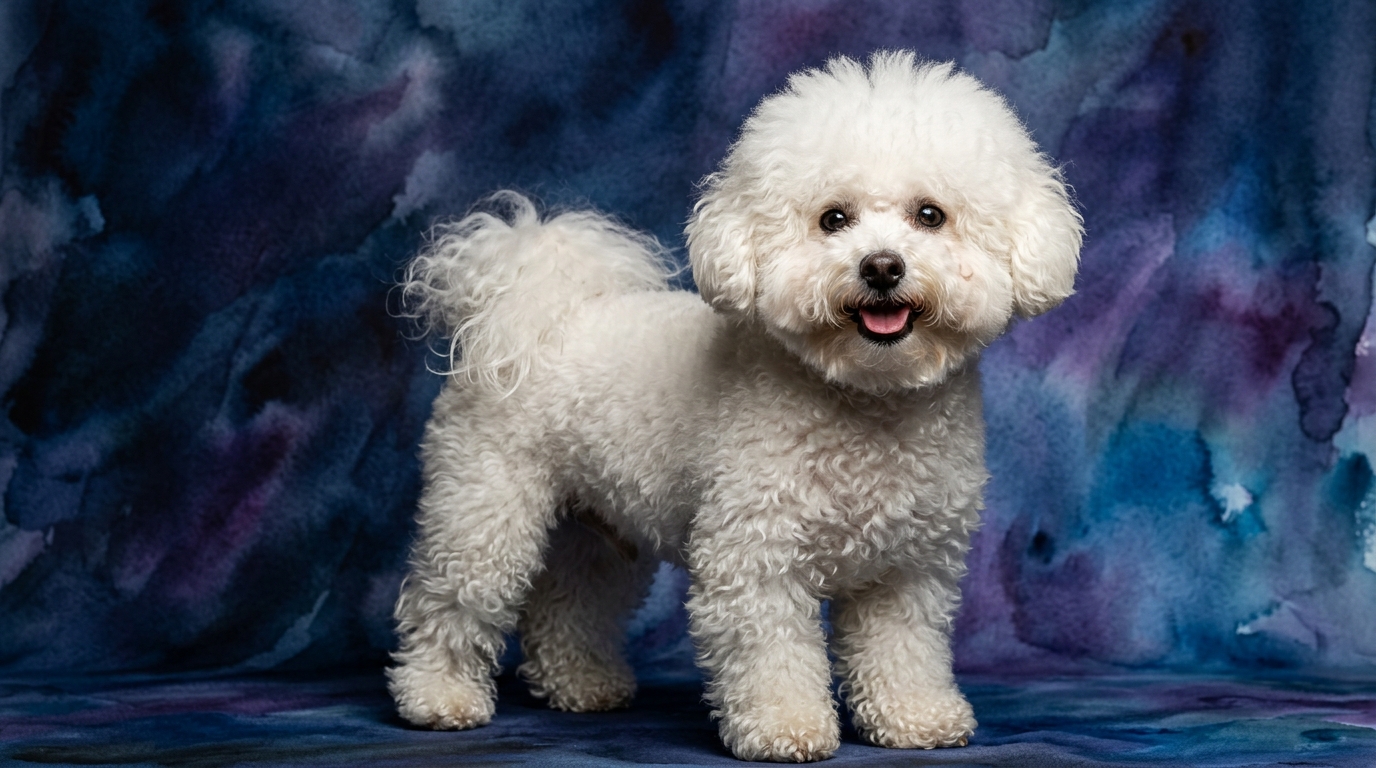
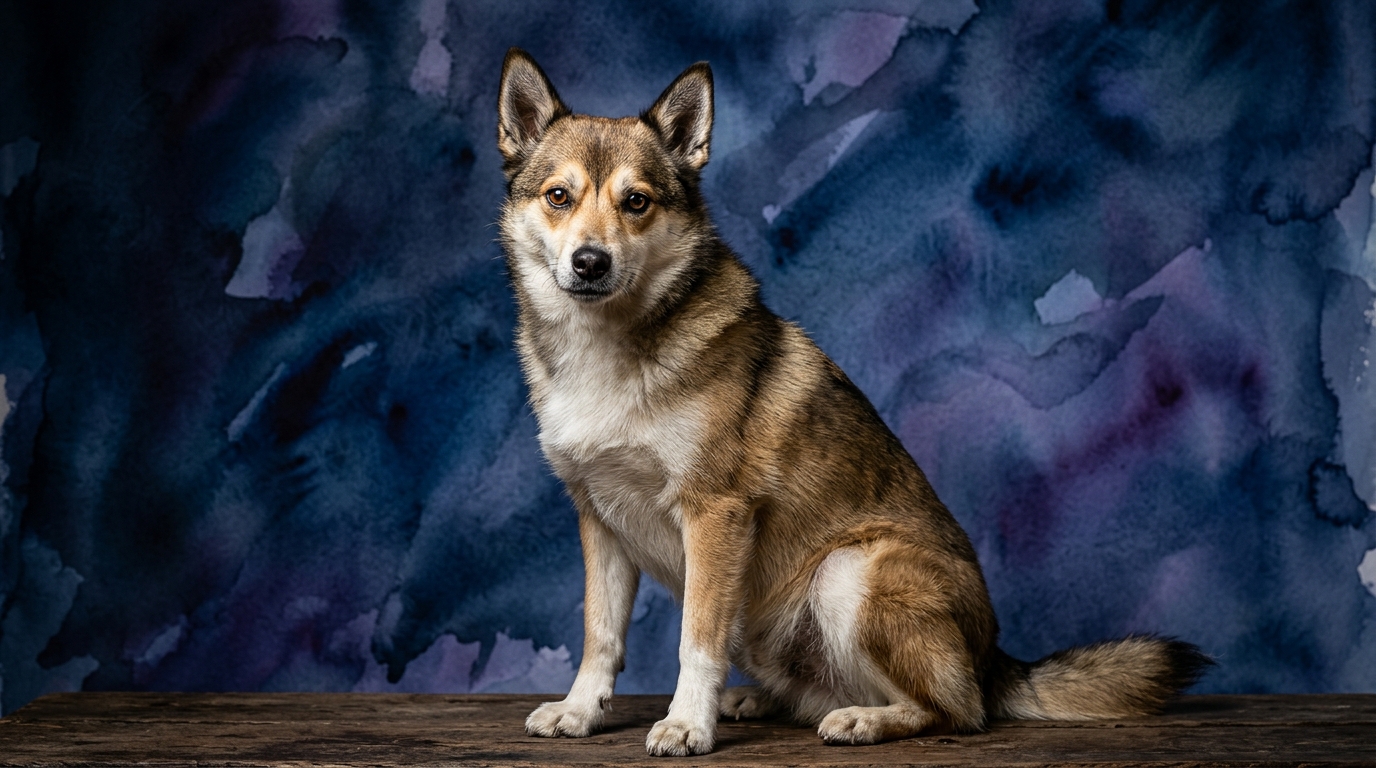
Side-by-Side Cognitive Profile: Bichon Frisé vs. Norwegian Lundehund
At The Cosmic Pet Pet IQ Lab, we analyze canine intelligence across five key dimensions to provide a nuanced understanding of each breed's cognitive strengths. Here's how the Bichon Frisé and Norwegian Lundehund stack up:
Bichon Frisé (Coren rank #45)
Problem Solving (3/5): This breed demonstrates a moderate ability to navigate novel situations, often relying on learned cues or human guidance rather than extensive independent strategizing. They can figure things out but may prefer direction.
Training Speed (3/5): Bichons learn new commands at an average pace, responding well to positive reinforcement. Consistent repetition helps solidify new behaviors efficiently, making them receptive learners.
Social Intelligence (5/5): Exhibiting exceptional aptitude, the Bichon Frisé excels at understanding human emotions and social cues, thriving on interaction and forming strong, empathetic bonds with their people.
Instinctive Drive (2/5): Possessing a lower natural inclination for tasks like hunting, herding, or guarding, Bichons generally prefer companionship over independent pursuits driven by innate urges.
Memory (3/5): They retain learned information and experiences with moderate reliability, capable of remembering routines and familiar faces, but perhaps not complex sequences over long periods without reinforcement.
Norwegian Lundehund (Not Coren-ranked)
Problem Solving (3/5): Lundehunds show a moderate capacity for independent thought in navigating environmental challenges, often applying trial-and-error but not necessarily complex, multi-step solutions.
Training Speed (3/5): This breed absorbs new information and commands at an average rate, benefiting from clear, consistent methods. Their independent streak can sometimes influence compliance, requiring engaging approaches.
Social Intelligence (3/5): Lundehunds exhibit a moderate ability to interpret social signals, capable of forming bonds but sometimes preferring a degree of independence rather than constant social engagement, perhaps showing less overt empathy than some breeds.
Instinctive Drive (3/5): Possessing a moderate drive for specific tasks, historically linked to puffin hunting, this manifests as curiosity and a desire to explore environments, particularly those with nooks and crannies.
Memory (3/5): They display an average capacity for recalling learned behaviors and environmental details, remembering routines and locations, but may require ongoing reinforcement for less frequently practiced commands.
Where the Bichon Frisé Excels Cognitively
The Bichon Frisé truly shines in the realm of social intelligence, scoring a perfect 5/5. This breed exhibits an unparalleled ability to read human emotions, often anticipating needs or moods with remarkable accuracy. Their strong desire for interaction and deep empathy means they excel in roles requiring close companionship, effortlessly integrating into family dynamics and providing emotional support. For instance, a Bichon Frisé might instinctively offer comfort when a family member is distressed, or quickly learn complex routines that involve multiple people because they are so attuned to human cues and desires for interaction. This high social acumen translates into a dog that not only understands commands but also understands *you*, making them exceptionally responsive in contexts where human-dog emotional connection is paramount. Their cognitive strength here means they often learn best through positive social reinforcement and thrive on the feedback loop of pleasing their people, making interactions deeply rewarding for both sides.
Where the Norwegian Lundehund Excels Cognitively
While both breeds share a 3/5 in problem-solving, training speed, and memory, the Norwegian Lundehund's slightly higher instinctive drive (3/5 compared to Bichon's 2/5) provides a distinct cognitive advantage in specific contexts. This drive is rooted in their historical role as puffin hunters, requiring them to independently navigate treacherous cliffs and retrieve birds from narrow crevices. This translates into a natural curiosity and a tenacious, independent approach to exploring their environment and overcoming physical obstacles. For example, a Lundehund might demonstrate greater persistence in figuring out how to open a gate or access a hidden toy, driven by an innate desire to investigate and achieve a goal rather than waiting for human direction. Their unique physical attributes, like extra toes and highly flexible joints, are paired with a cognitive inclination to use these adaptations for exploration and maneuvering, showcasing a pragmatic application of their moderate problem-solving skills in physical environments. This breed's cognitive strength lies in its self-reliance and environmental engagement, often enjoying tasks that allow them to use their senses and physical capabilities to explore and discover.
Trainability: Which Breed is Easier to Guide?
Comparing their training profiles, both breeds share a 3/5 for training speed and memory. However, the Bichon Frisé often presents as easier to train due to its superior social intelligence (5/5 vs. Lundehund's 3/5) and lower instinctive drive (2/5 vs. Lundehund's 3/5). A Bichon's profound desire to please and connect with its human companions means they are highly motivated by social praise, affection, and the joy of shared activity. Their attentiveness to human cues makes them quick to pick up on what is expected, and their low instinctive drive means they are less likely to be distracted by independent pursuits like tracking scents or exploring far off. For instance, a Bichon is more inclined to maintain eye contact and focus on its handler during a training session, whereas a Lundehund might be more prone to follow an interesting scent or investigate a sound, driven by its moderate instinctive curiosity. While Lundehunds are capable of learning, their independent nature and historical role often mean they possess a more 'what's in it for me?' attitude, requiring trainers to find highly motivating rewards and make training feel like a collaborative problem-solving game rather than a direct command-and-obey scenario. The Bichon's inherent social eagerness makes compliance a more natural outcome.
Matching Canine Cognition to Owner Lifestyles
For owners seeking a highly engaged and emotionally attuned companion for a relaxed lifestyle, the Bichon Frisé is often the more suitable choice. Their exceptional social intelligence and lower instinctive drive mean they thrive on human companionship and are content with moderate daily exercise, such as walks and indoor play, preferring to spend quality time interacting with their family. They are less likely to seek out independent adventures or require extensive mental stimulation through complex tasks, finding fulfillment in being a central part of the household's social fabric. Conversely, the Norwegian Lundehund, with its moderate instinctive drive and historical background of independent work, is better suited for active owners who appreciate a dog with a curious, tenacious spirit and a desire for environmental engagement. While not requiring extreme athleticism, Lundehunds benefit from varied activities that allow them to explore, use their problem-solving skills, and satisfy their natural curiosity, such as scent work, agility, or hiking over varied terrain. They might not be content with solely passive companionship and will likely seek out opportunities for independent investigation if not provided with structured outlets.
The Verdict
If your primary desire is a deeply empathetic, highly social companion who thrives on close human interaction and easily integrates into a family's emotional life, the Bichon Frisé is an excellent choice. They are ideal for owners who value a responsive, affectionate presence and are prepared to offer consistent companionship and positive social reinforcement.
Opt for the Norwegian Lundehund if you are an active, curious owner who appreciates a dog with an independent streak, a natural inclination for exploration, and a unique cognitive approach to its environment. They suit those who enjoy engaging in varied activities that stimulate both body and mind, and who can provide consistent, creative training methods that appeal to a dog's intrinsic motivation.
🧠 Find Your Pet's IQ Score
Our Pet IQ Lab assessment covers 25+ tests across 5 cognitive dimensions — personalized to your breed.
Take the Full IQ Test →Frequently Asked Questions
Are Bichon Frise difficult to train?
Not typically. While their training speed is average, their high social intelligence and strong desire to please make them very responsive to positive reinforcement and consistent methods, often learning quickly when motivated by human interaction and praise.
Do Norwegian Lundehunds need a lot of exercise?
They require moderate, consistent exercise that ideally includes opportunities for mental stimulation and exploration. Their historical role means they enjoy activities that engage their senses and problem-solving skills, rather than just repetitive physical exertion.
Which breed is better with children?
The Bichon Frisé's exceptional social intelligence and affectionate nature often make them a more naturally patient and empathetic companion for children, thriving on family interaction. Lundehunds can be good with respectful children but may prefer a bit more personal space and less constant physical interaction due to their independent streak.