Side-by-Side IQ Profile
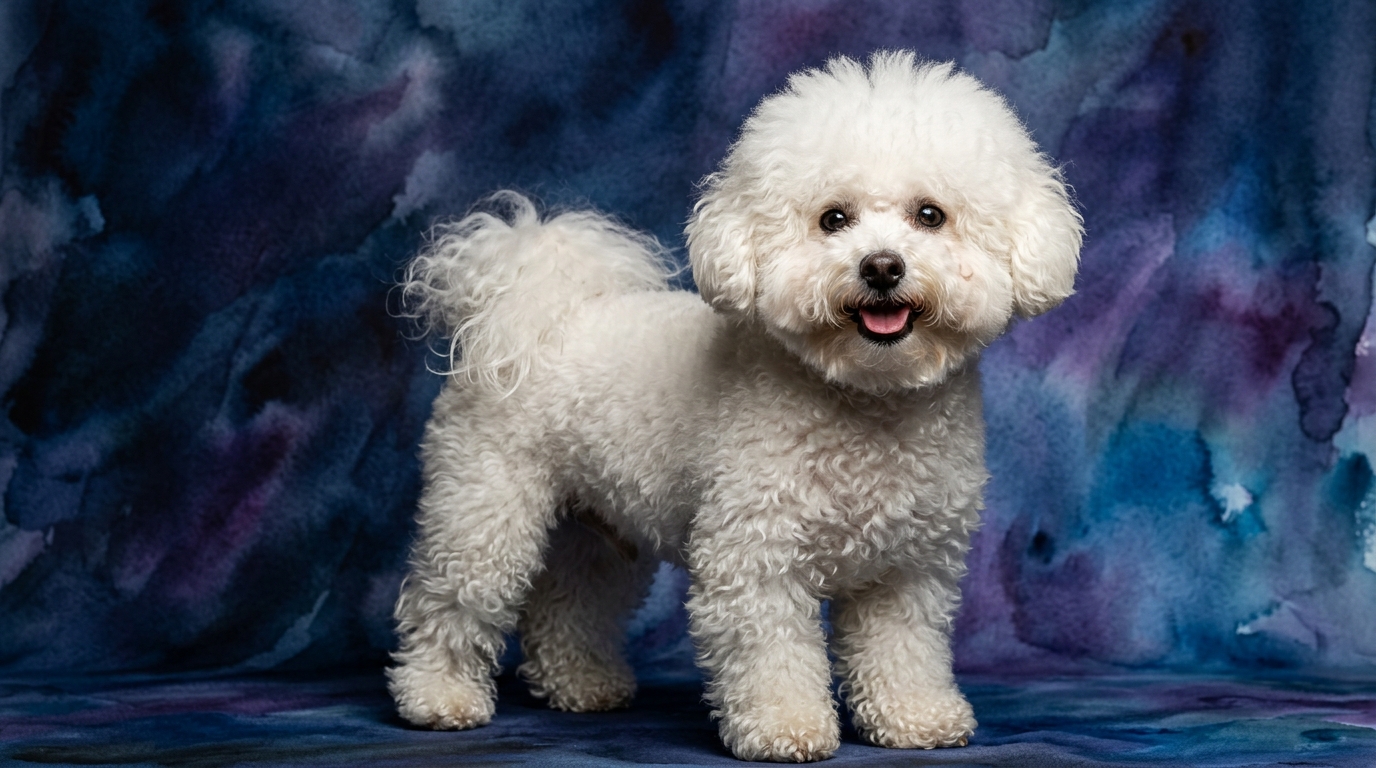
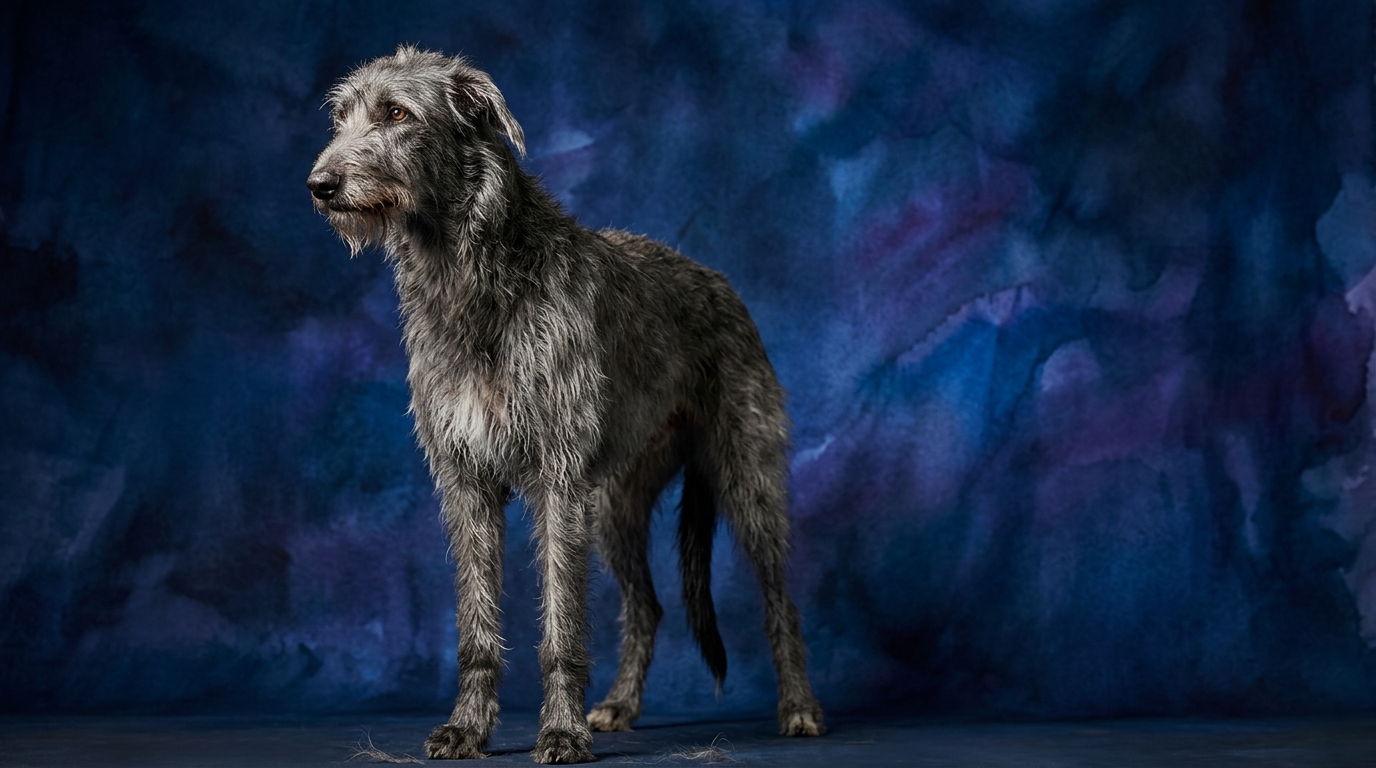
The Cosmic Pet Pet IQ Lab meticulously assesses five key cognitive dimensions, painting a detailed picture of each breed's mental makeup. For the charming Bichon Frisé, a non-sporting companion, and the noble Scottish Deerhound, a hound breed, their profiles offer intriguing insights.
**Bichon Frisé IQ Profile**
**Problem Solving (3/5):** Bichons show moderate capacity for independent problem-solving, navigating minor obstacles or learning simple puzzle toys through persistence. Their solutions are often motivated by social rewards.
**Training Speed (3/5):** This breed acquires new commands at a moderate pace. Consistency and positive reinforcement are effective, as they learn steadily rather than instantly.
**Social Intelligence (5/5):** Bichons excel here, demonstrating an exceptional ability to read human emotions, understand social cues, and adapt their behavior to various social contexts, fostering deep bonds.
**Instinctive Drive (2/5):** With low instinctive drive, Bichons typically show minimal inclination for hunting, herding, or guarding behaviors, focusing primarily on human interaction.
**Memory (3/5):** Bichons possess a moderate memory for recalling learned commands, routines, and familiar people, retaining training over time with occasional refreshers.
**Scottish Deerhound IQ Profile**
**Problem Solving (3/5):** Deerhounds also exhibit moderate problem-solving aptitude, capable of figuring out gates or retrieving items with quiet determination. Their solutions are often independent and goal-oriented.
**Training Speed (3/5):** Like the Bichon, Deerhounds learn new commands at a moderate speed. However, their sighthound independence means engaging their interest and making learning rewarding is crucial.
**Social Intelligence (3/5):** Deerhounds show moderate social intelligence. While forming deep family bonds, they are generally more reserved and less overtly expressive than the Bichon, preferring quiet companionship.
**Instinctive Drive (3/5):** This breed has a moderate instinctive drive, primarily a strong prey drive typical of sighthounds, leading to a natural inclination to chase fast-moving objects.
**Memory (3/5):** Scottish Deerhounds have a moderate memory, remembering learned behaviors, routines, and environmental layouts, adapting actions based on past outcomes.
Where Bichon Frisé Wins Cognitively
The Bichon Frisé's superior social intelligence (5/5) is a clear cognitive advantage. This allows for an exceptional capacity to understand and respond to human emotions and social cues, enabling them to seamlessly integrate into family life and anticipate needs. Their lower instinctive drive (2/5) further enhances this, as their cognitive focus remains primarily on social bonding and interaction rather than primal urges. This makes them profoundly adaptable to diverse social settings, thriving on intricate human-canine communication.
Where Scottish Deerhound Wins Cognitively
The Scottish Deerhound's cognitive strengths lie in a unique blend of independence and purpose-driven focus. While their problem-solving and training speed match the Bichon at 3/5, their application is shaped by their sighthound heritage. Their moderate instinctive drive (3/5) gives them a natural aptitude for tasks requiring sustained focus and perseverance, particularly those involving visual tracking or exploration. Their problem-solving, though rated equally, often manifests as self-directed ingenuity, where they independently assess situations and devise solutions based on internal logic rather than solely seeking human guidance.
Which is Easier to Train and Why
For the average owner, the Bichon Frisé generally offers a more straightforward training experience. This isn't due to a faster training speed (both are 3/5), but rather their exceptional social intelligence (5/5) and low instinctive drive (2/5). Bichons possess an innate desire to connect and please, making them highly receptive to positive reinforcement and eager to cooperate in training sessions as a form of social interaction. Their minimal drive means fewer distractions from environmental stimuli, allowing for a more focused learning environment.
The Scottish Deerhound, though equally capable of learning (3/5 training speed), can be more challenging due to their moderate social intelligence (3/5) and distinct instinctive drive (3/5). Deerhounds are independent thinkers; they learn, but might not always see the immediate value in performing a command purely for human satisfaction. Their sighthound heritage means attention can be powerfully drawn by movement, making consistent focus in distracting environments a greater hurdle. Training a Deerhound requires patience, creative motivation, and respect for their independent nature, often making it a collaborative effort.
Which Suits Active Owners vs Relaxed Owners
The Scottish Deerhound is distinctly suited for active owners. Their heritage as large sighthounds demands substantial physical activity, including regular opportunities for long, brisk walks or sprints in a securely fenced area to safely express their instinctive drive. They require a commitment to daily, vigorous exercise, not just short strolls. Owners who enjoy hiking, running, or have access to large, safe outdoor spaces will find a rewarding partnership with a Deerhound.
Conversely, the Bichon Frisé is an excellent match for more relaxed owners, though still requiring engagement. While they enjoy play and regular walks, their exercise needs are significantly less intense than a Deerhound's. Their primary requirement is constant social interaction and mental engagement through companionship. Owners who spend significant time at home, enjoy indoor play, short walks, and prioritize a constant, affectionate presence will find the Bichon Frisé a delightful and adaptable companion, thriving as a central part of family life.
The Verdict
Choose the Bichon Frisé if you prioritize a deeply socially intelligent companion who thrives on constant human interaction, adapts readily to various domestic settings, and offers unwavering affection with moderate exercise needs.
Choose the Scottish Deerhound if you are an active individual or family prepared to meet the significant exercise demands of a dignified sighthound, appreciate an independent yet loyal companion, and are equipped to manage their inherent prey drive with dedicated training and secure environments.
🧠 Find Your Pet's IQ Score
Our Pet IQ Lab assessment covers 25+ tests across 5 cognitive dimensions — personalized to your breed.
Take the Full IQ Test →Frequently Asked Questions
Are Bichon Frisé good with children?
Yes, Bichon Frisé are generally very good with children due to their high social intelligence and adaptable nature, enjoying play and companionship. However, as with any breed, supervision is crucial to ensure respectful interactions from both the dog and the child.
Do Scottish Deerhounds need a lot of space?
Scottish Deerhounds are large dogs and do best with ample space, ideally a securely fenced yard where they can stretch their legs. While they can adapt to smaller homes, they absolutely require daily opportunities for robust outdoor exercise.
What kind of mental stimulation do these breeds need?
Bichon Frisé thrive on social interaction, puzzle toys, and learning new tricks. Scottish Deerhounds benefit from activities that engage their sighthound instincts, like lure coursing, long walks with varied scents, and puzzle toys that challenge their independent problem-solving.