Side-by-Side IQ Profile
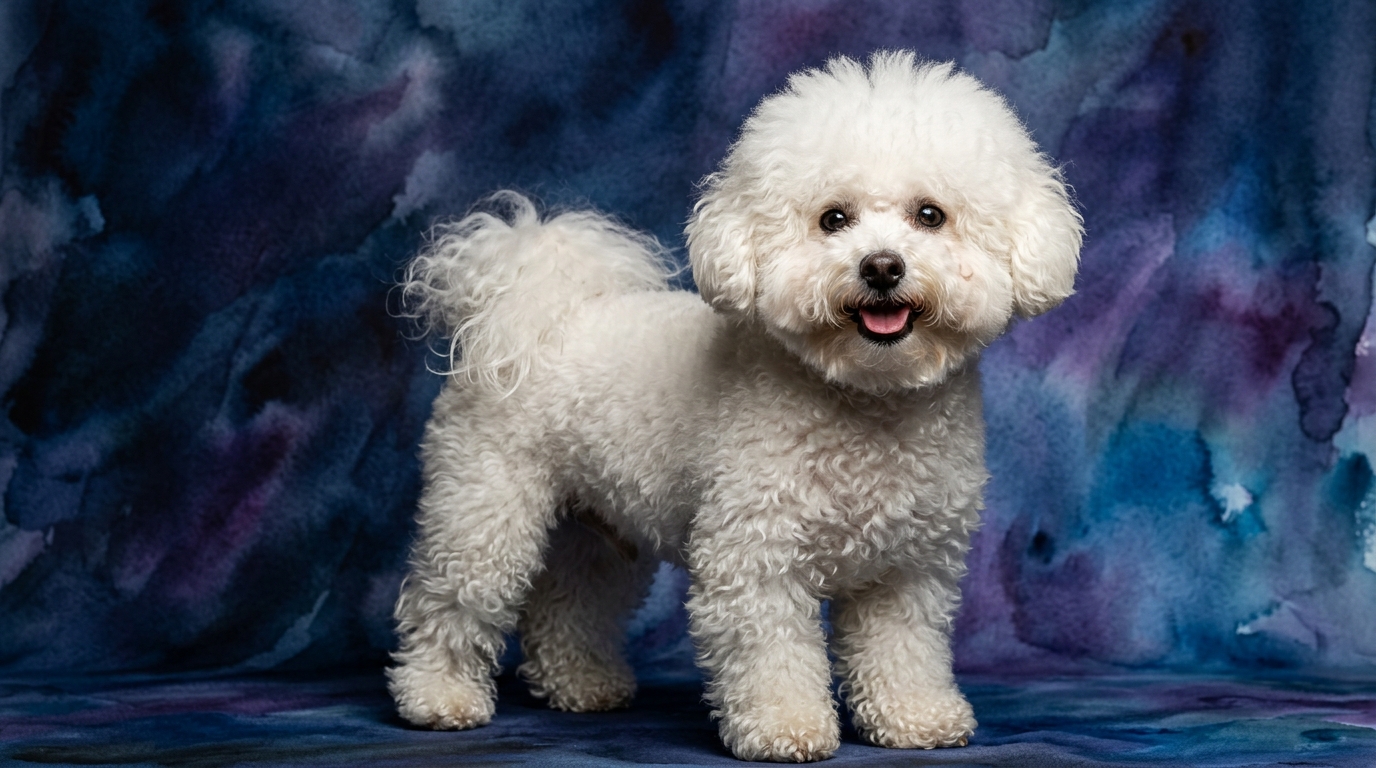
The Cosmic Pet Pet IQ Lab employs a five-dimensional framework to assess canine intelligence, offering a nuanced view beyond simplistic labels. For the Bichon Frisé, a breed cherished for its cheerful disposition, their cognitive scores paint a picture of an emotionally attuned companion. They register a 3/5 in Problem Solving, indicating an aptitude for learning routines and navigating familiar challenges. Their Training Speed also stands at 3/5, suggesting responsiveness to consistent instruction, though not always the quickest to master intricate sequences. Where the Bichon truly shines is in Social Intelligence, scoring an exceptional 5/5, reflecting a profound ability to read human cues and integrate seamlessly into family dynamics. Their Instinctive Drive is a modest 2/5, meaning they are primarily motivated by companionship rather than strong predatory or guarding urges. Finally, their Memory is rated 3/5, allowing them to retain learned behaviors and recognize familiar individuals effectively.
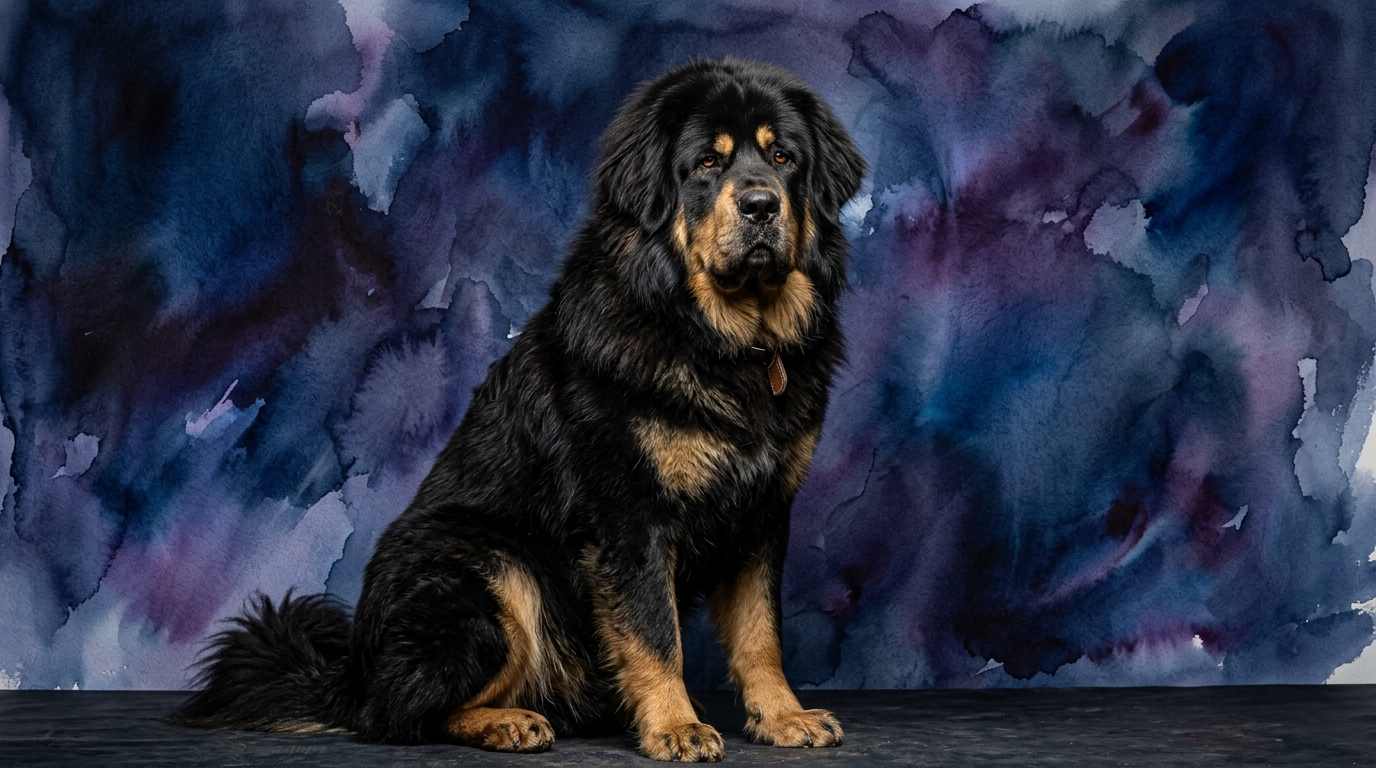
In stark contrast, the majestic Tibetan Mastiff, traditionally tasked with protecting livestock and property, presents a different cognitive blueprint. Their Problem Solving capability also scores 3/5, often manifesting in assessing environmental threats and making independent judgments rather than solving human-designed tasks. Similar to the Bichon, their Training Speed is 3/5, indicating they can learn, but often with a deliberate, evaluative approach to commands, requiring patient and understanding guidance. Their Social Intelligence is a moderate 3/5; while deeply loyal to family, they are typically reserved with strangers, prioritizing discernment over effusive interaction. A key defining trait is their Instinctive Drive, rated 3/5, highlighting inherent guardian tendencies, territorial awareness, and a strong sense of purpose in protection. Their Memory, like the Bichon, is 3/5, serving them well in remembering boundaries, perceived threats, and the composition of their trusted inner circle.
Where Bichon Frisé Wins Cognitively
The Bichon Frisé unequivocally holds the cognitive advantage in Social Intelligence, achieving a perfect 5/5 compared to the Tibetan Mastiff's 3/5. This isn't merely about being friendly; it reflects a sophisticated capacity for emotional attunement and seamless integration into human social structures. A Bichon possesses an innate ability to decipher subtle human expressions, vocal tones, and body language, allowing them to anticipate needs and respond with comforting presence or playful antics. Their cognitive architecture appears finely tuned for reciprocal interaction, making them exceptional at fostering deep, communicative bonds within a family unit. This superior social processing enables them to adapt effortlessly to various domestic environments, always seeking to harmonize with their human companions, with joy stemming directly from positive social interactions.
Where Tibetan Mastiff Wins Cognitively
Conversely, the Tibetan Mastiff’s cognitive strengths are most pronounced in areas related to their inherent purpose: guardianship and independent decision-making, particularly highlighted by their higher Instinctive Drive (3/5 vs. Bichon's 2/5). While their Problem Solving score is shared, the nature of that problem-solving differs significantly. A Mastiff excels at assessing environmental threats, understanding territorial boundaries, and making autonomous judgments about perceived dangers without constant human direction. Their cognitive processes are geared towards vigilance and protection, involving complex evaluations of unfamiliar sounds, scents, and movements. This isn't about solving a puzzle for a treat; it’s about an intrinsic drive to maintain security, requiring a deep understanding of their surroundings and the ability to act decisively.
Which is Easier to Train and Why
Despite both breeds scoring 3/5 in Training Speed, the practical experience of training a Bichon Frisé versus a Tibetan Mastiff presents distinct challenges and rewards. The Bichon Frisé is generally perceived as easier to train due to their exceptional Social Intelligence and lower Instinctive Drive. Their primary motivation often stems from a desire to please their human companions and receive positive social reinforcement, making them highly receptive to reward-based methods. They are less prone to questioning commands and more inclined to cooperate, viewing training as an engaging interaction that strengthens their bond. For instance, a Bichon will eagerly learn a new trick for a cheerful "good dog!" and a cuddle, driven by social reward.
The Tibetan Mastiff, while capable of learning commands, often requires a different approach. Their strong Instinctive Drive (3/5) towards independence and protection means they frequently evaluate commands through the lens of their own perceived purpose. They are not inherently driven to please in the same way a Bichon might be; rather, they respect consistent, fair leadership and clear boundaries. A Mastiff might learn a 'stay' command but choose to break it if they perceive a threat to their territory or family, demonstrating independent judgment. Training a Mastiff demands immense patience, unwavering consistency, and an understanding of their guardian mentality, focusing on building a relationship based on mutual respect rather than sheer compliance.
Which Suits Active Owners vs. Relaxed Owners
When considering lifestyle compatibility, the cognitive and behavioral profiles of these two breeds diverge significantly. The Bichon Frisé is an ideal match for relaxed owners or those seeking a companion for a less intensely active lifestyle. Their modest Instinctive Drive and high Social Intelligence mean they thrive on consistent human presence, gentle play, and moderate daily exercise like short walks or indoor games. They adapt splendidly to apartment living, prioritizing companionship and mental engagement through interaction over extensive physical exertion. Owners who cherish close emotional bonds and appreciate a dog that integrates seamlessly into daily home routines will find the Bichon a delightful fit, requiring primarily social and emotional 'activity.'
The Tibetan Mastiff, conversely, suits 'active' owners in a very specific sense – not necessarily those seeking a jogging partner, but owners who are actively engaged in managing a powerful, independently-minded guardian breed. Their moderate Instinctive Drive and territorial nature necessitate significant commitment to providing a secure, spacious environment and consistent, experienced leadership. Owners must be proactive in their training and socialization, understanding that managing a Mastiff involves constant vigilance and boundary reinforcement to channel their protective instincts appropriately. This breed requires an owner who is mentally active and prepared for the unique responsibilities of living with a formidable guardian, ensuring their cognitive and instinctive needs are met through structured routines and a deep understanding of their temperament.
The Verdict
Choose the Bichon Frisé for owners seeking a highly social, adaptable, and affectionate companion who thrives on close human interaction and integrates well into diverse domestic settings. They excel in environments where their social intelligence can truly shine, offering delightful companionship without demanding extensive physical or behavioral management.
Choose the Tibetan Mastiff for experienced owners who understand and can manage a formidable guardian breed, valuing independence, loyalty, and a strong protective instinct for their property and family. They require dedicated leadership, ample space, and a commitment to their specific needs, making them suitable for those prepared for a unique and powerful canine relationship.
🧠 Find Your Pet's IQ Score
Our Pet IQ Lab assessment covers 25+ tests across 5 cognitive dimensions — personalized to your breed.
Take the Full IQ Test →Frequently Asked Questions
Are Bichon Frisé difficult to train?
Bichon Frisé possess a moderate training speed (3/5) and a high social intelligence (5/5), making them generally responsive and eager to please. Their challenge often lies in consistency and channeling their playful nature, rather than an inability to learn commands.
Do Tibetan Mastiffs require a lot of exercise?
While large, Tibetan Mastiffs have moderate energy levels and don't typically require high-intensity exercise like some working breeds. They do need consistent, moderate activity and ample secure space to patrol, alongside significant mental stimulation and structured training to manage their protective instincts.
How do their social intelligence scores impact their suitability as family pets?
The Bichon Frisé's superior social intelligence (5/5) means they typically integrate seamlessly into family life, eagerly interacting with all members and adapting to various social situations. The Tibetan Mastiff's moderate social intelligence (3/5) means they form deep bonds with their immediate family but are often reserved or aloof with strangers, requiring careful socialization and supervision in new social contexts.