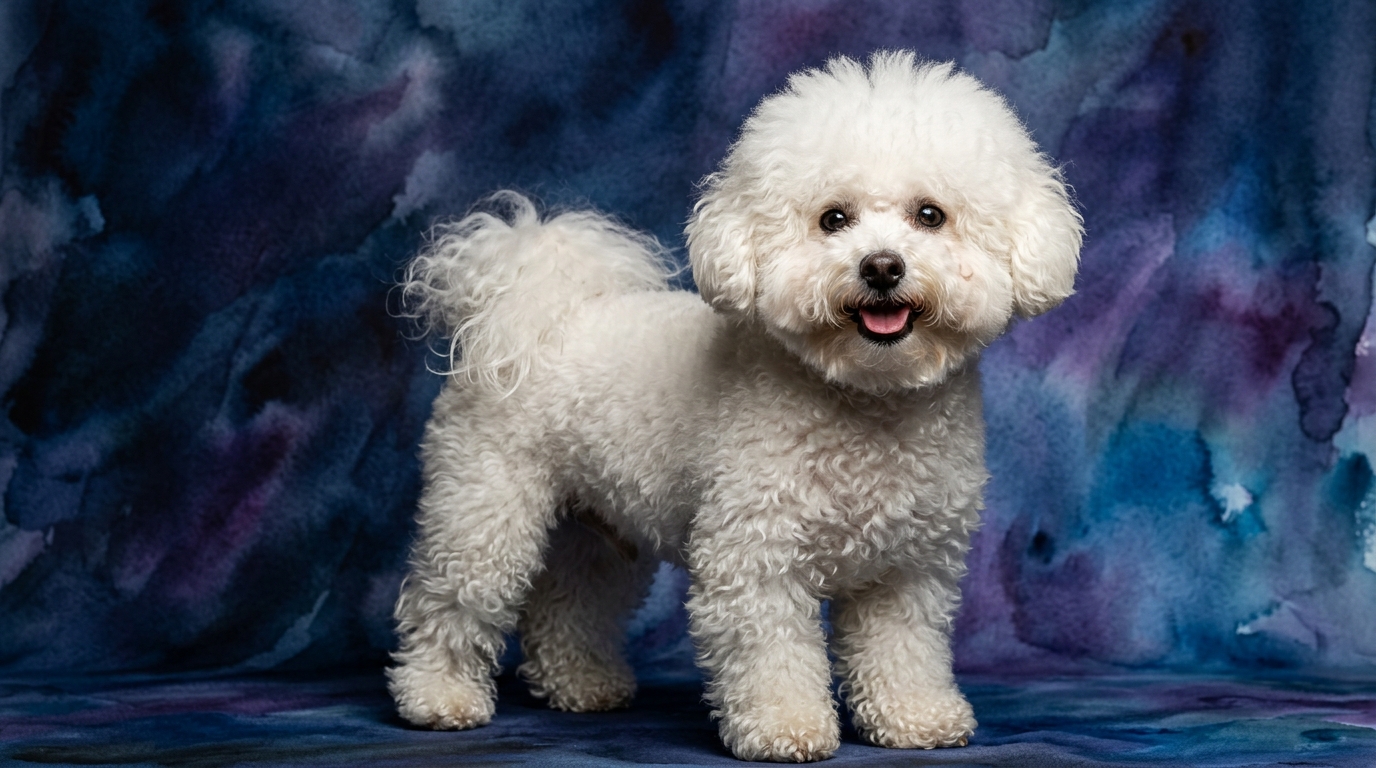
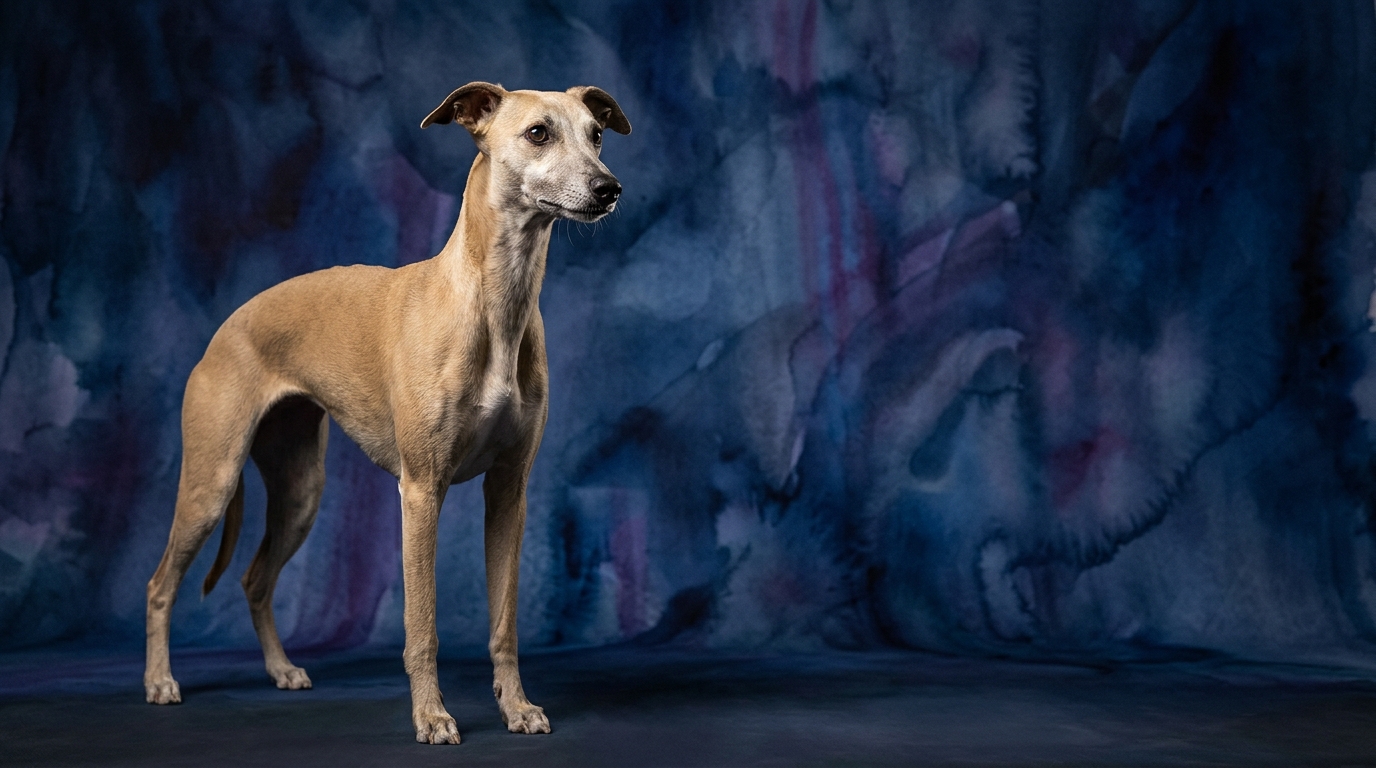
The Cosmic Pet IQ Lab: Bichon Frisé vs. Whippet Cognitive Profiles
At The Cosmic Pet Pet IQ Lab, we delve beyond simplistic notions of 'smartness' to explore the multifaceted dimensions of canine cognition. Our framework evaluates five key areas, providing a granular view of each breed's mental aptitude. This detailed analysis helps prospective owners understand what to expect from their companions.
The Bichon Frisé holds a Coren rank of #45, placing them in the 'average working/obedience intelligence' category, suggesting they understand new commands with 25 to 40 repetitions and obey on the first command 50% of the time or better. The Whippet, with a Coren rank of #51, is positioned slightly lower, implying they may require 40 to 80 repetitions and obey the first command 30% of the time or better. These ranks offer a baseline for their working and obedience capabilities, but our IQ dimensions paint a richer picture.
Both breeds register a 'Problem Solving' score of 3/5. This indicates a moderate aptitude for navigating novel situations or figuring out puzzles. They possess a reasonable capacity to learn routines and solve practical, everyday problems, but neither breed is typically recognized for exceptional strategic thinking or complex cognitive manipulation.
In 'Training Speed,' the Bichon Frisé scores 3/5, suggesting a moderate pace for learning new commands. Their eagerness to engage and please their human companions often contributes to their receptiveness during training sessions. The Whippet, however, scores 2/5, indicating they may take a bit longer to grasp new commands, which can often be attributed to their independent nature and strong inherent drives.
A significant divergence appears in 'Social Intelligence.' The Bichon Frisé excels with a perfect 5/5, demonstrating an exceptional ability to understand human cues, intentions, and emotional states. This makes them highly attuned companions, often appearing to anticipate their owners' needs. The Whippet, while still socially aware, scores 4/5, indicating a strong social connection but with a slightly more independent or self-contained approach to interactions.
The most striking contrast is in 'Instinctive Drive.' The Bichon Frisé scores a low 2/5, meaning they possess a minimal drive for innate behaviors like hunting, herding, or guarding. This low drive contributes to their adaptability as house pets, making them less prone to certain instinct-driven behaviors. Conversely, the Whippet registers a maximum 5/5, a testament to their heritage as sighthounds with an incredibly powerful chase drive. This intense instinct is central to their being, influencing many aspects of their behavior.
Finally, both breeds share a 'Memory' score of 3/5. This suggests a solid, average capacity for retaining learned information and experiences. They will remember routines, commands, and past interactions reliably, but perhaps not with the exceptional, long-term recall seen in breeds scoring higher in this dimension, meaning consistent practice is always beneficial.
Where the Bichon Frisé Shines Cognitively
The Bichon Frisé's cognitive peak is undoubtedly their social intelligence, rated at a remarkable 5/5. This profound ability to interpret human emotions and social dynamics makes them extraordinarily empathetic and responsive companions. They often seem to possess an innate understanding of household routines and the subtle moods of their human family members, making them exceptional emotional support animals and deeply integrated family pets. This high social acumen allows them to form strong, reciprocal bonds, translating into a dog that is deeply attuned to its environment and its people.
Coupled with their moderate training speed of 3/5, their elevated social intelligence means Bichons are often highly receptive to cooperative learning. They thrive on positive reinforcement and the social reward of pleasing their people. Their eagerness to connect and engage makes them amenable to consistent, gentle guidance, and they often pick up new tricks and house rules readily when training leverages their desire for interaction and approval.
Where the Whippet Demonstrates Unique Strengths
The Whippet's defining cognitive attribute is their pronounced instinctive drive, scoring a maximum 5/5. This isn't merely about physical speed; it's a deeply ingrained mental focus and determination when pursuing a perceived 'prey,' whether it's a lure on a track, a squirrel in the park, or a fast-moving toy. This drive is a direct reflection of their specialized sighthound heritage, where quick decision-making and precise action were paramount for survival and hunting success. Their entire cognitive framework is geared towards detecting and reacting to movement with incredible efficiency.
While their problem-solving score of 3/5 mirrors the Bichon, the Whippet often applies this aptitude in contexts directly related to their powerful drive. They might strategically navigate obstacles during a chase or calculate the quickest trajectory across an open field. Their physical prowess and the cognitive processes that fuel it are intrinsically linked, demonstrating a specialized form of intelligence geared towards their historical purpose and natural inclinations. This drive, while requiring careful management in a domestic setting, is a testament to their unique evolutionary path.
Navigating Training: A Tale of Two Temperaments
The training experience for a Bichon Frisé versus a Whippet presents distinct challenges and rewards, largely influenced by their core cognitive profiles. The Bichon Frisé, with its training speed of 3/5 and exceptional social intelligence of 5/5, generally offers a more straightforward training journey. They are naturally inclined to observe their human trainers, respond enthusiastically to praise and rewards, and thrive on the interactive component of learning. Their lower instinctive drive of 2/5 means fewer internal distractions from strong prey drives or independent urges, allowing them to focus more readily on the task at hand and their human's directives.
The Whippet, scoring 2/5 in training speed, typically requires more patience and consistency from their owner. Their formidable instinctive drive (5/5) means that environmental distractions, especially those involving movement, can easily overshadow learned commands. Training often needs to be highly dynamic and engaging to compete with their natural chase instincts. For instance, a Whippet might learn a 'stay' command indoors with relative ease, but the same command outdoors could be instantly forgotten if a rabbit darts across their field of vision.
Real behavioral differences highlight this contrast. A Bichon might be motivated to learn a new trick primarily for the joy of interaction and a small treat, reinforcing their social bond. A Whippet, however, might weigh the immediate gratification of following their nose or chasing a perceived target against the delayed reward of compliance. Effective Whippet training often involves tapping into their prey drive in controlled environments, such as lure coursing, to satisfy their instincts while reinforcing desired behaviors in other contexts. Their independent hound nature means they often make their own decisions if a compelling alternative to obedience presents itself.
Matching Cognitive Profiles to Lifestyles: Active vs. Relaxed Owners
The Bichon Frisé, characterized by their peak social intelligence (5/5) and low instinctive drive (2/5), is an exceptional match for owners who desire a devoted, relaxed, and highly interactive indoor companion. They flourish when deeply integrated into daily family life, enjoying gentle play, cuddles, and consistent human presence. Their moderate problem-solving and training speed ensure they adapt well to household routines and enjoy mentally stimulating games within the home, without demanding extensive outdoor challenges or independent physical pursuits. For those seeking a constant, empathetic shadow, the Bichon's cognitive make-up is ideal.
In contrast, the Whippet, with their pronounced instinctive drive (5/5) and slightly more independent social intelligence (4/5), aligns beautifully with active owners who appreciate and can accommodate their athletic capabilities. While they relish comfort and companionship indoors, often described as '45 mph couch potatoes,' they absolutely require regular opportunities to express their natural inclination for bursts of speed and chasing in secure, fenced environments. Owners who enjoy activities such as lure coursing, agility, or long, brisk walks will find a deeply rewarding and engaging partnership with a Whippet. They are a breed that needs to 'run the zoomies out' to be truly content.
It's important to recognize that these are general leanings based on their cognitive profiles. A Bichon can certainly enjoy a more active lifestyle, and a Whippet can be perfectly content relaxing on the couch for hours. However, their inherent mental drives dictate their general preferences and what they need to feel fulfilled. A Bichon will thrive on constant human interaction and moderate exercise, whereas a Whippet will need outlets for their deeply ingrained physical and mental drives to truly flourish and prevent boredom-related behaviors or frustration from unfulfilled instincts.
The Verdict
Choose the Bichon Frisé if you prioritize a highly attuned, socially perceptive companion eager to participate in family life and receptive to gentle, cooperative training methods.
Opt for the Whippet if you appreciate a graceful, independent spirit with a powerful instinctive drive, suitable for active pursuits and an owner who understands and can safely channel their sighthound nature.
🧠 Find Your Pet's IQ Score
Our Pet IQ Lab assessment covers 25+ tests across 5 cognitive dimensions — personalized to your breed.
Take the Full IQ Test →Frequently Asked Questions
Do Bichon Frisés or Whippets adapt better to apartment living?
The Bichon Frisé, with its lower instinctive drive and strong social intelligence, generally adapts very well to apartment living, provided they receive consistent human interaction and moderate daily exercise. Whippets can also thrive in apartments, but require owners committed to providing regular, safe opportunities for them to run and express their high instinctive drive.
Which breed is more prone to separation anxiety based on their IQ profile?
The Bichon Frisé's exceptionally high social intelligence (5/5) makes them deeply bonded to their human companions, which can predispose them to separation anxiety if not properly managed with training and gradual independence building. Whippets, while social, have a slightly more independent social intelligence (4/5) and may be less prone to severe separation distress, though any dog can develop it.
How do their memory scores of 3/5 impact training or daily life?
A memory score of 3/5 for both breeds suggests they have a solid capacity to remember routines, commands, and past experiences, meaning training efforts will stick with consistency. However, they might not recall complex sequences or infrequently practiced commands with the same precision as breeds with higher memory scores, making regular refreshers beneficial to maintain proficiency.