Side-by-Side IQ Profile: Doberman Pinscher vs. Alaskan Malamute
The Cosmic Pet Pet IQ Lab employs a five-dimensional framework to assess canine intelligence, moving beyond simplistic notions to explore the nuances of a breed's cognitive strengths. This allows us to understand not just what a dog can learn, but how they learn, interact, and adapt.
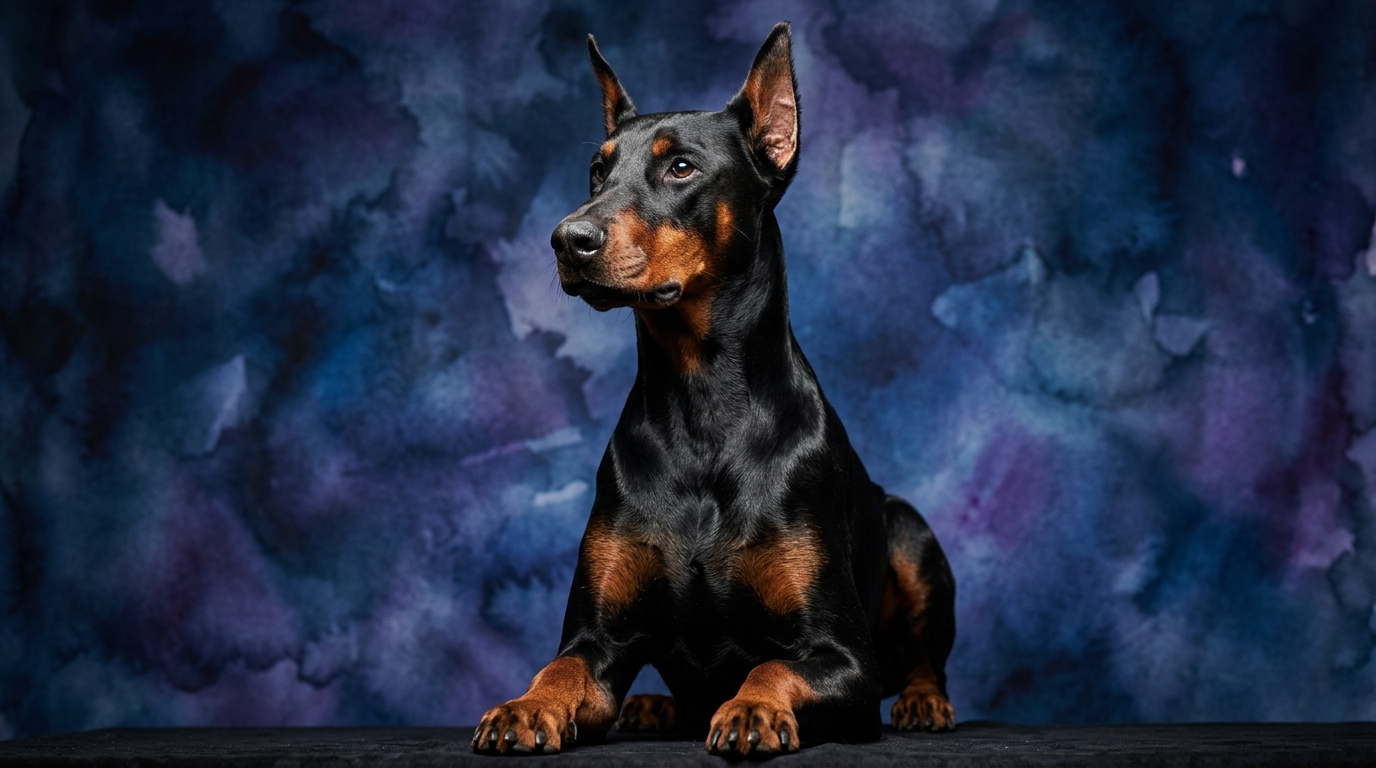
The Doberman Pinscher, ranking impressively at Coren's #5, showcases a cognitive profile geared for precision and rapid execution. With a perfect 5/5 in Problem Solving, they approach challenges with analytical thought, often anticipating next steps. Their Training Speed also rates 5/5, indicating an exceptional capacity for quick learning and command acquisition. Social Intelligence at 4/5 highlights their attunement to human cues, fostering strong partnerships. An Instinctive Drive of 5/5 underpins their historical roles in protection and police work, while a 5/5 in Memory ensures they retain learned behaviors and experiences with remarkable fidelity.
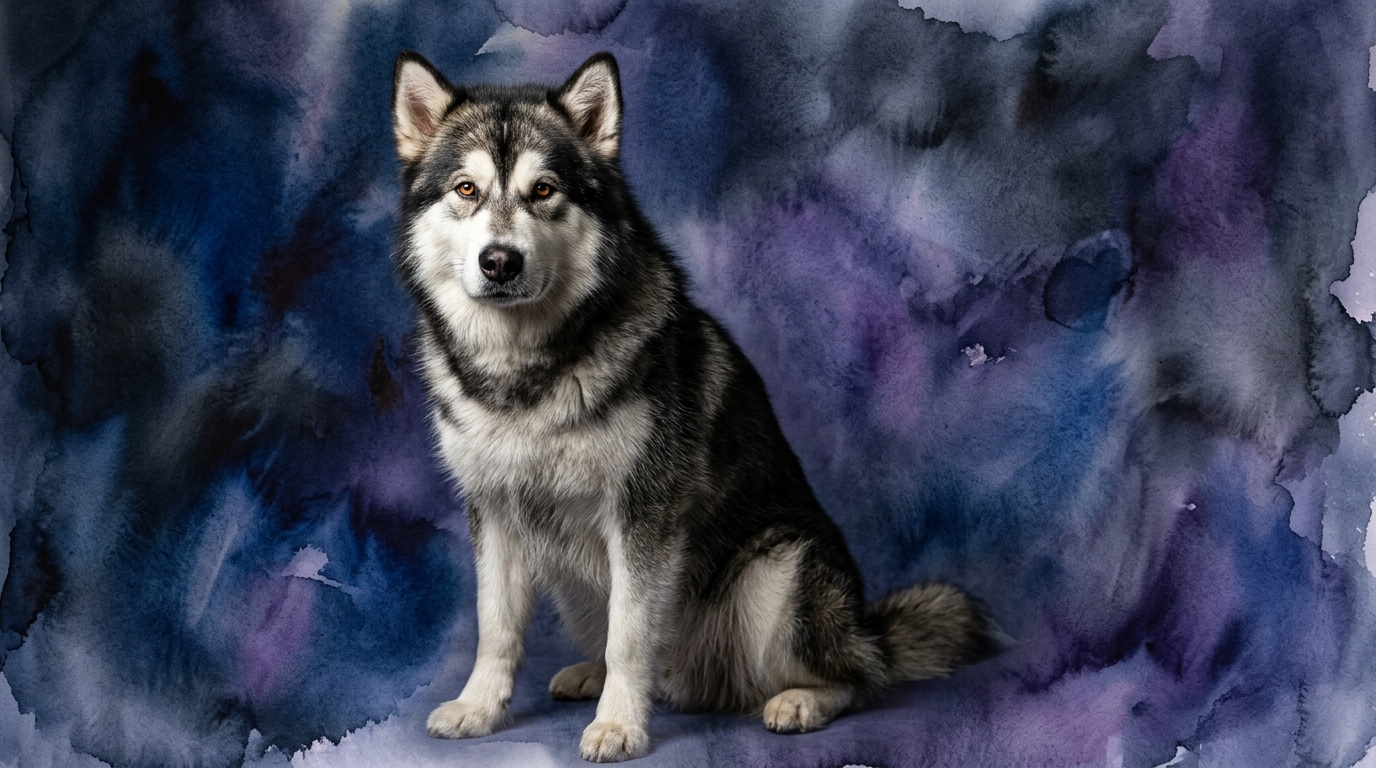
In contrast, the Alaskan Malamute, positioned at Coren's #50, presents a different cognitive blueprint, reflecting its heritage as an arctic sled dog. Their Problem Solving at 4/5 speaks to resourcefulness and practical ingenuity, particularly in self-reliant situations. A Training Speed of 2/5 suggests a more deliberate learning pace, demanding patience and understanding of their independent motivations. Social Intelligence at 3/5 points to a more pack-centric, less human-dependent social dynamic. Their Instinctive Drive, also 5/5, is channeled into endurance, pulling, and navigating challenging terrains. Memory, rated 4/5, indicates good retention, though perhaps with a less immediate recall for complex sequences compared to the Doberman.
Where the Doberman Pinscher Wins Cognitively
The Doberman Pinscher's cognitive architecture grants them a distinct advantage in domains requiring swift comprehension and meticulous execution. Their perfect 5/5 in Training Speed means they absorb new commands and routines with astonishing efficiency, often requiring only a handful of repetitions to solidify a behavior. This immediate grasp makes them exceptionally adept for intricate obedience trials, advanced protection sports, and roles demanding rapid response.
Coupled with their 5/5 Problem Solving, Dobermans don't just mimic; they actively process and understand the underlying structure of tasks. This translates into a dog that can independently apply learned principles to novel situations, making them formidable partners in complex tasks like search and rescue or service work where adapting to unforeseen circumstances is crucial. Their 5/5 Memory further solidifies these gains, ensuring that once a lesson is learned, it is deeply ingrained and readily accessible, enabling a vast repertoire of skills.
Where the Alaskan Malamute Wins Cognitively
While the Doberman excels in human-directed tasks, the Alaskan Malamute's cognitive strengths shine in areas demanding self-reliance and environmental mastery. Their 5/5 Instinctive Drive is uniquely tailored for endurance and independent decision-making in harsh conditions. This isn't merely about pulling; it involves navigating complex terrains, conserving energy, and making sound judgments without constant human direction – vital for a sled dog leading a team through a blizzard.
Their 4/5 Problem Solving, though lower than the Doberman's, manifests as profound resourcefulness. A Malamute might not solve a puzzle toy as quickly, but they possess an innate ability to find practical solutions in real-world scenarios, such as locating water sources, identifying safe paths, or even outsmarting prey. This cognitive independence, stemming from their ancestral role, means they are less prone to panic and more adept at methodical, persistent problem-solving when confronted with natural obstacles, showcasing a different yet equally valuable form of applied intelligence.
Which is Easier to Train and Why
When comparing ease of training, the Doberman Pinscher holds a clear advantage. Their 5/5 Training Speed and 5/5 Memory mean they pick up new cues almost instantaneously and retain them for extended periods. This rapid learning curve, combined with their 4/5 Social Intelligence, makes them highly responsive to their handler's input and eager to engage in structured learning. They thrive on clear commands and consistent expectations, viewing training as a collaborative activity where their role is to comply and excel.
The Alaskan Malamute, with its 2/5 Training Speed and more independent nature, presents a greater training challenge. They require immense patience, creativity, and a deep understanding of their motivations. A Malamute often needs to understand the 'why' behind a command or find the reward incredibly compelling to cooperate. Their problem-solving skills might lead them to find ingenious ways to circumvent commands if they perceive a lack of value or a more appealing alternative. Consistency, positive reinforcement, and making training feel like a partnership rather than a directive are essential for success with a Malamute, whose progress will be more gradual but equally rewarding.
Which Suits Active Owners vs. Relaxed Owners
Both breeds demand active owners, but their activity needs diverge significantly. The Doberman Pinscher, with its intense 5/5 Instinctive Drive and high cognitive capacity, requires an owner who can provide rigorous daily mental and physical exercise. This includes structured training sessions, advanced obedience work, dog sports like agility or Schutzhund, and extensive physical activity. A Doberman needs a 'job' to channel its formidable intelligence and energy; a relaxed or sedentary owner would quickly find themselves with a bored, potentially destructive, and certainly unfulfilled companion.
The Alaskan Malamute also requires an active lifestyle, but one focused on endurance and outdoor exploration rather than high-intensity, rapid-fire tasks. Their 5/5 Instinctive Drive is geared towards sustained physical effort, such as long hikes, pulling activities (like sledding or canicross), and extended outdoor adventures. While they might appreciate a good cuddle, they are not suited for a 'relaxed' owner who expects them to be content with minimal exercise. Their independent spirit means they might not constantly seek engagement like a Doberman, but their physical demands are non-negotiable, and boredom can lead to escape attempts or destructive behaviors.
The Verdict
Choose the Doberman Pinscher if you seek a highly trainable, responsive, and mentally agile partner for advanced obedience, protection work, or dog sports, and can provide rigorous mental and physical stimulation.
Opt for the Alaskan Malamute if you embrace an independent spirit and desire a resilient, enduring companion for outdoor adventures and endurance activities, prepared for consistent, patient training tailored to a strong-willed working dog.
🧠 Find Your Pet's IQ Score
Our Pet IQ Lab assessment covers 25+ tests across 5 cognitive dimensions — personalized to your breed.
Take the Full IQ Test →Frequently Asked Questions
Are Alaskan Malamutes difficult to train?
Alaskan Malamutes present unique training challenges due to their independent nature and lower training speed score of 2/5. They learn at a more deliberate pace and require consistent, positive reinforcement, often motivated by high-value food or engaging play, rather than an inherent desire for constant approval. Patience and understanding their motivations are key.
Which breed is better for a first-time dog owner?
Generally, the Doberman Pinscher, with its 5/5 training speed and high responsiveness, is more manageable for a first-time owner committed to consistent, structured training. The Alaskan Malamute's strong will, independent problem-solving, and deliberate learning pace can be overwhelming without prior experience handling strong working breeds and their unique needs.
Do Doberman Pinschers need a lot of exercise?
Yes, Doberman Pinschers possess a robust instinctive drive and high energy levels, demanding daily rigorous physical exercise and significant mental stimulation. Without sufficient outlets for their intelligence and energy, they can quickly become bored, potentially developing destructive behaviors or anxiety, channeling their formidable cognitive abilities negatively.