Side-by-Side IQ Profile: Precision vs. Independence
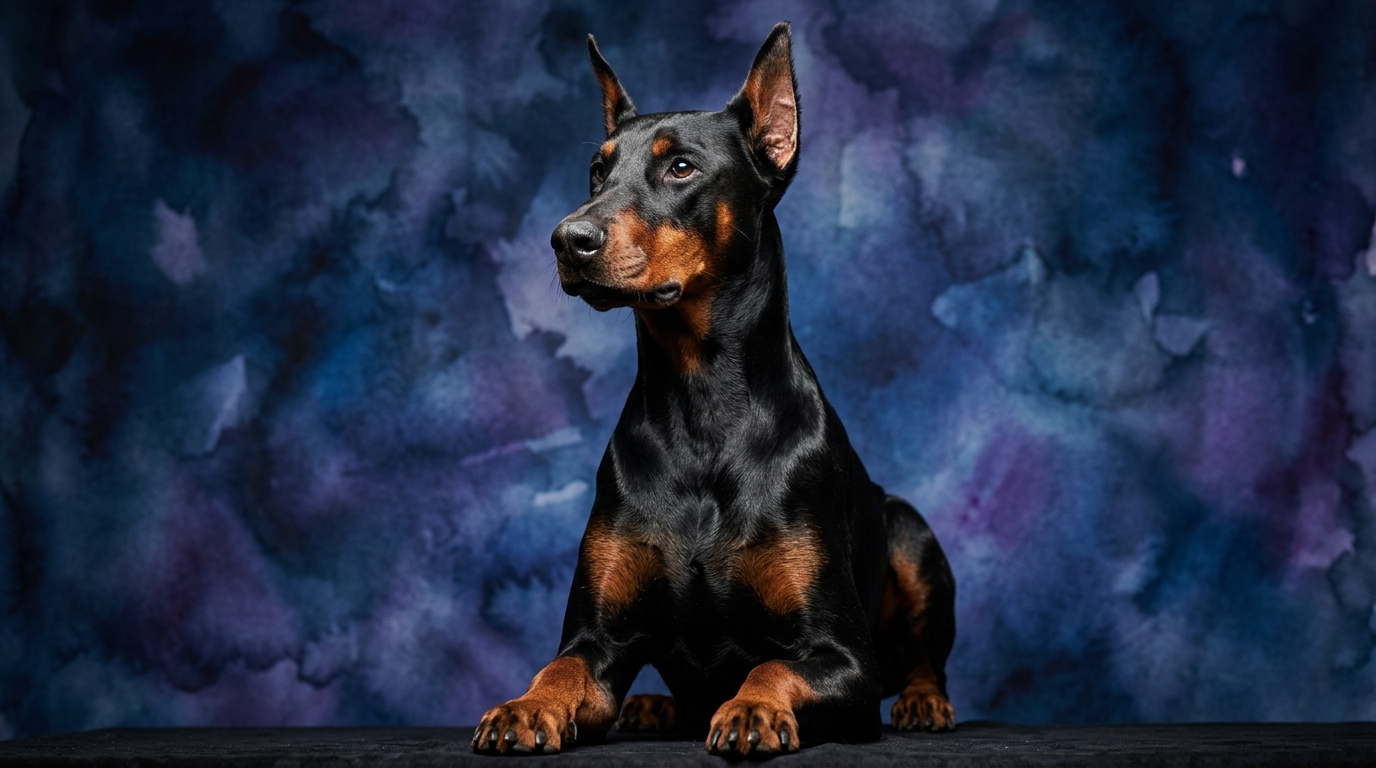
The Cosmic Pet Pet IQ Lab data presents a stark contrast between these two formidable breeds. The Doberman Pinscher, ranked #5 by Coren, demonstrates exceptional cognitive prowess across the board: a perfect 5/5 in Problem Solving, Training Speed, Instinctive Drive, and Memory, alongside a strong 4/5 in Social Intelligence. This profile reflects a dog engineered for command, rapid learning, and executing complex tasks with unwavering focus. Its problem-solving involves quickly discerning solutions to human-directed challenges, its memory ensures retention of intricate command sequences, and its drive is geared towards fulfilling a defined purpose.
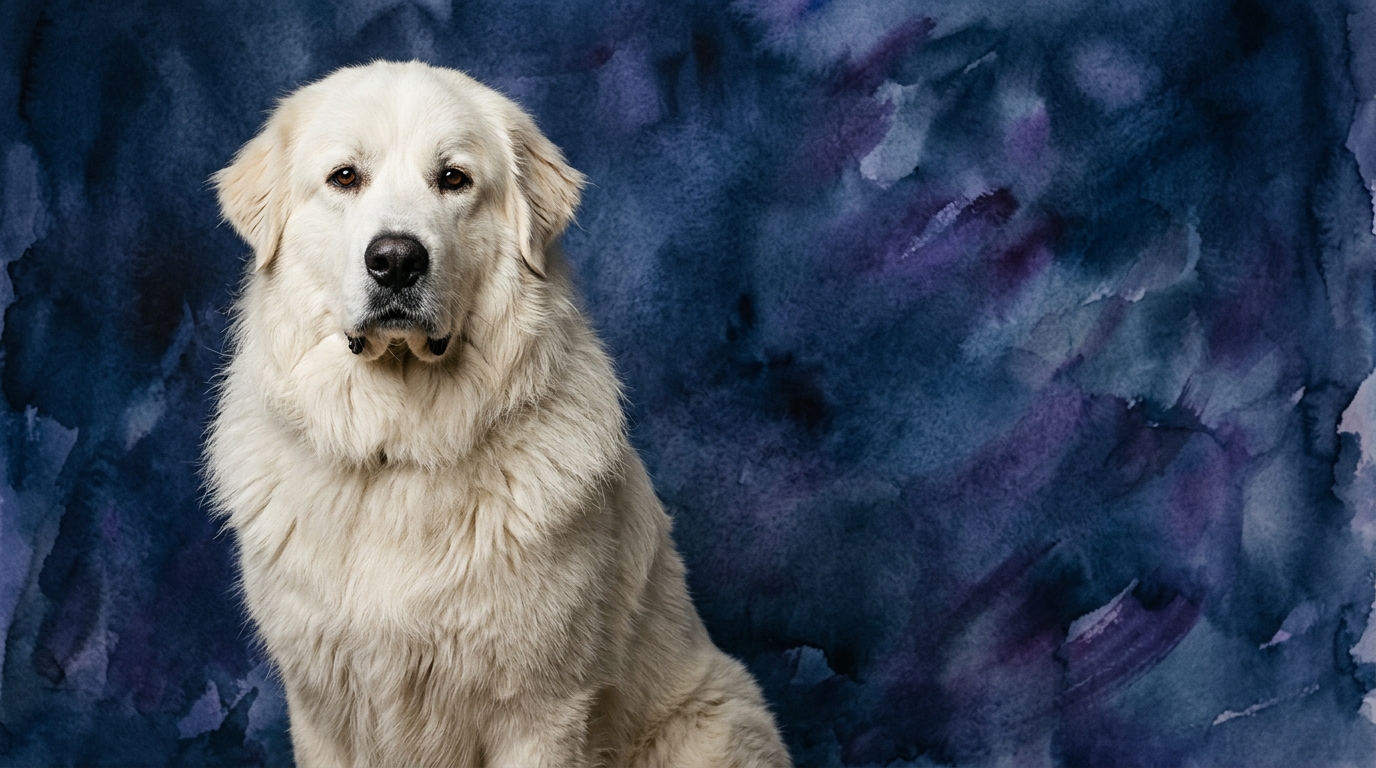
In contrast, the Great Pyrenees, with a Coren rank of #64, shows a more uniform, moderate cognitive profile, scoring 3/5 across all five dimensions: Problem Solving, Training Speed, Social Intelligence, Instinctive Drive, and Memory. This isn't a deficit but rather an adaptation for its ancient role as a livestock guardian. Its problem-solving tends towards independent assessment of threats to its flock rather than following direct human orders. Its training speed and drive are moderated by a need for self-reliance, and its social intelligence is finely tuned to its animal charges and family, often with a reserved approach to strangers.
Where the Doberman Pinscher Excels Cognitively
The Doberman Pinscher's cognitive strengths lie in its capacity for directed learning and execution. Its 5/5 Problem Solving score means it excels at tasks requiring sequential thought and quick comprehension of human instructions, such as agility courses or protection work where scenarios unfold rapidly. The breed's 5/5 Training Speed and Memory allow it to master a vast repertoire of commands and retain them with minimal refreshers, making it an ideal candidate for precision roles like police or service work. Its Instinctive Drive, also 5/5, channels its natural urges into productive, focused tasks, enabling it to maintain high levels of concentration and perseverance on assigned duties. This breed thrives on mental engagement that challenges its ability to process information and respond with accuracy.
Where the Great Pyrenees Excels Cognitively
While its scores appear lower, the Great Pyrenees' cognitive strengths are tailored for a different kind of work: autonomous guardianship. Its 3/5 Problem Solving reflects a dog that excels at independent decision-making in the absence of direct commands, such as assessing a perceived threat to its flock and determining the appropriate response without human intervention. Its Social Intelligence, also 3/5, is nuanced, allowing it to form deep bonds with its charges and family while maintaining a discerning aloofness towards unfamiliar individuals or animals, a critical trait for a guardian. The breed's Instinctive Drive, scoring 3/5, is geared towards watchful vigilance and territorial protection, rather than eager compliance. This drive manifests as a deep-seated commitment to its perceived duties, often requiring it to act solely on its own judgment over vast areas.
Training: Compliance vs. Conviction
Training a Doberman Pinscher typically involves a responsive and rewarding experience due to its 5/5 Training Speed and Memory. This breed genuinely enjoys learning and working alongside its human, eager to please and quick to grasp new concepts. Its strong instinctive drive makes it receptive to structured guidance, translating complex commands into reliable actions with consistent practice. They thrive on clear expectations and positive reinforcement, quickly forming associations between actions and outcomes, making them highly trainable for competitive obedience, protection, or service roles.
Conversely, training a Great Pyrenees requires a different approach, reflecting its 3/5 Training Speed and a deeply independent nature. This breed was bred to make decisions independently while guarding livestock, not to be an eager pupil of human commands. While capable of learning, they often require more patience, repetition, and a demonstration of 'why' a command is relevant to their perceived duties. Their motivation stems from conviction rather than immediate compliance; they will perform tasks they deem necessary for their family's safety or comfort, but may question or ignore arbitrary commands. Owners must understand that a Pyrenees responds best to respectful, consistent guidance that acknowledges its innate self-reliance, not forceful coercion.
Suited Owners: Structured Engagement vs. Patient Companionship
The Doberman Pinscher is best suited for active owners who can provide consistent mental and physical stimulation, structured training, and a clear role within the family. Their high instinctive drive and need for purpose mean they thrive with jobs, whether it's agility, obedience, or protection sports. Owners who enjoy engaging in regular training sessions, long walks or runs, and puzzle toys will find a Doberman to be a deeply rewarding and focused companion. They require an owner who understands their cognitive capacity and provides outlets for their energetic minds.
The Great Pyrenees, on the other hand, suits relaxed owners who appreciate an independent, watchful companion and are prepared for a dog that thinks for itself. Ideal owners often have larger properties or rural settings where the Pyrenees can fulfill its guardian instincts, even if it's just watching over the family and home. They don't require intense, high-octane activities but benefit from consistent, patient guidance and ample space. Owners must be comfortable with a dog that prioritizes vigilance and self-sufficiency, often moving at its own pace and requiring a different kind of bond built on mutual respect rather than absolute obedience.
The Verdict: Choosing Your Canine Partner
Selecting between these two breeds hinges on your lifestyle, training philosophy, and what you seek in a canine partnership. The Doberman Pinscher offers a highly engaged, responsive, and trainable companion for owners ready to provide consistent structure, mental challenges, and an active lifestyle. They excel in roles demanding precision, speed, and unwavering loyalty to their human's directives.
The Great Pyrenees provides a calm, independent, and watchful presence for owners who value self-reliance, quiet companionship, and a natural guardian. They thrive in environments where their independent decision-making is respected, requiring owners who are patient and understand their unique, ancient purpose.
The Verdict
Choose a Doberman Pinscher if you desire a highly trainable, focused partner for active pursuits and structured engagement, valuing precision and quick learning.
Opt for a Great Pyrenees if you seek an independent, watchful guardian with a calm demeanor, valuing self-reliance and a more subtle form of companionship.
🧠 Find Your Pet's IQ Score
Our Pet IQ Lab assessment covers 25+ tests across 5 cognitive dimensions — personalized to your breed.
Take the Full IQ Test →Frequently Asked Questions
Is a Doberman Pinscher a good family dog?
Yes, with proper socialization and training, Doberman Pinschers can be devoted family dogs. Their social intelligence, though 4/5, means they bond deeply with their family, often acting as protective and playful companions for children and adults alike.
Are Great Pyrenees difficult to train?
Great Pyrenees are not inherently difficult to train, but they require a different approach due to their independence. Their 3/5 training speed means they learn at their own pace, responding best to patient, consistent methods that appeal to their guardian instincts rather than strict obedience demands.
Which breed requires more exercise?
The Doberman Pinscher generally requires more intense, structured exercise and mental stimulation due to its high instinctive drive and energy. The Great Pyrenees, while needing regular activity, is content with moderate exercise and often prefers patrolling its territory over high-impact sports.