Side-by-Side IQ Profile: Doberman Pinscher vs. Irish Wolfhound
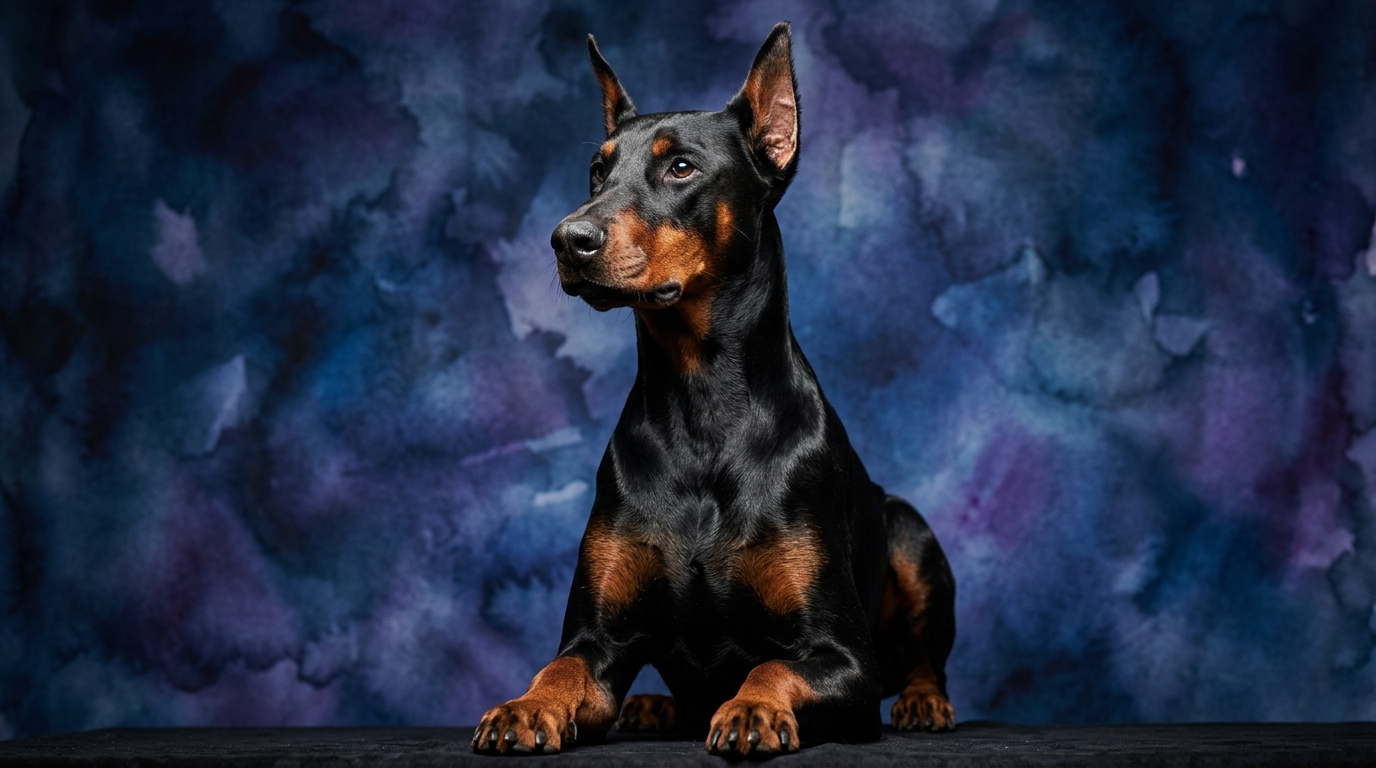
The Cosmic Pet Pet IQ Lab employs a five-dimensional framework to assess canine cognition, and a direct comparison between the Doberman Pinscher and the Irish Wolfhound reveals fascinating distinctions. The Doberman Pinscher, a Working breed, achieves a Coren rank of #5, indicating a high capacity for working and obedience intelligence. Its IQ profile includes Problem Solving 5/5, Training Speed 5/5, Social Intelligence 4/5, Instinctive Drive 5/5, and Memory 5/5. These scores paint a picture of a breed designed for rapid learning, complex task execution, and focused purpose.
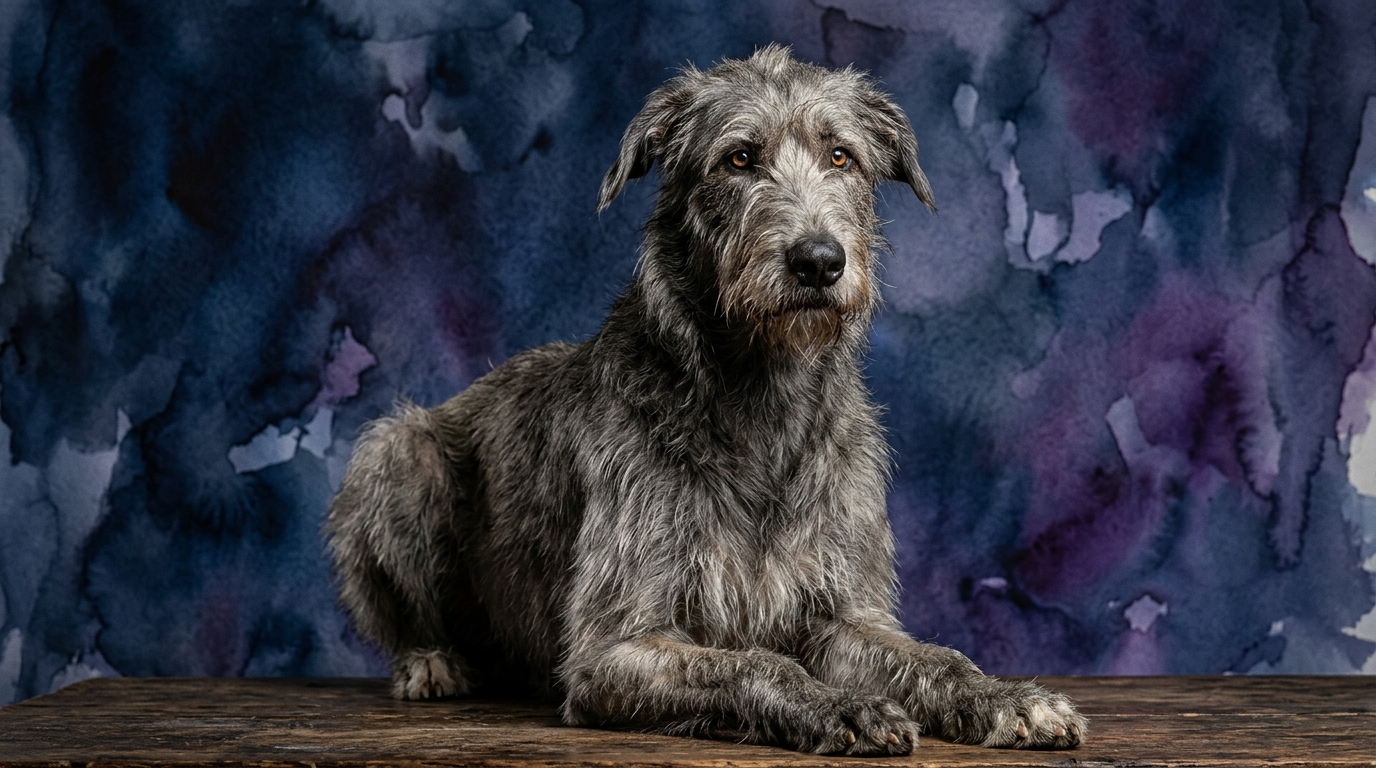
In contrast, the Irish Wolfhound, a member of the Hound group, is not Coren-ranked, a characteristic common among breeds developed for independent hunting rather than direct obedience. Its IQ profile presents a different cognitive landscape: Problem Solving 3/5, Training Speed 3/5, Social Intelligence 3/5, Instinctive Drive 3/5, and Memory 3/5. These scores suggest a more deliberate, independent learner whose cognitive strengths manifest differently from a typical working breed, emphasizing self-reliance and nuanced judgment over eager responsiveness.
Where the Doberman Pinscher Excels Cognitively
The Doberman Pinscher's cognitive architecture is a testament to its purposeful breeding, excelling in areas demanding quick analytical thought and precise execution. Its Problem Solving at 5/5 indicates an impressive ability to assess new situations and devise effective strategies, whether it's navigating an intricate agility course or understanding complex household rules. This breed doesn't merely follow commands; it actively processes information to achieve desired outcomes. The Doberman's Training Speed, also at 5/5, highlights its remarkable capacity to absorb and apply new instructions with minimal repetition, driven by a strong desire for engagement and a clear understanding of its role.
Further reinforcing its cognitive prowess are its Instinctive Drive 5/5 and Memory 5/5. The high instinctive drive translates into a focused, purposeful approach to tasks, making Dobermans highly motivated and consistent performers in various disciplines, from protection work to competitive obedience. Their exceptional memory ensures that once a command, routine, or learned experience is acquired, it is retained with remarkable consistency over time. This allows for the building of an extensive behavioral repertoire, making the Doberman a highly reliable and predictable companion in structured environments. Its Social Intelligence at 4/5 ensures it is attuned to human cues, translating its sharp mind into a loyal, responsive partnership.
Where the Irish Wolfhound's Cognition Shines Differently
The Irish Wolfhound's cognitive strengths, while not reflected in the Doberman's high scores for rapid task acquisition, are nonetheless profound and deeply rooted in its historical purpose. Its Problem Solving at 3/5 reflects a thoughtful, often deliberate approach to challenges, prioritizing careful consideration over hurried action. This breed was not developed for intricate obedience but for independent pursuit of large, dangerous game, requiring judgment, endurance, and self-sufficiency rather than immediate human direction. Their intelligence is less about speed and more about processing information at their own pace, leading to well-considered, if not instantaneous, responses.
The Wolfhound's Social Intelligence at 3/5, while not as intensely focused on human cues as a working breed, still allows for deep, affectionate bonds, expressed through a calm, gentle presence rather than eager responsiveness. Their Instinctive Drive, rated 3/5, is specifically powerful for sight-hunting, demonstrating a focused determination when engaged in its ancestral purpose, showcasing a specialized rather than generalized working drive. Its Memory at 3/5 is sufficient for retaining routines and understanding its environment, albeit without the Doberman's expansive recall for complex sequences. The Wolfhound's cognitive profile emphasizes self-reliance, calm observation, and a steady temperament, traits that are invaluable for a companion of their majestic size and gentle disposition.
Trainability: Doberman Pinscher vs. Irish Wolfhound
When it comes to ease of training, the Doberman Pinscher clearly presents as the more readily trainable breed, primarily due to its exceptional Training Speed (5/5) and Problem Solving (5/5) scores. These dogs absorb new commands and concepts with remarkable efficiency, often grasping instructions in just a few repetitions. Their strong Instinctive Drive (5/5) means they are inherently motivated to work and engage, thriving on structure and mental challenges. A Doberman's keen Memory (5/5) ensures that once a command is learned, it is retained consistently, making training a progressive and rewarding experience. They often exhibit a strong desire to please their handler, which further accelerates the learning process.
Conversely, the Irish Wolfhound, with its 3/5 scores in Training Speed and Problem Solving, requires a far more patient and consistent approach. Their heritage as independent hunters means they are less inclined to follow commands purely for the sake of pleasing; they often need to understand the 'why' behind a request or perceive a direct benefit. While capable of learning, their pace is slower, and they can exhibit a stubborn streak if not motivated appropriately. Training an Irish Wolfhound relies heavily on positive reinforcement, short engaging sessions, and an understanding of their more self-directed nature. Behavioral differences are stark: a Doberman might anticipate your next command, while a Wolfhound might pause, consider, then decide if it's worth their effort. This isn't a lack of capacity but a difference in cognitive priorities and motivational drivers.
Matching Canine Cognition to Lifestyle: Active vs. Relaxed Owners
For owners seeking an active, highly engaged companion, the Doberman Pinscher is the definitive choice. Its 5/5 scores in Instinctive Drive and Problem Solving mean this breed thrives on having a 'job' and consistent mental stimulation. They excel with owners who can provide daily structured training, participate in dog sports like agility or obedience, and offer ample physical exercise. Dobermans require an owner who is proactive in directing their considerable cognitive energy and ensuring they remain challenged and focused. A Doberman without sufficient mental and physical outlets can channel its sharp mind into less desirable behaviors, showcasing its need for purposeful engagement.
In contrast, the Irish Wolfhound is better suited for more relaxed owners who appreciate a calm, gentle presence. While they need regular, moderate exercise appropriate for their size, their cognitive profile doesn't demand the same intensity of constant mental engagement or structured tasks. Owners who provide a spacious, stable environment and value a loyal, affectionate companion who is content with less rigorous training demands will find the Wolfhound a rewarding match. They are less about performing complex tasks on command and more about being a thoughtful, serene presence, requiring an owner with patience for their deliberate learning style and independent spirit rather than expecting rapid-fire obedience.
The Verdict
Choose a Doberman Pinscher if you value a highly trainable, protective, and mentally agile companion for active engagement and structured activities.
Choose an Irish Wolfhound if you seek a calm, gentle giant with an independent spirit, content with a more relaxed pace and deep, quiet companionship.
🧠 Find Your Pet's IQ Score
Our Pet IQ Lab assessment covers 25+ tests across 5 cognitive dimensions — personalized to your breed.
Take the Full IQ Test →Frequently Asked Questions
Are Dobermans truly more capable than Irish Wolfhounds?
The Cosmic Pet Pet IQ Lab data suggests Dobermans excel in rapid learning, problem-solving, and task focus, aligning with traditional definitions of working intelligence. Wolfhounds possess a different cognitive profile, emphasizing independent judgment and a steady temperament, which is highly effective for their historical roles but less about quick obedience.
Does the Irish Wolfhound's 'Not Coren-ranked' status mean anything negative?
Not at all. Stanley Coren's ranking primarily assesses 'working and obedience intelligence.' Many breeds, especially hounds, were developed for independent tasks where immediate human direction was less critical, thus their cognitive strengths manifest differently and aren't always captured by this specific metric.
Can an Irish Wolfhound be trained to the same level as a Doberman?
While an Irish Wolfhound can certainly be well-trained, achieving the same level of precision, speed, and complex task mastery as a Doberman would require significantly more patience, consistency, and a different motivational approach. Their independent nature means they may never exhibit the same eager-to-please responsiveness common in working breeds.