Side-by-Side IQ Profile
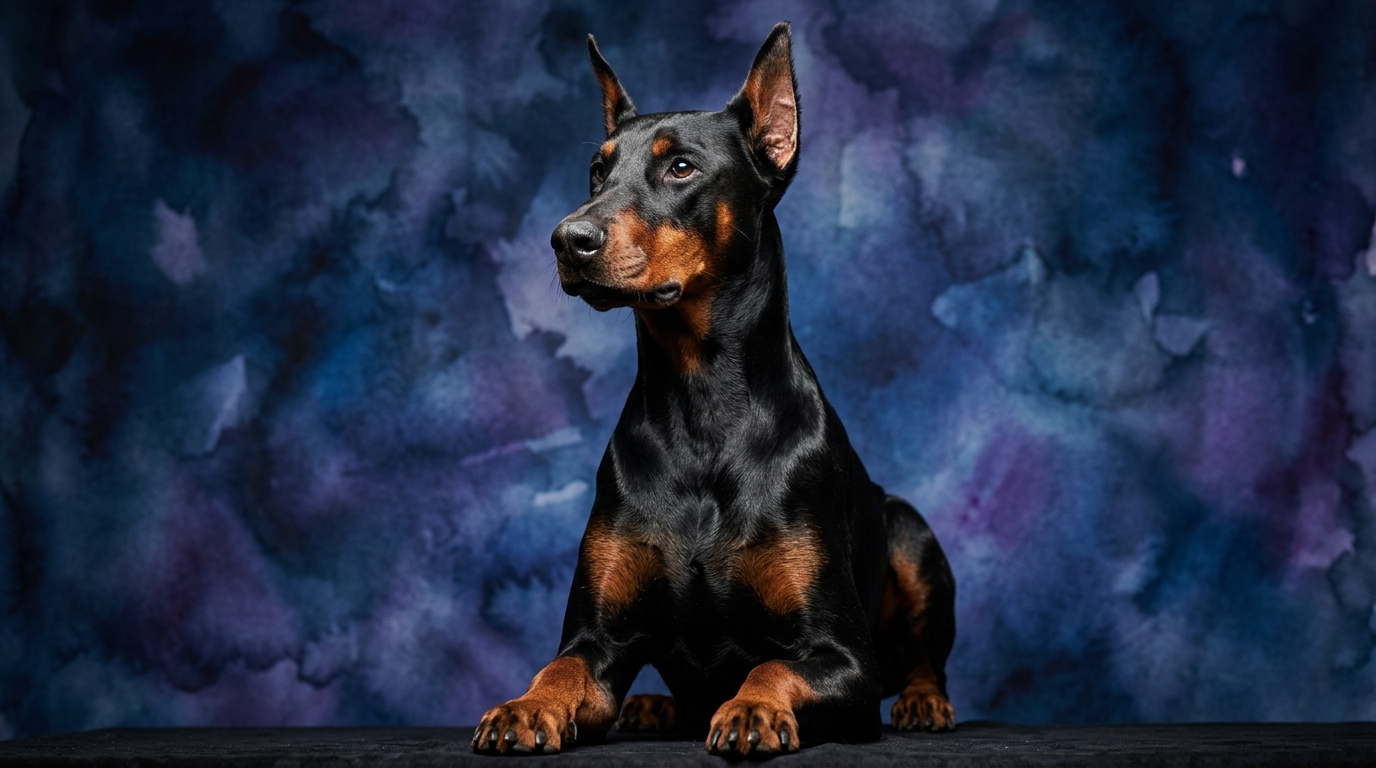
Doberman Pinscher (Working Group, Coren Rank #5): This breed demonstrates exceptional cognitive prowess across the board. Their Problem Solving score of 5/5 means they are quick to grasp new concepts and adept at navigating novel challenges, often finding solutions independently. A Training Speed of 5/5 indicates an extraordinary capacity to learn and retain commands with minimal repetition, making them highly responsive to instruction. Social Intelligence at 4/5 highlights their attunement to human cues and emotional states, allowing for nuanced interaction. Their Instinctive Drive, also 5/5, fuels a powerful focus and determination, often channeled into specific tasks like guarding or obedience. Finally, a Memory score of 5/5 ensures they retain complex sequences and learned behaviors over long periods.
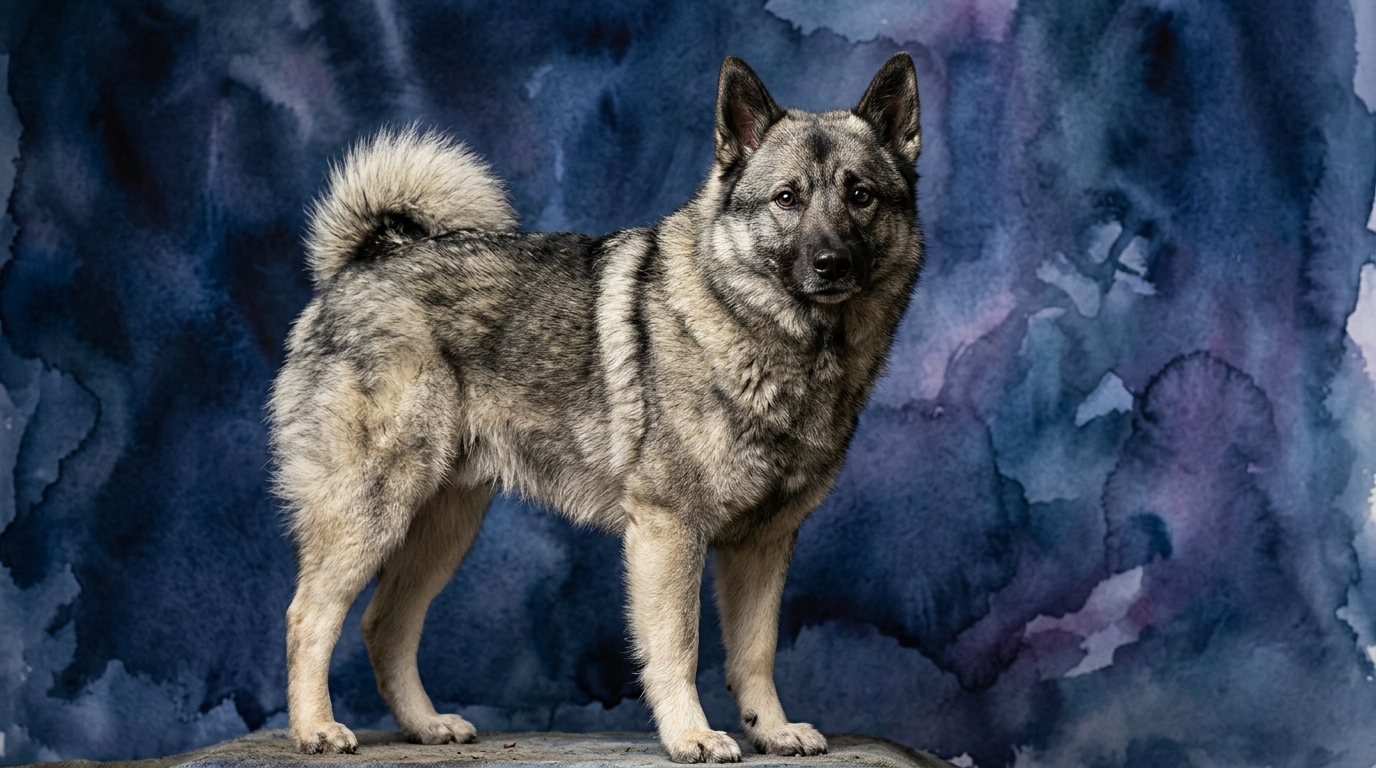
Norwegian Elkhound (Hound Group, Coren Rank #36): The Elkhound presents a different, yet robust, cognitive profile. Their Problem Solving score of 4/5 shows competence in tackling new situations, though perhaps with a more methodical or less spontaneous approach than the Doberman. A Training Speed of 4/5 suggests they are capable learners but may require more consistent reinforcement and patience to master new commands. Social Intelligence at 3/5 implies a more independent nature, less inclined to constantly seek human direction or interpret subtle social signals, often preferring to make their own decisions. Their Instinctive Drive, rated 3/5, is strongly rooted in their ancient hunting heritage, particularly for tracking and endurance, rather than a general drive for human-directed work. Memory at 4/5 indicates a solid ability to recall learned behaviors and navigate familiar environments, especially those related to their innate hunting patterns.
Where Doberman Pinscher Wins Cognitively
The Doberman Pinscher's cognitive architecture shines in areas demanding rapid learning, precise execution, and strong human partnership. Their Coren rank of #5 underscores a superior capacity for understanding and performing complex commands, making them outstanding candidates for advanced obedience, protection work, and competitive dog sports. The perfect 5/5 in Training Speed means they absorb new information and behaviors with impressive alacrity, often making connections and generalizing concepts faster than many other breeds. This quick uptake is invaluable for owners pursuing specialized training or those who appreciate a highly responsive companion.
Furthermore, their 5/5 Problem Solving ability allows them to adapt swiftly to changing scenarios, figuring out how to achieve objectives even when faced with novel obstacles. This isn't just about following commands; it's about applying learned principles to new contexts, a hallmark of flexible thinking. The Doberman's potent 5/5 Instinctive Drive, coupled with their social intelligence, means they are not only driven but also eager to channel that drive into purposeful activities with their human, seeking engagement and direction. Their memory, also a perfect 5/5, ensures that once a lesson is learned, it is retained with remarkable durability, building a reliable foundation for future training and behavior.
Where Norwegian Elkhound Wins Cognitively
While the Elkhound's scores may be numerically lower in some categories, their cognitive strengths are perfectly tailored to their historical role and distinct breed characteristics. Their 4/5 Problem Solving score, though not 5/5, reflects an intelligence geared towards independent decision-making in challenging, unstructured environments. This isn't about solving human puzzles but navigating complex natural terrains, interpreting scent trails, and making strategic choices during a hunt, often far from direct human guidance. Their instinctive drive, rated 3/5, is profoundly focused on persistent tracking and endurance, a nuanced form of cognitive stamina. This drive allows them to maintain focus on a scent for extended periods, covering vast distances, a mental feat that requires immense concentration and self-motivation.
The Elkhound's 3/5 Social Intelligence, while appearing lower, can be interpreted as a strength for owners who value a more self-reliant companion. They are less prone to constant neediness or separation anxiety, capable of entertaining themselves and making independent choices when appropriate. This self-sufficiency, born from centuries of solitary hunting, means they are not perpetually seeking human validation for every action. Their 4/5 Memory is robust for recalling specific locations, scent patterns, and learned routines relevant to their activities, making them reliable in familiar territories or during repetitive tasks like established hiking routes. Essentially, the Elkhound's cognitive profile emphasizes resilience, independence, and a specialized intelligence for navigating the natural world rather than strict obedience.
Which is Easier to Train and Why
Between these two breeds, the Doberman Pinscher is unequivocally easier to train, primarily due to their superior scores in Training Speed (5/5), Problem Solving (5/5), and Social Intelligence (4/5). Dobermans possess an inherent eagerness to please and a rapid capacity for understanding human expectations. They pick up new commands and routines with remarkable speed, often requiring only a few repetitions to solidify a behavior. Their social intelligence means they are acutely attuned to their handler's body language, tone, and intentions, allowing for highly nuanced communication during training sessions. Furthermore, their strong instinctive drive (5/5) can be effectively channeled into focused work, making them highly motivated partners in learning and execution. They thrive on structured tasks and readily accept guidance, seeing training as an engaging collaboration.
The Norwegian Elkhound, while certainly trainable, presents more challenges for the average owner. Their Training Speed of 4/5 suggests they learn at a competent pace but require more patience and consistency than a Doberman. Their Social Intelligence at 3/5 means they are less inclined to constantly defer to human direction; they are independent thinkers, a trait deeply embedded in their hound heritage where making autonomous decisions in the field was crucial. Their Instinctive Drive (3/5) is powerfully focused on scent and tracking, making it a significant hurdle to redirect this innate motivation towards human-desired obedience tasks. Elkhounds often need more creative and highly reinforcing training methods to overcome their independent streak and inherent drive to follow their nose. While they can learn complex commands, it typically requires more repetition, a very consistent approach, and a deep understanding of their hound nature.
Which Suits Active Owners vs Relaxed Owners
For the truly active owner who thrives on structured activities, advanced training, and a clear partnership with their dog, the Doberman Pinscher is an ideal match. They are not merely active; they demand a significant amount of mental and physical engagement, flourishing when given a "job" to do. This includes competitive obedience, agility, protection sports, or extensive daily exercise coupled with challenging brain games. A Doberman without sufficient stimulation can become bored and potentially destructive, making them unsuitable for relaxed owners who prefer minimal interaction or casual walks. They need an owner who can consistently provide leadership, structure, and outlets for their considerable cognitive and physical energy.
The Norwegian Elkhound also requires an active owner, but of a different sort. Their activity needs lean more towards endurance and outdoor exploration rather than intense, structured training sessions. They are superb companions for hiking, long walks, scent work, and exploring varied terrains, reflecting their heritage as robust hunting dogs. While they need regular physical exertion to be content, their independent nature means they don't constantly demand human-directed entertainment or complex tasks in the same way a Doberman might. A more "relaxed" owner in this context would still need to commit to significant daily exercise and outdoor adventures, but might not be expected to engage in advanced obedience or dog sports. They are less suited for truly sedentary lifestyles, but their self-sufficiency means they can be content with a more hands-off approach to entertainment once their exercise needs are met.
The Verdict
Choose the Doberman Pinscher if you are an owner seeking a highly focused, exceptionally trainable, and responsive partner for advanced obedience, protection work, or competitive dog sports, and can provide consistent mental and physical challenges.
Opt for the Norwegian Elkhound if you value an independent, resilient companion for outdoor adventures, scent work, and a dog that can make its own decisions in the field, understanding that training will require patience and consistent, positive reinforcement.
🧠 Find Your Pet's IQ Score
Our Pet IQ Lab assessment covers 25+ tests across 5 cognitive dimensions — personalized to your breed.
Take the Full IQ Test →Frequently Asked Questions
Are Doberman Pinschers good family dogs despite their guarding instincts?
Yes, with proper socialization and training from a young age, Doberman Pinschers can be devoted and protective family companions. Their social intelligence allows them to bond closely with their human family, and their protective instincts are generally channeled responsibly under good guidance.
Do Norwegian Elkhounds require a lot of exercise?
Norwegian Elkhounds do require a substantial amount of daily exercise, typically an hour or more of vigorous activity. Their heritage as endurance hunters means they thrive on long walks, hikes, or opportunities for scent work to keep them physically and mentally satisfied.
What kind of mental stimulation do Doberman Pinschers need?
Doberman Pinschers need consistent mental stimulation through training, puzzle toys, and engaging activities to prevent boredom. Their high problem-solving ability and memory mean they excel at learning new tricks, participating in dog sports, and engaging in structured tasks that challenge their cognitive skills daily.