
Side-by-Side IQ Profile
The Doberman Pinscher presents a formidable cognitive profile, scoring 5/5 in Problem Solving, Training Speed, Instinctive Drive, and Memory, alongside a 4/5 in Social Intelligence. This indicates a breed capable of rapidly analyzing complex situations, formulating solutions, and retaining vast amounts of information, driven by a powerful internal urge to work and protect. Their exceptional training speed means they absorb new commands and routines with remarkable ease, while their memory ensures long-term retention of these learned behaviors and experiences.
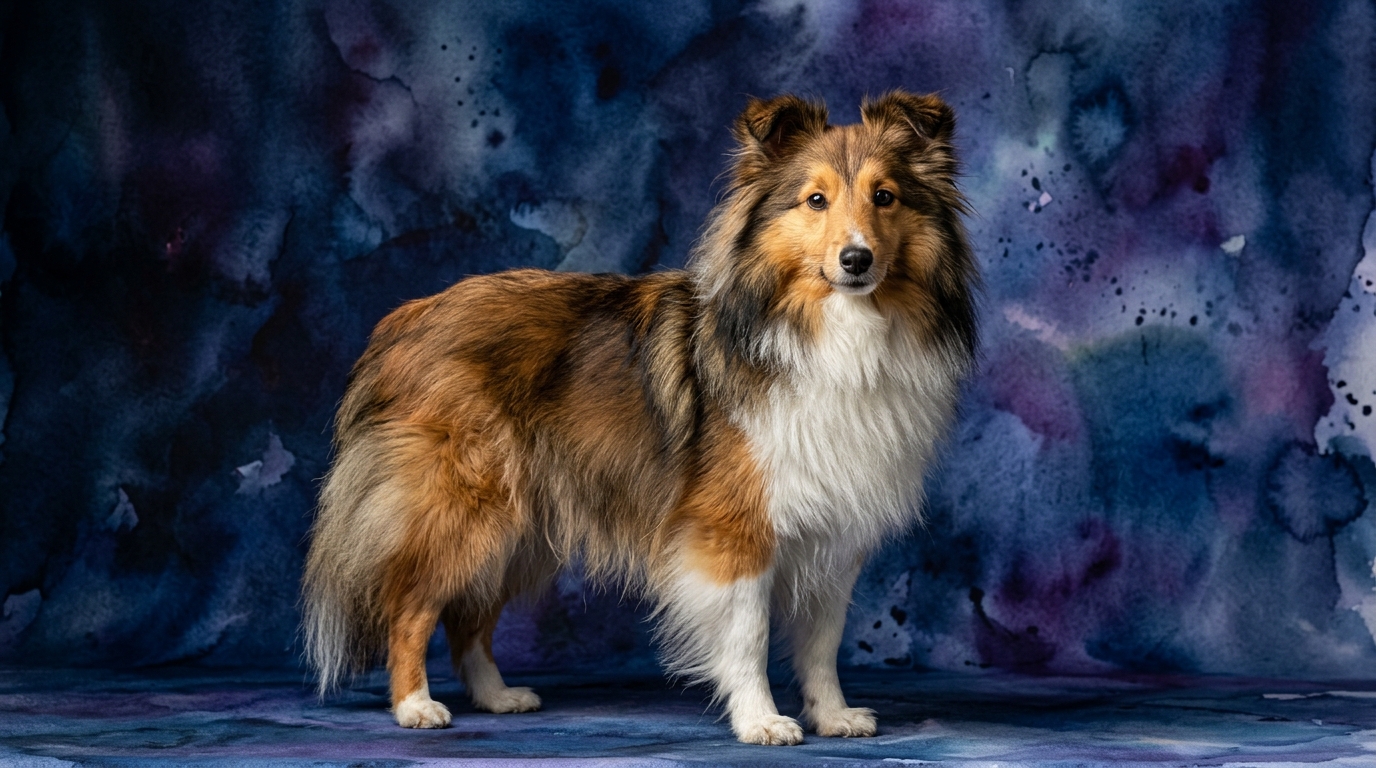
In contrast, the Shetland Sheepdog boasts an equally impressive intelligence, achieving 5/5 in Training Speed, Instinctive Drive, and Memory, with a 4/5 in Problem Solving and Social Intelligence. While their problem-solving score is slightly lower than the Doberman's, it still signifies a highly capable mind adept at navigating challenges, particularly within their herding context. Their identical scores in training speed, instinctive drive, and memory underscore a breed that is incredibly receptive to instruction, possesses a strong innate purpose, and remembers intricate sequences and commands with precision.
Where Doberman Pinscher Wins Cognitively
The Doberman Pinscher’s cognitive edge undeniably lies in its superior Problem Solving score of 5/5, surpassing the Shetland Sheepdog’s 4/5. This difference translates into a remarkable capacity for independent thought and strategic planning in novel situations. Dobermans excel at devising complex, multi-step solutions to challenges that lack pre-programmed responses, making them adept at tasks requiring critical evaluation and proactive decision-making. For instance, they might more quickly figure out how to unlatch a complicated gate or navigate an unfamiliar obstacle course without prior instruction, relying on their innate ability to analyze, hypothesize, and execute. Their working breed heritage shines through, equipping them with the mental fortitude to not just follow commands, but to assess evolving circumstances and make autonomous judgments that benefit their handler or their 'pack's' safety. This profound capacity for conceptual understanding and adaptive strategy makes them particularly suited for roles demanding on-the-spot innovation and robust mental resilience.
Where Shetland Sheepdog Wins Cognitively
While the Doberman holds a slight edge in raw problem-solving, the Shetland Sheepdog truly shines in the nuanced application of its equally high Instinctive Drive and Memory, particularly within dynamic, fluid contexts. Their herding background has honed an intelligence focused on anticipation, pattern recognition, and precise, responsive action. Shelties demonstrate a refined ability to read subtle cues in movement and environment, predicting changes and reacting with remarkable agility and control—a cognitive function crucial for managing livestock. This isn't just about following commands; it's about interpreting a constantly shifting landscape and making split-second decisions based on learned patterns and innate herding instincts. Their exceptional memory allows them to recall intricate routes, complex sequences of commands, and the specific behaviors of individuals, which is vital for effective herding and high-level obedience or agility sports. Thus, their 'win' lies in a specialized, highly adaptive intelligence geared towards intricate, real-time management and pattern-based problem-solving within a defined, active context, showcasing a different kind of cognitive brilliance.
Which Is Easier to Train and Why
Both breeds boast an exceptional 5/5 in Training Speed, indicating they grasp new commands and routines with remarkable swiftness. However, the ease of *overall* training experience can diverge due to their distinct behavioral profiles. The Doberman Pinscher, with its 5/5 Instinctive Drive and 5/5 Problem Solving, learns commands rapidly but also possesses a strong independent streak and a profound capacity for critical thinking. This means while they learn quickly, they might also question or attempt to optimize tasks if they perceive a more efficient route, potentially requiring a handler who can consistently assert leadership and provide mentally stimulating, purpose-driven work. Their intense focus and drive, while beneficial for high-level training, necessitate a firm, consistent, and engaging approach to prevent boredom or self-directed activities. The Shetland Sheepdog, sharing the 5/5 Training Speed and Instinctive Drive, often combines this with a strong desire to please and a high sensitivity, which can make them incredibly eager and responsive students. Their herding drive translates into a natural inclination for structured work and following direction, making them highly amenable to intricate obedience, agility, or rally training. While they also need mental engagement, their motivation often aligns more readily with handler guidance, making them feel 'easier' to train for owners who appreciate a cooperative, responsive learner keen to perform tasks with precision.
Which Suits Active Owners vs Relaxed Owners
Neither the Doberman Pinscher nor the Shetland Sheepdog are suitable for truly 'relaxed' owners in the sense of minimal engagement. Both breeds possess a 5/5 Instinctive Drive and require significant mental and physical stimulation. The Doberman, with its high problem-solving capacity and powerful working drive, thrives with active owners who can provide consistent, challenging activities that tap into their need for purpose and protection. They excel in protection sports, advanced obedience, search and rescue, or jobs where their analytical skills and physical prowess are fully utilized. An owner who doesn't provide sufficient outlets will likely encounter a bored, potentially destructive Doberman who invents their own 'work.' The Shetland Sheepdog, while smaller, is equally demanding of an active lifestyle. Their 5/5 Instinctive Drive, rooted in herding, means they require outlets for their energy and mental acuity, such as agility, flyball, advanced obedience, or even simulated herding tasks. They suit active owners who enjoy intricate training, outdoor adventures, and engaging in sports that utilize their quickness and responsiveness. A relaxed owner will find a Sheltie prone to excessive barking, anxiety, or neurotic behaviors if their mental and physical needs are not adequately met, making neither breed a good fit for a sedentary lifestyle.
The Verdict
Choose a Doberman Pinscher if you seek a powerful, independently thinking partner capable of advanced problem-solving and protection, and are prepared to provide intense, purpose-driven mental and physical work.
Opt for a Shetland Sheepdog if you desire an agile, responsive companion excelling in intricate training and dynamic tasks, and can commit to consistent engagement in dog sports or mentally stimulating activities.
🧠 Find Your Pet's IQ Score
Our Pet IQ Lab assessment covers 25+ tests across 5 cognitive dimensions — personalized to your breed.
Take the Full IQ Test →Frequently Asked Questions
Do Doberman Pinschers and Shetland Sheepdogs have similar memory capabilities?
Yes, both breeds score an impressive 5/5 in memory, indicating they possess an excellent capacity for retaining learned commands, routines, and past experiences over long periods. This strong memory contributes significantly to their high trainability and ability to perform complex sequences.
How does social intelligence compare between these two breeds?
Both the Doberman Pinscher and Shetland Sheepdog score 4/5 in social intelligence. This suggests they are adept at understanding social cues and interacting within their family unit, though they may require careful socialization to extend this comfort to unfamiliar people or animals.
Is one breed more prone to independent thinking than the other?
Based on their IQ profiles, the Doberman Pinscher's 5/5 problem-solving score suggests a greater propensity for independent thought and devising novel solutions compared to the Shetland Sheepdog's 4/5. While both are capable, the Doberman might more readily assess and act autonomously.