Side-by-Side Cognitive Profiles
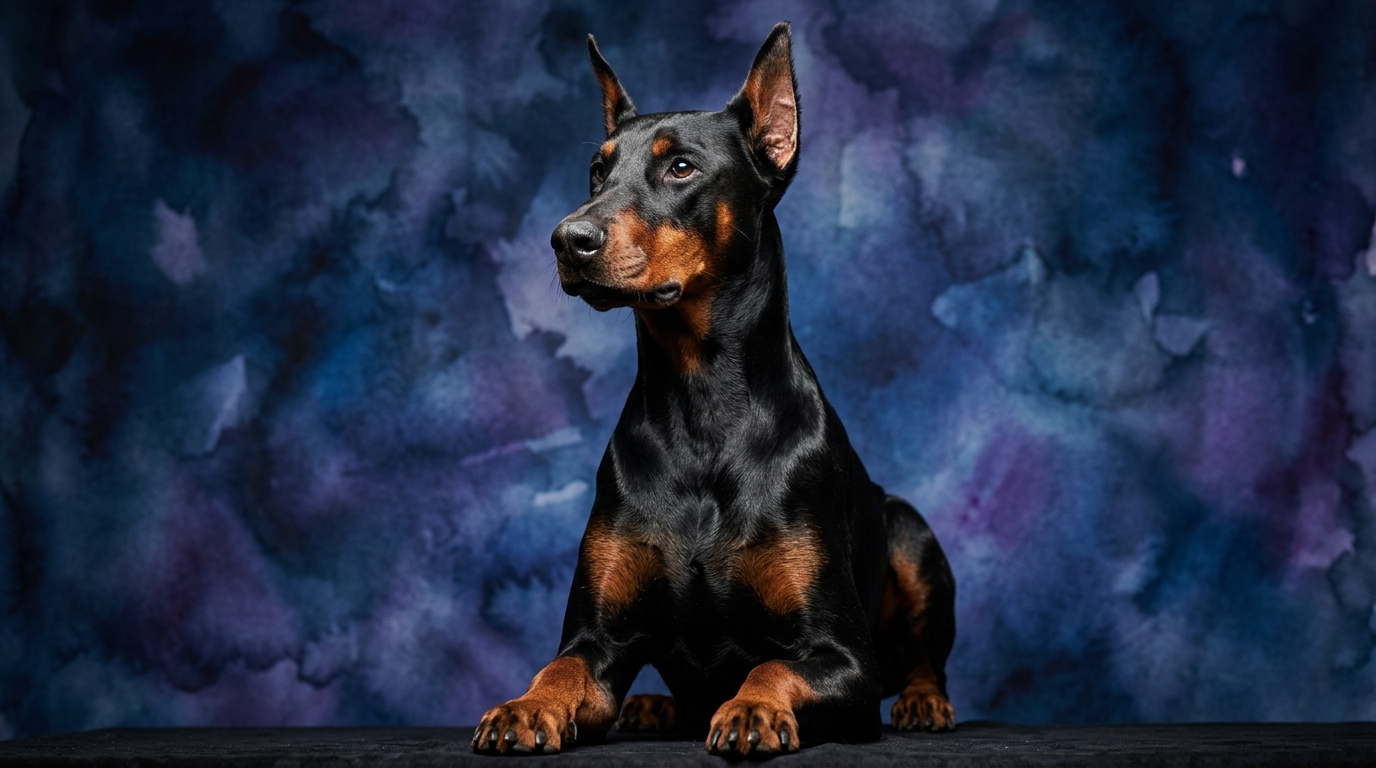
The Doberman Pinscher, holding a Coren rank of #5, exhibits a cognitive profile geared for rapid learning and task execution. Their Problem Solving is rated 5/5, indicating an exceptional ability to grasp complex situations and devise effective solutions quickly. Training Speed is also 5/5, reflecting their eagerness and capacity to acquire new commands and behaviors with minimal repetition. Social Intelligence stands at 4/5; they are adept at reading human cues and forming strong, responsive bonds, though their intensity can sometimes be misconstrued. An Instinctive Drive of 5/5 highlights their powerful work ethic, protective instincts, and focus, while their Memory, rated 5/5, ensures they retain extensive training and experiences over long periods, making them consistently reliable.
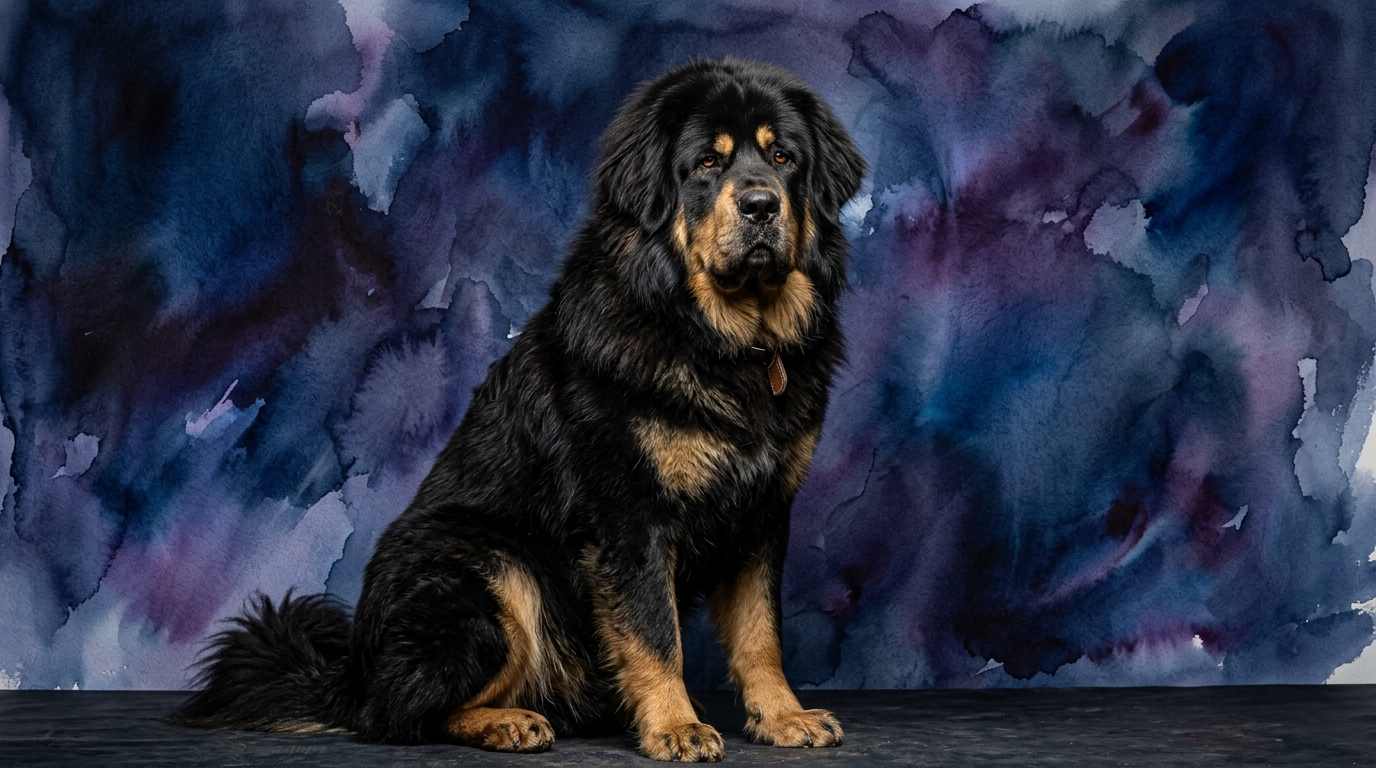
The Tibetan Mastiff, while not Coren-ranked, presents a distinct cognitive approach. Their Problem Solving is rated 3/5, suggesting they are capable of finding solutions but may prefer established routines over innovative approaches, often relying on their innate judgment rather than seeking human direction for every challenge. Training Speed is 3/5, indicating a moderate learning pace that demands patience and consistent, positive reinforcement, as they are not inherently driven by the same 'eager to please' motivation. Social Intelligence is 3/5; they form deep, discerning bonds with their immediate family but remain reserved and independent with outsiders, evaluating new social interactions cautiously. An Instinctive Drive of 3/5 points to a profound territorial guardian instinct, expressed more through watchful presence and independent assessment than through active, task-oriented work. Their Memory is rated 3/5, meaning they retain important information and training, but perhaps with less immediate recall or precision than a Doberman, often applying it within their self-determined context.
Where the Doberman Pinscher Excels Cognitively
The Doberman Pinscher's cognitive strengths shine particularly in their capacity for structured learning and rapid application of knowledge. Their 5/5 Problem Solving means they quickly analyze novel situations, understand multi-step commands, and adapt their behavior to achieve desired outcomes efficiently. This breed excels at tasks requiring intricate sequencing and dynamic decision-making, such as advanced obedience trials, protection work, or complex scent detection. Their superior Training Speed (5/5) allows them to master new skills with fewer repetitions, making them highly receptive to continuous education and skill development. Furthermore, their high Instinctive Drive (5/5) is readily channeled into purposeful activities, fostering a relentless focus and determination to complete tasks. A Doberman processes new information with remarkable speed, integrating it into their behavioral repertoire almost immediately, which makes them highly versatile and responsive partners in a wide array of activities.
Where the Tibetan Mastiff Excels Cognitively
While the Tibetan Mastiff may not match the Doberman Pinscher's speed in conventional training metrics, their cognitive strengths lie in a profound, independent judgment and an unwavering commitment to their core purpose. Their 3/5 Problem Solving, though lower, reflects a deep-seated ability to assess environmental changes and potential threats autonomously, often making decisions based on their own nuanced understanding of their territory and family's safety. This isn't about quick, reactive solutions but a more deliberate, enduring assessment. Their Social Intelligence (3/5) manifests as an extremely selective and profound loyalty; they possess an innate ability to discern true threats from benign strangers, prioritizing the safety of their inner circle above all else. This discernment is a complex social calculation, not a simple 'eager to please' response. Their Instinctive Drive (3/5) is powerfully expressed through a steadfast, watchful presence, a form of cognitive endurance that allows them to maintain vigilance over extended periods, making subtle judgments about their surroundings without constant human direction. They excel in sustained, independent guardianship, a role that demands a different kind of cognitive processing than the Doberman's active work.
Ease of Training: Doberman Pinscher vs. Tibetan Mastiff
Without a doubt, the Doberman Pinscher is significantly easier to train than the Tibetan Mastiff, a distinction rooted deeply in their behavioral drivers and cognitive profiles. The Doberman's 5/5 Training Speed indicates an innate eagerness and capacity to absorb commands rapidly. They possess a strong desire to engage with their human companions and thrive on structured activities and mental challenges. Their high Problem Solving (5/5) means they quickly understand what is being asked of them and can generalize learned behaviors to new contexts. They view training as an engaging partnership, driven by their powerful Instinctive Drive (5/5) which, when properly channeled, translates into focused, energetic work. In contrast, the Tibetan Mastiff's 3/5 Training Speed reflects a more independent and self-reliant nature. They learn, but often on their own terms and at a pace dictated by their intrinsic motivations rather than an inherent desire to please. Training a Tibetan Mastiff requires immense patience, consistency, and a deep understanding of their guardian mindset. They respond best to fair, respectful methods that appeal to their inherent sense of duty and autonomy, rather than rote repetition or forced compliance. Their problem-solving (3/5) is more about independent assessment than seeking instruction, meaning an owner must earn their cooperation and respect, often through demonstrating clear, consistent leadership and understanding their unique communication style. Real behavioral differences include the Doberman's quick responsiveness to cues versus the Mastiff's deliberate consideration, and the Doberman's enthusiasm for repetitive drills versus the Mastiff's potential for disinterest if the task doesn't align with their perceived purpose.
Suitability for Active vs. Relaxed Owners
The Doberman Pinscher is unequivocally suited for active owners who can provide consistent mental and physical stimulation. Their high Problem Solving, Training Speed, and Instinctive Drive mean they require daily engagement in activities like obedience training, agility, protection sports, or extensive walks and runs. They thrive when given a 'job' and can become bored or destructive if their cognitive and physical needs are not met. An active owner for a Doberman is one who enjoys training, exploring, and integrating their dog into a dynamic lifestyle, ensuring their sharp mind and powerful body are always challenged. The Tibetan Mastiff, conversely, suits owners who are 'relaxed' in terms of constant, high-energy activity, but deeply committed in terms of stable presence and understanding. While they need regular exercise to maintain health, they are not typically a breed that demands hours of intense, structured activity. Their cognitive strengths lie in watchful presence and independent judgment; they are content observing their domain. A 'relaxed' owner for a Tibetan Mastiff is one who provides a secure, predictable environment, understands and respects their independent nature, and offers consistent, calm leadership without expecting constant interaction or 'eager to please' displays. They are excellent companions for owners who appreciate a majestic, self-reliant presence rather than a dog constantly seeking active participation.
The Verdict
Choose the Doberman Pinscher if you seek a highly trainable, versatile, and responsive companion eager for active engagement and structured learning. They excel with owners who can provide consistent mental and physical challenges, thriving in environments that channel their intense drive and problem-solving abilities.
Choose the Tibetan Mastiff if you appreciate a majestic, independent guardian with a profound sense of loyalty and a more deliberate cognitive style. They are best suited for patient owners who understand their self-reliant nature, provide a stable environment, and value a watchful presence over constant interaction or competitive obedience.
🧠 Find Your Pet's IQ Score
Our Pet IQ Lab assessment covers 25+ tests across 5 cognitive dimensions — personalized to your breed.
Take the Full IQ Test →Frequently Asked Questions
Does a Doberman Pinscher require more mental stimulation than a Tibetan Mastiff?
Yes, a Doberman Pinscher generally requires significantly more consistent mental stimulation due to their high problem-solving and training speed, thriving on complex tasks and continuous learning. A Tibetan Mastiff, while intelligent, is more inclined towards independent thought and watchful observation, requiring mental engagement in a different, less 'active' way.
Can a Tibetan Mastiff be trained for advanced obedience?
A Tibetan Mastiff can be trained for obedience, but it will typically require more patience, consistency, and a different motivational approach than with a Doberman. Their independent nature and moderate training speed mean they learn at their own pace and respond best to methods that respect their autonomy rather than demanding rote compliance.
How do their social intelligence differences impact household dynamics?
A Doberman Pinscher's higher social intelligence (4/5) generally means they are more adaptable to various social situations and quicker to bond with new people within the family circle, though they remain discerning. A Tibetan Mastiff's social intelligence (3/5) is characterized by deep, selective loyalty to their family and reservedness with strangers, requiring careful socialization and clear boundaries to manage their guardian instincts within a household.