Unpacking Canine Cognition: A Side-by-Side IQ Profile
At The Cosmic Pet Pet IQ Lab, we assess canine intelligence across five key dimensions: Problem Solving, measuring a dog's ability to overcome obstacles; Training Speed, reflecting how quickly they acquire new commands; Social Intelligence, indicating their understanding of human cues and group dynamics; Instinctive Drive, representing their innate motivation for tasks; and Memory, their capacity to retain learned information. These metrics provide a nuanced understanding of a breed's cognitive strengths.
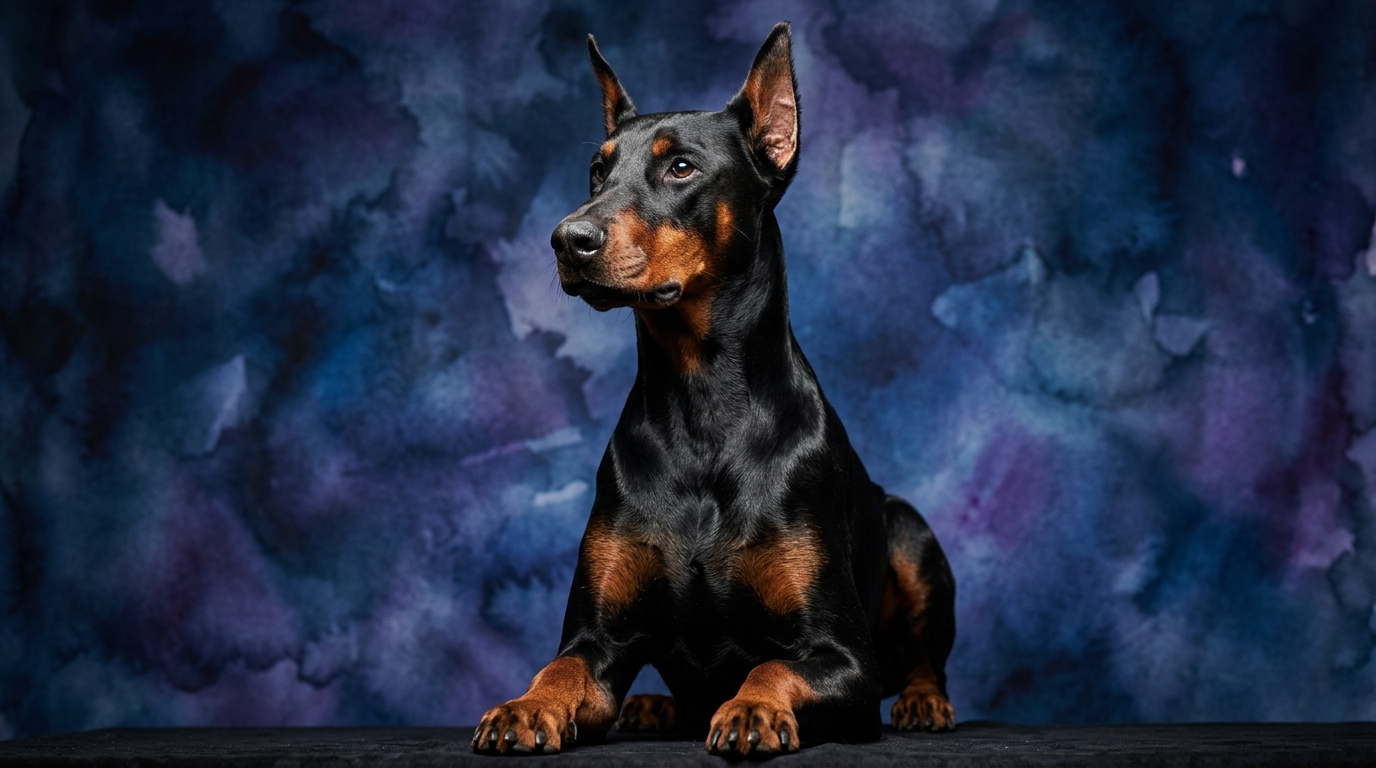
The Doberman Pinscher, a distinguished member of the Working Group and ranked #5 on the Coren scale for working and obedience intelligence, presents a formidable cognitive profile. Their Problem Solving and Training Speed both score an exceptional 5/5, indicating a dog capable of rapidly grasping complex instructions and devising solutions to challenges. Instinctive Drive and Memory also register a perfect 5/5, reflecting a deep-seated motivation for purpose and an impressive capacity to retain vast amounts of information and learned behaviors. Their Social Intelligence stands strong at 4/5, showing a keen awareness of human cues and a focused loyalty within a family unit.
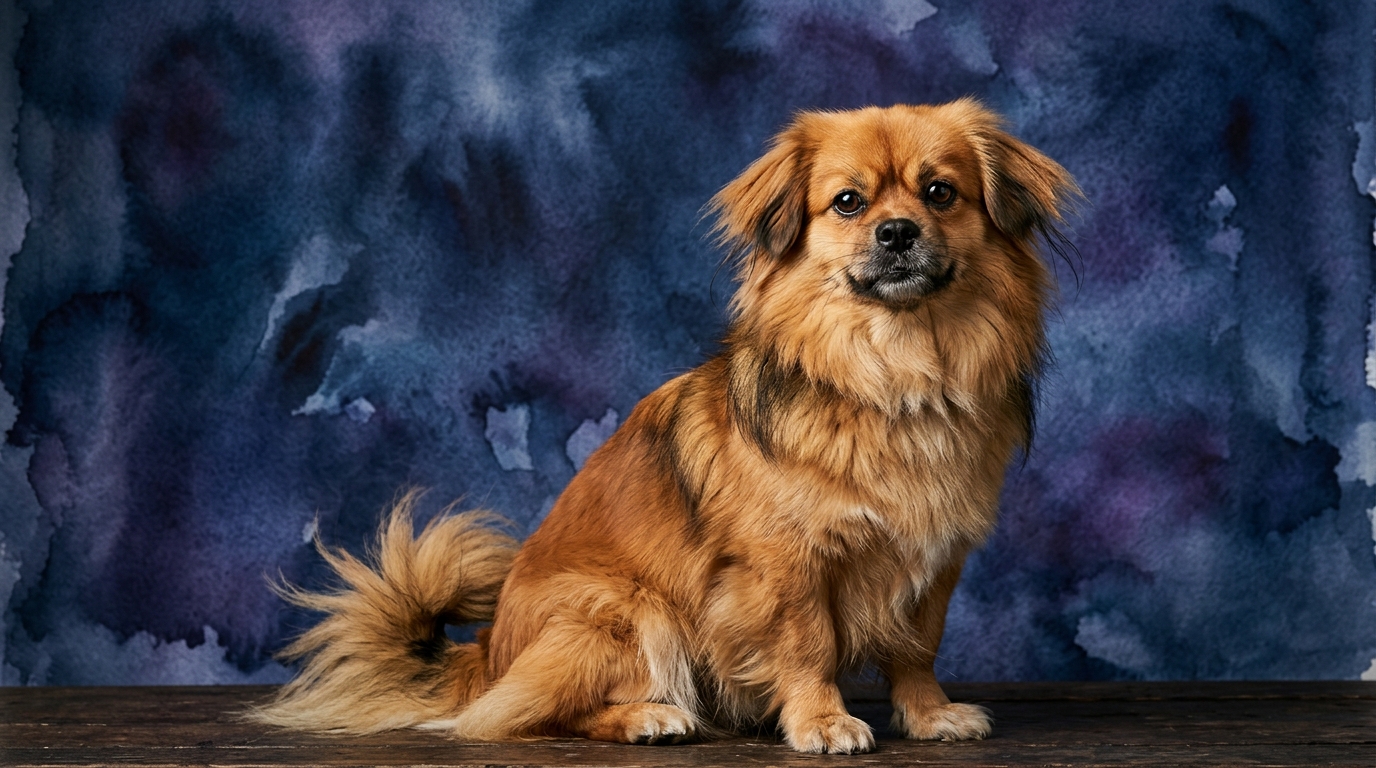
In contrast, the Tibetan Spaniel, a companion breed from the Non-Sporting Group, exhibits a balanced yet distinct cognitive blueprint. With scores of 3/5 across all five dimensions—Problem Solving, Training Speed, Social Intelligence, Instinctive Drive, and Memory—they embody a different kind of aptitude. These moderate scores suggest a dog that approaches learning and challenges with a thoughtful, often independent, demeanor. While not driven by the same intense working fervor as the Doberman, their cognitive makeup is perfectly suited to their historical role as watchful companions, valuing connection over complex command structures.
Where the Doberman Pinscher Excels Cognitively
The Doberman's top-tier scores translate into unparalleled aptitude for structured learning and task execution. Their 5/5 in Problem Solving means they don't just follow commands; they can assess novel situations and independently work through solutions, making them exceptional candidates for roles requiring initiative, such as search and rescue or protection work. This cognitive agility allows them to adapt quickly to changing scenarios and make rapid decisions, a crucial trait in demanding environments.
The combination of 5/5 Training Speed and 5/5 Memory makes the Doberman an extraordinarily efficient learner. They absorb new commands with minimal repetition and retain them for extended periods, building a vast repertoire of behaviors. This rapid assimilation and retention are further amplified by their 5/5 Instinctive Drive, which fuels a persistent desire to engage in purposeful activities and fulfill their role, whether it's competitive obedience, agility, or guarding their household.
Nuanced Strengths of the Tibetan Spaniel
While their scores are moderate, the Tibetan Spaniel's cognitive profile offers distinct advantages particularly suited for companionship. Their 3/5 in Social Intelligence means they are perceptive to human emotions and social dynamics, fostering a deep, intuitive bond without needing constant instruction. This level of social awareness allows them to integrate harmoniously into various family structures, offering comfort and companionship with a charming, discerning independence.
The Tibetan Spaniel's 3/5 in Problem Solving often manifests as a clever, sometimes quirky, approach to navigating their environment. They might not solve complex puzzles with speed, but they can cleverly manipulate situations to their advantage, like finding the warmest sunbeam or observing their surroundings from a strategic vantage point—a nod to their historical role as watchdogs. Their moderate Instinctive Drive also means they are generally content with less structured "work," making them adaptable to quieter home lives while still enjoying engaging play and mental enrichment on their own terms.
Training Dynamics: Doberman Pinscher vs. Tibetan Spaniel
Training a Doberman Pinscher often feels like a collaboration with an eager student. Their 5/5 Training Speed means they pick up commands almost immediately, and their 5/5 Memory ensures those lessons stick. This breed thrives on clear, consistent instruction and purpose-driven tasks. Owners will observe them anticipating cues and performing sequences with precision, making them highly responsive to advanced obedience, agility, or protection training. Their high Instinctive Drive means they are often self-motivated to work and please, simplifying the training process significantly.
Training a Tibetan Spaniel requires a different approach, emphasizing patience and positive reinforcement. Their 3/5 Training Speed means new concepts might take more repetitions to solidify, and their 3/5 Memory requires consistent review. Unlike the Doberman, the Tibetan Spaniel's moderate Instinctive Drive means they are less inherently motivated by task completion alone; instead, they respond well to training sessions that feel like engaging games or social interactions. Their inherent independence can sometimes be perceived as stubbornness, but it's more accurately a preference for self-direction, meaning owners must make training rewarding and fun to maintain engagement.
Matching Cognitive Profiles to Lifestyles
For active owners who relish structured activities and mental challenges, the Doberman Pinscher is an ideal match. Their robust cognitive abilities—high problem-solving, rapid learning, and strong drive—demand consistent engagement through advanced training, dog sports, or roles that provide a sense of purpose. An owner who can channel the Doberman's intense focus and energy into constructive outlets will find an incredibly devoted and capable partner, one that thrives on having a "job" to do and a mind to exercise daily.
The Tibetan Spaniel, with its balanced cognitive profile, is better suited for owners seeking a charming and adaptable companion that requires less formal, rigorous training. Their moderate drive and social intelligence make them content in homes that offer companionship, regular walks, and enriching play without the intensity of a working breed. Owners who appreciate a dog with a discerning personality, a tendency for self-amusement, and a keen awareness of its surroundings—without needing constant direction—will find a delightful match in the Tibetan Spaniel.
The Verdict
Choose the Doberman Pinscher if you desire a dedicated, highly trainable partner for complex tasks, dog sports, or protection work, and are prepared to meet their profound need for mental and physical engagement.
Opt for the Tibetan Spaniel if you seek an independent, charming companion dog that thrives on companionship, offers discerning loyalty, and fits well into a less structured, yet still engaging, home environment.
🧠 Find Your Pet's IQ Score
Our Pet IQ Lab assessment covers 25+ tests across 5 cognitive dimensions — personalized to your breed.
Take the Full IQ Test →Frequently Asked Questions
Do Tibetan Spaniels need as much mental stimulation as Doberman Pinschers?
No, Tibetan Spaniels typically require less intense and structured mental stimulation than Doberman Pinschers. While they benefit from puzzle toys and engaging play, their moderate cognitive drive means they don't demand the same level of complex training or purposeful "jobs" to remain content.
How does the Doberman's high memory score impact daily life?
A Doberman's 5/5 memory means they quickly learn household rules, boundaries, and routines, and rarely forget commands once mastered. This facilitates consistent behavior and makes them reliable partners in daily activities, but also means they will remember negative experiences or inconsistent training.
Can a Tibetan Spaniel participate in dog sports despite its moderate scores?
Absolutely. While they might not reach the elite competitive levels of a Doberman in all disciplines, Tibetan Spaniels can certainly enjoy and excel in dog sports like obedience, rally, or even agility, especially when training is approached with patience, positive reinforcement, and a focus on fun to engage their independent spirit.