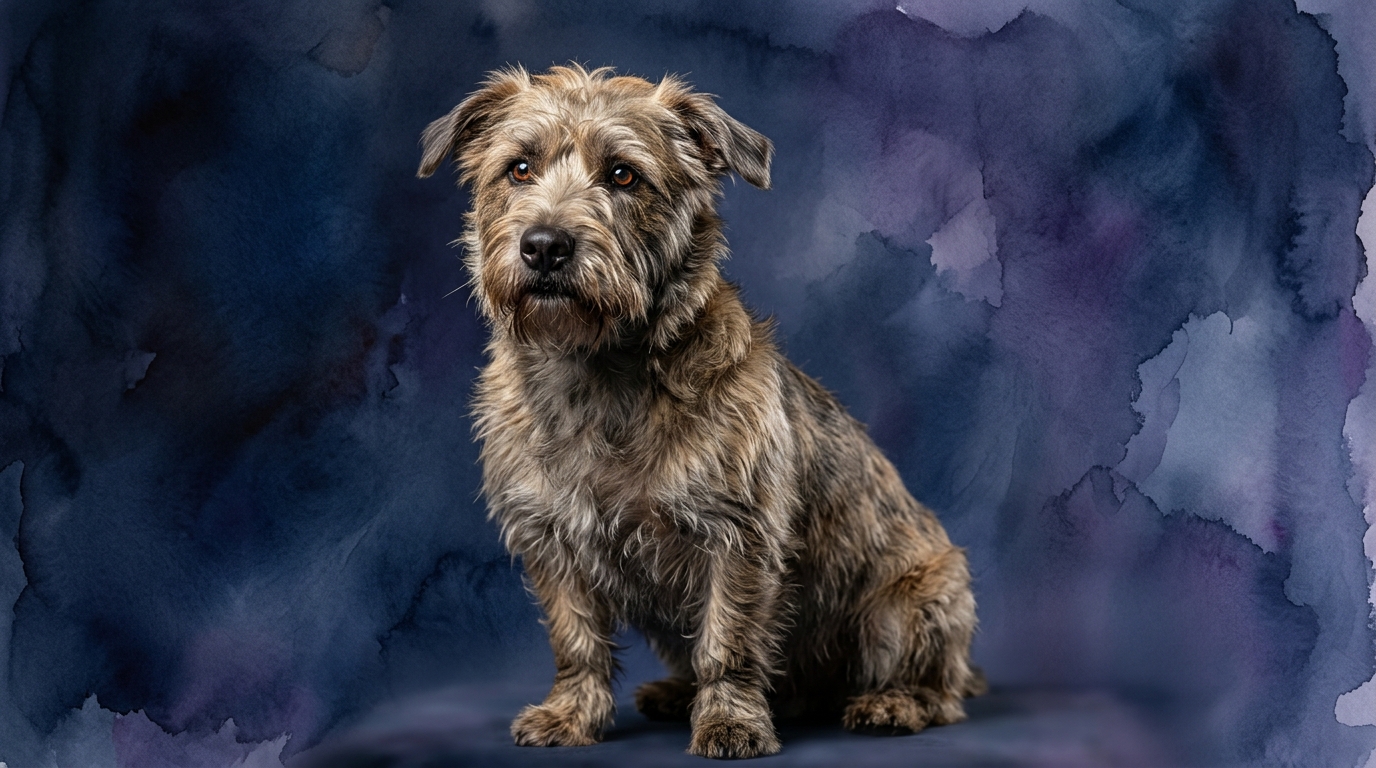
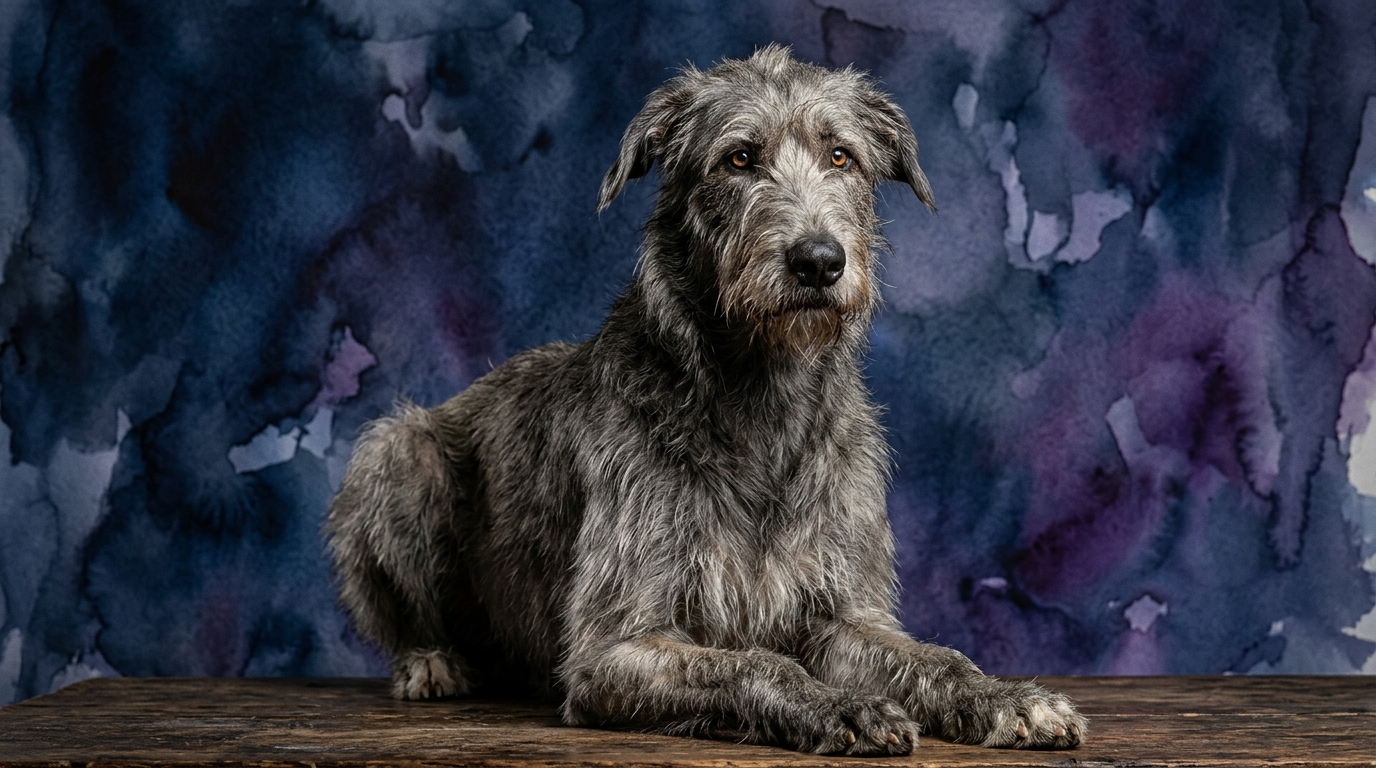
Side-by-Side IQ Profile: Glen of Imaal Terrier vs. Irish Wolfhound
Despite both breeds scoring a consistent 3/5 across all evaluated cognitive dimensions, their breed-specific histories and temperaments shape how these scores translate into real-world behavior. For the Glen of Imaal Terrier, a Problem Solving score of 3/5 manifests as persistent, independent thought, particularly when tackling tasks like unearthing prey or navigating complex, confined spaces. Their Training Speed, also 3/5, indicates they learn at a moderate pace, but their strong will and self-assured nature often necessitate patient, consistent, and engaging methods. Social Intelligence at 3/5 suggests Glens are observant but not overly effusive, forming deep, discerning bonds with their chosen few while maintaining a certain terrier independence. Their Instinctive Drive, rated 3/5, is robust, centered on a powerful prey drive, an urge to dig, and a protective nature towards their home. Finally, a Memory score of 3/5 allows them to retain complex commands and recall successful strategies for problem-solving, making them effective, if sometimes stubborn, learners.
The Irish Wolfhound's cognitive profile, while numerically identical, presents a different tapestry of traits. Their Problem Solving score of 3/5 often involves assessing situations calmly and thoughtfully, whether tracking game across open fields or navigating tight household spaces with their immense size. Training Speed, also 3/5, reflects their capacity to learn with gentle guidance and positive reinforcement; their inherent sensitivity means they thrive on encouragement and can become withdrawn if handled harshly. The Wolfhound's Social Intelligence, rated 3/5, is evident in their calm, watchful demeanor and their profound ability to gauge human moods and intentions, making them deeply empathetic companions. Their Instinctive Drive, also 3/5, is primarily rooted in their sighthound heritage, with a strong urge to chase, coupled with a gentle, discerning protective instinct towards their family. A Memory score of 3/5 is reliable for routines, people, and learned behaviors, contributing significantly to their generally placid and predictable nature.
Where the Glen of Imaal Terrier Wins Cognitively
The Glen of Imaal Terrier's cognitive strengths truly shine in their exceptional persistence and independent problem-solving, particularly in tasks requiring grit and determination. While both breeds score 3/5 in problem-solving, the Glen's terrier heritage imbues them with a unique tenacity to pursue a goal relentlessly, often without direct human intervention once focused. This might manifest as figuring out how to bypass an obstacle to reach a perceived 'prey' item, meticulously working through a complex puzzle toy until it yields its reward, or devising clever strategies to access forbidden areas. Their instinctive drive, while rated 3/5, is channeled into specific, goal-oriented actions, making them exceptionally effective at tasks that require focus and a certain amount of self-direction. Owners frequently report their Glens exhibiting clever, sometimes mischievous, strategies to get what they want, a testament to their practical cognitive application. This independent thought process, coupled with their memory (3/5) for past successes, allows them to adapt and refine their approaches, making them formidable little strategists in their own right, especially when a challenge piques their interest.
Where the Irish Wolfhound Wins Cognitively
The Irish Wolfhound's cognitive advantages often lie in their profound social acumen and the thoughtful, measured application of their instincts, despite sharing a 3/5 rating with the Glen. Their social intelligence, while equally scored, is characterized by a remarkable empathy and a calm, discerning nature. They possess an uncanny ability to read human emotions, offering gentle reassurance or a quiet, comforting presence when needed, a quality that makes them exceptional therapy or companion animals. Their problem-solving, rated 3/5, leans towards observational learning and a strategic, rather than forceful, approach; they are less about brute tenacity and more about measured assessment, especially in a social context or when navigating their immense bodies in confined spaces. This includes understanding complex household routines, anticipating family members' needs, and adapting their behavior accordingly—a subtle but powerful form of cognitive strength that deeply enhances their role as a family member. Their memory, also 3/5, extends to a deep recall of social interactions, learned boundaries, and preferred routines, ensuring consistent, gentle, and reliable behavior within the home environment.
Which is Easier to Train and Why
Determining which breed is 'easier' to train between the Glen of Imaal Terrier and the Irish Wolfhound, both rated 3/5 in training speed, largely depends on the trainer's approach, consistency, and understanding of breed-specific motivations. The Irish Wolfhound, despite its imposing size, is generally known for its gentle nature and a strong desire to please its human companions. They typically respond exceptionally well to positive reinforcement, gentle guidance, and clear, consistent communication. Their social intelligence and inherent desire for companionship mean they often strive to understand and comply with commands to maintain harmony within their 'pack,' making the training process feel more cooperative. However, their independent sighthound instincts can make recall a significant challenge if a tempting scent or movement catches their eye, requiring dedicated training in varied environments.
In contrast, the Glen of Imaal Terrier, with its strong independent streak and inherent terrier tenacity, presents a different training dynamic. While they are certainly capable of learning at a moderate pace, their problem-solving ability often means they'll try to figure out how to do things *their* way, or assess if a command truly benefits them. Training a Glen requires immense patience, firmness, and creativity to make learning engaging and rewarding, as they are less inclined to obey simply to please. Their formidable prey drive means off-leash reliability requires extensive, dedicated training and a rock-solid foundation in obedience. Therefore, while both breeds are capable learners, the Wolfhound's sensitive and agreeable nature often makes the training process feel more fluid and less of a battle of wills for a patient owner, whereas the Glen demands a more strategic and persistent trainer.
Which Suits Active Owners vs. Relaxed Owners
The choice between a Glen of Imaal Terrier and an Irish Wolfhound also hinges significantly on an owner's lifestyle, particularly their activity level and preferred daily pace. For the active owner who enjoys engaging in purposeful outdoor activities, the Glen of Imaal Terrier can be an excellent fit. While not requiring endless miles of running, they thrive on mental stimulation and opportunities to exercise their instinctive drives. Activities like earthdog trials, agility, long, exploratory walks where they can sniff and 'hunt,' or even challenging puzzle games are ideal for satisfying their energetic and curious nature. They are robust, compact, and always ready for adventure, making them suitable for owners who appreciate a dog with a sturdy build and a spirited, independent approach to life.
Conversely, the Irish Wolfhound, despite its history as a formidable hunting dog, often suits a more relaxed owner, or at least one who understands their unique exercise needs. While they require regular, moderate exercise to maintain their immense physique and prevent boredom—including long, steady walks or opportunities to gallop in a securely fenced area—they are not typically hyperactive. Their instinctive drive (3/5) is satisfied with purposeful outings, but they are equally content to lounge gracefully indoors with their family for much of the day. Their calm, gentle demeanor makes them wonderful companions for owners who value quiet companionship and a less frantic pace of life. Owners must, however, be prepared for their significant space requirements, both indoors and outdoors, and the logistics of managing a dog of such grand scale.
The Verdict
Choose a Glen of Imaal Terrier if you appreciate a tenacious, independent thinker with a spirited personality, and are prepared to engage their strong drives with consistent, creative training and mental stimulation.
Choose an Irish Wolfhound if you seek a gentle, empathetic giant who thrives on quiet companionship and a calm household, and are ready to accommodate their immense size with plenty of space and moderate exercise.
🧠 Find Your Pet's IQ Score
Our Pet IQ Lab assessment covers 25+ tests across 5 cognitive dimensions — personalized to your breed.
Take the Full IQ Test →Frequently Asked Questions
Do Glen of Imaal Terriers get along with other pets?
Glens possess a strong prey drive, so careful introductions and supervision are essential with smaller pets; however, many can coexist peacefully with cats or other dogs if socialized early and managed appropriately. Their social intelligence (3/5) means they can learn to adapt to a multi-pet household with proper guidance.
How much exercise does an Irish Wolfhound need daily?
Irish Wolfhounds require moderate exercise, typically 30-60 minutes spread throughout the day, including brisk walks or a chance to gallop in a secure area. Despite their size, over-exertion in puppyhood should be avoided to protect their developing joints, ensuring their instinctive drive (3/5) is met without strain.
Are either of these breeds good for first-time dog owners?
Both breeds can be suitable for dedicated first-time owners who are committed to understanding their specific needs and are prepared for consistent training and socialization. However, the Glen's independent nature and the Wolfhound's immense size present unique challenges that require dedicated research, patience, and unwavering commitment to responsible ownership.