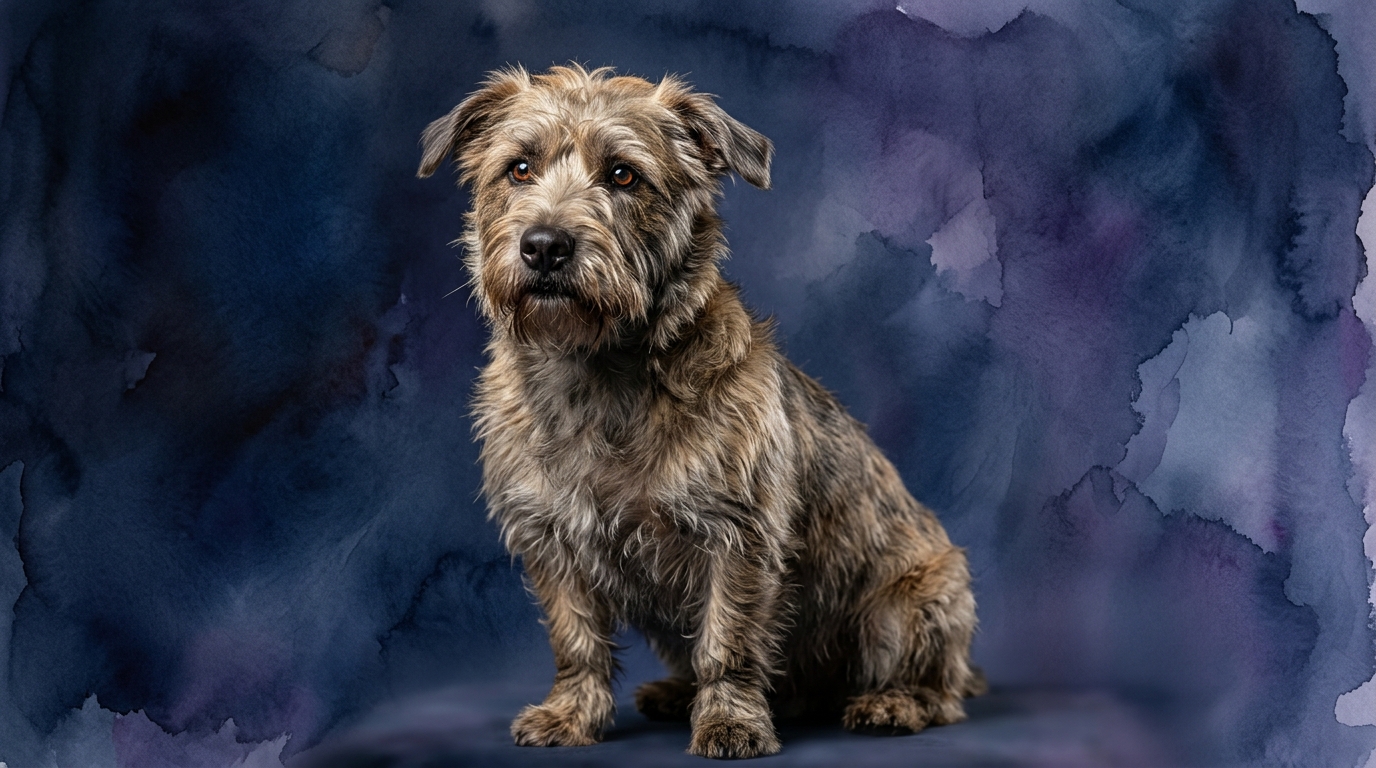
Side-by-Side Cognitive Profile: Glen of Imaal Terrier
The Glen of Imaal Terrier demonstrates its cognitive strengths with a Problem Solving score of 3/5, manifesting as a methodical, independent approach to challenges, often rooted in their badger-hunting heritage, excelling at persistent tasks like scent tracking. Their Training Speed, also 3/5, means they learn steadily, evaluating commands for utility, absorbing routines well with consistent, engaging, and fair reinforcement. Social Intelligence (3/5) is expressed as quiet perceptiveness, forming deep family bonds while being reserved with strangers and reading social cues discerningly. Their Instinctive Drive (3/5) is a deep-seated, focused tenacity for scent and pursuit, emerging in activities like searching or burrowing. Finally, their Memory (3/5) is reliable for routines, commands, and environment, making consistency crucial.
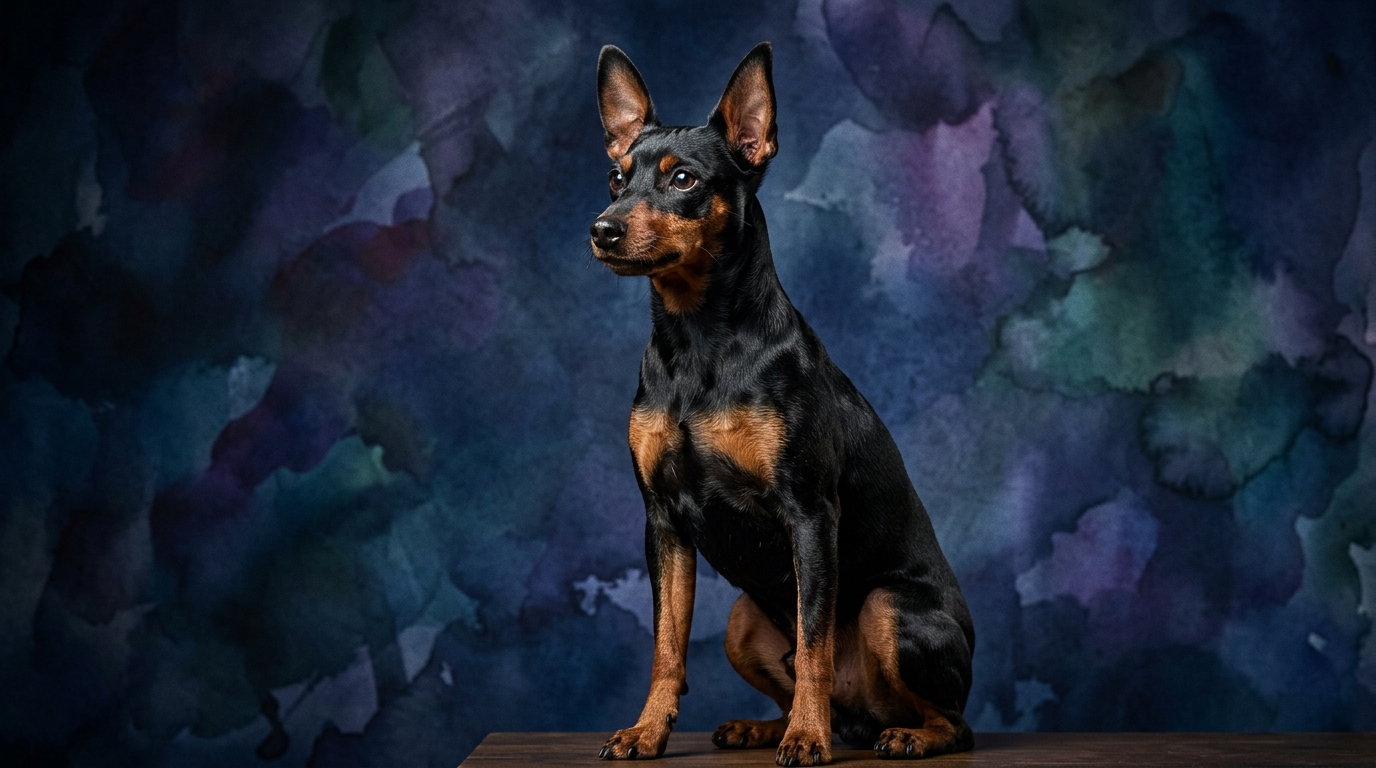
Side-by-Side Cognitive Profile: Miniature Pinscher
The Miniature Pinscher’s Problem Solving (3/5) is characterized by energetic curiosity and a desire to explore boundaries, adept at figuring out access or attention through quick trial-and-error. With a Training Speed of 3/5, they grasp concepts quickly, though their independent and sometimes stubborn nature requires consistent motivation for reliable execution. Their Social Intelligence (3/5) makes them highly attuned to human emotions, often using this awareness to their advantage, confident in social settings but potentially assertive with unfamiliar individuals. An Instinctive Drive (3/5) rooted in vermin-hunting translates into a vigorous prey drive, chasing small objects, and territorial alertness, fueling their characteristic "busy" nature. Their Memory (3/5) is robust for commands, routines, and experiences, quickly recalling what behaviors yield desired outcomes.
Where the Glen of Imaal Terrier Wins Cognitively
While both breeds share a 3/5 rating across cognitive dimensions, the Glen of Imaal Terrier often demonstrates a nuanced advantage in tasks requiring sustained, independent thought and a patient, methodical approach. Their problem-solving, though rated equally, tends to be less impulsive and more reflective than the Min Pin's. A Glen excels in scenarios demanding quiet persistence, such as intricate scent work or carefully navigating a complex physical puzzle over time, rather than relying on speed or bold experimentation. Their instinctive drive, while potent, is channeled into a focused, silent determination during tasks, allowing them to concentrate deeply without constant external stimulation. This profound tenacity, born from their badger-hunting past, means they can remain engaged with a challenge for extended periods, working through obstacles with a calm, self-reliant resolve that might see a more excitable breed lose focus.
Where the Miniature Pinscher Wins Cognitively
Conversely, the Miniature Pinscher often shines in cognitive domains that benefit from rapid assessment, energetic interaction, and a quick-witted adaptability. Their problem-solving, also rated 3/5, is characterized by a lively curiosity and an inclination towards immediate action, making them particularly adept at figuring out novel ways to achieve goals, like opening a cabinet or cleverly signaling for attention. This breed’s social intelligence, while rated the same, often translates into a more overtly expressive and interactive understanding of human cues, allowing them to quickly adapt their behavior to elicit specific responses. Their quick physical agility combined with their sharp mental processing allows them to respond to changing environments or new commands with greater immediacy. The Min Pin's confident, sometimes bold, nature allows them to tackle new cognitive challenges with an eager, fearless spirit, often trying multiple strategies in rapid succession until one proves effective.
Which is Easier to Train and Why
Determining which breed is 'easier' to train is less about raw learning capacity and more about managing their distinct temperaments and motivations, given both score 3/5 in training speed. The Miniature Pinscher, with its energetic curiosity and desire for interaction, can often appear quicker to pick up basic commands, especially when motivated by high-value treats or engaging play. Their responsiveness to social cues means they often enjoy the back-and-forth of training sessions, though their independent streak and tendency to be easily distracted require consistent, short, and varied training to maintain engagement. They learn rapidly, but reliability comes from managing their propensity for self-direction. The Glen of Imaal Terrier, while equally capable of learning, tends to be more deliberate. Their terrier independence means they need to understand the 'why' behind a command, and they are less inclined to perform simply for enthusiastic praise. Training a Glen requires patience, fairness, and a deep understanding of their methodical nature. While they may not learn a trick in three repetitions, once a Glen understands and accepts a command, their recall and execution are often incredibly solid and reliable, reflecting their deep-seated tenacity rather than flashy speed. Therefore, the Min Pin might offer quicker initial results, but the Glen often provides more steadfast, ingrained learning with the right approach.
Which Suits Active Owners vs Relaxed Owners
The choice between a Glen of Imaal Terrier and a Miniature Pinscher based on owner lifestyle hinges on the type of activity and relaxation sought. For truly active owners who enjoy vigorous, continuous outdoor adventures like long runs, intense hiking, or dog sports that demand quick bursts of speed and agility, the Miniature Pinscher often proves to be a more fitting companion. Their boundless energy, quick footwork, and eagerness for continuous engagement mean they thrive on regular, high-intensity exercise and mental stimulation. They are also well-suited for owners who enjoy playful, interactive training sessions and appreciate a dog that is always "on." Conversely, for owners who prefer a more relaxed pace, yet still appreciate daily walks and engaging mental tasks without the need for constant high-octane output, the Glen of Imaal Terrier is an excellent match. While they possess stamina and enjoy exploring, their activity is often more about purposeful engagement—like a long sniffy walk or a focused digging session—rather than relentless running. They are content with a comfortable home life, provided their minds are kept busy with puzzles or gentle training, and their need for independence is respected. Relaxed owners who appreciate a calm presence but can commit to consistent, patient training and structured mental challenges will find the Glen a rewarding companion, whereas the Min Pin might overwhelm an owner seeking a more sedate pet.
The Verdict
Choose the Glen of Imaal Terrier if you appreciate a dog with a quiet, tenacious spirit, thriving on methodical problem-solving and patient, consistent guidance, fitting well into a home that offers structured engagement and respects their independent nature.
Opt for the Miniature Pinscher if you seek an energetic, quick-witted companion who thrives on constant interaction, lively play, and varied mental challenges, perfectly suited for an active owner who enjoys a bold, spirited personality.
🧠 Find Your Pet's IQ Score
Our Pet IQ Lab assessment covers 25+ tests across 5 cognitive dimensions — personalized to your breed.
Take the Full IQ Test →Frequently Asked Questions
Do Glen of Imaal Terriers get along with other pets given their instinctive drive?
Glen of Imaal Terriers possess a strong prey drive (3/5), but their social intelligence (3/5) allows them to learn to coexist peacefully with household cats or other dogs if introduced carefully and socialized from a young age. Supervision is key, especially with smaller, unfamiliar animals, due to their inherent hunting instincts.
Are Miniature Pinschers good apartment dogs despite their energy?
Miniature Pinschers, while energetic (instinctive drive 3/5), can adapt well to apartment living provided their substantial exercise and mental stimulation needs are met daily. Their small size helps, but consistent walks, playtime, and engaging training are crucial to prevent boredom and channeling their problem-solving (3/5) into destructive behaviors.
How do both breeds typically react to strangers, and how does this relate to their social intelligence?
Both breeds score 3/5 in social intelligence, but their expression differs. Glens tend to be reserved and observant with strangers, assessing them before offering acceptance, reflecting their discerning nature. Min Pins are often more vocal and assertive, sometimes wary or overly confident, using their social understanding to gauge and influence interactions with new people.