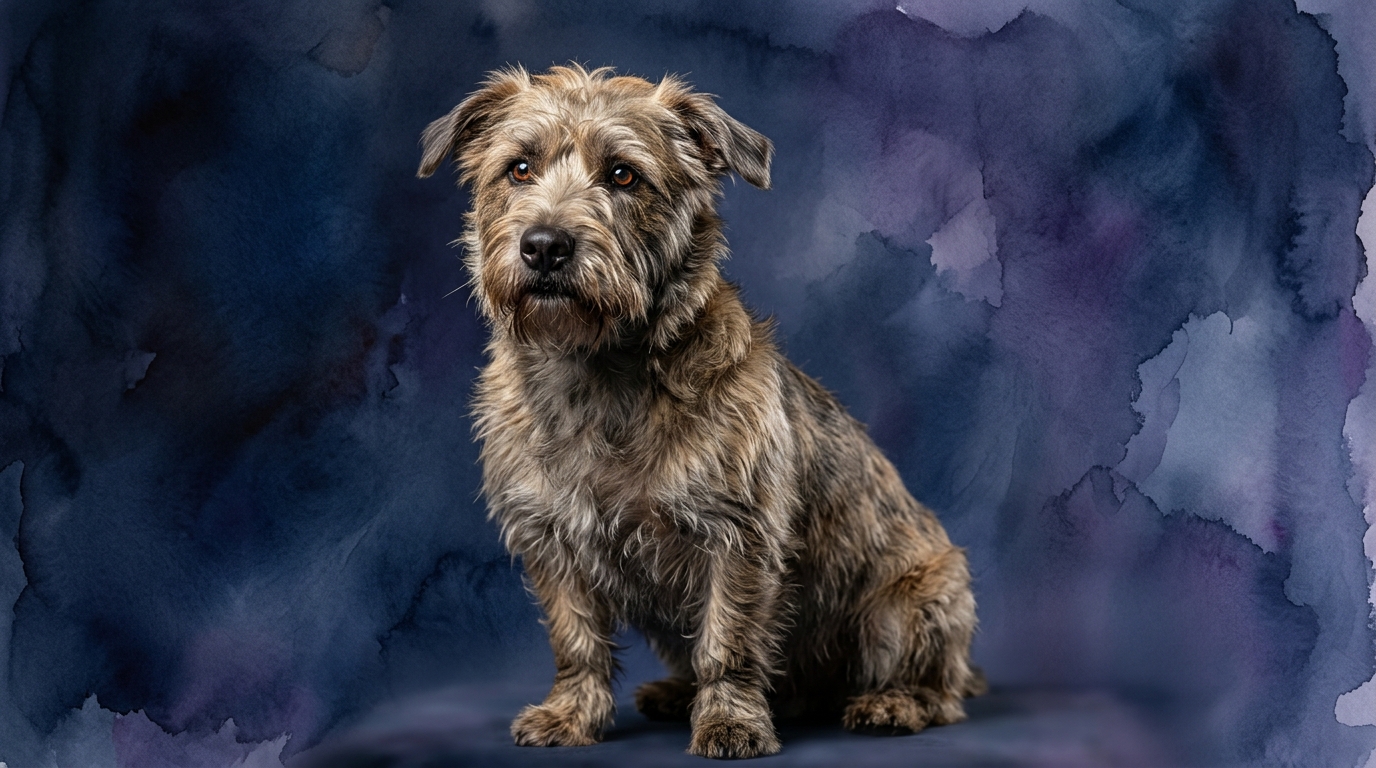
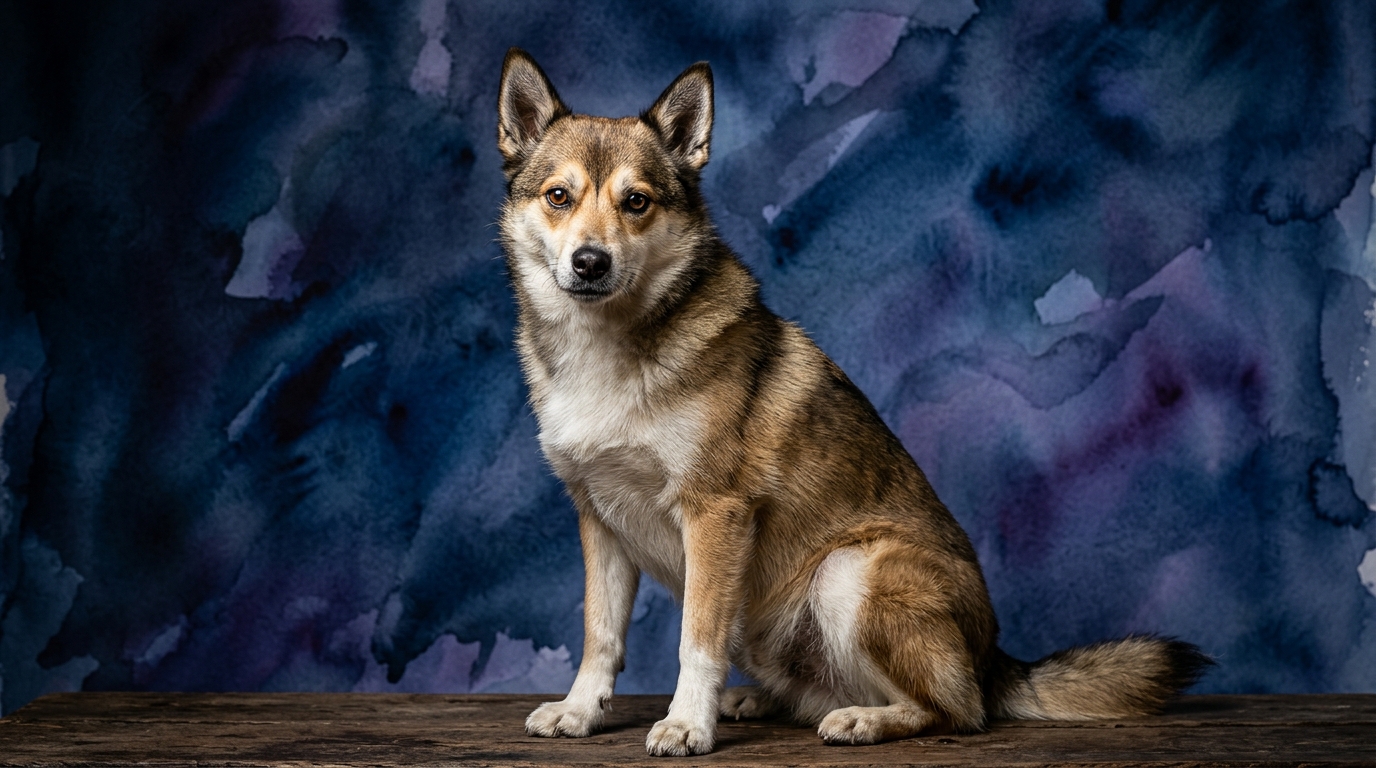
Side-by-Side IQ Profile: Unpacking the '3/5' Scores
Both the Glen of Imaal Terrier and the Norwegian Lundehund share a consistent '3/5' rating across all five cognitive dimensions. While this indicates a similar *level* of capacity, the way these abilities are expressed and perceived can differ significantly based on their breed-specific histories and inherent characteristics.
Problem Solving (3/5): This score suggests a good capacity for figuring things out, but not necessarily immediate brilliance or a strong reliance on human guidance. For the Glen of Imaal Terrier, this might translate into persistent, often solitary efforts to overcome physical barriers, like finding a way to dig under a fence or retrieve a toy from a tight space, reflecting their badger-hunting heritage; their solutions are often direct and tenacious. The Norwegian Lundehund's problem-solving at this level could involve navigating complex environments, like finding the best path across uneven terrain or figuring out how to access a specific high-up perch, mirroring their puffin-hunting agility on cliffs; their solutions might be more about adaptability and unique physical manipulation.
Training Speed (3/5): A '3/5' indicates they learn commands at a moderate pace, neither exceptionally fast nor particularly slow, but factors like motivation and independence can heavily influence actual progress. While capable of learning quickly, the Glen's terrier independence and strong prey drive can make them appear stubborn if a command doesn't align with their current interest, requiring patient and consistent motivation; their learning is often tied to reward and perceived utility. Lundehunds also learn at a moderate pace, but their independent nature, developed from solitary hunting, means they might weigh the value of a command against their own perceived needs or environmental distractions, sometimes needing creative engagement to maintain focus.
Social Intelligence (3/5): This score points to a reasonable ability to understand and interact appropriately with others, both canine and human, though their expression of this can vary. Glens typically display a discerning social intelligence, being devoted to their family but often reserved or wary with strangers, reading social cues to determine trustworthiness rather than being universally gregarious; they form strong bonds and understand their pack dynamics well. Lundehunds also possess a 3/5 social intelligence, often friendly and curious but sometimes exhibiting a degree of wariness or independence, observing new situations before fully engaging, a trait perhaps stemming from their less domesticated history; they can be quite adaptable once comfortable.
Instinctive Drive (3/5): A '3/5' in instinctive drive signifies a moderate but present set of innate behaviors tied to their breed's original purpose, requiring appropriate outlets. The Glen's drive is strongly rooted in their terrier heritage, manifesting as a keen desire to dig, chase small animals, and investigate interesting scents, an instinct that needs consistent management and redirection in a modern home; their persistence is a hallmark of this drive. For the Lundehund, this drive often translates into an urge to explore, climb, and forage, coupled with a keen awareness of their surroundings, reflecting their past as agile puffin hunters on challenging terrain; their instincts are often tied to physical exploration and problem-solving.
Memory (3/5): A '3/5' suggests a solid capacity for retaining information, including learned commands, routines, and past experiences, contributing to their overall adaptability. Glens remember training cues, routines, and the locations of favored items or digging spots quite well, but also tend to recall negative experiences or perceived injustices, influencing future interactions; their memory aids their persistent nature. Lundehunds also exhibit good memory, remembering complex routes, preferred places to hide treasures, and established household rules, which helps them navigate both their physical and social worlds effectively; their recall supports their exploratory tendencies.
Where the Glen of Imaal Terrier Wins Cognitively
Given their shared '3/5' scores, pinpointing clear 'wins' requires looking at the *application* of these capacities. The Glen of Imaal Terrier's cognitive strengths often manifest in their sheer tenacity and single-minded focus when pursuing a goal. Their Problem Solving (3/5) is uniquely expressed through persistent, often physical, efforts to overcome obstacles, especially those related to digging or retrieving, showcasing an unwavering resolve that can surprise owners. This breed's instinctive drive (3/5) isn't just about chasing; it's about a relentless, strategic pursuit that involves assessing weaknesses in barriers or understanding how to corner prey, even if it’s just a rogue dust bunny under the sofa. Their social intelligence (3/5) leans towards a highly discerning nature, quickly identifying trusted individuals and forming incredibly deep, protective bonds, making them astute judges of character within their immediate circle.
Where the Norwegian Lundehund Wins Cognitively
Conversely, the Norwegian Lundehund's cognitive advantages shine in areas demanding adaptability, spatial awareness, and nuanced physical problem-solving. Their Problem Solving (3/5) is often demonstrated through their remarkable ability to navigate complex, multi-dimensional environments, finding creative routes over, under, or through obstacles, a direct legacy of their puffin-hunting past on treacherous cliffs. This breed's instinctive drive (3/5) is less about direct confrontation and more about intricate exploration, observation, and leveraging their unique physical flexibility to access tight spaces or scale heights. Their social intelligence (3/5) often presents as a curious, yet independent, engagement with their surroundings and new individuals, allowing them to adapt smoothly to varied social settings while retaining a self-possessed demeanor, observing before committing.
Which is Easier to Train and Why?
Both the Glen of Imaal Terrier and the Norwegian Lundehund score a 3/5 in Training Speed, indicating neither is inherently 'easier' or 'harder' to train in an absolute sense, but their distinct temperaments shape the training experience. The Glen, with its terrier heritage, can be highly food or toy motivated, learning commands quickly when an immediate reward is clear and consistent. However, their strong instinctive drive (3/5) and independent nature mean they can become stubborn or selectively deaf if a command conflicts with a more compelling scent or activity, requiring an owner with unwavering consistency and a good sense of humor.
The Lundehund, while also capable of learning, can be more easily distracted by their environment, thanks to their exploratory instincts. They thrive on positive reinforcement and engaging training sessions that tap into their curiosity and problem-solving abilities, but might need more creative methods to maintain focus over long periods. Ultimately, success with both breeds hinges on understanding their intrinsic motivations and making training a rewarding, consistent, and engaging partnership, rather than a battle of wills.
Suits for Active vs. Relaxed Owners
When considering activity levels, both breeds lean towards needing engaged owners, though their preferred modes of activity differ significantly. The Glen of Imaal Terrier, despite its compact size, is a robust working terrier requiring regular, purposeful exercise that satisfies its instinctive drive (3/5). This means daily walks with opportunities to sniff and explore, structured playtime, and perhaps even engaging in dog sports like earthdog trials or agility to channel their problem-solving and tenacity. They suit owners who enjoy purposeful outdoor activities and can provide mental stimulation to prevent boredom.
The Norwegian Lundehund also needs an active owner, but their activity often manifests as exploratory adventures rather than high-octane bursts. They thrive on opportunities to climb, navigate varied terrain, and investigate their surroundings, leveraging their unique physical attributes. They are well-suited to owners who enjoy hiking, exploring new places, and providing mental enrichment through puzzles or scent work, satisfying their deep-seated curiosity and adaptable nature. Neither breed is ideal for a truly 'relaxed' owner who prefers minimal engagement beyond basic walks; both demand mental and physical investment.
The Verdict
Choose the Glen of Imaal Terrier if you appreciate a dog with tenacious problem-solving skills focused on direct action and a deep, discerning loyalty, and are prepared to manage a strong terrier drive with consistent, firm training.
Choose the Norwegian Lundehund if you are drawn to a dog with exceptional environmental adaptability, creative physical problem-solving, and a curious, independent spirit that thrives on exploration and nuanced engagement, and you are ready to embrace their unique physical needs and exploratory nature.
🧠 Find Your Pet's IQ Score
Our Pet IQ Lab assessment covers 25+ tests across 5 cognitive dimensions — personalized to your breed.
Take the Full IQ Test →Frequently Asked Questions
Are Glen of Imaal Terriers hard to train?
While their Training Speed is 3/5, Glens can appear stubborn due to their strong terrier instincts and independent Problem Solving (3/5). Consistent, positive reinforcement training that makes learning rewarding and engaging is key to success with this tenacious breed.
Do Norwegian Lundehunds have any unique physical traits that impact their cognitive expression?
Yes, Lundehunds possess unique flexibility, like six toes and ability to turn their head 180 degrees. This impacts their Problem Solving (3/5) and Instinctive Drive (3/5) by enabling them to navigate incredibly complex environments, a cognitive trait directly tied to their physical adaptations for puffin hunting.
How do these breeds typically interact with children or other pets?
Both breeds have a Social Intelligence of 3/5. Glens are generally devoted to their family but can be reserved with strangers and may have a strong prey drive towards smaller pets. Lundehunds are often friendly and adaptable but may retain an independent streak, requiring early socialization to ensure harmonious interactions with children and other animals.