Side-by-Side IQ Profile: Interpreting the 3/5 Score
Both the Glen of Imaal Terrier and the Scottish Deerhound register a consistent 3 out of 5 across all five cognitive dimensions in The Cosmic Pet Pet IQ Lab. This identical scoring doesn't suggest a lack of distinctiveness; rather, it prompts a deeper look into how a 'moderate' score manifests within their unique breed contexts. A 3/5 score indicates a solid capacity for learning and adaptation, but it's the *style* of that intelligence that truly differentiates them.
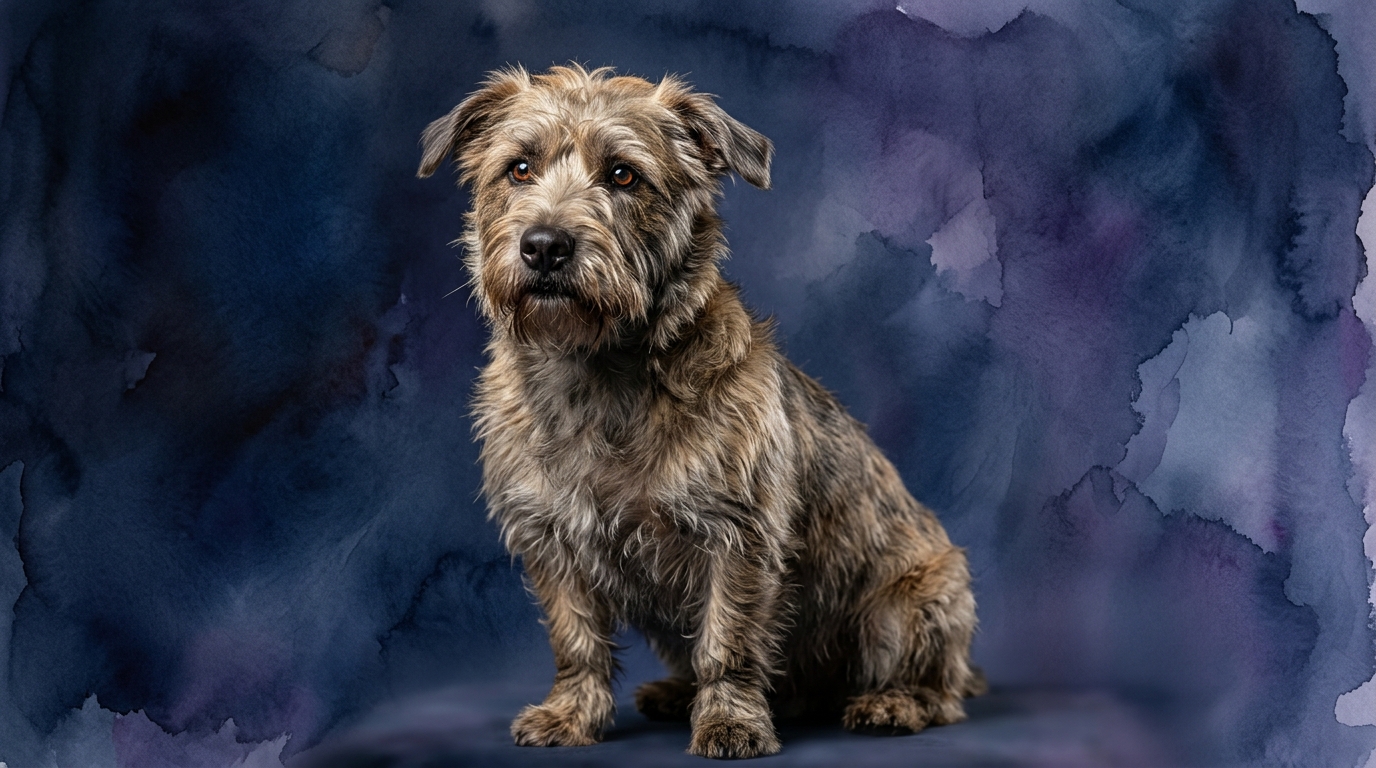
For the Glen of Imaal Terrier, a 3/5 in Problem Solving points to an ability to methodically work through obstacles, often with a determined, independent streak necessary for their historical role in den work. Their Training Speed at 3/5 suggests they can learn commands and routines, but their terrier stubbornness means consistency and positive motivation are paramount. Social Intelligence at 3/5 implies they form strong bonds within their family and can interpret familiar human cues, though they might be less outwardly effusive with strangers. An Instinctive Drive of 3/5 highlights their digging, chasing, and tenacious pursuit instincts. Finally, their Memory at 3/5 indicates they retain learned behaviors and environmental information effectively, contributing to their independent hunting prowess.
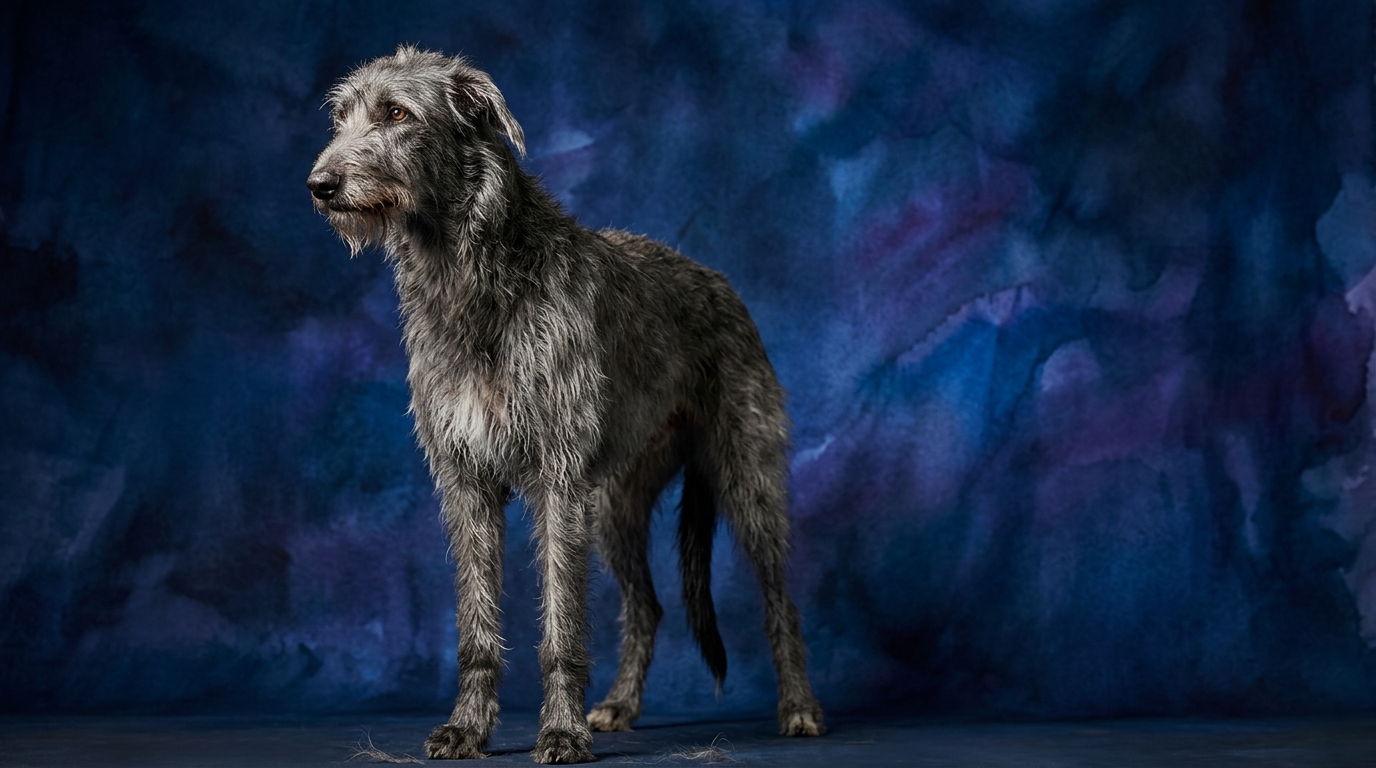
The Scottish Deerhound, also scoring 3/5 in Problem Solving, applies this intelligence to tasks requiring swift, adaptive decision-making over vast distances, such as navigating varied terrain during a chase. Their Training Speed at 3/5 reflects their capacity to learn, but their sighthound independence and sensitivity mean training must be engaging, fair, and free of harshness. Social Intelligence at 3/5 means they are typically gentle and polite, often reserved but deeply affectionate with their close companions, reading subtle cues within their trusted circle. An Instinctive Drive of 3/5 strongly emphasizes their powerful prey drive, focused on sight and pursuit. Their Memory, also at 3/5, allows them to recall complex hunting routes and learned commands, though their independence can sometimes make it appear as selective hearing when a squirrel is in view.
Where the Glen of Imaal Terrier Excels Cognitively
The Glen of Imaal Terrier's cognitive strengths lie in their focused tenacity and physical problem-solving. Their 3/5 Problem Solving isn't about speed across open fields, but rather about persistent, detailed work. Imagine a Glen figuring out how to retrieve a toy stuck under a piece of furniture, systematically pushing and pulling, or navigating a complex scent trail. This breed demonstrates a gritty resolve, applying their moderate problem-solving capacity to overcome physical barriers with a unique blend of intelligence and sheer will. Their memory, combined with their instinctive drive, allows them to recall precise locations for burrowing or hidden treasures, making them adept at tasks requiring sustained, independent effort in confined spaces.
This terrier's social intelligence, while moderate, is often expressed through a deep, loyal connection to their chosen people. They are adept at discerning the moods and intentions of their family members, often offering quiet comfort or playful engagement when appropriate. Their cognitive win here is in their understated yet perceptive understanding of their immediate human pack, making them wonderfully attuned companions for those they trust implicitly.
Where the Scottish Deerhound Wins Cognitively
The Scottish Deerhound's cognitive advantages are rooted in their graceful power and keen observational skills over distance. Their 3/5 Problem Solving manifests as quick, fluid decision-making crucial for coursing prey. Think of a Deerhound adjusting its stride, anticipating a deer's movements, and navigating uneven ground at high speed – this requires rapid real-time assessment and adaptation. Their intelligence is less about brute force or intricate puzzle-solving and more about elegant, efficient action in dynamic environments. Their memory contributes to their ability to recall vast stretches of landscape and the nuances of a chase, allowing them to learn and refine their hunting strategies.
In terms of social intelligence, the Deerhound's 3/5 score often translates into a calm, dignified demeanor. They are masters of subtle communication, observing their environment and human companions with a quiet intensity. Their cognitive win lies in their ability to maintain composure and offer a gentle, unobtrusive presence, often appearing wise and observant rather than overtly demonstrative. This makes them excellent at reading the room and responding with a gentle politeness that is uniquely sighthound.
Training Dynamics: Glen vs. Deerhound
When it comes to training, both breeds score 3/5 in Training Speed, meaning neither is a 'beginner's dream' nor exceptionally challenging, but their approaches differ significantly. The Glen of Imaal Terrier's terrier nature means they can be independent and prone to selective listening if they don't see the immediate benefit or if the training isn't engaging. Their inherent tenacity, while a strength in problem-solving, can translate into stubbornness during training sessions. Success with a Glen requires short, fun, reward-based sessions that appeal to their instinctive drive, perhaps incorporating scent work or 'digging' for treats. Their problem-solving intelligence means they can figure out what you want, but their independent spirit means they might choose whether or not to comply.
The Scottish Deerhound, despite the same 3/5 score, presents different training considerations. They are generally sensitive and respond poorly to harsh corrections, which can make them shut down. Their sighthound independence means that while they learn quickly, their strong prey drive can easily override recall commands if something interesting crosses their path. Training a Deerhound requires patience, gentle consistency, and a focus on positive reinforcement to build trust and motivation. Their 3/5 social intelligence means they are attuned to their handler's emotions, making a calm, encouraging approach most effective. Real behavioral differences include the Glen's readiness to tunnel into a challenge versus the Deerhound's tendency to bolt after a visual stimulus.
Lifestyle Suitability: Active vs. Relaxed Owners
Understanding their cognitive profiles helps align these breeds with suitable lifestyles. The Glen of Imaal Terrier, despite being a smaller dog, is suited for owners who appreciate a dog with a robust, independent spirit and a need for mental engagement. Their 3/5 instinctive drive for digging and scent work means they thrive with owners who can provide outlets for these behaviors, perhaps through Earthdog trials or interactive puzzle toys. They are not necessarily 'active' in the sense of needing to run miles every day, but they do require consistent, stimulating walks and opportunities to explore and 'problem-solve' their environment. Relaxed owners might find their terrier determination challenging if not channeled appropriately.
The Scottish Deerhound, conversely, fits well with owners who can provide bursts of intense activity followed by long periods of relaxation. Their 3/5 instinctive drive for chasing means they need safe, expansive areas to gallop freely, making them a fit for active owners who enjoy rural living or have access to secure fields. However, once their exercise needs are met, they are famously calm and dignified indoors, often described as 'couch potatoes.' This makes them surprisingly compatible with relaxed owners who appreciate a quiet, gentle giant, provided those crucial opportunities for vigorous exercise are consistently met. Their social intelligence and calm demeanor make them excellent, unobtrusive housemates.
The Verdict
Choose the Glen of Imaal Terrier if you appreciate a tenacious, independent thinker who thrives on detailed problem-solving and offers deep, albeit reserved, loyalty within a family setting.
Opt for the Scottish Deerhound if you seek a graceful companion capable of rapid, adaptive decision-making in pursuit, who is calm indoors but requires significant space for exhilarating sprints.
🧠 Find Your Pet's IQ Score
Our Pet IQ Lab assessment covers 25+ tests across 5 cognitive dimensions — personalized to your breed.
Take the Full IQ Test →Frequently Asked Questions
Do Glen of Imaal Terriers and Scottish Deerhounds have the same intelligence?
Based on The Cosmic Pet Pet IQ Lab, both breeds score 3/5 across all five cognitive dimensions. While their numerical scores are identical, their intelligence manifests differently due to their distinct breed histories and inherent drives, impacting how they apply their problem-solving and social skills.
Which breed is easier to train for a first-time dog owner?
Neither breed is typically recommended for first-time owners without prior research, as both require consistent, positive, and understanding training methods. The Glen of Imaal Terrier's independence and the Scottish Deerhound's prey drive and sensitivity present unique challenges, despite their moderate training speed scores.
How do their problem-solving skills differ despite identical scores?
The Glen of Imaal Terrier's 3/5 problem-solving is geared towards tenacious, physical challenges and independent navigation in confined spaces, reflecting its terrier heritage. The Scottish Deerhound's 3/5 problem-solving involves rapid, adaptive decision-making and spatial awareness over open terrain, crucial for its sighthound coursing role.