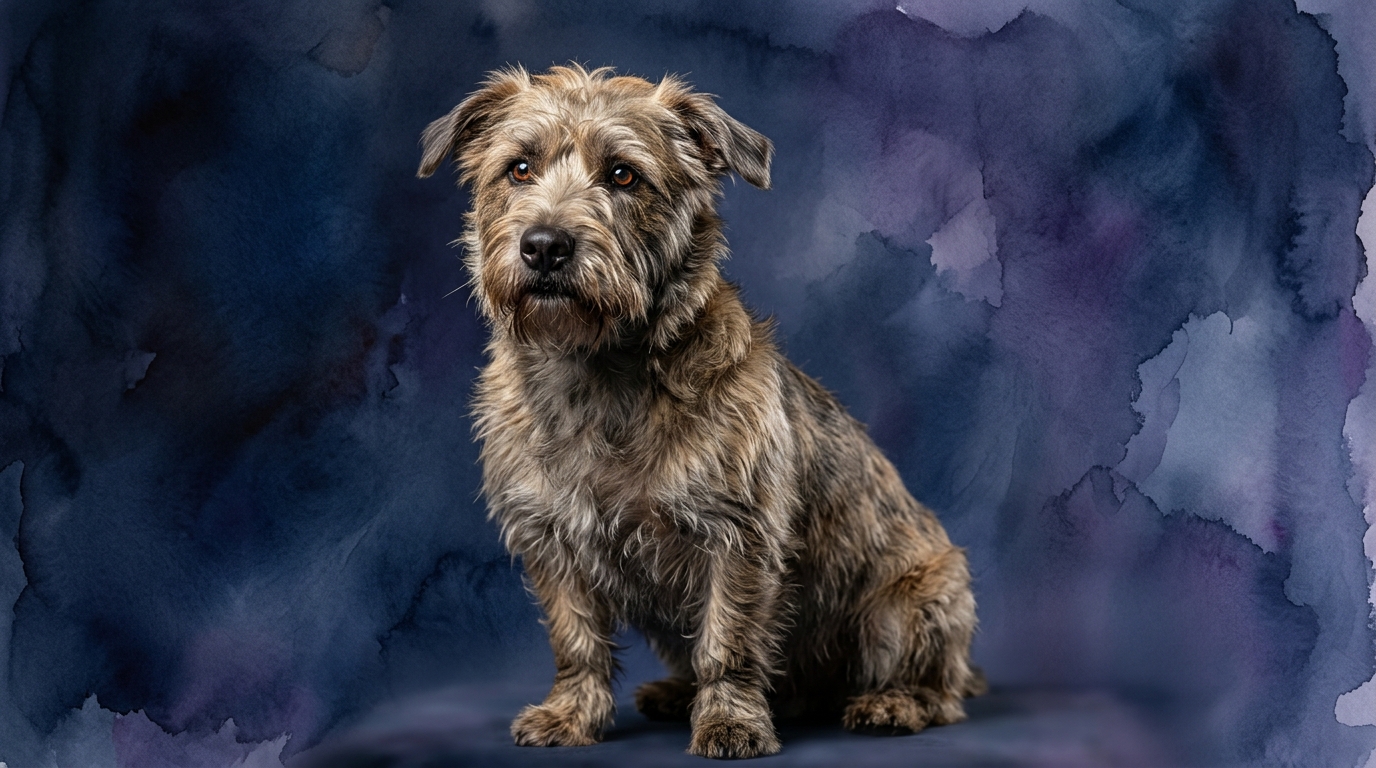
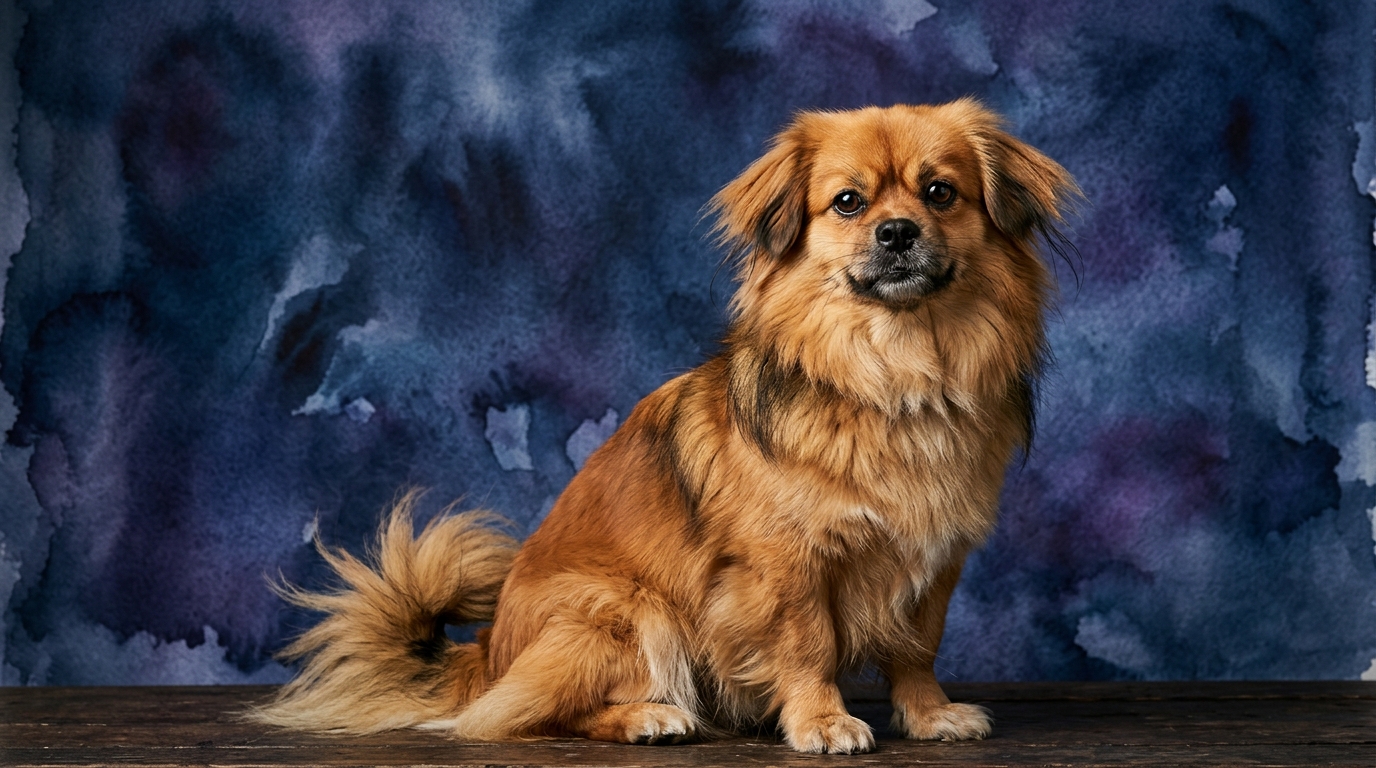
Side-by-Side Cognitive Profiles: Glen of Imaal Terrier vs. Tibetan Spaniel
While both the Glen of Imaal Terrier and the Tibetan Spaniel share a 3/5 rating across all five cognitive dimensions in The Cosmic Pet Pet IQ Lab, understanding their distinct breed histories allows us to interpret these scores with greater specificity. Their identical numerical ratings belie fascinating differences in how each breed approaches tasks and interacts with their world.
For the Glen of Imaal Terrier, a breed steeped in the tradition of relentless vermin hunting, their cognitive attributes are honed for practical, independent work.
Problem Solving (3/5): This score reflects a tenacious, practical approach to physical challenges, such as navigating tight spaces or locating buried scents. Their solutions are often determined and physical, driven by their working heritage rather than abstract reasoning.
Training Speed (3/5): Glens learn efficiently when motivated by a clear purpose or reward, but their independent Terrier spirit means they process commands with a degree of self-assessment, sometimes prioritizing their own objectives over immediate compliance.
Social Intelligence (3/5): A Glen's social intelligence often focuses on their immediate family, showing loyalty and awareness of a handler's cues in working contexts, generally preferring a select social circle to broad interactions.
Instinctive Drive (3/5): This strong drive manifests as robust prey instinct and a persistent desire to dig and explore, making them alert and keenly aware of their environment, always scanning for engagement opportunities that align with their nature.
Memory (3/5): Glens demonstrate solid memory for routines, learned tasks, and particularly for locations of interest related to their instinctive drives, recalling where scents were detected or specific games played with remarkable precision.
The Tibetan Spaniel, conversely, comes from a heritage of companionship and watchful guardianship in monasteries, shaping their cognitive strengths towards social awareness and subtle observation.
Problem Solving (3/5): The Tibetan Spaniel's problem-solving leans towards navigating social situations and optimizing comfort within the home, figuring out subtle ways to gain attention or secure a preferred spot on the sofa through charming observation.
Training Speed (3/5): Generally eager to please their chosen people, Tibetan Spaniels learn quickly when engaged and rewarded. However, their independent streak means they can be selective if a task seems pointless, requiring consistent, positive reinforcement to maintain engagement.
Social Intelligence (3/5): This breed excels in nuanced understanding of human emotions and family dynamics, highly attuned to owners' moods and thriving on companionship within the human social structure, often offering comfort or seeking interaction at appropriate times.
Instinctive Drive (3/5): Their primary instinctive drive is rooted in watchdog history, manifesting as strong alertness to their surroundings, a propensity to perch on high vantage points, and vocal communication when strangers approach, acting as a perceptive household alarm.
Memory (3/5): Tibetan Spaniels possess good memory for people, routines, and experiences, particularly those involving their human family. They recall past interactions and learned behaviors effectively, contributing to their adaptability and consistent social bonds within the home.
Where the Glen of Imaal Terrier Wins Cognitively
The Glen of Imaal Terrier truly excels in the practical application of problem-solving when it involves a physical challenge or a scent-based quest. Their cognitive strength lies in their tenacious ability to persist through obstacles, whether digging through earth or navigating tight spaces to reach a perceived target. This deeply ingrained, almost single-minded focus on achieving a tangible goal, often related to their historical role as a badger and fox hunter, is a distinct advantage. Their independent working nature means they are adept at making on-the-spot decisions without constant human direction, demonstrating a resilient cognitive autonomy in the field. This specific type of "street smarts" within a working context gives them an edge in tasks requiring sustained physical and mental effort toward a defined, often subterranean, objective. They remember the lay of the land and the location of scents with remarkable precision, applying this memory to subsequent exploration.
Where the Tibetan Spaniel Wins Cognitively
The Tibetan Spaniel's cognitive strengths distinctly lean into the realm of social and emotional intelligence. While their problem-solving score is identical, their application is geared towards understanding and interacting with their human companions. They possess a subtle ability to read human body language and vocal tones, adjusting their behavior to elicit desired responses, whether comforting a sad owner or encouraging playtime. Their historical role as monastery companions and watchdogs fostered a keen observational intelligence, allowing them to quickly assess new people or situations and determine their place within the social hierarchy. This breed demonstrates a nuanced memory for social interactions and routines, remembering which family member is most likely to offer a treat or a cuddle, and when the best time is to approach for attention. Their "watchdog" instinct is also a specific cognitive advantage, as they are highly attuned to environmental changes and use their memory and social intelligence to alert their family to anything unusual, making them excellent, perceptive household guardians.
Which is Easier to Train and Why
Determining which breed is "easier" to train between the Glen of Imaal Terrier and the Tibetan Spaniel, both scoring 3/5 in Training Speed, requires looking beyond the number to their inherent motivations and temperaments. The Tibetan Spaniel, with its deep-seated desire for companionship and social integration, often responds well to positive reinforcement and praise, viewing training as an opportunity to bond with its human. Their history as companion dogs means they are generally keen to understand and conform to household rules, making them receptive learners for basic obedience and house manners, provided the training is engaging and consistent. They might have a stubborn streak, but their social intelligence allows them to grasp the *why* behind the commands in a social context.
Conversely, the Glen of Imaal Terrier's 3/5 training speed is colored by its independent Terrier nature and strong instinctive drives. While perfectly capable of learning, a Glen might view commands through the lens of its own purpose. Training a Glen often requires more creativity, patience, and understanding of their prey drive and digging instincts. They will learn quickly if the task aligns with their natural inclinations or if a high-value reward is offered, but they are less likely to perform simply to please. Their focus can be intense on a scent or a perceived "job," making it challenging to redirect their attention during training sessions. Therefore, the Tibetan Spaniel often presents a more straightforward training experience for the average owner due to its inherent social motivation and lower prey drive, whereas the Glen demands an owner who understands and can harness its unique, independent working mindset.
Which Suits Active Owners vs. Relaxed Owners
For the active owner seeking a canine partner for adventures and structured activities, the Glen of Imaal Terrier often proves a more suitable match. Despite their relatively moderate size, Glens possess a robust physique and a tenacious spirit, reflecting their working heritage. They thrive on physical activity that engages both their bodies and their sharp, problem-solving minds, enjoying long walks, challenging hikes, or even scent work and earthdog trials. Their instinctive drive and persistence mean they benefit from consistent mental stimulation that allows them to "work" or explore, making them excellent companions for owners who appreciate a dog with purpose and stamina. They are not content to be couch potatoes all day and require regular outlets for their considerable energy and curiosity.
The Tibetan Spaniel, on the other hand, is an ideal companion for more relaxed owners or those living in smaller spaces, although they still enjoy daily walks and playtime. Their historical role as companion watchdogs means they are perfectly content to observe the world from a comfortable perch, preferring to be close to their human family. While they enjoy moderate exercise, their primary need is for social interaction and companionship. They are less driven by the need for extensive physical exertion or complex working tasks, instead finding fulfillment in being an integral part of the family's daily life. Their social intelligence makes them adaptable to various household environments, and their watchfulness provides a sense of security without requiring strenuous physical activity. They are happy with a balanced routine of walks, indoor play, and plenty of cuddle time, making them a superb choice for owners who value a calm, affectionate, and observant companion.
The Verdict
Choose the Glen of Imaal Terrier if you are an active owner who appreciates a tenacious, independent canine partner eager for practical challenges and outdoor exploration, capable of making its own decisions in pursuit of a goal.
Opt for the Tibetan Spaniel if you desire a socially astute, affectionate companion who thrives on close family bonds, offering perceptive watchfulness and adapting gracefully to a more relaxed, indoor-centric lifestyle.
🧠 Find Your Pet's IQ Score
Our Pet IQ Lab assessment covers 25+ tests across 5 cognitive dimensions — personalized to your breed.
Take the Full IQ Test →Frequently Asked Questions
Are Glen of Imaal Terriers stubborn during training?
While not necessarily stubborn, Glens possess a strong independent streak and a focus on their own perceived objectives, which can make them seem less compliant than other breeds. Training requires understanding their motivations and making tasks relevant to their natural instincts to achieve the best results.
Do Tibetan Spaniels bark a lot?
Tibetan Spaniels have a strong watchdog instinct and will typically bark to alert their owners to new arrivals or unusual sounds, which is a key part of their historical role. While their vocalizations are part of their nature, consistent training can help manage excessive barking.
Which breed is better with children?
Both breeds can be good with respectful children, but the Tibetan Spaniel's higher social intelligence and desire for companionship often make it more adaptable to family dynamics and gentle play. Glens can tolerate children but generally prefer calmer interactions and may not enjoy rough play as much as some other breeds.