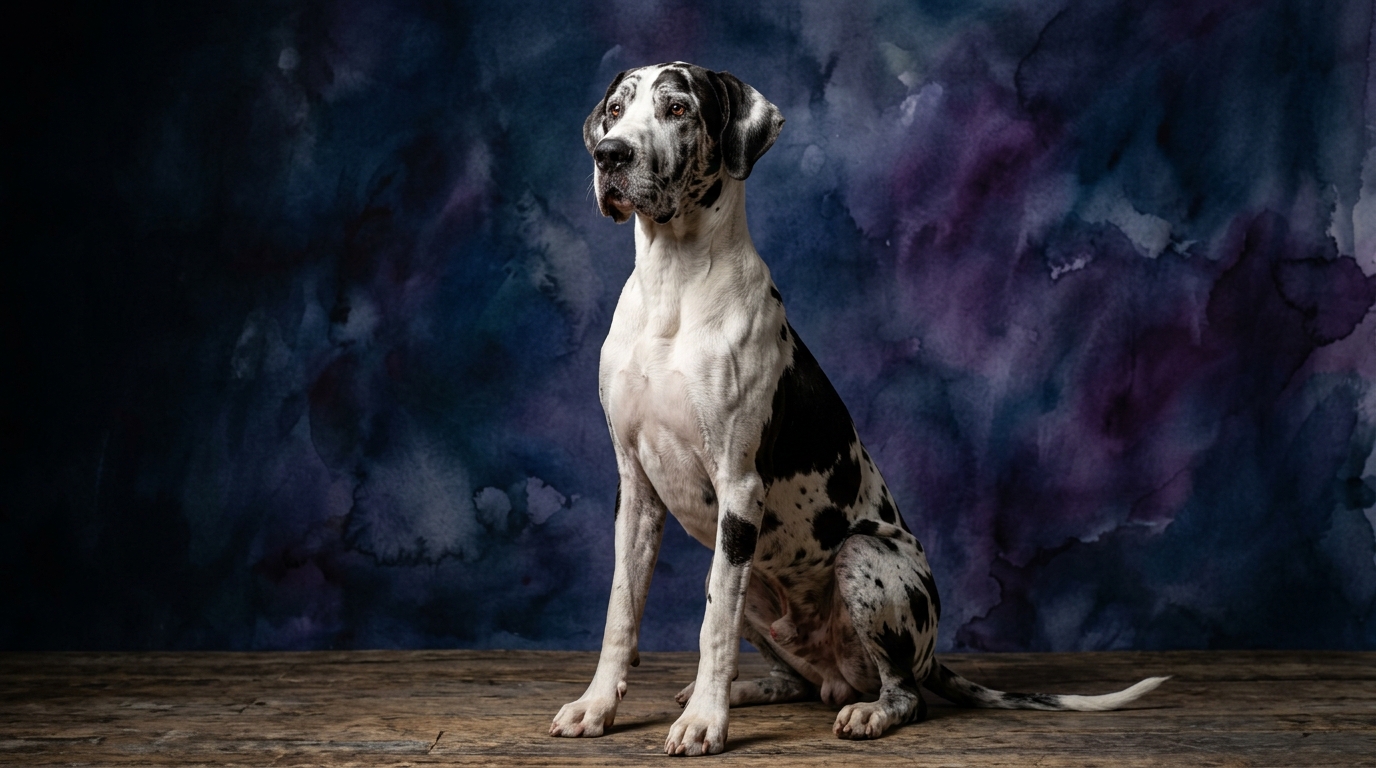
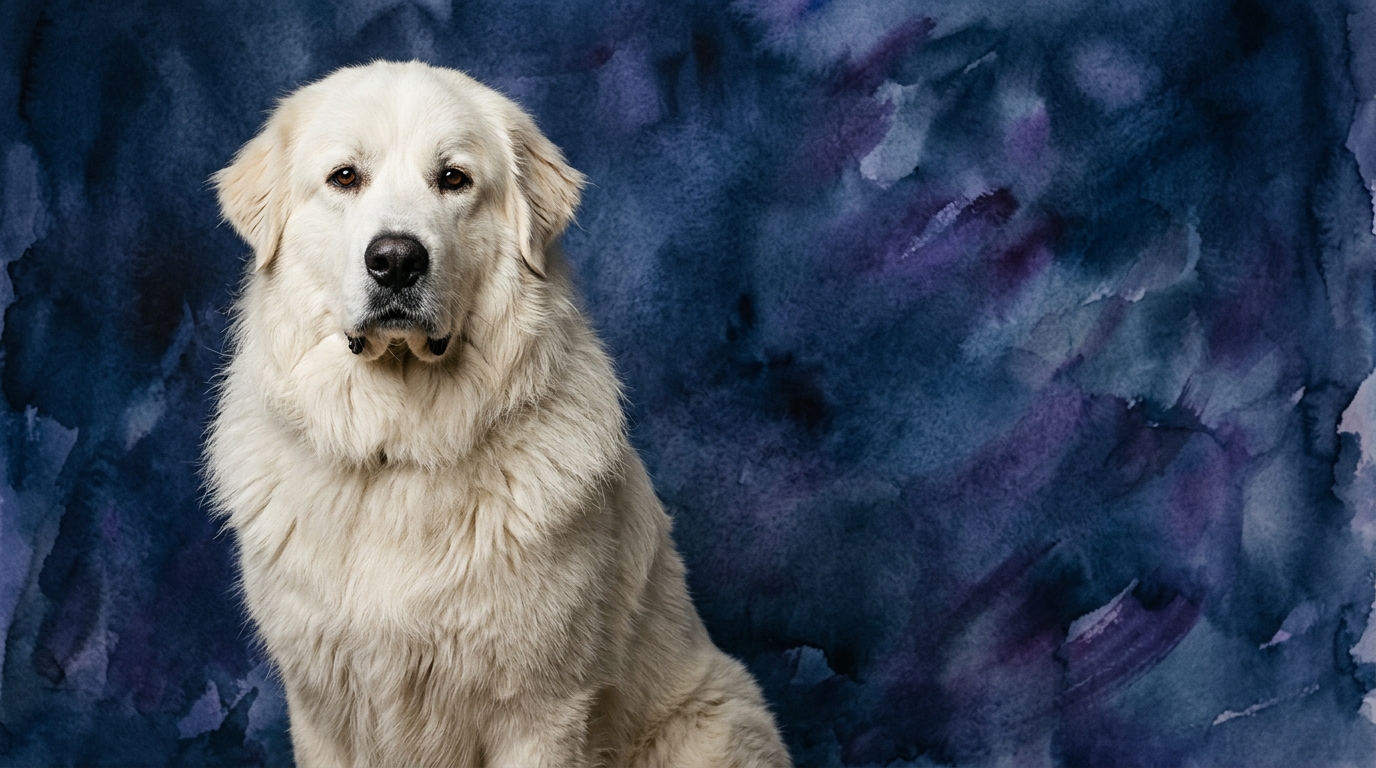
Side-by-Side IQ Profile: Great Dane vs. Great Pyrenees
The Cosmic Pet Pet IQ Lab's assessment reveals distinct cognitive blueprints for these two giants. For the Great Dane, ranked #48 by Coren, its IQ profile highlights a balanced yet socially oriented intellect. Problem Solving and Training Speed both score 3/5, suggesting a moderate capacity for independent thought and an average pace for acquiring new commands. However, its standout attribute is a Social Intelligence of 4/5, indicating a deep attunement to human cues and emotional states. Instinctive Drive and Memory both register at 3/5, pointing to a moderate level of innate behaviors and reliable retention of experiences and training.
In contrast, the Great Pyrenees, with a Coren rank of #64, presents a cognitive profile geared towards self-sufficiency. Its Problem Solving and Training Speed also stand at 3/5, reflecting a similar baseline ability to the Dane in navigating challenges and learning tasks. However, its Social Intelligence is rated 3/5, signifying a more independent approach to human interaction, less driven by constant approval-seeking. Like the Dane, its Instinctive Drive is 3/5, though this manifests primarily as a strong, autonomous guardian nature. Memory also scores 3/5, supporting its long-term effectiveness in its traditional role.
Where the Great Dane Wins Cognitively
The Great Dane's most pronounced cognitive advantage lies in its superior Social Intelligence (4/5) compared to the Great Pyrenees (3/5). This means Danes are typically more attuned to their human companions, often observing and responding to subtle changes in tone, mood, and body language. This heightened social awareness translates into a dog that generally desires to please and participate more actively in family life, making them incredibly empathetic and responsive companions in various interactive settings.
Furthermore, the Dane's higher Coren ranking (#48 vs. #64) suggests a cognitive edge in understanding and reliably executing human commands. While both breeds show a Training Speed of 3/5, the Dane’s superior Coren rank indicates that once a command is grasped, their willingness and consistency in performing it are generally more pronounced. This isn't solely about raw learning speed, but about the blend of comprehension and a higher inclination towards compliance, making them more receptive and consistent partners in structured activities and daily routines.
Where the Great Pyrenees Wins Cognitively
The Great Pyrenees excels in its distinct application of Problem Solving (3/5) and Instinctive Drive (3/5), particularly when these attributes converge in their ancestral role as livestock guardians. While their Problem Solving score matches the Great Dane, the Pyrenees often applies this capacity with a strong sense of independent judgment, a critical trait for a dog tasked with protecting flocks without constant human direction. This cognitive style allows them to assess novel situations and make autonomous decisions, often without waiting for human input.
Their instinctive drive is deeply rooted in vigilance and protection, leading to a cognitive framework that prioritizes surveying their environment for potential threats and acting decisively. This self-reliant cognitive approach means they are less likely to defer to human input if they perceive a situation requires their unique guardian instincts, showcasing a specific kind of situational awareness and decision-making that is a hallmark of their breed's purpose. They are masters of independent assessment and proactive defense.
Which Is Easier to Train and Why
Based on their Coren ranks and social intelligence scores, the Great Dane (#48) generally presents an easier and more consistent training experience than the Great Pyrenees (#64). The Dane's higher Social Intelligence (4/5) means they are more inclined to form strong bonds and are often motivated by the desire to interact positively and please their owners. This responsiveness makes them more eager to engage in training sessions, more receptive to cues, and more likely to follow commands consistently across different environments. Their willingness to cooperate often makes the training process a more collaborative endeavor.
In contrast, the Great Pyrenees, with a Social Intelligence of 3/5, possesses a more independent and self-reliant cognitive style. Their historical role as livestock guardians required them to make decisions without human oversight, leading to a temperament that, while loyal, can be less inclined to unquestioningly obey every command. Training a Pyrenees often demands more patience, a deeper understanding of their guardian instincts, and a recognition that they may weigh a command against their perception of the situation, sometimes choosing their own assessment over direct compliance.
Which Suits Active Owners vs. Relaxed Owners
For owners seeking an actively engaged canine companion, the Great Dane, despite its calm demeanor indoors, often possesses a more interactive personality that can align well with moderate activity. Their higher social intelligence means they genuinely enjoy participating in family activities, whether it's a leisurely walk, a visit to the dog park, or even just being present and involved during household routines. While not typically suited for intense endurance sports, a Dane appreciates consistent, engaging interaction and structured outings that involve their human family.
Conversely, the Great Pyrenees, with its deep-seated guardian instincts and more independent nature, might better suit owners who appreciate a more relaxed, observant companion. While they require regular exercise to maintain physical health, their cognitive preference leans towards surveying their territory and being present rather than constantly seeking active, interactive engagement with their human. A relaxed owner who understands and respects the Pyrenees' self-sufficient approach to life will find a loyal, watchful companion, rather than one constantly demanding interactive play or high-energy adventures. Their calm vigilance is their preferred mode of interaction.
The Verdict
Choose the Great Dane if you seek a deeply socially engaged companion who thrives on human interaction and responds reliably to training cues, making them a more consistently compliant family member.
Opt for the Great Pyrenees if you value a self-reliant, watchful guardian whose independent decision-making and calm, observant presence align with a more hands-off yet deeply loyal companionship.
🧠 Find Your Pet's IQ Score
Our Pet IQ Lab assessment covers 25+ tests across 5 cognitive dimensions — personalized to your breed.
Take the Full IQ Test →Frequently Asked Questions
Do Great Danes and Great Pyrenees have similar problem-solving abilities?
Both breeds are rated 3/5 for Problem Solving, indicating they share a moderate capacity for independent thought in novel situations. However, the Great Pyrenees often applies this with a more independent judgment stemming from its guardian role.
Which breed is better at remembering commands?
Both the Great Dane and Great Pyrenees have a Memory rating of 3/5, suggesting they possess a similar ability to retain learned commands and past experiences over time. Consistency in training is key for both.
Is the Great Pyrenees truly less trainable than a Great Dane?
The Great Pyrenees (Coren rank #64) is generally considered less consistently compliant than the Great Dane (Coren rank #48) due to its independent guardian nature and lower social intelligence. Training a Pyrenees often requires more patience and understanding of their self-reliant decision-making.