Side-by-Side IQ Profile
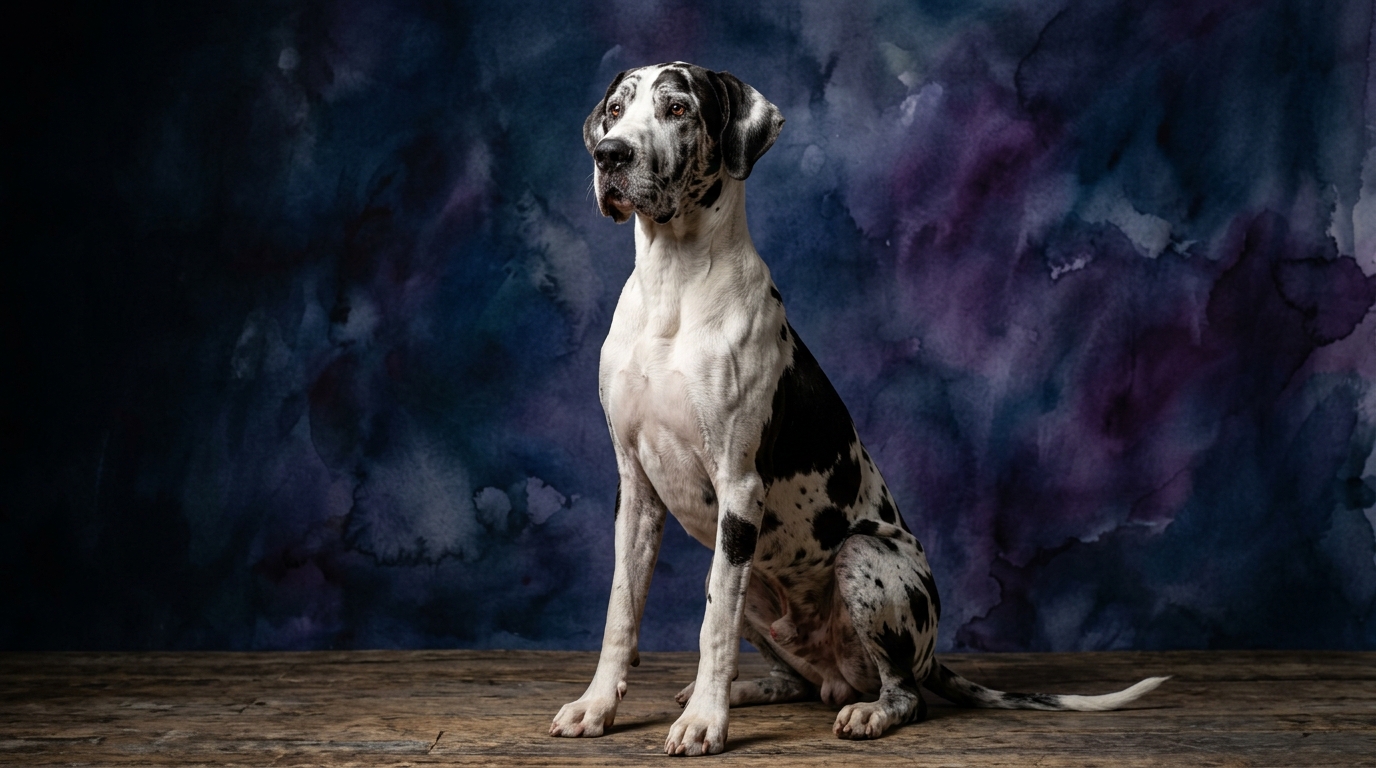
The Cosmic Pet Pet IQ Lab employs a five-dimensional framework for canine cognition. For the majestic Great Dane, a Working breed ranked #48 by Coren, its profile shows balanced capabilities. Problem-solving is 3/5, indicating a moderate capacity for independent solutions. Training speed is also 3/5, suggesting an average grasp of new commands. Social intelligence is a notable 4/5, reflecting deep understanding of human cues and a strong desire for connection. Instinctive drive, at 3/5, points to balanced innate behaviors. Memory is 3/5, meaning moderate retention of learned information.
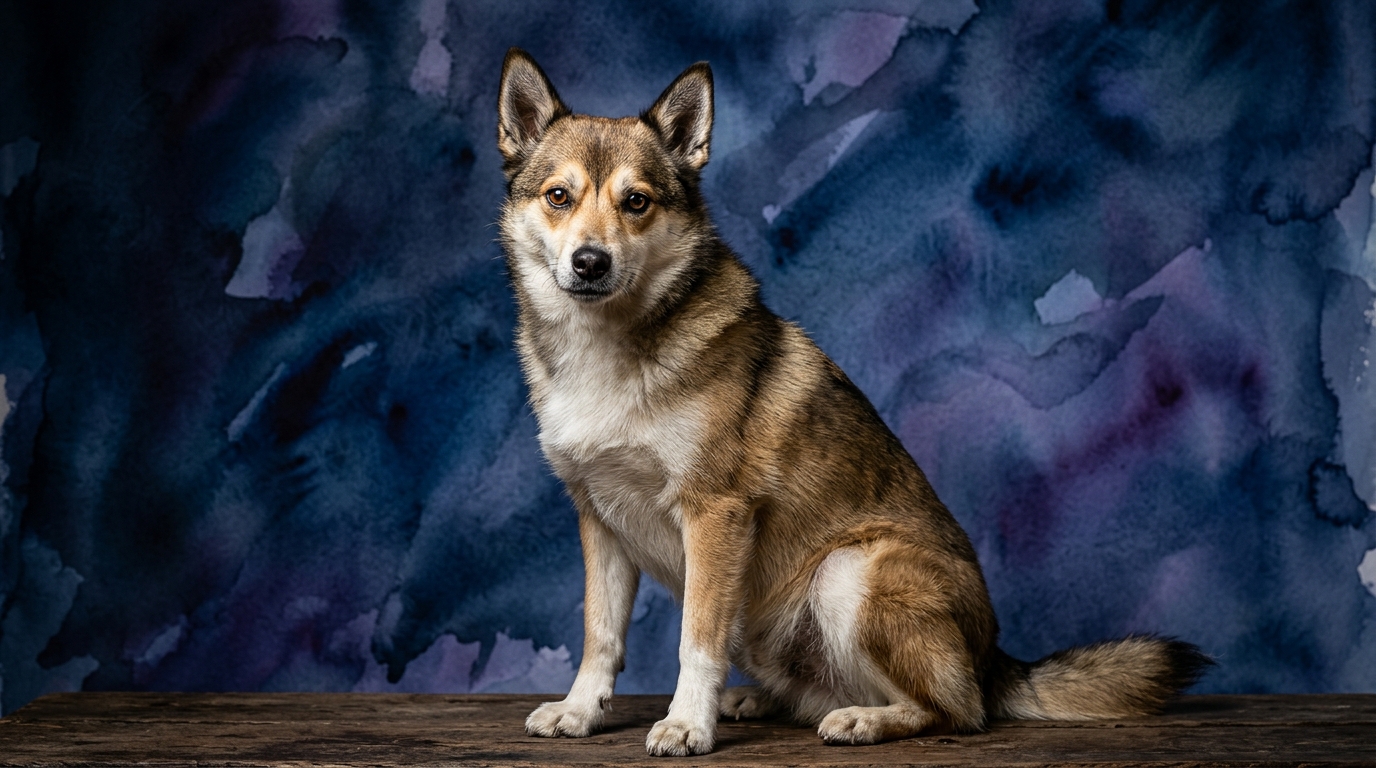
In contrast, the Norwegian Lundehund, a Non-Sporting breed not Coren-ranked, presents a strikingly similar cognitive blueprint. Its problem-solving is 3/5, mirroring the Dane's capacity for novel scenarios. Training speed is also 3/5, indicating an average learning curve. Social intelligence registers at 3/5, suggesting solid social understanding, though perhaps with more independence. Like the Dane, its instinctive drive is 3/5, reflecting moderate expression of inherent behaviors. Memory, too, is 3/5, showing comparable recall. This near-identical scoring across four dimensions highlights the fascinating impact of subtle differentiation.
Where Great Dane Wins Cognitively
The Great Dane's most distinct cognitive advantage lies in its superior social intelligence, rated 4/5 compared to the Lundehund's 3/5. This higher score translates into a profound attunement to human emotions and household dynamics, manifesting as an almost intuitive understanding of family moods. A Great Dane often acts as a sensitive barometer for its owner's emotional state, offering comfort or joining in jubilant moments with remarkable empathy. They are more likely to seek human interaction, lean into their people, and respond to subtle shifts in tone or body language, making them exceptional companions for those who value a deeply connected and responsive canine presence. This heightened social awareness fosters strong, reciprocal bonds, positioning them as central, cooperative family members.
Where Norwegian Lundehund Wins Cognitively
While the Lundehund shares many cognitive scores with the Great Dane, its unique evolutionary history as a specialized puffin hunter provides a subtle, yet distinct, cognitive edge in specific contexts. Its problem-solving (3/5) and instinctive drive (3/5) are intimately tied to its specialized physical adaptations, allowing it to navigate complex, tight spaces and extract prey with a cunning dexterity unmatched by the Dane. This manifests as a specialized environmental awareness and physical problem-solving, where the dog might figure out how to squeeze through a narrow gap or manipulate an object with its flexible joints and extra toes. Their independence, partly reflected in their 3/5 social intelligence, can also be seen as a cognitive strength for owners who appreciate a dog with a self-sufficient streak, resourceful when faced with environmental challenges.
Which is Easier to Train and Why
Both breeds share a 3/5 rating for training speed and problem-solving, suggesting average learning capabilities. However, the Great Dane's superior social intelligence (4/5) gives it a distinct advantage. Its strong desire to please and sensitivity to social cues means it is often more motivated by praise, affection, and the desire to maintain harmony. They willingly engage in training, viewing it as bonding time. While consistent repetition is still needed, their inherent cooperativeness and responsiveness to human feedback can make the process smoother and more rewarding. A Great Dane might anticipate and offer a "sit" based on perceived intent, seeking approval.
The Norwegian Lundehund, with its 3/5 social intelligence and historical independence, may present a different training dynamic. While capable, their motivation might be less centered on pleasing their owner and more on what benefits them directly or aligns with intrinsic drives. Training requires more creativity, patience, and high-value rewards to capture attention. They might exhibit "selective deafness" if a task lacks immediate appeal or if environmental stimuli are more interesting. Owners should employ consistent positive reinforcement, making training a fun game. Their problem-solving might be applied independently, like figuring out how to open cabinets.
Which Suits Active Owners vs Relaxed Owners
The Great Dane, despite its immense size, often surprises with a relaxed indoor demeanor once exercise needs are met. While daily walks are essential, they aren't typically high-strung. Their 4/5 social intelligence means they thrive on close family proximity, content to lounge or follow their owners. This makes them suitable for relaxed owners who provide moderate, consistent exercise and appreciate a large, affectionate companion. However, their size demands ample space.
The Norwegian Lundehund, though smaller, carries a legacy of an active, agile hunter. Its instinctive drive (3/5) and problem-solving (3/5) are geared towards exploration and engagement. They possess significant energy for their size, requiring regular, stimulating exercise beyond simple walks. Activities like agility, scent work, or exploring varied terrain are highly beneficial. Their moderate social intelligence (3/5) suggests they can entertain themselves, but still need meaningful engagement to prevent boredom. Lundehunds are better suited for active owners who enjoy outdoor adventures and are committed to consistent mental and physical challenges for a spirited, independent partner.
The Verdict
Choose a Great Dane if you seek a deeply empathetic, highly responsive, and physically imposing companion who thrives on close family bonds and offers a more relaxed indoor presence after adequate exercise.
Opt for a Norwegian Lundehund if you are an active individual or family who cherishes a resilient, independent, and physically unique dog with a keen mind for navigating its environment, and you are prepared to engage its hunting instincts with stimulating activities.
🧠 Find Your Pet's IQ Score
Our Pet IQ Lab assessment covers 25+ tests across 5 cognitive dimensions — personalized to your breed.
Take the Full IQ Test →Frequently Asked Questions
Is the Great Dane truly more social than the Norwegian Lundehund?
Yes, the Great Dane's 4/5 social intelligence indicates a stronger drive for human interaction and a greater sensitivity to family dynamics compared to the Lundehund's 3/5. This makes them more prone to seeking physical closeness and responding to emotional cues.
How does the Lundehund's unique physical anatomy relate to its cognitive profile?
The Lundehund's specialized physical adaptations, like extra toes and flexible joints, directly influenced its problem-solving and instinctive drive (both 3/5) for puffin hunting. This means their cognitive application often involves navigating complex physical environments and manipulating objects with unique dexterity.
Which breed is better for first-time dog owners?
For first-time owners, the Great Dane's higher social intelligence and eagerness to please can make training and integration into a family smoother, provided their size and moderate exercise needs are met. The Lundehund's independence and specific need for stimulating activities might be more challenging for novices.