Side-by-Side IQ Profile: Great Dane vs. Scottish Deerhound
At first glance, the Great Dane and Scottish Deerhound appear to share many cognitive traits, with several dimensions rated identically. However, a deeper look reveals how their unique breed histories and purposes shape the application of these intellectual capacities. Understanding these nuances is key to appreciating their distinct forms of intelligence.
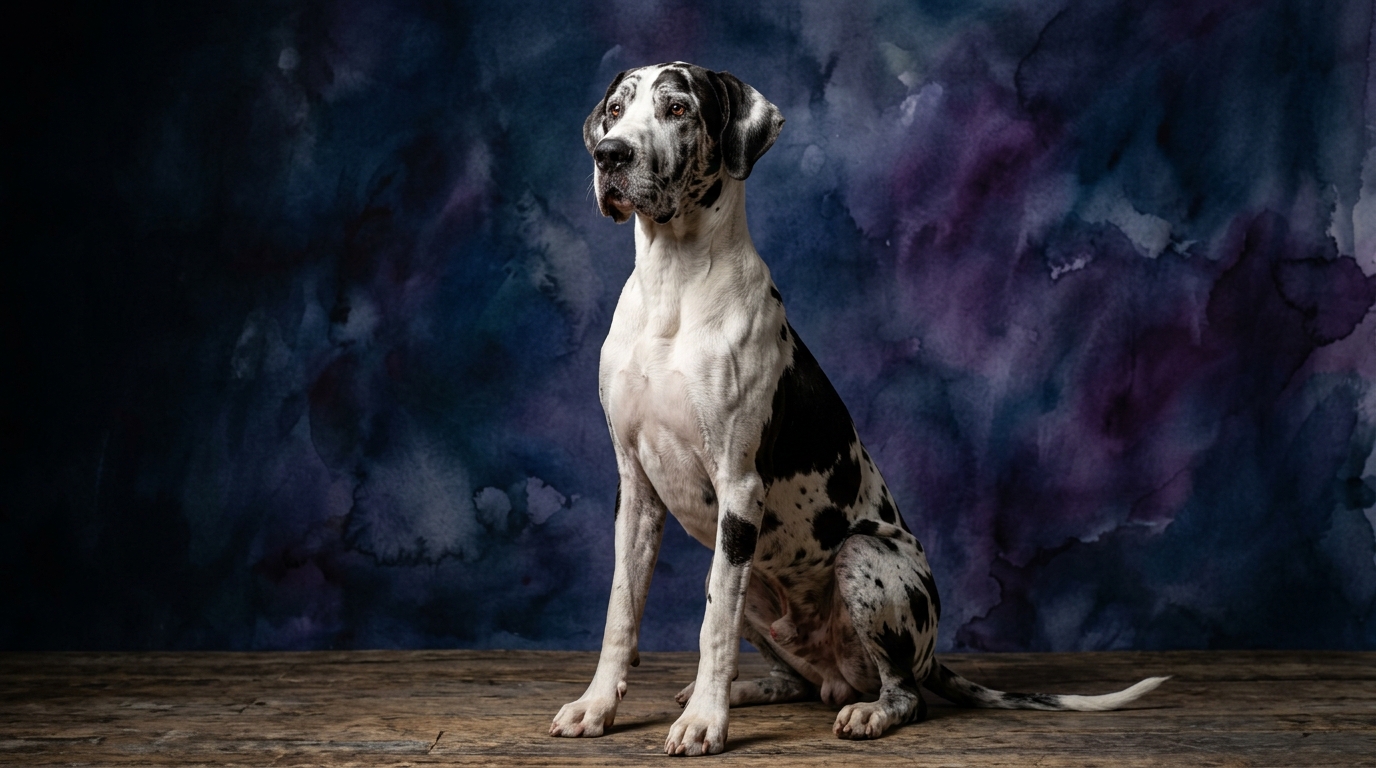
**Great Dane: The Attuned Companion** As a member of the Working Group and ranked #48 by Coren, the Great Dane demonstrates a capacity for understanding and executing commands, though not necessarily at the top tier of obedience breeds. Their Problem Solving (3/5) is practical, often focused on navigating their environment for comfort or seeking human interaction, such as figuring out how to access a favorite couch spot or solicit attention. Great Danes learn new commands at a moderate pace, reflected in their Training Speed (3/5); consistency and positive reinforcement are crucial, as they respond well to clear expectations but can become bored with repetitive, unengaging drills. Their Social Intelligence (4/5) is a standout trait, showcasing a remarkable ability to read human emotions, pick up on subtle cues, and integrate seamlessly into family dynamics, often anticipating needs and offering comfort. Their Instinctive Drive (3/5) is moderate, encompassing a degree of prey drive and a protective instinct, but their primary motivation is often companionship. Finally, their Memory (3/5) allows them to retain learned behaviors, social routines, and household rules effectively, contributing to their reliability as family members.
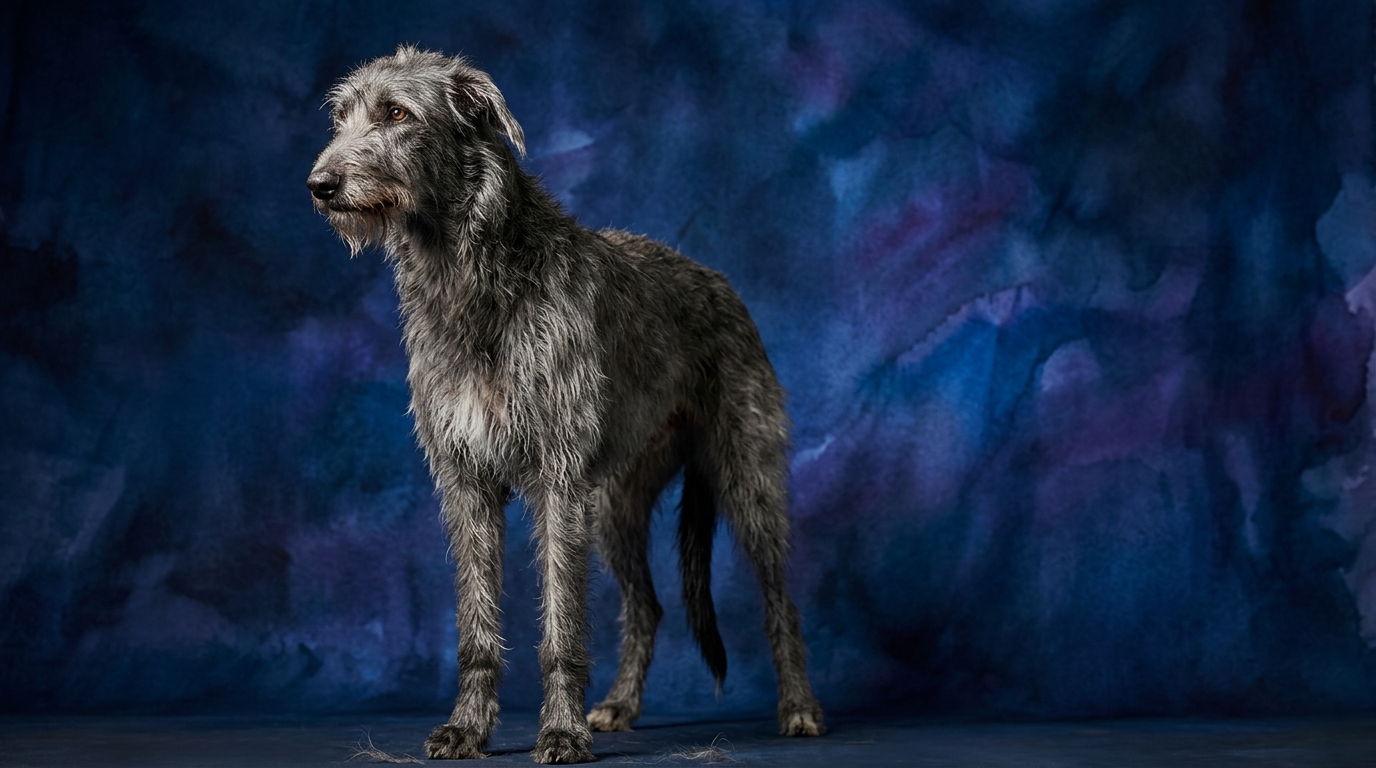
**Scottish Deerhound: The Independent Pursuer** The Scottish Deerhound, a Sighthound, is not Coren-ranked, which is typical for breeds whose intelligence is expressed differently than the obedience-focused criteria of that study. Their Problem Solving (3/5) manifests as independent decision-making, particularly when navigating terrain or strategizing during a chase; they are resourceful in achieving objectives that align with their natural instincts, though less inclined towards abstract puzzles. Deerhounds also have a Training Speed (3/5), learning at a moderate pace. However, their independent hound nature means they can be selective in their obedience, often weighing commands against their own desires or environmental distractions, requiring patience and understanding from their trainer. Their Social Intelligence (3/5) indicates they are affectionate and devoted to their families, forming strong bonds, but they tend to be more reserved or indifferent towards strangers and might not be as overtly attuned to nuanced human emotional states as a Great Dane. A powerful Instinctive Drive (3/5) is central to their sighthound heritage, particularly for fast-moving objects; while calm indoors, this instinct can be all-consuming outdoors. Their Memory (3/5) is good for routines, familiar people, and their territory, but recall can be selectively overridden by their strong visual pursuit drive when stimulated, making consistent obedience in distraction-rich environments more challenging.
Where the Great Dane Wins Cognitively
The Great Dane's superior Social Intelligence (4/5) gives them a distinct cognitive advantage in family integration and cooperative living. They possess an exceptional ability to interpret human body language, vocal tones, and emotional shifts, allowing them to respond with remarkable empathy and appropriateness. This makes them highly responsive to subtle commands and unspoken desires, fostering a deep, intuitive bond with their owners. Their problem-solving often involves figuring out how to best interact with or please their human companions, a direct manifestation of their high social acuity. This sensitivity means they are often more compliant and eager to engage in cooperative learning scenarios, as their cognitive reward system is strongly tied to social reinforcement and connection with their people.
Where the Scottish Deerhound Wins Cognitively
While both breeds score 3/5 in Problem Solving, the Scottish Deerhound's cognitive strength lies in its independent application of this skill, particularly in the realm of pursuit and spatial navigation. Their instinctive drive, though rated equally, is channeled into a focused, self-directed form of 'work' when stimulated. They excel at quickly assessing dynamic environments, making split-second decisions to track and pursue, and remembering complex routes through varied terrain. This self-reliance means they are less reliant on human direction for certain tasks, showcasing a distinct kind of cognitive prowess that prioritizes autonomy and efficiency in their ancestral role. Their memory is particularly effective for remembering visual cues and the layout of hunting grounds, a crucial aspect of their sighthound capabilities.
Which is Easier to Train, and Why?
The Great Dane generally presents an easier training experience for the average owner, primarily due to their higher Social Intelligence and working group background. Their desire to please and their sensitivity to human feedback mean they are often more motivated by praise and connection. They are more likely to seek human guidance when faced with a novel situation, making them more receptive to instruction. While their Training Speed is 3/5, their willingness to engage cooperatively means lessons progress steadily with consistent, positive reinforcement. They thrive on being part of a team, and their problem-solving often involves understanding what their human wants from them, leading to a more straightforward training path.
The Scottish Deerhound, while equally capable of learning (Training Speed 3/5), requires a different approach. Their strong independent streak, characteristic of sighthounds, means they can be less inclined to blindly obey if a command doesn't align with their immediate interests or if a compelling environmental stimulus (like a moving object) captures their attention. Training a Deerhound demands immense patience, creativity, and a deep understanding of their motivations. Sessions need to be engaging and make sense from the dog's perspective, often leveraging their natural drives in a controlled manner. Their problem-solving is often about finding the most efficient path to their own goals, which can sometimes conflict with human directives, requiring a trainer to be more adaptable and persuasive.
Matching Cognitive Profiles to Lifestyles: Active vs. Relaxed Owners
The Great Dane, despite its imposing size, can be surprisingly adaptable to both active and relaxed owners, provided their foundational exercise needs are met. As puppies and adolescents, they require significant activity to channel their energy constructively. However, adult Danes are often content with moderate daily walks, playtime, and ample cuddle time on the sofa. Their high social intelligence means they thrive on being an integrated part of family life, making them suitable for relaxed owners who value a calm, attentive presence indoors but are committed to consistent, gentle exercise. They are not typically high-octane athletes in adulthood, preferring to be close to their human companions.
The Scottish Deerhound, by contrast, is better suited for active owners who understand and can accommodate their unique exercise requirements. While they are known for their quiet, dignified demeanor indoors, they possess a powerful instinctive drive that demands regular, vigorous bursts of running in a safe, enclosed space. This isn't just about physical fitness; it's a cognitive and emotional necessity for a sighthound to express its natural abilities. Owners who cannot provide opportunities for off-leash galloping will likely find their Deerhound unfulfilled and potentially prone to undesirable behaviors. They are excellent companions for owners who enjoy long walks, hiking, and can provide secure areas for them to stretch their legs at full speed, satisfying their deep-seated pursuit instincts.
The Verdict
Opt for a Great Dane if you seek a deeply empathetic, socially intelligent companion who will be profoundly attuned to your family's emotional landscape and thrives on cooperative engagement within the home.
Select a Scottish Deerhound if you appreciate an independent, dignified canine with bursts of athletic prowess, and you are prepared to fulfill their innate sighthound need for open-field running.
🧠 Find Your Pet's IQ Score
Our Pet IQ Lab assessment covers 25+ tests across 5 cognitive dimensions — personalized to your breed.
Take the Full IQ Test →Frequently Asked Questions
Are Great Danes easy to house train?
Yes, Great Danes are generally quite easy to house train due to their moderate problem-solving skills and strong social intelligence, which makes them responsive to human guidance and routine. Consistency and positive reinforcement help them quickly understand expectations and adapt to household rules.
Do Scottish Deerhounds need a lot of mental stimulation?
Scottish Deerhounds benefit from mental stimulation, particularly activities that engage their sighthound instincts like lure coursing or challenging scent games. While they might not be puzzle toy enthusiasts, opportunities to use their problem-solving skills in pursuit-like scenarios are highly enriching and vital for their well-being.
How do their memory scores impact daily life?
Both breeds have a 3/5 memory score, meaning they retain routines and learned behaviors well. For Great Danes, this translates to remembering house rules and social interactions. For Deerhounds, it means remembering familiar routes and specific chase patterns, though their memory can be overridden by strong visual stimuli when their instinctive drive is engaged.