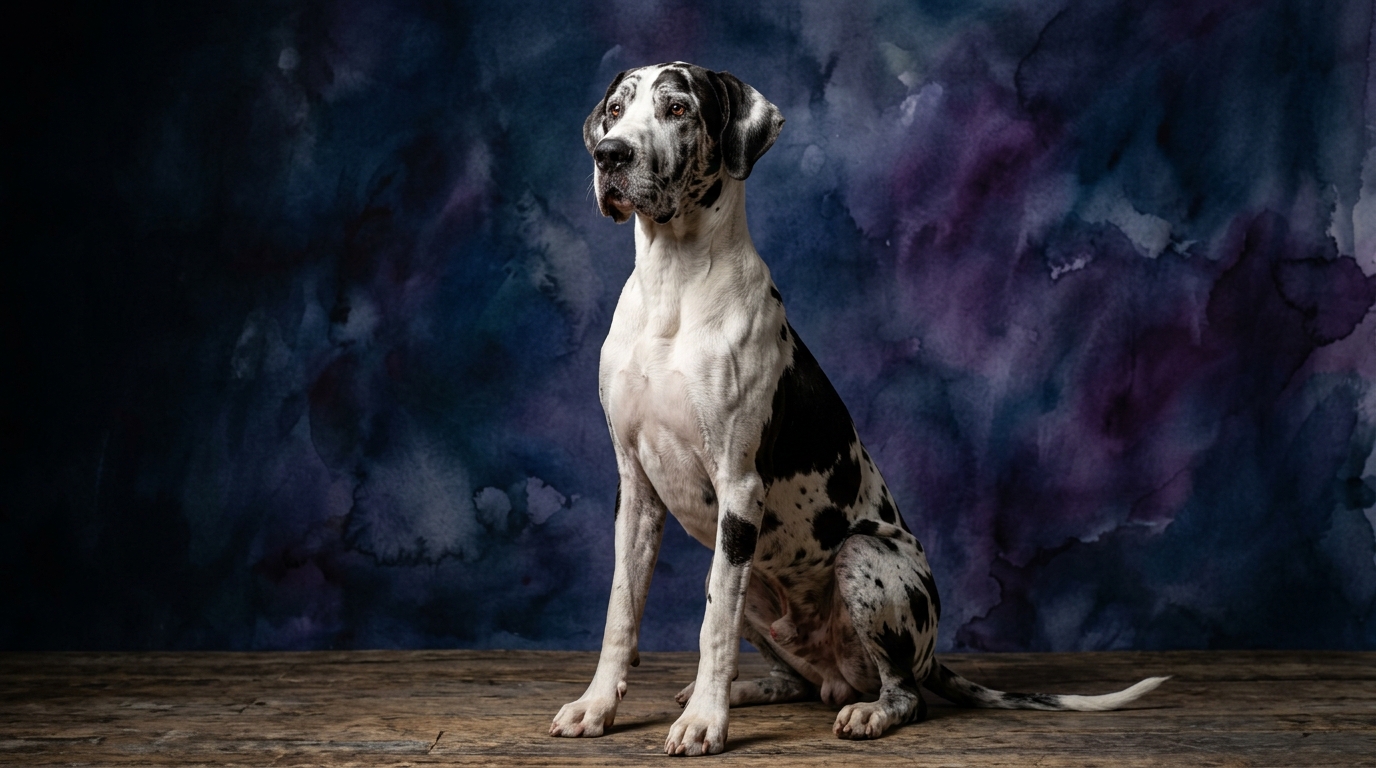
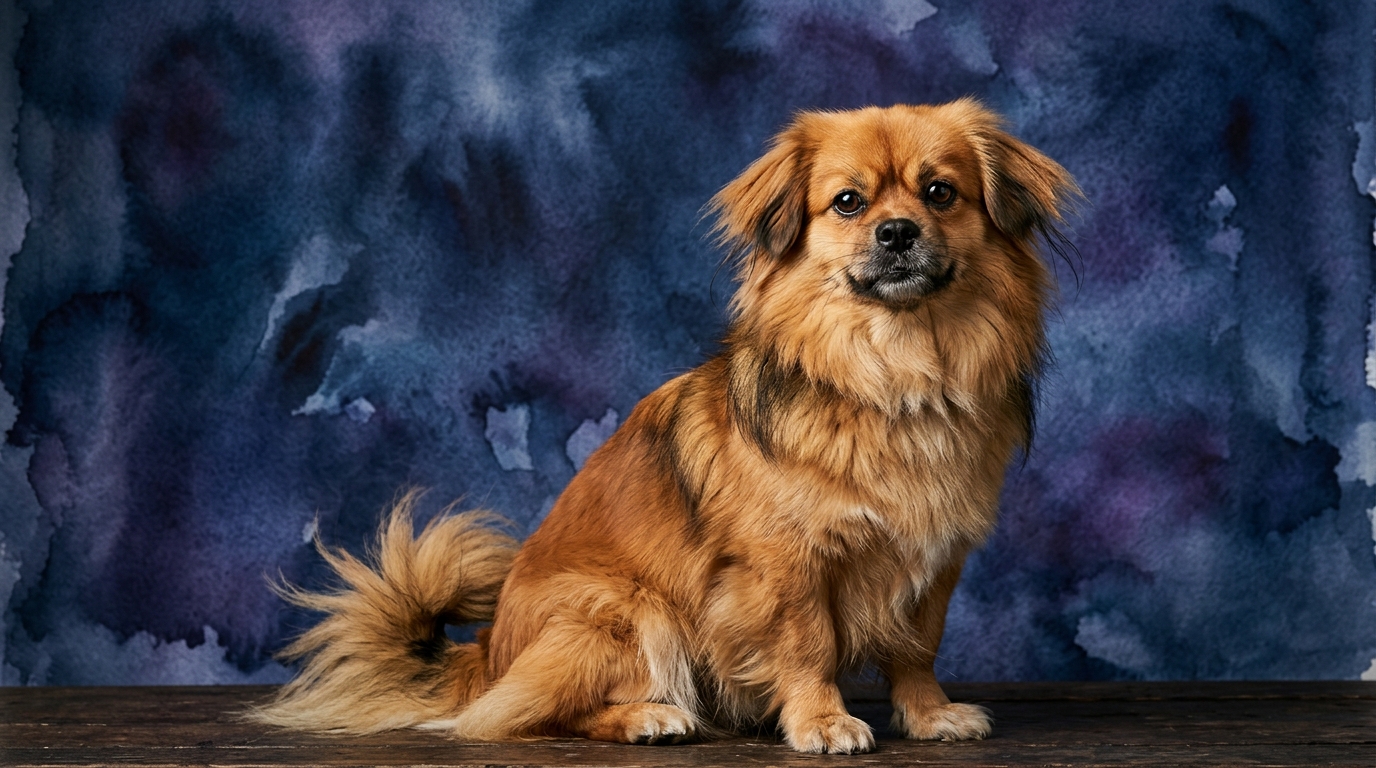
Side-by-Side Cognitive Profiles: Great Dane vs. Tibetan Spaniel
The Great Dane, a formidable presence in the Working group, holds a Coren rank of #48, reflecting a solid foundation for trainability and obedience. Its cognitive blueprint, as assessed by The Cosmic Pet Pet IQ Lab, paints a picture of balanced capabilities: Problem Solving at 3/5, Training Speed at 3/5, Social Intelligence at a notable 4/5, Instinctive Drive at 3/5, and Memory at 3/5. This profile suggests a canine that is moderately adept at navigating novel situations, learns at a steady pace, deeply connects with its human companions, possesses moderate inherent drives, and retains information effectively for its daily life.
In contrast, the Tibetan Spaniel, a charming member of the Non-Sporting group, does not hold a Coren rank, indicating a different historical purpose and cognitive emphasis. Its IQ Lab profile reveals a consistent set of capabilities across the board: Problem Solving at 3/5, Training Speed at 3/5, Social Intelligence at 3/5, Instinctive Drive at 3/5, and Memory at 3/5. This suggests a dog that is equally capable of moderate problem-solving and learning, but with a social aptitude that, while present, is expressed with more discernment. Their moderate instinctive drives and memory capabilities align with their role as alert and observant companions.
While both breeds score 3/5 in Problem Solving, its manifestation differs. A Great Dane might employ this skill to strategically maneuver its large body through tight spaces or to figure out how to access a favored sleeping spot. For the Tibetan Spaniel, problem-solving might involve devising clever ways to gain a vantage point for observation or to subtly communicate their desires to their family. Both demonstrate a moderate capacity to adapt to new challenges and figure out practical solutions within their respective environments.
The 3/5 Training Speed score for both breeds indicates they learn at an average rate. For the Great Dane, this often means a steady and willing progression through commands, particularly when motivated by positive reinforcement and the desire for human approval. The Tibetan Spaniel, while equally capable of learning, might require a more engaging and varied approach to training, as their independent streak can lead to moments of selective listening if the task isn't stimulating or immediately rewarding from their perspective.
Here lies a significant distinction: the Great Dane's 4/5 Social Intelligence compared to the Tibetan Spaniel's 3/5. Great Danes exhibit a profound capacity to read and respond to human emotions, often anticipating needs and forming exceptionally deep, empathetic bonds with their families. Their social cognition is geared towards close partnership. The Tibetan Spaniel's 3/5 social intelligence is characterized by keen observation and discernment. They are affectionate with their chosen family but often more reserved with strangers, indicating a social processing style focused on evaluating and protecting their inner circle rather than universally engaging.
Both breeds share a 3/5 for Instinctive Drive and Memory. The Great Dane's moderate drive often manifests as a gentle protectiveness and a residual desire to work alongside humans, stemming from its hunting heritage. The Tibetan Spaniel's drive centers on its historical role as an alarm dog, expressed through watchfulness and a propensity to alert its household to novel sounds or sights. In terms of Memory, both breeds reliably recall routines, learned behaviors, and significant experiences, allowing them to navigate their daily lives with competence, whether remembering a favorite walking route or the location of a hidden toy.
Where the Great Dane Excels Cognitively
The Great Dane's cognitive strength shines most brightly in its Social Intelligence, scoring a 4/5. This translates into an exceptional ability to interpret human body language, tone of voice, and emotional states, allowing them to form incredibly profound and responsive bonds. Their empathetic nature means they are often attuned to their owner's moods, offering comfort or companionship precisely when needed. This deep social awareness makes them highly cooperative partners in training and daily life, as they inherently seek to understand and please their human family. Their Coren ranking of #48 further underscores this capacity for cooperative learning and responsiveness.
Where the Tibetan Spaniel Shows Unique Cognitive Strengths
While the Tibetan Spaniel's individual scores are largely consistent with the Great Dane's, its unique cognitive strengths lie in the *application* of its 3/5 Social Intelligence and Instinctive Drive. Their social intelligence, though rated 3/5, is geared towards astute observation and discernment. They possess a keen ability to survey their environment and evaluate new people or situations, rather than an immediate desire for universal engagement. This contributes to their role as excellent alert dogs, processing auditory and visual cues with precision. Their moderate instinctive drive for watchfulness, combined with their problem-solving ability, allows them to master their surroundings and act as vigilant, self-sufficient household sentinels, often from a preferred high vantage point.
Training Considerations: Great Dane vs. Tibetan Spaniel
When it comes to training, the Great Dane's higher Social Intelligence (4/5) gives it an edge in responsiveness, despite both breeds having a 3/5 Training Speed. Great Danes generally possess a strong desire to please their owners, making them receptive to consistent, positive reinforcement methods. Their history as working dogs means they are often predisposed to collaborating with humans, and their large size makes early, thorough obedience training essential for managing their physical presence. They respond well to clear, calm instruction and thrive on being an integrated part of the family.
The Tibetan Spaniel, with its 3/5 Social Intelligence and inherent independence, presents a different training dynamic. While capable of learning at a moderate pace, their motivation often needs to be more internally driven or highly rewarding. They might not always seek to please in the same overt manner as a Great Dane, sometimes preferring to evaluate a command before complying. Training for a Tibetan Spaniel benefits from short, fun sessions, incorporating play and high-value treats to maintain their interest and overcome their occasional stubborn streak. Patience and consistency are paramount to building a strong working relationship with this discerning companion.
Lifestyle Suitability: Active vs. Relaxed Owners
The cognitive and physical traits of these breeds naturally align with different owner lifestyles. The Great Dane, while often described as a 'gentle giant,' still requires significant space and consistent, moderate exercise to thrive. Their working group heritage and size mean they benefit from regular walks, mental stimulation, and ample room to stretch. Owners who appreciate a large, interactive companion and can provide a structured, moderately active routine will find the Great Dane a fulfilling partner. Their deep social intelligence makes them keen participants in family activities.
The Tibetan Spaniel, on the other hand, is a highly adaptable companion, making them suitable for both moderately active and more relaxed owners. Their moderate instinctive drives and manageable size mean they are content with shorter daily walks and engaging indoor play. Their discerning social intelligence allows them to be affectionate without being overly demanding, often content to observe family activities from a comfortable perch. They are an excellent choice for individuals or families in smaller homes or apartments who desire a watchful, charming, and relatively self-sufficient canine presence.
The Verdict
Choose the Great Dane if you seek a deeply empathetic, highly social companion who thrives on close interaction and cooperative engagement, and you can provide the space and consistent activity a large breed requires.
Opt for the Tibetan Spaniel if you desire a discerning, watchful, and somewhat independent companion, adaptable to various living situations, who offers affection on their own terms and enjoys observing the world.
🧠 Find Your Pet's IQ Score
Our Pet IQ Lab assessment covers 25+ tests across 5 cognitive dimensions — personalized to your breed.
Take the Full IQ Test →Frequently Asked Questions
Are Great Danes and Tibetan Spaniels good with children?
Great Danes, with their high social intelligence, often show remarkable patience and gentleness with children, though their immense size necessitates supervision to prevent accidental bumps. Tibetan Spaniels can be good with respectful children but may prefer a quieter environment and might be less tolerant of boisterous play due to their more reserved and discerning nature.
Do either of these breeds require extensive grooming?
Great Danes have short coats that are relatively low maintenance, requiring only occasional brushing to remove loose hair and maintain coat health. Tibetan Spaniels possess a double coat with feathering, needing regular brushing several times a week to prevent mats and reduce shedding, particularly around their ears, tail, and legs.
How do their protective instincts differ?
The Great Dane's protective instincts are typically expressed as a watchful guardian, often intimidating simply by their imposing presence and size, rather than overt aggression towards perceived threats. Tibetan Spaniels, historically alarm dogs, are more prone to barking to alert their family to novel sounds or strangers, acting as vocal sentinels rather than physical deterrents.