Side-by-Side Cognitive Profiles: Great Dane vs. Whippet
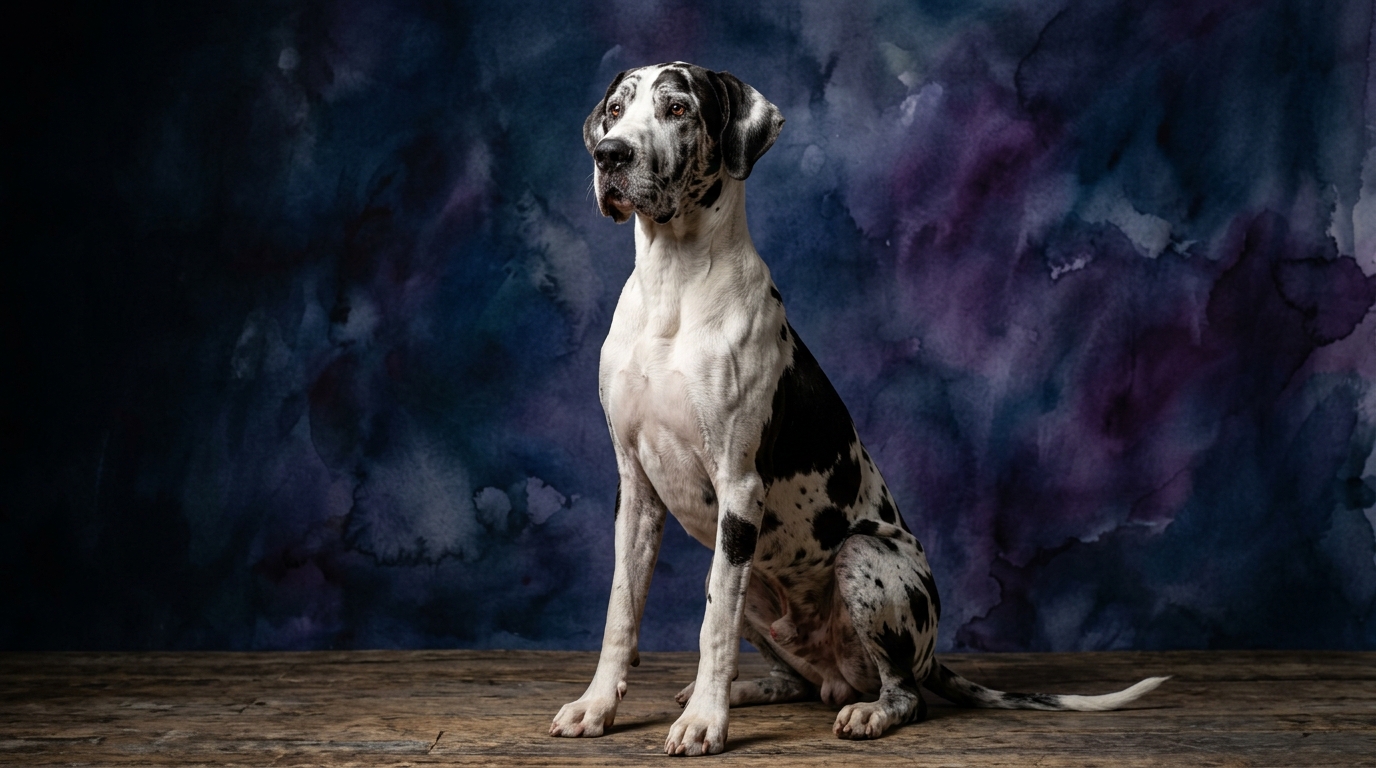
The Great Dane, a member of the Working group, carries a Coren rank of #48, reflecting a cognitive makeup shaped by cooperative roles. Its Problem Solving is rated 3/5, indicating a steady capacity for navigating challenges. Training Speed, also at 3/5, suggests they are receptive learners who benefit from consistent reinforcement. Social Intelligence stands out at 4/5, highlighting a strong aptitude for understanding human emotions and integrating seamlessly into family life. Instinctive Drive is moderate at 3/5, encompassing manageable protective instincts. Memory, rated 3/5, allows for reliable retention of learned behaviors.
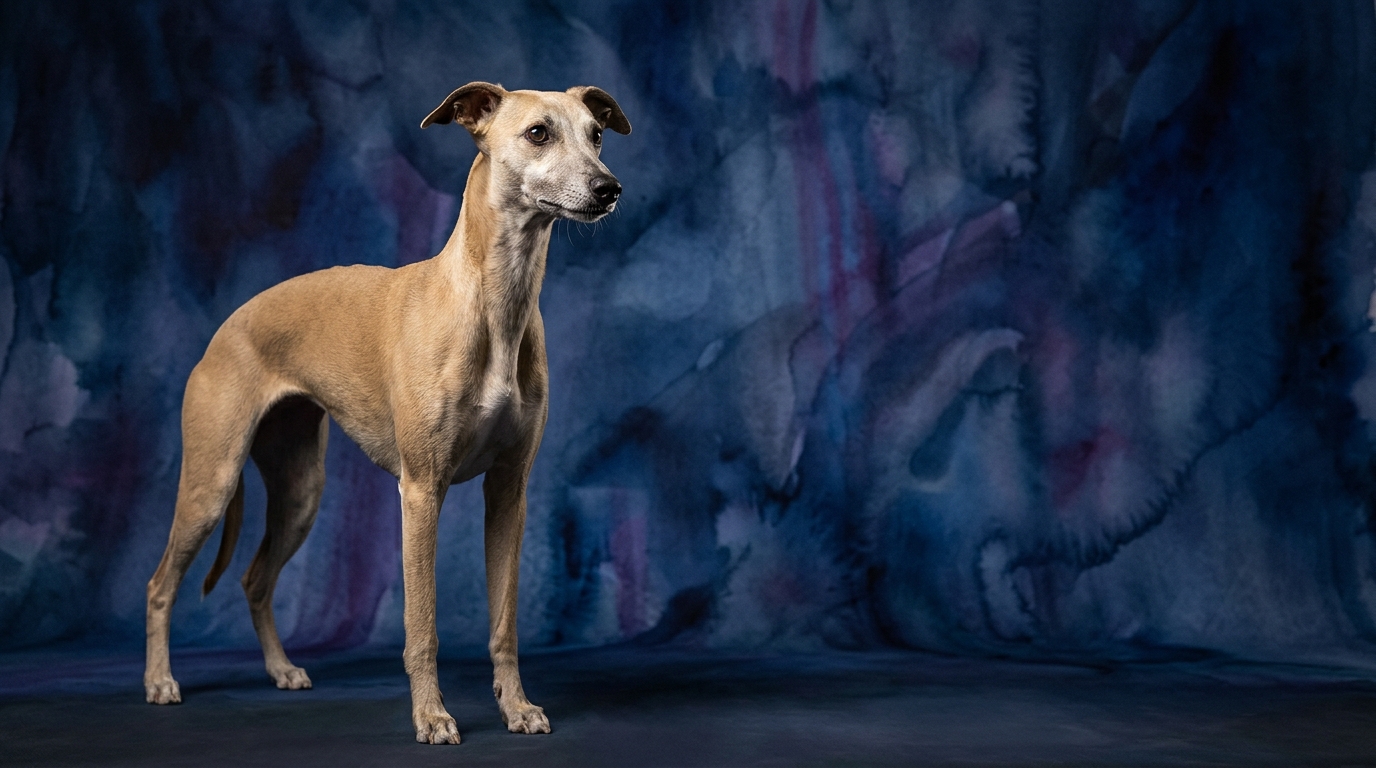
The Whippet, a sighthound from the Hound group, ranks #51 on Coren's scale, presenting a distinct cognitive profile. Its Problem Solving is also 3/5, though likely applied to different contexts like environmental navigation or tracking. Training Speed is rated 2/5, indicating an independent streak that may require more patience and repetition during learning. Matching the Dane, their Social Intelligence is 4/5, demonstrating deep sensitivity and a desire for affectionate connection. The most striking difference is their Instinctive Drive, a robust 5/5, reflecting a powerful, genetically ingrained urge to chase. Memory is 3/5, allowing recall of routines, though their independence can make it seem selective.
Where the Great Dane Excels Cognitively
While both breeds share similarities in problem-solving and social intelligence, the Great Dane demonstrates a subtle cognitive advantage in the domain of structured learning and cooperative tasks, primarily reflected in their Training Speed score of 3/5 compared to the Whippet's 2/5. This difference isn't about one breed being more capable, but rather about inherent inclinations and historical roles. Great Danes, originating from the Working group, were historically bred to collaborate closely with humans, whether for hunting boar or guarding estates. This background fostered a cognitive predisposition towards responsiveness to human direction. They tend to exhibit a stronger desire to please and a more consistent focus during training sessions, making the process of teaching obedience commands or complex routines slightly more straightforward. Their moderate instinctive drive (3/5) also means they are generally less prone to severe distractions from environmental stimuli compared to a breed with a powerful prey drive, allowing for more sustained attention on the task at hand. This manifests in a slightly quicker grasp of new concepts and a greater reliability in executing learned behaviors without excessive repetition.
Where the Whippet Excels Cognitively
The Whippet's cognitive strengths distinctly shine in areas tied to their powerful Instinctive Drive, rated an exceptional 5/5, far surpassing the Great Dane's 3/5. This isn't merely a physical attribute; it's a profound cognitive specialization that dictates their perception, focus, and decision-making. As sighthounds, their brains are wired for rapid visual processing, immediate threat assessment (in terms of prey), and an unparalleled ability to execute complex chase sequences with incredible speed and agility. Their intelligence in this domain involves split-second decision-making, spatial reasoning to intercept moving targets, and an unwavering focus on the object of their pursuit. While this drive can present training challenges in environments rich with distractions, it is a testament to a highly specialized form of cognitive function. This acute instinctive intelligence means Whippets possess an innate understanding of physics in motion, the nuances of tracking, and the satisfaction derived from fulfilling these deeply ingrained urges. Their problem-solving, though rated equally at 3/5, is likely applied differently, perhaps in devising optimal chase paths or finding the most comfortable, warm spot in the house, demonstrating an adaptive intelligence tailored to their natural inclinations.
Training Dynamics: Great Dane vs. Whippet
When it comes to ease of training, the Great Dane generally presents a more direct path due to its higher Training Speed score (3/5) and its working group heritage. Great Danes typically possess an inherent desire to cooperate and a more consistent focus on their human companions. They respond well to positive reinforcement, often eager to please, and their larger size means early and consistent training is crucial for managing their physical presence. Behavioral differences include their tendency to be less easily distracted by environmental stimuli like small animals or distant movement, allowing them to maintain attention on commands.
The Whippet, with a Training Speed of 2/5, can be more challenging, not due to a lack of capacity, but due to their independent nature and powerful Instinctive Drive (5/5). Whippets are often described as “selective listeners”; they learn, but they may weigh whether complying with a command aligns with their current interest, particularly if a potential chase is involved. Their acute visual perception means a squirrel darting across the yard can instantly override any recall command, a clear example of their instinctive drive taking precedence. Training a Whippet requires immense patience, creativity, and high-value rewards to capture and maintain their attention. Building a strong bond and making training a fun, engaging game is key to overcoming their independent streak and channeling their cognition effectively.
Matching Breeds to Lifestyles: Active vs. Relaxed Owners
The cognitive and behavioral profiles of the Great Dane and Whippet lend themselves to different owner lifestyles. For more relaxed owners, the Great Dane often proves to be an excellent match. Despite their imposing size, their moderate Instinctive Drive (3/5) means they are generally content with a couple of moderate walks daily and ample time spent lounging with their family. Their high Social Intelligence (4/5) means they thrive on companionship and being an integral part of household activities, often seeking out affection and interaction. They are not typically driven by an incessant need for intense physical or mental tasks, making them suitable for those who prefer a calmer, more companion-oriented routine.
Conversely, owners with a more active lifestyle, particularly those who appreciate and can safely accommodate a powerful prey drive, might find the Whippet to be a more rewarding companion. While Whippets are renowned “couch potatoes” indoors, their 5/5 Instinctive Drive demands regular, safe opportunities for high-speed running and chasing outdoors. These bursts of intense activity are not just physical; they are mentally stimulating, allowing the Whippet to engage their specialized sighthound cognition. An active owner for a Whippet isn't necessarily someone who runs marathons with their dog, but rather someone who can provide secure, expansive areas for them to gallop freely and fulfill their innate desire to run and “hunt” (even if it's just a lure or toy). Without these outlets, their pent-up energy and unfulfilled instincts can lead to frustration or destructive behaviors.
The Verdict
Choose the Great Dane for owners seeking a gentle, cooperative companion who thrives on social interaction, appreciates a relaxed home life, and responds well to consistent, patient training.
Opt for the Whippet if you are an active owner who can safely facilitate their innate need for high-speed running and chasing, valuing an independent spirit that forms deep, sensitive bonds.
🧠 Find Your Pet's IQ Score
Our Pet IQ Lab assessment covers 25+ tests across 5 cognitive dimensions — personalized to your breed.
Take the Full IQ Test →Frequently Asked Questions
Do Great Danes and Whippets learn tricks easily?
Great Danes, with a Training Speed of 3/5, generally learn tricks with consistent positive reinforcement and patience, as they are often eager to please. Whippets, at 2/5, can learn tricks but may require more motivation and creativity from the trainer due to their independent nature and preference for self-directed activities.
How do their social intelligence scores impact family life?
Both breeds score 4/5 in social intelligence, meaning they are highly attuned to human emotions and family dynamics. Great Danes often display a calm, empathetic presence, while Whippets are sensitive and affectionate, thriving on close physical contact and bonding deeply with their chosen people.
Is one breed more prone to chasing small animals than the other?
Yes, the Whippet, with an Instinctive Drive of 5/5, has a significantly stronger prey drive compared to the Great Dane's 3/5. This means Whippets are far more prone to chasing small animals and require secure leashes or fenced areas, whereas a Great Dane's chase instinct is generally more manageable.