Side-by-Side IQ Profile: Great Pyrenees vs. Japanese Chin
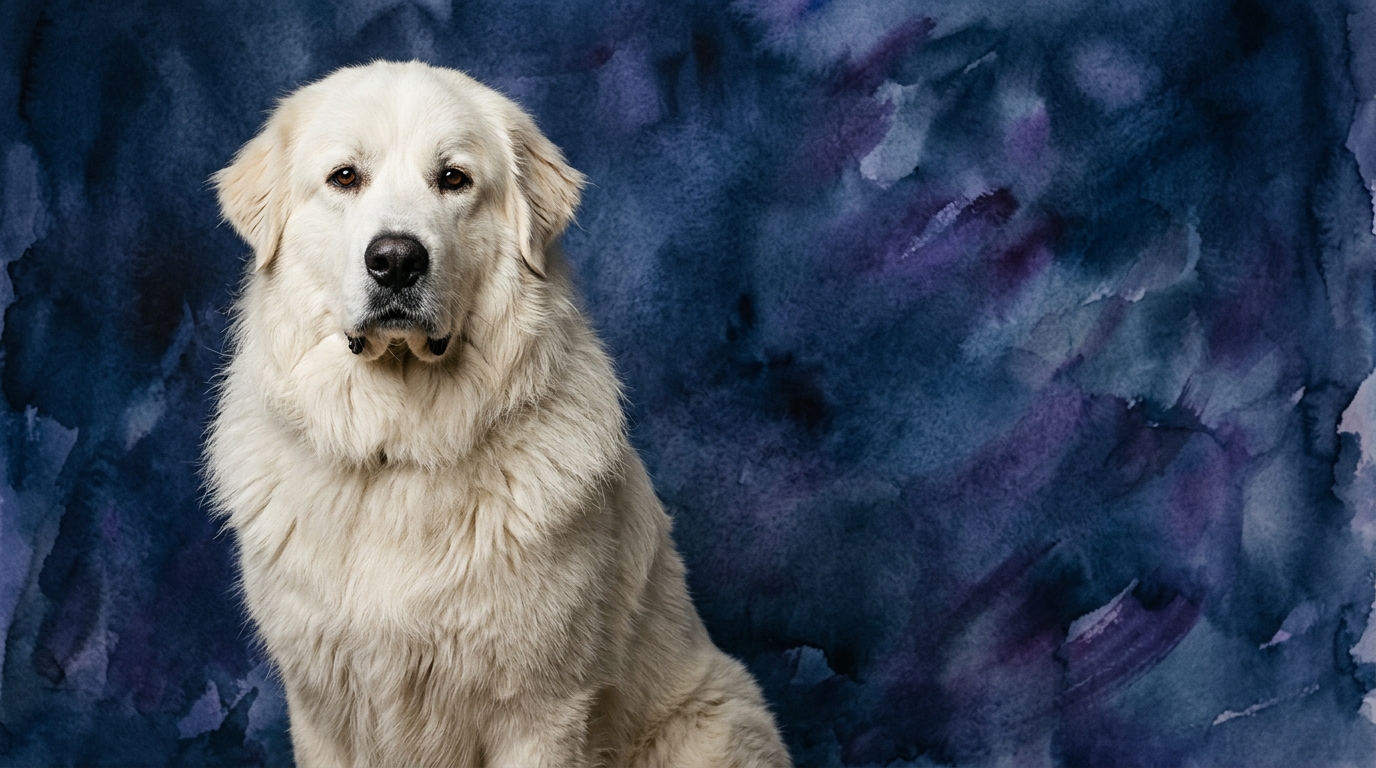
The Great Pyrenees, a majestic Working breed ranked #64 by Coren, demonstrates a consistent 3/5 across all cognitive dimensions. Their Problem Solving at 3/5 reflects an ability to independently assess and mitigate threats to their flock, often requiring them to make critical decisions without direct human command. Training Speed, also 3/5, indicates they can learn commands, but their strong will and inherent guardian nature mean they often weigh the utility of a command against their own protective instincts. Their Social Intelligence (3/5) is finely tuned for discerning friend from foe, understanding the nuances of livestock behavior, and forming deep, protective bonds with their designated family or flock. Instinctive Drive at 3/5 is overwhelmingly focused on guarding and territorial defense, a core aspect of their being. Finally, Memory at 3/5 allows them to recall specific territories, perceived threats, and the routines of their charges and human companions with enduring clarity.
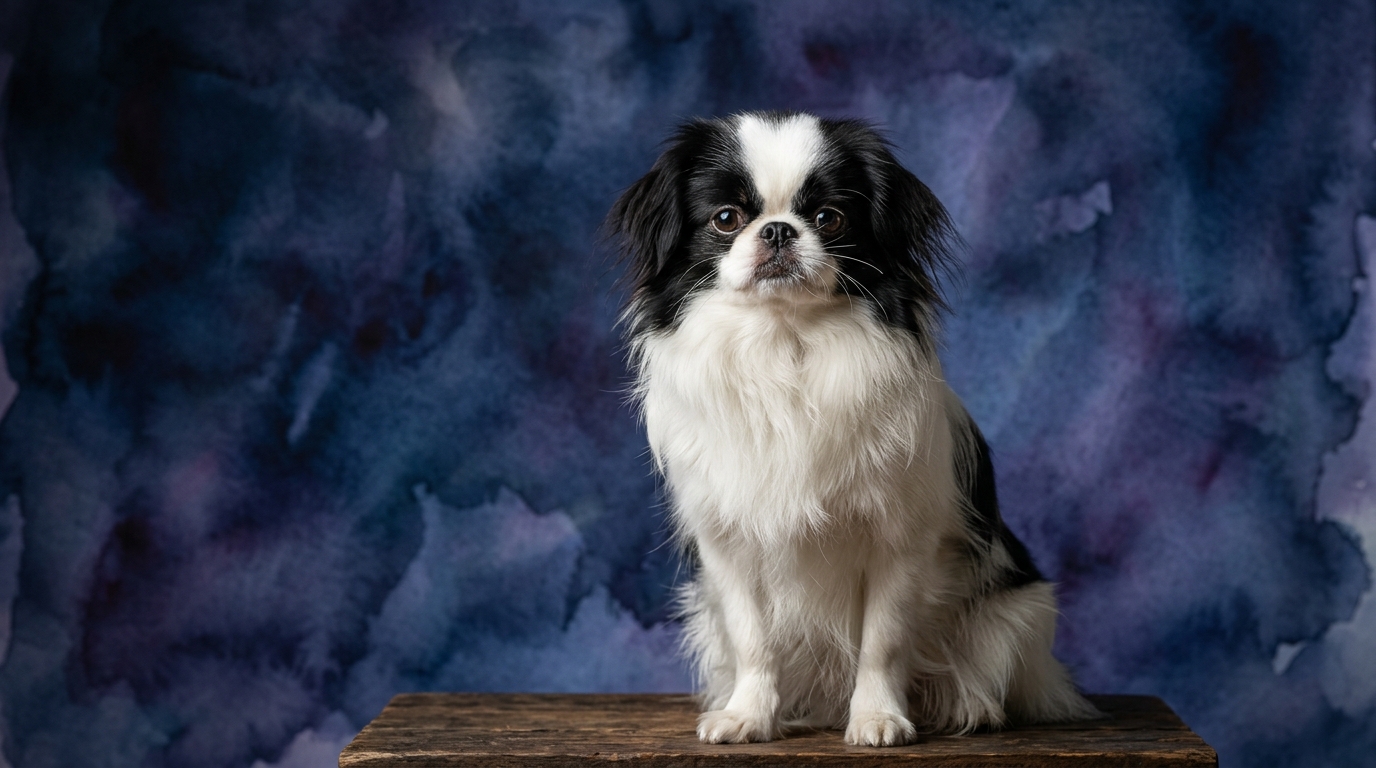
The Japanese Chin, a charming Toy breed without a Coren ranking, also scores 3/5 in every cognitive category, yet these scores manifest quite differently. Their Problem Solving at 3/5 often involves navigating complex social dynamics within a household, figuring out how to gain attention or preferred sleeping spots, or solving puzzles for treats. Training Speed (3/5) shows they can pick up new commands and tricks, often motivated by positive reinforcement and a desire for interaction, though their attention span might be shorter than that of a working breed. Social Intelligence at 3/5 is acutely focused on human interaction, reading subtle emotional cues, and adapting to household routines, making them highly attuned companions. Their Instinctive Drive (3/5) is primarily centered on companionship, play, and seeking comfort, often expressing a strong preference for being close to their people. Memory at 3/5 allows them to remember specific family members, routines, and where their favorite toys or cozy napping spots are located, contributing to their adaptability as house pets.
Where the Great Pyrenees Excels Cognitively
The Great Pyrenees' cognitive strengths shine brightest in scenarios demanding independent judgment and protective oversight. Their 3/5 Problem Solving isn't about fetching a ball, but about strategic thinking in a dynamic outdoor environment. For instance, a Pyrenees might independently decide the best vantage point to observe their territory, or how to subtly deter a perceived threat without direct aggression, showcasing a nuanced understanding of their role. This autonomy, combined with a 3/5 Social Intelligence geared towards discerning threats, allows them to operate effectively as solitary guardians, interpreting complex environmental cues and reacting appropriately. Their memory (3/5) is particularly robust for spatial awareness and long-term recall of territories and recurring patterns, which is essential for consistent vigilance over large areas. While their Coren rank of 64 suggests a different kind of working aptitude compared to highly obedient breeds, it underscores their capacity for self-directed work rather than a lack of cognitive depth.
Where the Japanese Chin Excels Cognitively
The Japanese Chin's cognitive prowess is deeply intertwined with their role as sophisticated companions. Their 3/5 Social Intelligence truly stands out in their ability to integrate seamlessly into human family life. They are adept at reading human moods, often offering comfort or seeking play at opportune moments, demonstrating a finely tuned emotional intelligence within a domestic setting. Their Problem Solving (3/5) often manifests in charming ways, such as devising strategies to get an extra treat or navigating a crowded room to reach their preferred lap. This isn't about guarding livestock, but about mastering the art of companionship. Their memory (3/5) is excellent for recalling specific people, routines, and the subtle cues that indicate upcoming events, like meal times or walks, contributing to their smooth integration into a household. The Japanese Chin’s lack of a Coren ranking does not imply a cognitive deficit; rather, it highlights that their intelligence is specialized for interaction and adaptation within a companion role, prioritizing emotional connection over obedience-driven tasks.
Which is Easier to Train and Why
When considering ease of training, the Great Pyrenees and Japanese Chin present distinct challenges and rewards, despite both scoring 3/5 in Training Speed. The Great Pyrenees, with its strong instinctive drive for guarding and independent problem-solving, often approaches training with a thoughtful, almost questioning attitude. They are capable of learning commands, but their inherent desire to assess the 'why' of a request, particularly if it conflicts with their protective instincts or seems arbitrary, can make obedience training slower or require more patience. They learn best when commands are consistent, logical, and tied to a clear purpose, rather than rote repetition. Their independence means they might choose to prioritize their own judgment over an immediate command, especially if they perceive a situation requires their guardian input.
Conversely, the Japanese Chin's 3/5 Training Speed is often influenced by their strong social intelligence and desire for interaction. They are generally eager to please their human companions and respond well to positive reinforcement, making them receptive to learning tricks and basic obedience. However, their smaller stature and 'toy breed' nature can sometimes lead to owners being less rigorous with training, inadvertently allowing for more independence in areas like house-training or leash manners. While they are quick to grasp concepts, their attention can sometimes wander, and they might employ their problem-solving skills to find ways around a command if they deem it uninteresting. Consistency and making training feel like a fun game are key to success with the Japanese Chin, leveraging their natural inclination for engagement and companionship.
Which Suits Active Owners vs. Relaxed Owners
The Great Pyrenees, despite its imposing size, is often suited for owners who appreciate a more relaxed, yet vigilant, companion. While they need regular exercise and mental stimulation, their activity is typically characterized by patrolling their territory, observing, and occasional bursts of protective energy rather than intense, prolonged physical exertion like a retrieving dog. They thrive with owners who understand their independent nature and can provide a secure, large space for them to fulfill their instinctive drive to guard. An active owner in this context means someone who is actively engaged in their dog's mental landscape, respecting their decision-making and providing a purpose, even if it's just overseeing the family and property, rather than an owner seeking a jogging partner.
The Japanese Chin, on the other hand, is an ideal fit for more relaxed owners who desire a devoted and engaging indoor companion. Their exercise needs are easily met with indoor play, short walks, and mental games, making them well-suited for apartment living or less physically active lifestyles. Their social intelligence means they thrive on consistent human interaction and affection, preferring to be a constant presence by their owner's side. While they enjoy playful bursts, their overall demeanor is calm and adaptable, making them excellent companions for those who appreciate quiet evenings, cuddles, and subtle, charming interactions. Their cognitive strengths are best utilized in a home environment where their social acumen can flourish.
The Verdict: When to Choose Each Breed
The Verdict
Choose a Great Pyrenees if you seek an independent, vigilant guardian with a calm demeanor, requiring an owner who respects their self-reliant decision-making and provides a meaningful role, whether guarding livestock or family.
Opt for a Japanese Chin if you desire a charming, highly social indoor companion who thrives on close human interaction, offering subtle emotional intelligence and adaptable companionship without extensive physical demands.
🧠 Find Your Pet's IQ Score
Our Pet IQ Lab assessment covers 25+ tests across 5 cognitive dimensions — personalized to your breed.
Take the Full IQ Test →Frequently Asked Questions
Do the Coren rankings always reflect a breed's overall intelligence?
Coren rankings primarily measure 'working and obedience intelligence,' which evaluates a dog's ability to learn and execute human commands. They don't fully encompass other forms of intelligence like problem-solving in natural environments, social acumen with humans, or instinctive drives, as demonstrated by breeds like the Japanese Chin, which is not Coren-ranked but still highly intelligent in its own right.
How does 'instinctive drive' differ between these two breeds with the same score?
Though both score 3/5, the Great Pyrenees' instinctive drive is deeply rooted in territorial guarding and protection, manifesting as vigilance and independent decision-making in security matters. The Japanese Chin's 3/5 instinctive drive is centered on companionship, seeking close proximity to humans, and engaging in social play, reflecting their historical role as lap dogs and companions.
Can a Great Pyrenees be a good apartment dog despite its size?
While physically large, a Great Pyrenees can adapt to apartment living if their significant exercise needs are met through regular, purposeful walks and they have a strong sense of 'territory' within the apartment. However, their strong guarding instincts and tendency to bark at perceived threats can be challenging in close quarters, and they generally thrive with more space to patrol.