Side-by-Side Cognitive Profiles
The Cosmic Pet Pet IQ Lab employs a five-dimensional framework to assess canine cognition: Problem Solving, Training Speed, Social Intelligence, Instinctive Drive, and Memory. Examining the Great Pyrenees and Keeshond through this lens illuminates their distinct mental architectures.
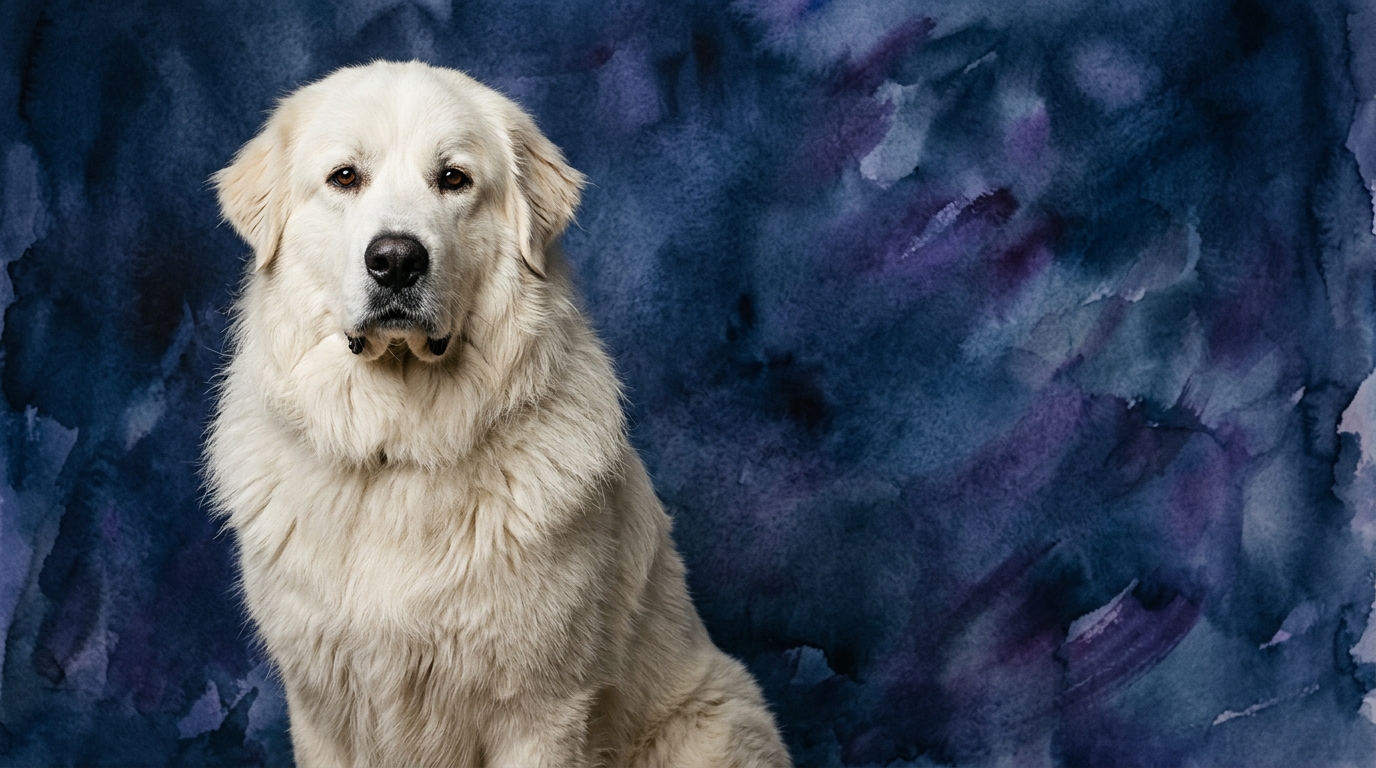
The **Great Pyrenees**, a Working breed, is ranked #64 by Coren, indicating a specific type of working intelligence rather than general obedience aptitude. Their Problem Solving is rated 3/5, signifying a capacity for independent, situational judgment vital for their historical role as livestock guardians. This isn't about solving complex human-devised puzzles quickly, but rather autonomously assessing environmental threats and making decisions to protect their charges without direct human intervention. Training Speed also stands at 3/5; these dogs are deliberate learners who evaluate commands, often requiring patience and understanding of their independent nature. They respond best when tasks align with their perceived purpose. Social Intelligence is 3/5, reflecting an ability to understand and manage flock or family dynamics, discerning friend from foe, and acting protectively. Their interactions are often driven by a need for group harmony and security. Instinctive Drive, at 3/5, is centered on their deep-seated guardian instincts, which fuel their territorial awareness and protective behaviors. Finally, their Memory is 3/5, enabling them to recall important locations, routines, and potential threats over extended periods, crucial for sustained vigilance in vast territories.
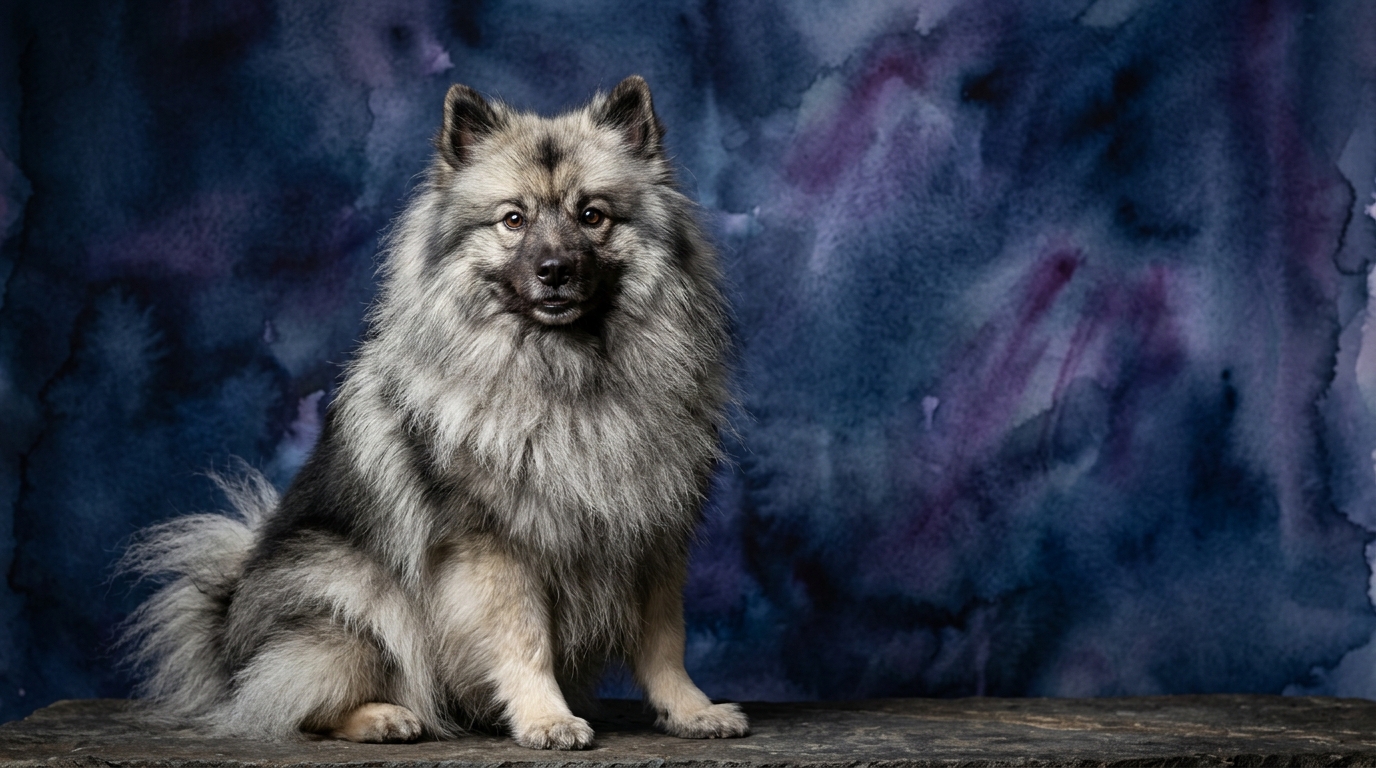
In contrast, the **Keeshond**, a Non-Sporting breed, holds a significantly higher Coren rank of #16, pointing to a different cognitive specialization. Their Problem Solving is rated 4/5, indicating a stronger aptitude for figuring out novel situations, understanding complex sequences, and engaging with puzzle-like challenges, often to achieve a desired outcome or interact with their human companions. Training Speed is 4/5, meaning they typically pick up new commands and routines with greater alacrity and responsiveness than the Pyrenees, thriving on positive reinforcement and engagement. Their Social Intelligence is 3/5; Keeshonden are attuned to human emotions and cues, fostering strong companion bonds and often seeking to participate in family activities. Instinctive Drive is also 3/5, manifesting as an alert nature, a desire for close companionship, and a tendency for watchdog barking rather than the intense, independent guardianship of a Pyrenees. A standout trait for the Keeshond is their Memory, rated 5/5. This exceptional recall allows them to retain a vast repertoire of learned behaviors, commands, and intricate routines, making them excellent candidates for advanced obedience or trick training.
Where the Great Pyrenees Wins Cognitively
While the Great Pyrenees doesn't boast higher numerical scores in any single dimension compared to the Keeshond, their unique combination of 3/5 ratings across the board represents a cognitive specialization that makes them unparalleled in specific contexts. Their Problem Solving (3/5) shines in scenarios demanding autonomous, low-supervision decision-making. For instance, a Pyrenees excels at independently assessing a perceived threat to its flock, deciding whether to bark, confront, or simply maintain a watchful presence, without needing human direction. This specific brand of situational awareness and self-reliance is a distinct cognitive advantage for their traditional role. Their Social Intelligence (3/5) is finely tuned to the dynamics of their charges, whether sheep or human family, allowing them to integrate seamlessly into a protective role, often anticipating needs or potential dangers with subtle cues. The Pyrenees' cognitive strengths are about enduring vigilance and unwavering, self-directed guardianship.
Where the Keeshond Wins Cognitively
The Keeshond demonstrates clear cognitive advantages in several key areas. Their Problem Solving (4/5) is notably higher, indicating a greater facility for understanding and manipulating their environment to achieve desired outcomes, such as opening cabinets or figuring out complex interactive toys. This makes them more adept at navigating human-centric puzzles and adapting to varied household routines. Their Training Speed (4/5) is also superior, allowing them to learn new commands and behaviors more rapidly and with fewer repetitions, which is a significant benefit for owners seeking to engage in consistent training or canine sports. However, the most striking cognitive win for the Keeshond is their Memory (5/5). This exceptional recall capacity means they can retain a vast array of learned commands, sequences, and experiences over long periods. Owners can teach a Keeshond a wide variety of tricks or complex obedience routines, confident that the dog will remember them, making them highly versatile and rewarding companions for those who enjoy active mental engagement.
Which is Easier to Train and Why
The Keeshond is unequivocally easier to train compared to the Great Pyrenees, a distinction clearly reflected in their respective Training Speed scores and Coren ranks. With a Training Speed of 4/5, the Keeshond is eager to please and responds quickly to positive reinforcement, readily absorbing new commands and behaviors. Their higher Coren rank (#16) further supports this, indicating a greater willingness to consistently obey known commands on the first attempt. They thrive on interaction and mental stimulation, making training sessions enjoyable and productive.
Conversely, the Great Pyrenees, with a Training Speed of 3/5 and Coren rank #64, presents a more significant training challenge. Their inherent independence and centuries of breeding for autonomous decision-making mean they tend to evaluate commands rather than simply comply. They are not unintelligent, but their intelligence is geared towards self-sufficiency. Training a Pyrenees requires immense patience, consistency, and a deep understanding of their guardian mindset; they will learn, but often at their own pace and if they perceive a valid reason for the command, not just because you asked. Their focus is often on their environment and perceived duties rather than human-directed tasks, making them less inclined towards rote obedience.
Which Suits Active Owners vs. Relaxed Owners
Matching a breed's cognitive and behavioral profile to an owner's lifestyle is crucial for a harmonious relationship. The Keeshond, with its higher Problem Solving (4/5), Training Speed (4/5), and exceptional Memory (5/5), is an excellent fit for active owners who enjoy engaging in consistent training, canine sports like agility or obedience, and mental games. They thrive on interaction and require regular mental stimulation to prevent boredom, making them ideal for owners who are prepared to dedicate time to daily training sessions and interactive play. Their social intelligence also means they cherish being an integral part of family activities.
The Great Pyrenees, on the other hand, with its more deliberate cognitive pace (all 3/5 scores), is better suited for more relaxed owners who appreciate an independent companion and guardian. While they require exercise, it's often more about patrolling a territory than high-intensity bursts. Their problem-solving is about long-term vigilance and autonomous decision-making in a protective role, not constant human-directed activity. Owners who understand and respect their independent nature, providing clear boundaries and a sense of purpose (even if just guarding the yard), will find the Pyrenees a loyal, albeit less overtly eager, companion. They are generally content with a watchful presence rather than constant engagement, fitting well into a household that values a calm, self-sufficient presence.
The Verdict
Choose the Great Pyrenees if you seek an independent, watchful guardian with a calm demeanor, valuing their autonomous decision-making and protective instincts above quick obedience. They thrive in environments where they can fulfill their natural role, offering a serene yet steadfast presence.
Opt for the Keeshond if you desire an engaging, highly trainable companion eager to participate in family activities and mental challenges, appreciating their quick learning and exceptional memory. They flourish with owners who provide consistent training and enjoy active interaction.
🧠 Find Your Pet's IQ Score
Our Pet IQ Lab assessment covers 25+ tests across 5 cognitive dimensions — personalized to your breed.
Take the Full IQ Test →Frequently Asked Questions
Do Great Pyrenees dogs learn tricks easily?
Great Pyrenees dogs can learn tricks, but their 3/5 Training Speed and independent nature mean they learn at a deliberate pace and may require more patience and consistent motivation than other breeds. They often need to perceive a purpose in the command to engage fully.
Are Keeshonden good at problem-solving household challenges?
Yes, Keeshonden are quite adept at problem-solving household challenges, scoring 4/5 in this dimension. Their cognitive flexibility allows them to figure out how to open doors, retrieve hidden toys, or manipulate objects to achieve a desired outcome, often to their owner's amusement or occasional chagrin.
Which breed is better for first-time dog owners interested in obedience training?
For first-time dog owners specifically interested in obedience training, the Keeshond is generally a more suitable choice. Their 4/5 Training Speed and 5/5 Memory make them more responsive and easier to guide through basic and advanced commands compared to the more independent Great Pyrenees.