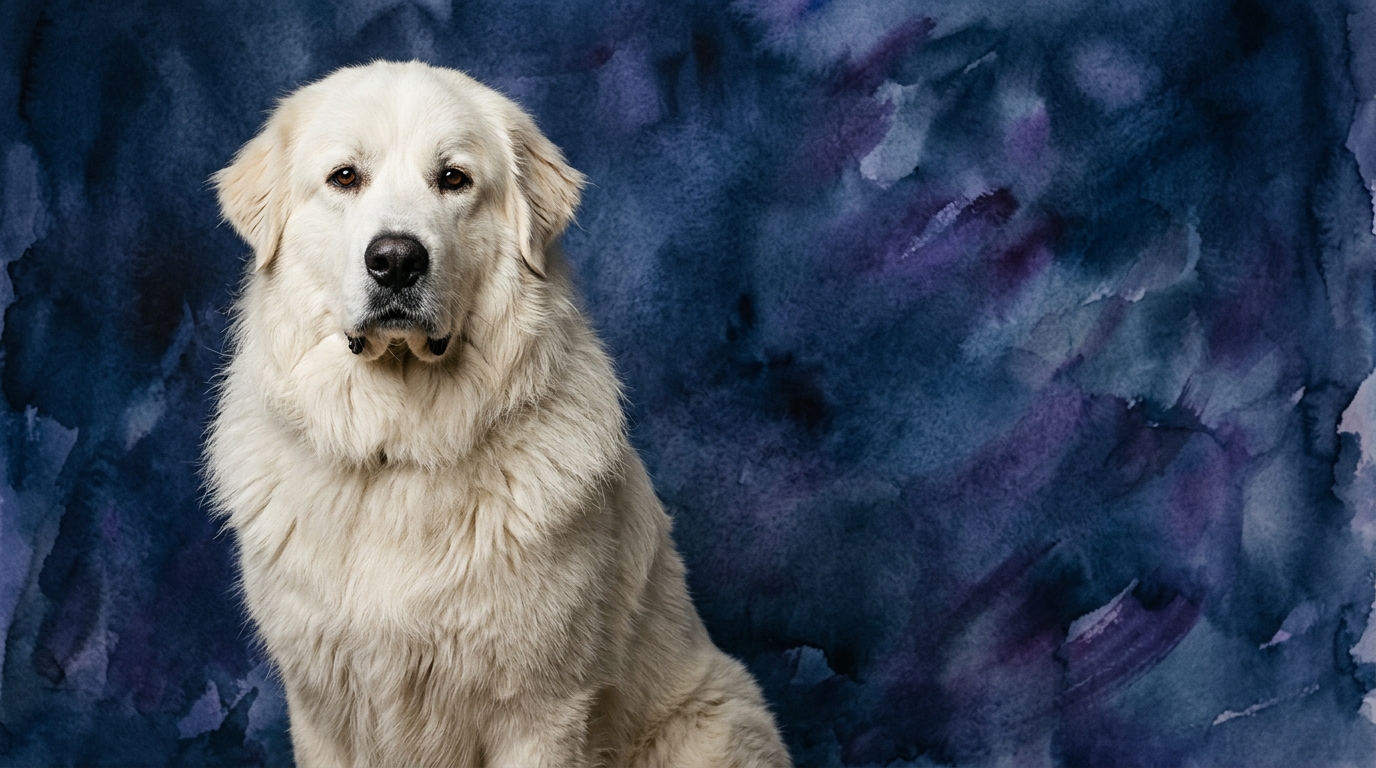
Side-by-Side IQ Profile: Great Pyrenees
**Problem Solving (3/5):** This score reflects a capacity for independent, situation-specific judgment, crucial for a livestock guardian. A Great Pyrenees often assesses threats and makes decisions without direct human command, such as positioning itself between livestock and perceived danger, or determining if a new animal truly poses a risk. Their problem-solving isn't about rapid obedience to complex cues, but rather about autonomous, adaptive decision-making within their guarding domain.
**Training Speed (3/5):** While capable of learning commands, their independent nature means training often requires patience and understanding of their motivations. They grasp concepts at a moderate pace, but their willingness to execute a command can be conditional on their assessment of its necessity or their personal inclination, rather than simply a desire to please.
**Social Intelligence (3/5):** Great Pyrenees exhibit a profound social bond with their “flock,” whether it's sheep or their human family, demonstrating loyalty and protective instincts. They are generally reserved with strangers, evaluating new individuals carefully before accepting them, a trait vital for discerning friend from foe in a guarding role.
**Instinctive Drive (3/5):** Their innate drive centers on protection and patrolling territory. This isn't a high-energy chase drive, but a persistent, watchful instinct to keep their charges safe. They are driven by an internal sense of responsibility, often leading to nocturnal patrolling and a keen awareness of their surroundings.
**Memory (3/5):** Great Pyrenees possess a good memory for their territory, routines, and the individuals (both human and animal) they are responsible for protecting. They remember past interactions and perceived threats, which informs their future decision-making and guarding strategies.
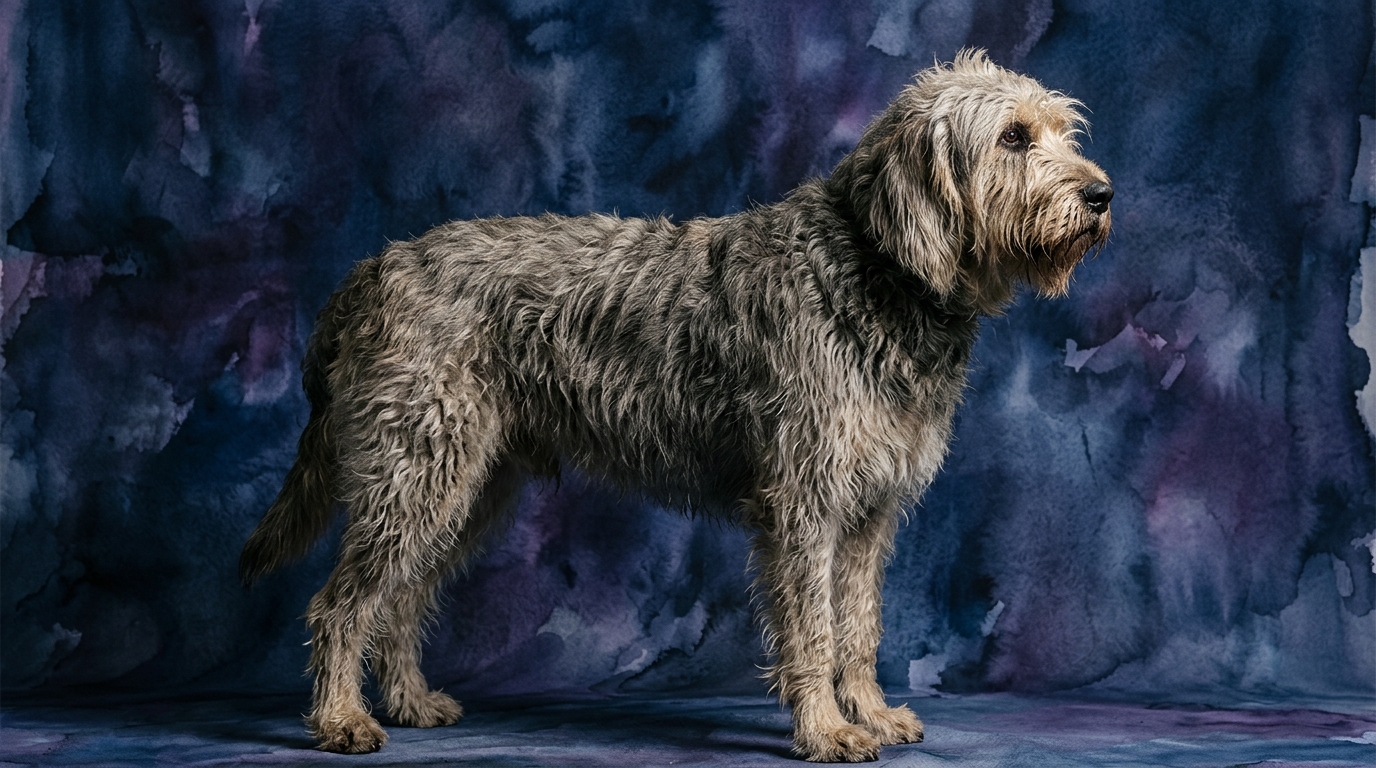
Side-by-Side IQ Profile: Otterhound
**Problem Solving (3/5):** The Otterhound's problem-solving prowess is deeply intertwined with its scenting abilities. They excel at navigating complex scent trails, piecing together fragmented information to locate a target, which requires sustained focus and a methodical approach. This cognitive strength is less about independent strategic action and more about persistent, sensory-driven deduction.
**Training Speed (3/5):** Otterhounds learn at a moderate pace, but their primary challenge in training stems from their overwhelming drive to follow a scent. While they can understand commands, an enticing smell can easily override their focus, making consistent execution of commands in stimulating environments a long-term endeavor.
**Social Intelligence (3/5):** As a pack hound, the Otterhound is inherently social, thriving on companionship with humans and other dogs. They are typically boisterous and friendly, displaying an eagerness to engage and interact. Their social intelligence is geared towards cooperative activities and forming strong bonds within their immediate “pack.”
**Instinctive Drive (3/5):** The Otterhound's defining characteristic is its powerful, relentless scent drive. They are compelled to follow a trail, often to the exclusion of all else, demonstrating remarkable endurance and single-mindedness in pursuit of a scent. This drive is a fundamental aspect of their cognitive makeup, shaping their perceptions and behaviors.
**Memory (3/5):** Otterhounds possess an excellent memory for scent profiles and the locations associated with them, which is critical for their hunting lineage. They also remember people and routines well, but their strongest memory recall is often linked to their olfactory experiences.
Where Great Pyrenees Wins Cognitively
The Great Pyrenees demonstrates a particular cognitive advantage in autonomous decision-making within a protective context. Their problem-solving isn't about speed, but about nuanced judgment: assessing potential threats to their charges, determining appropriate responses without human instruction, and patrolling vast territories with an inherent understanding of boundaries and vulnerabilities. This independent reasoning, honed over centuries of livestock guarding, allows them to make subtle, on-the-spot choices, such as whether a new visitor is a friend or a potential danger, or how to best position themselves to deter predators without unnecessary confrontation. Their social intelligence, while reserved, is deeply protective and discerning, a strength in evaluating trustworthiness.
Where Otterhound Wins Cognitively
The Otterhound's cognitive strengths shine brightest in the realm of sustained sensory processing and pursuit. Their problem-solving is unparalleled when it comes to following complex scent trails, requiring an ability to filter myriad environmental odors, maintain focus over long distances, and reconstruct a narrative from faint olfactory cues. This is a specific form of intelligence that demands immense persistence and a unique way of interpreting the world through smell. Their social intelligence, geared towards pack cooperation and boisterous engagement, makes them highly adaptable to varied social settings once their scent drive is satisfied, fostering strong, interactive bonds with their human companions.
Which Is Easier to Train and Why
Neither the Great Pyrenees nor the Otterhound are typically considered “easy” to train in the traditional sense of rapid obedience, but for different reasons. The Great Pyrenees' training challenge stems from their profound independence. They often understand commands but possess a strong will, evaluating whether a command aligns with their perceived duties or desires. They may choose to comply only if they deem it necessary or beneficial, requiring an owner who can motivate through cooperation and respect rather than strict compulsion. Their guarding instincts can also make them prone to barking or territorial behaviors that need careful management.
The Otterhound, conversely, faces training difficulties primarily due to their all-consuming scent drive. While often eager to please and generally good-natured, their nose dictates much of their world. A captivating scent can instantly override any learned command, making off-leash reliability a significant challenge in open environments. Training an Otterhound demands immense patience, consistent positive reinforcement, and a profound understanding that their instincts are incredibly powerful. Owners must learn to work with, rather than against, this fundamental drive, channeling it into appropriate outlets while simultaneously building strong recall and focus in distracting situations.
Which Suits Active Owners vs. Relaxed Owners
For the truly relaxed owner, neither breed is an ideal fit without significant lifestyle adjustments, but the Great Pyrenees leans slightly more towards a “relaxed” indoor presence once their outdoor patrolling needs are met. They are often calm and majestic indoors, enjoying comfortable lounging, but they require substantial outdoor space to patrol and satisfy their innate guarding instincts. Their exercise needs are moderate, consisting of leisurely walks and ample yard time, rather than intense physical exertion. However, their nocturnal barking and independent nature demand a relaxed owner who is also extremely patient and understanding of their unique behavioral patterns.
The Otterhound, by contrast, unequivocally suits a more active owner, or at least one prepared for consistent, stimulating activity. Their strong scent drive translates into a need for regular, engaging exercise that allows them to use their nose, such as long walks, scent work, or even participation in tracking sports. Without sufficient mental and physical stimulation, an Otterhound can become restless and destructive. They thrive with owners who enjoy outdoor adventures and are willing to incorporate their hound's natural instincts into their daily routine, making them excellent companions for hikers or those who can provide structured “work” for their nose.
The Verdict
Opt for a Great Pyrenees if you seek an independent, watchful companion for a large property, value a dog that makes its own judgments, and are prepared for a protective nature that manifests through subtle decisions rather than eager obedience.
Select an Otterhound if you're an active individual or family who embraces a boisterous, scent-driven companion, is committed to channeling powerful instincts into engaging activities, and enjoys a dog with a robust, affectionate personality.
🧠 Find Your Pet's IQ Score
Our Pet IQ Lab assessment covers 25+ tests across 5 cognitive dimensions — personalized to your breed.
Take the Full IQ Test →Frequently Asked Questions
Do Great Pyrenees or Otterhounds shed a lot?
Both breeds are significant shedders, especially the Great Pyrenees with its thick double coat that requires regular brushing to manage shedding and prevent matting; Otterhounds also shed consistently, though their shaggy coat might make it less noticeable until grooming.
Are Great Pyrenees and Otterhounds good with children?
Great Pyrenees are generally gentle and tolerant with children they consider part of their “flock,” but their large size and protective instincts mean supervision is always wise; Otterhounds are typically boisterous and playful with children, though their enthusiastic nature might accidentally knock over smaller kids.
What are the primary health concerns for these breeds?
Great Pyrenees are prone to hip and elbow dysplasia, patellar luxation, and certain cancers; Otterhounds can also suffer from hip and elbow dysplasia, bloat, and have a predisposition to epilepsy, making responsible breeding and veterinary care important for both.