Side-by-Side IQ Profile
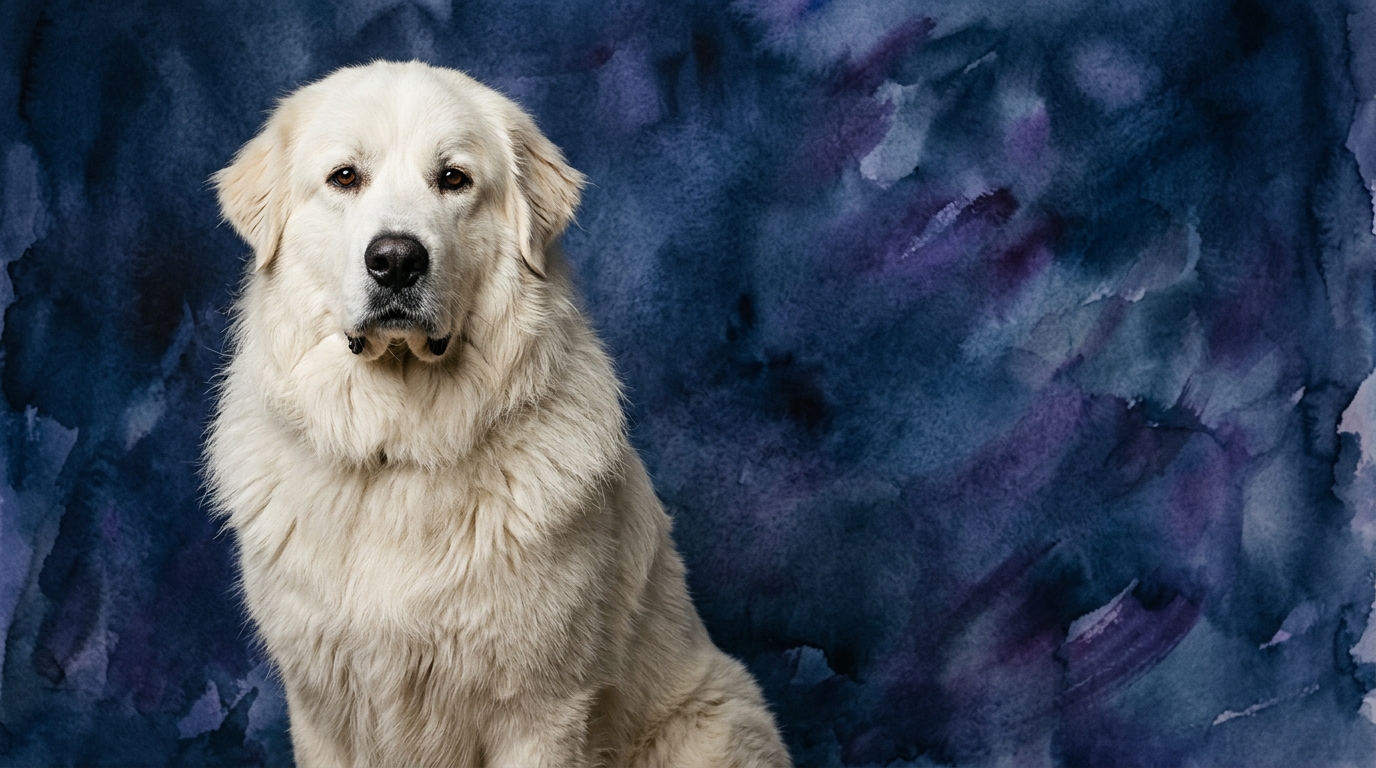
**Great Pyrenees (Working Group)**: The Great Pyrenees excels at environmental problem-solving (3/5), particularly in livestock protection, autonomously assessing threats and determining defensive actions to keep their flock safe. Their solutions are practical, independent, and focused on their guardian role. Due to inherent independence, training speed (3/5) is thoughtful; they evaluate commands and may not rush to comply if they perceive an alternative course of action. Their social intelligence (3/5) is finely tuned to their flock, understanding complex animal dynamics and distinguishing charges from threats. While bonding deeply with family, interactions with strangers can be reserved, reflecting their watchful nature. Their powerful instinctive drive (3/5) to guard and protect manifests as unwavering vigilance and territorial awareness. They possess a robust memory (3/5) for territory, individuals in their care, and events related to safety, crucial for long-term effectiveness.
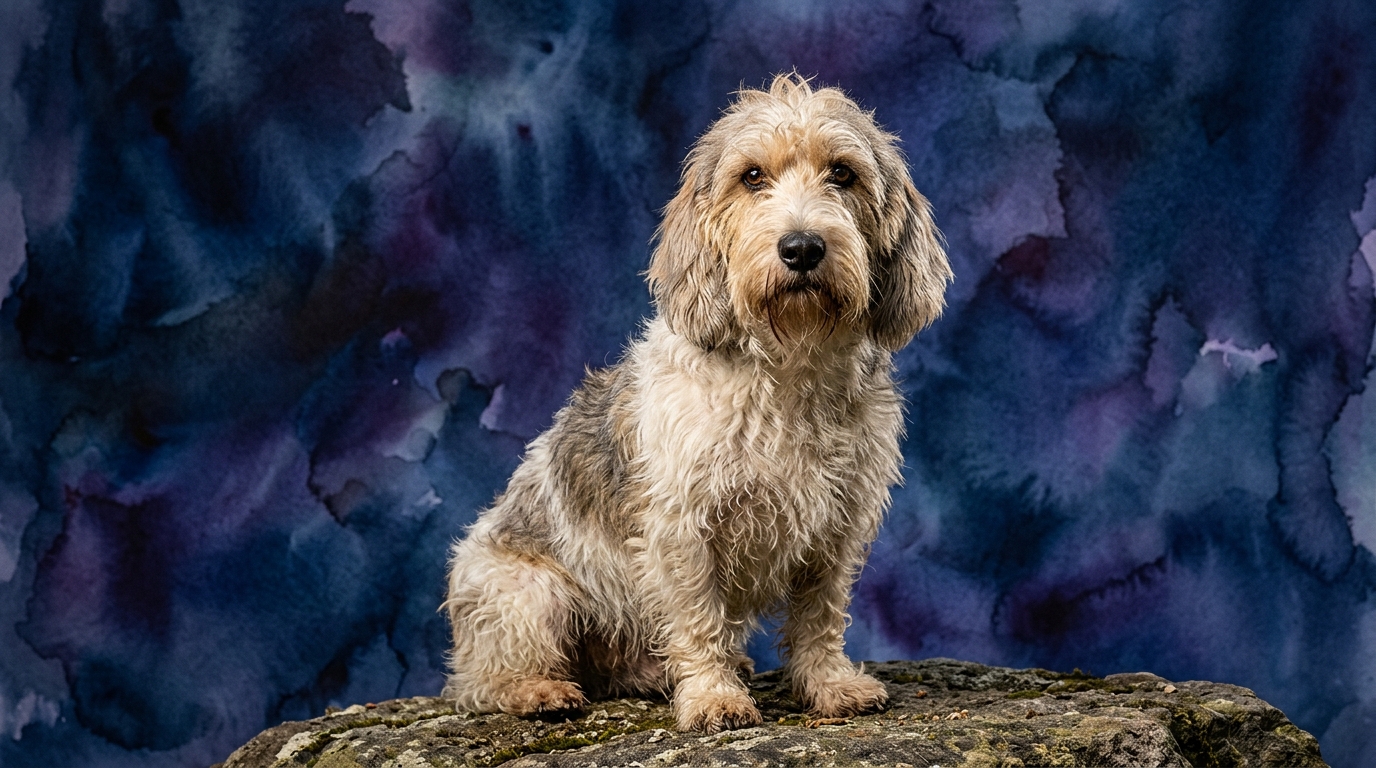
**Petit Basset Griffon Vendéen (Hound Group)**: For the PBGV, problem-solving (3/5) revolves around the hunt, adept at deciphering complex scent trails, navigating varied terrain, and overcoming obstacles to pursue quarry. Their solutions are practical, persistent, and involve sensory interpretation. Training speed (3/5) is moderate; their powerful olfactory drive often makes them easily distracted by scents, overriding human commands. While capable of learning, their attention is frequently pulled by instinct. PBGVs exhibit a lively social intelligence (3/5), particularly within a pack or family unit, often effusive and engaging, understanding social cues. Their exuberance can translate to boisterous interactions. Their instinctive drive (3/5) is overwhelmingly centered on scent and game pursuit, manifesting as insatiable curiosity and unflagging determination. They demonstrate a strong memory (3/5) for scent profiles, hunting routes, and interesting smells, vital for tracking.
Where Great Pyrenees Wins Cognitively
The Great Pyrenees' cognitive strengths shine in environments demanding autonomous decision-making and broad, watchful awareness. Their problem-solving (3/5) effectively assesses complex environmental threats and formulates defensive strategies for their flock without direct human command. This involves a sophisticated understanding of predator behavior, terrain, and their charges' vulnerabilities. A Pyrenees might independently position itself to block a threat or subtly herd livestock away from danger. Their memory (3/5) is exceptional for remembering specific identities and behaviors of every animal in their care, distinguishing them from intruders, and recalling subtle cues of their territory's safety. This sustained, independent vigilance and nuanced environmental awareness are hallmarks of their distinct cognitive prowess.
Where Petit Basset Griffon Vendéen Wins Cognitively
The Petit Basset Griffon Vendéen excels in a different cognitive domain, driven by unparalleled sensory focus. Their problem-solving (3/5) is acutely specialized in scent detection and trail interpretation. A PBGV can meticulously follow a cold trail over hours, sifting through myriad competing odors, demonstrating an intricate understanding of scent dynamics and persistence. This involves continuous hypothesis testing based on olfactory input, making subtle path adjustments, and overcoming physical obstacles. Their instinctive drive (3/5) is a relentless engine for this mental activity, allowing them to maintain intense focus even with external distractions. This highly specialized, persistent, and sensory-driven cognitive style gives them a unique advantage in tasks requiring sustained olfactory and navigational skill.
Which is Easier to Train and Why
When considering ease of training, both Great Pyrenees and Petit Basset Griffon Vendéen present distinct challenges, scoring 3/5 in training speed, but for different reasons. The Great Pyrenees’ independence, bred for autonomous livestock guardian decisions, means they often perceive commands as suggestions. They are not inherently driven to please humans; instead, they weigh commands against their own judgment of necessity. This requires a patient, consistent trainer using positive reinforcement relevant to their internal motivations. Conversely, the PBGV's primary training hurdle is their overwhelming instinctive drive for scent. Once a captivating odor catches their attention, focus on human commands can vanish. Their exuberance and curiosity can translate into a short attention span for structured lessons, especially outdoors. Training a PBGV demands creative engagement, short sessions, and understanding how to work with their powerful nose. Neither is "easy," but the Pyrenees requires respect for independence, while the PBGV demands strategies to manage sensory distractions.
Which Suits Active Owners vs Relaxed Owners
The Great Pyrenees often suits a more relaxed owner, provided that "relaxed" means a calm, consistent household and a secure, spacious environment. Their energy expenditure is typically lower, preferring to patrol and observe rather than strenuous, sustained activity. They are content with moderate daily exercise, like a leisurely walk or overseeing property, making them less demanding in terms of constant physical engagement. Their independence means they don't require constant human interaction, suitable for owners who appreciate a dog that can entertain itself. The Petit Basset Griffon Vendéen, however, is unequivocally suited for active owners. Their hound heritage bestows boundless energy and an insatiable desire to explore and track. They require significant daily physical and mental stimulation, including long walks, off-leash exploration in safe areas, or participation in scent work or agility. A relaxed owner might quickly find themselves overwhelmed by a PBGV's need for activity, which, if unfulfilled, can lead to destructive behaviors.
The Verdict
Opt for a Great Pyrenees if you seek an independent, watchful companion for a calm household, valuing a dog that makes autonomous decisions and thrives with a clear purpose, such as guarding.
Select a Petit Basset Griffon Vendéen if you are an active owner eager to engage a dog with an enthusiastic spirit, relentless curiosity, and a powerful drive for scent-based exploration and adventure.
🧠 Find Your Pet's IQ Score
Our Pet IQ Lab assessment covers 25+ tests across 5 cognitive dimensions — personalized to your breed.
Take the Full IQ Test →Frequently Asked Questions
Do Great Pyrenees need a lot of exercise?
While large, Great Pyrenees are generally moderate-energy dogs. They prefer patrolling their territory and moderate walks over intense, sustained activity, making them suitable for owners who can provide a secure space for oversight.
Are PBGVs good for first-time dog owners?
PBGVs can be challenging for first-time owners due to their strong independent hound instincts, high energy levels, and vocal nature. They require consistent training, early socialization, and an owner committed to managing their powerful scent drive.
How do the Great Pyrenees and PBGV handle being left alone?
Great Pyrenees, being independent guardians, generally tolerate being alone well if their needs are met, though they can develop separation anxiety if not properly conditioned. PBGVs, as pack animals, generally prefer company and may become bored or destructive if left alone for extended periods without adequate mental and physical stimulation.