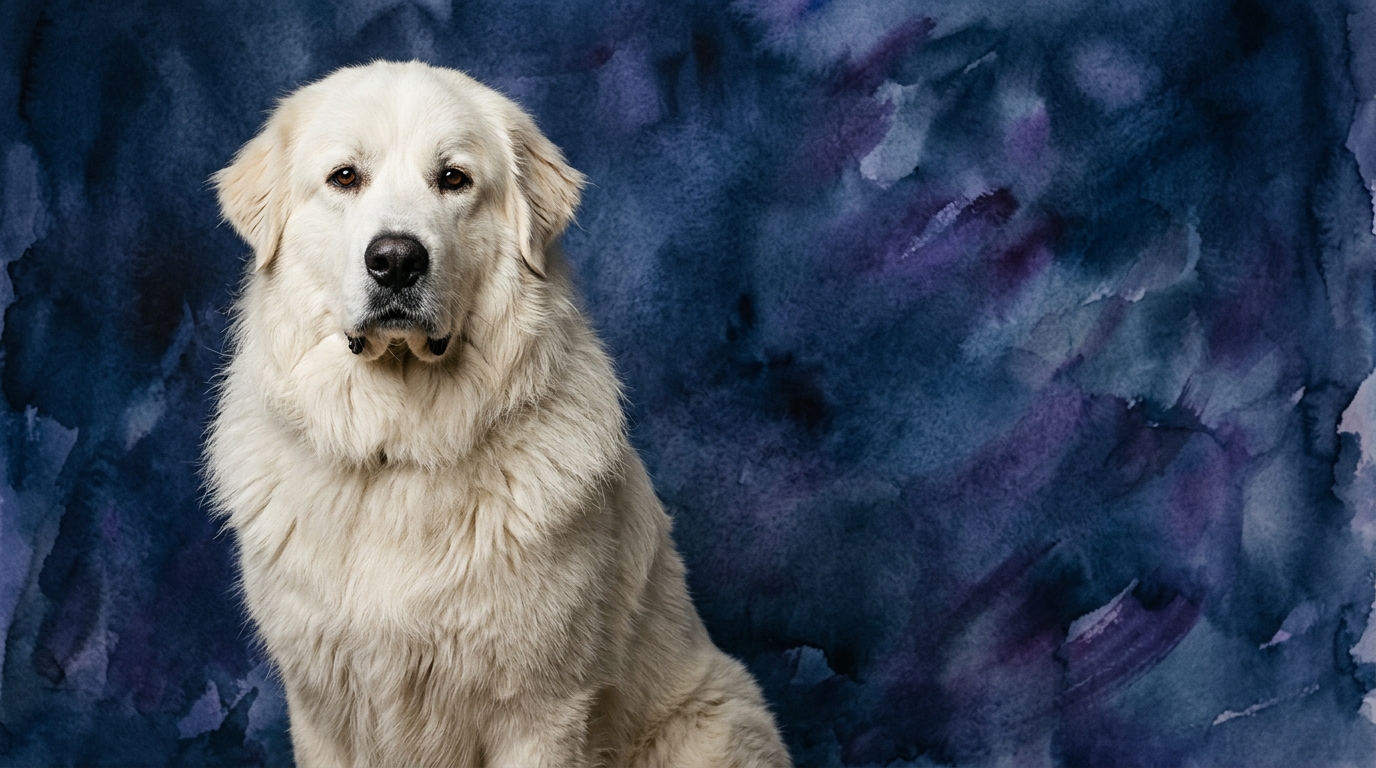
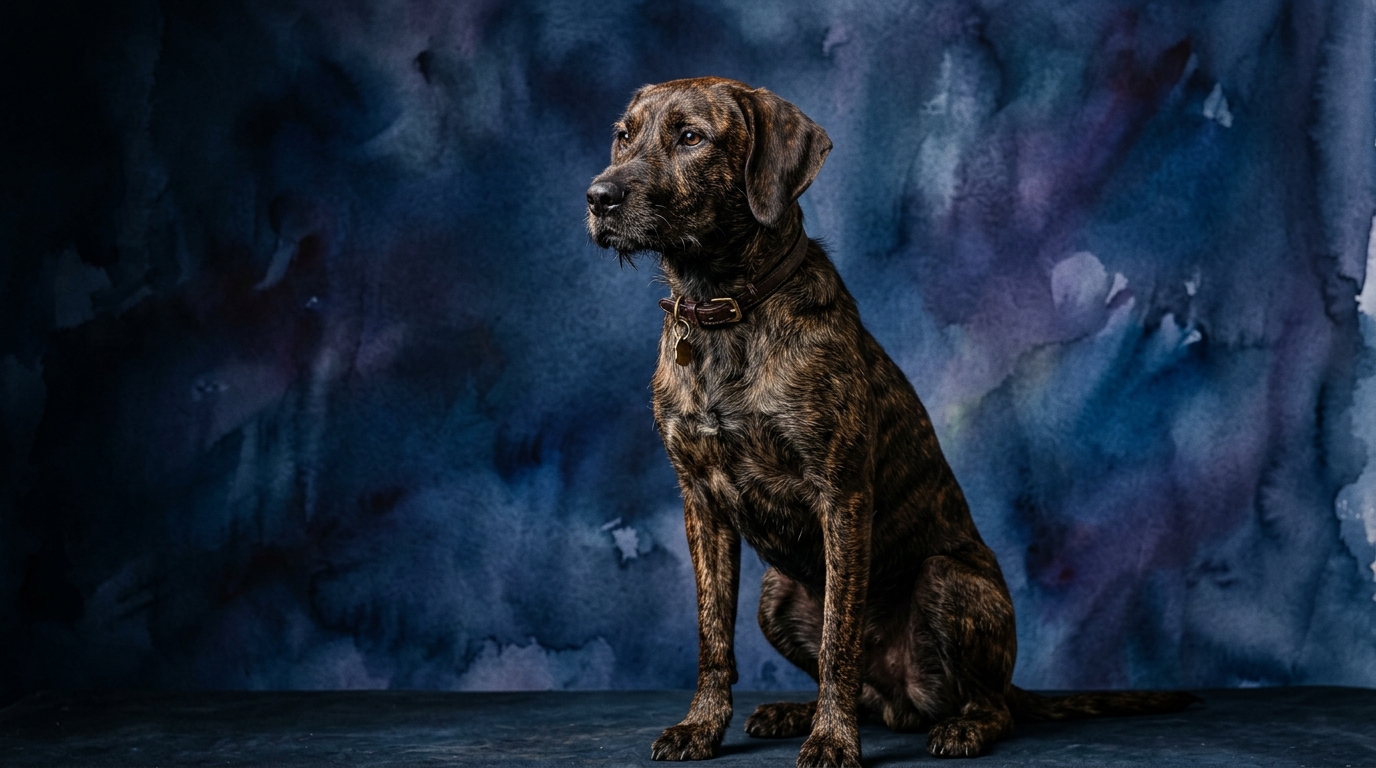
Side-by-Side IQ Profile: Great Pyrenees vs. Plott Hound
**Great Pyrenees (Coren Rank #64):**
**Problem Solving (3/5):** The Pyrenees' problem-solving manifests as independent decision-making to protect their charges, assessing threats and devising strategies like deterring predators or finding a vantage point, often without human direction.
**Training Speed (3/5):** Their training speed is moderate, influenced by a strong independent streak; they learn commands but prioritize their guardian instincts, making selective obedience common.
**Social Intelligence (3/5):** Social intelligence is geared towards discerning friend from foe within their "flock," forming deep bonds with family while remaining reserved and watchful towards strangers.
**Instinctive Drive (3/5):** Their dominant drive is profound guardianship, exhibiting constant vigilance, patrolling, and a strong territorial sense to protect their assigned charges.
**Memory (3/5):** Pyrenees possess a robust memory for routines, locations, and individuals, allowing them to anticipate events and maintain consistent protective behaviors.
**Plott Hound (Not Coren-Ranked):**
**Problem Solving (3/5):** A Plott's problem-solving shines in hunting, adeptly tracking complex scent trails, navigating challenging terrain, and cornering game, requiring intricate sequential decisions in pursuit.
**Training Speed (3/5):** Moderate training speed is typical, with their high prey drive and independent hunting nature often making them less inclined to immediate obedience, especially with compelling scents present.
**Social Intelligence (3/5):** Plott Hounds exhibit social intelligence within their hunting pack, learning cooperative work and effective communication through vocalizations, typically affable but scent-focused when stimulated.
**Instinctive Drive (3/5):** Their core drive is an unparalleled prey drive and scenting ability, compelling them to track, chase, and tree game with intense focus.
**Memory (3/5):** Plott Hounds have an exceptional memory for scent patterns, terrain, and past hunting experiences, using this specialized recall to inform future hunts.
Where the Great Pyrenees Wins Cognitively
The Great Pyrenees' cognitive strengths shine in their capacity for autonomous judgment and comprehensive environmental assessment. Bred to make independent decisions in the field, often without a shepherd, their superior ability to evaluate threats, discern friend from foe, and proactively protect their territory and charges demonstrates a nuanced problem-solving skill rooted in self-sufficiency. This guardianship mindset means they excel at long-term vigilance and strategic positioning, prioritizing the safety of their flock over immediate human directives. Their cognitive process is designed for sustained, watchful protection rather than rapid, reactive responses.
Where the Plott Hound Wins Cognitively
Conversely, the Plott Hound's cognitive superiority lies in their specialized sensory processing and relentless pursuit. Their olfactory problem-solving is unparalleled, allowing them to meticulously follow intricate scent trails over vast distances and varied terrain, a task requiring intense focus and sequential decision-making. This ability to "read" the environment through scent, coupled with their unwavering drive to track and corner game, showcases a different kind of cognitive mastery. They demonstrate exceptional spatial memory related to scent and an impressive ability to filter out distractions when locked onto a target, a testament to their deep-seated hunting instincts.
Which is Easier to Train and Why
Neither the Great Pyrenees nor the Plott Hound are typically considered "easy" in the conventional sense of quick, eager-to-please obedience, largely due to their independent working histories. The Pyrenees' moderate training speed stems from their self-reliant nature; they learn commands but often weigh their perceived importance against their primary role as a guardian. Their deep-seated protective instincts can lead to selective hearing if a command conflicts with their assessment of a situation, demanding patience and understanding from owners. They respond best to positive reinforcement and a clear, consistent leadership that respects their independent judgment, rather than rote drills.
The Plott Hound's training presents a different set of challenges. While also scoring 3/5 in training speed, their primary distraction is their overwhelming instinctual drive for scent. Once a Plott Hound locks onto a scent, their focus becomes almost singular, making it difficult to redirect their attention to human commands. Their desire to please can be strong within a family context, but their drive to hunt often overrides it in stimulating environments. Training a Plott requires immense consistency, high-value rewards, and often specialized techniques to manage their strong prey drive and ensure recall, especially in off-leash situations. Therefore, while both require dedicated effort, the Pyrenees' independence is about judgment, whereas the Plott's is about powerful instinctual redirection, making the Pyrenees *marginally* easier for a novice owner to manage foundational obedience, provided the owner respects their guardian nature.
Which Suits Active Owners vs. Relaxed Owners
For active owners seeking a canine partner with endurance and a strong drive for outdoor adventure, the Plott Hound is an excellent match. Their boundless energy, stamina, and profound love for exploring scent trails make them ideal companions for hiking, trail running, or engaging in scent work sports. They thrive on physical and mental challenges that engage their hunting instincts, requiring consistent outlets for their drive. Owners who can provide extensive, stimulating exercise will find a deeply satisfied and devoted companion.
Conversely, the Great Pyrenees often suits owners who appreciate a more relaxed, watchful presence, though they are far from sedentary. While they require daily exercise to maintain health, their activity level is generally moderate, preferring patrolling their territory to high-intensity bursts. They are content to observe and guard, making them suitable for owners with large yards or properties where they can fulfill their protective duties. Their independence means they don't constantly demand interaction, making them a good fit for those who enjoy a calm, self-assured companion who will alert them to perceived threats with unwavering loyalty.
The Verdict
Choose a Great Pyrenees if you seek an independent, watchful guardian with a calm demeanor and a profound sense of responsibility, and you value a companion who makes autonomous judgments based on their protective instincts.
Opt for a Plott Hound if you're an active individual or family ready to embrace a dog with exceptional scenting abilities, high energy, and a relentless drive for adventure, and you are prepared to manage their powerful hunting instincts.
🧠 Find Your Pet's IQ Score
Our Pet IQ Lab assessment covers 25+ tests across 5 cognitive dimensions — personalized to your breed.
Take the Full IQ Test →Frequently Asked Questions
Do Great Pyrenees or Plott Hounds bark a lot?
Both breeds can be vocal, but for different reasons. Great Pyrenees bark as part of their guarding duties to alert to perceived threats, while Plott Hounds use a distinctive "bay" while tracking or when excited, a sound bred into them for hunting communication.
Are these breeds good with children?
With proper socialization and training, both can be good with children. Great Pyrenees are typically gentle and patient, treating children as part of their flock to be protected, while Plott Hounds are good-natured and playful, though their energy and prey drive necessitate supervision with very young children.
Which breed is more prone to wander?
The Plott Hound is significantly more prone to wander due to their powerful scent drive; once they catch a compelling smell, they will follow it, often oblivious to boundaries or calls. Great Pyrenees can wander to patrol their perceived territory, but typically stay within a wider familiar area rather than following a specific scent trail indefinitely.