Side-by-Side IQ Profile: Guardians vs. Herders
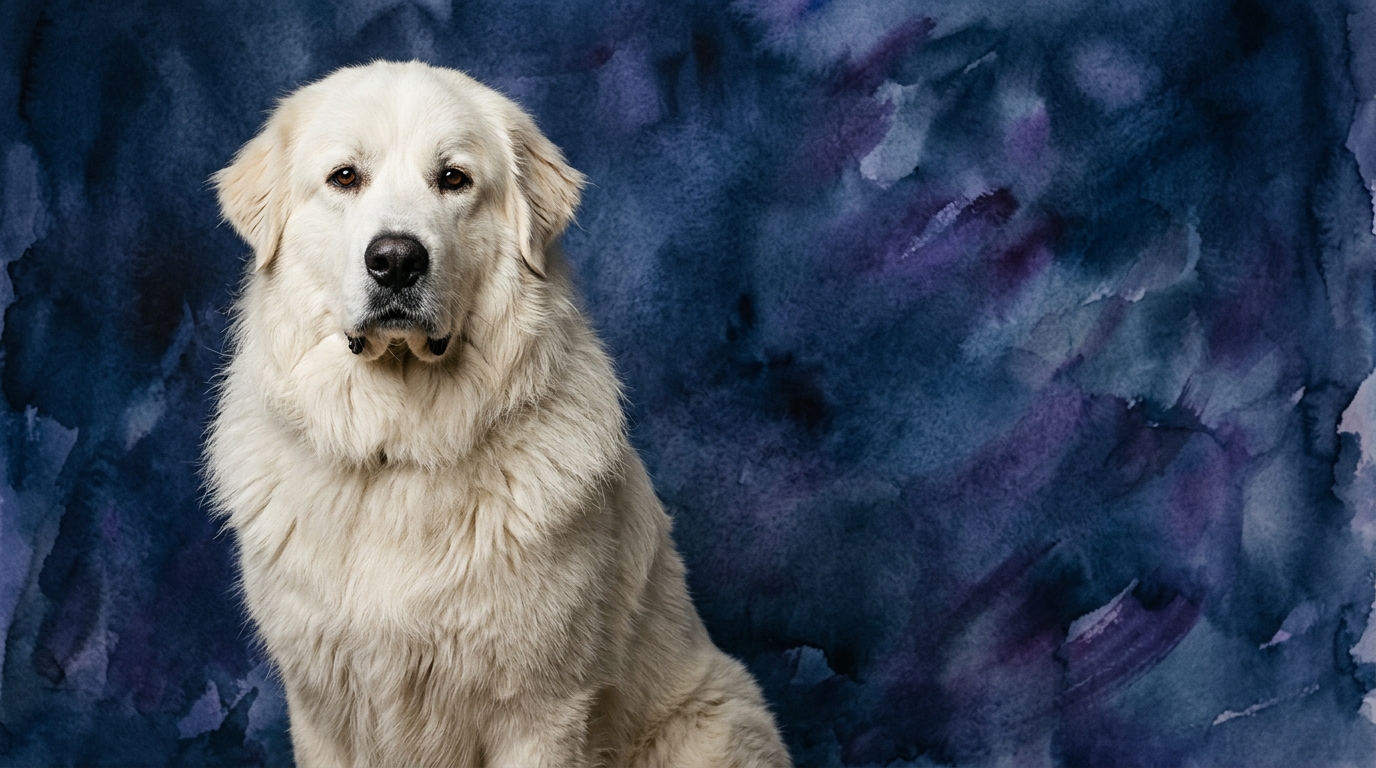
While both the Great Pyrenees and the Polish Lowland Sheepdog achieve a 3/5 rating across all five cognitive dimensions in The Cosmic Pet Pet IQ Lab, the *manifestation* of these scores is deeply rooted in their ancestral occupations. For the Great Pyrenees, a majestic livestock guardian, problem-solving typically involves assessing environmental threats and independently determining the best course of action to protect their flock, often without direct human command. Their training speed reflects a deliberate, independent nature; they learn commands but often weigh their execution against their primary guardian instincts. Social intelligence in a Pyrenees is geared towards understanding the dynamics of their protected family or flock, discerning friend from foe, and responding to subtle changes in their environment. Their instinctive drive is profoundly focused on protection and territorial defense. Memory for a Pyrenees is often long-term and spatial, recalling safe zones, potential hazards, and the individuals within their care over vast areas and extended periods.
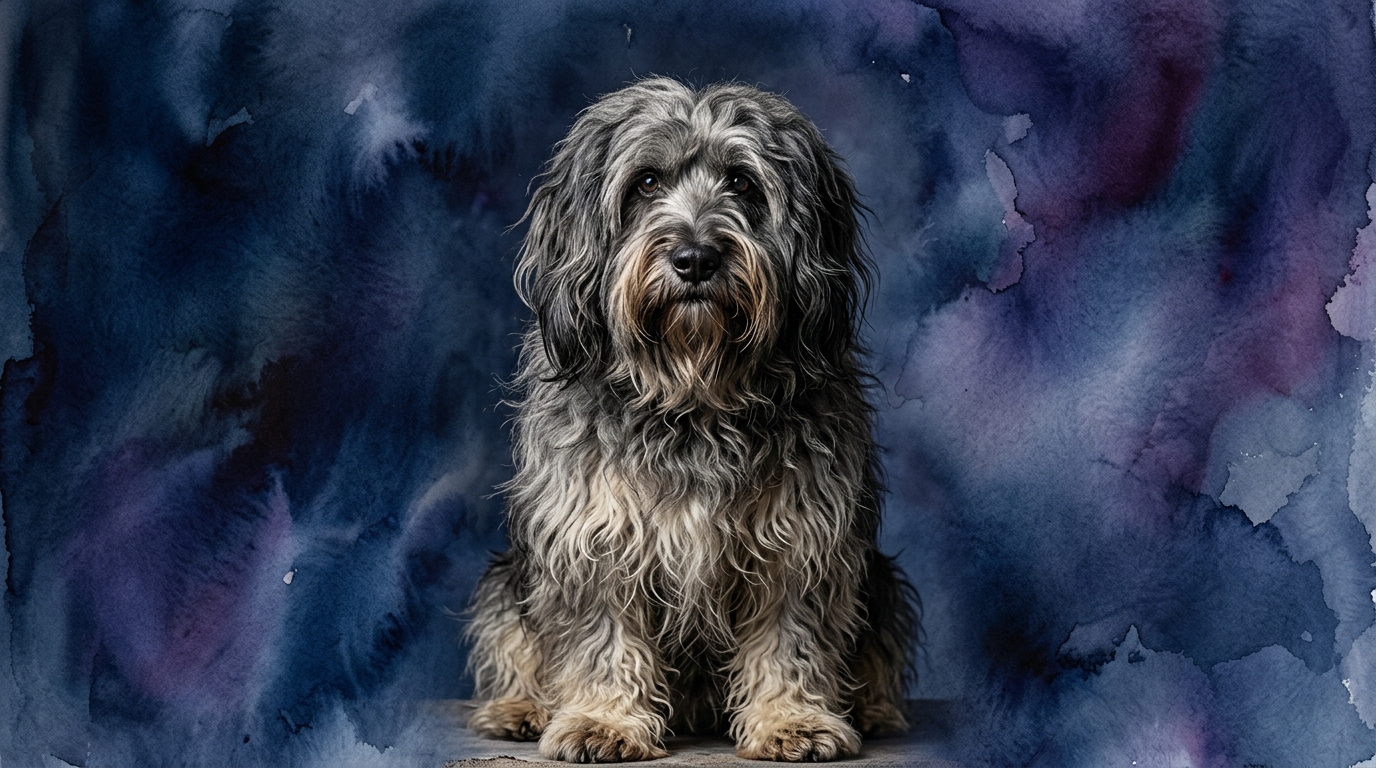
Conversely, the Polish Lowland Sheepdog, a nimble herding breed, demonstrates problem-solving through quick, adaptable responses to dynamic situations, such as guiding livestock through changing terrain or negotiating stubborn animals. Their training speed is often characterized by a keen desire to learn and execute commands that facilitate their herding tasks, showing a cooperative spirit with their handler. Social intelligence in a Polish Lowland Sheepdog is highly attuned to their handler's cues, body language, and the behavior of the animals they manage, enabling precise and effective herding. Their instinctive drive is centered on gathering, moving, and controlling livestock, often displaying a strong 'eye' and drive to work. Memory for a Polish Lowland Sheepdog is excellent for recalling complex command sequences, routes, and the individual temperaments of the animals they work with, crucial for efficient herding operations.
Where the Great Pyrenees Wins Cognitively
The Great Pyrenees' cognitive strengths truly shine in scenarios demanding independent judgment and steadfast vigilance. Their problem-solving prowess is most evident in their ability to autonomously assess and deter threats to their charges, making nuanced decisions about when to bark, when to stand firm, or when to physically intervene. This breed excels in long-term spatial memory, recalling the layout of their protected territory, potential predator paths, and the safe havens for their flock over years. Their social intelligence, while perhaps appearing less overtly 'eager to please' than some breeds, is deeply sophisticated in discerning the subtle emotional states and needs of their family or livestock, providing a calm, reassuring presence and acting decisively when required. They possess an unwavering resolve rooted in their protective instincts, a cognitive fortitude that allows them to maintain their guardian role through varied conditions and potential dangers.
Where the Polish Lowland Sheepdog Wins Cognitively
The Polish Lowland Sheepdog's cognitive advantages are most pronounced in their agility of thought and responsiveness to dynamic environmental cues. Their problem-solving ability is quick and adaptive, allowing them to adjust strategies on the fly when herding, such as finding the optimal path for a flock or anticipating livestock movements. This breed's training speed is often impressive for its capacity to quickly associate complex verbal or hand signals with specific actions, making them highly trainable for intricate tasks. Their social intelligence is finely tuned to human-dog collaboration, enabling them to interpret even subtle shifts in a handler's intent and adjust their behavior accordingly. They demonstrate exceptional working memory, retaining sequences of commands and applying them in real-time herding scenarios. The instinctive drive to gather and control is paired with a cognitive flexibility that allows them to apply this drive effectively across diverse herding challenges, often with precision and controlled energy.
Which is Easier to Train and Why
When considering ease of training, the Polish Lowland Sheepdog generally presents a more straightforward experience for the average owner. Their herding background has ingrained a desire to work in partnership with a human, making them typically more biddable and responsive to commands. Their training speed, while rated 3/5, manifests as a quicker willingness to learn and execute tasks that involve cooperation and direction. For instance, a PON will readily engage in obedience exercises, seeing them as a form of collaborative work. Their instinctive drive to gather and control translates into a natural inclination to respond to cues that direct their actions, making foundational obedience and even advanced tricks relatively accessible.
In contrast, the Great Pyrenees, while capable of learning, often requires a different approach due to their independent guardian nature. Their training speed of 3/5 reflects their tendency to internalize commands and then decide when and if to execute them based on their own assessment of the situation. A Pyrenees might understand 'come' but choose to remain by their flock if they perceive a lingering threat, prioritizing their guardian role over immediate obedience. This independence means training requires immense patience, consistency, and a deep understanding of their innate drives, focusing on building trust and respect rather than mere rote memorization. They are not difficult to train because of a lack of understanding, but rather due to their strong will and inherent purpose.
Which Suits Active Owners vs. Relaxed Owners
The Polish Lowland Sheepdog is generally better suited for active owners. Their herding heritage means they thrive on mental and physical engagement. They require regular, stimulating activity that taps into their problem-solving skills and instinctive drive, such as agility, obedience, or even actual herding work. Owners who enjoy structured training, long walks, and interactive play will find a PON a rewarding companion, as their social intelligence makes them eager participants in family activities. Without sufficient engagement, a PON's intelligence and drive can lead to boredom and potentially undesirable behaviors, making them a poor fit for a truly relaxed, low-activity household.
The Great Pyrenees, while large, often fits more comfortably with relaxed owners, provided their need for vigilance and a sense of purpose is met. They are not typically high-energy dogs in terms of needing constant running or intense athletic endeavors. Their activity often involves patrolling their territory, observing, and resting. They are content with a secure yard to supervise and regular, leisurely walks. Their independence means they don't constantly demand interaction, making them suitable for owners who appreciate a calm, self-possessed companion. However, 'relaxed' does not mean 'neglectful'; they still require consistent training, socialization, and a secure environment where they can fulfill their guardian instincts without roaming.
The Verdict
Choose a Great Pyrenees if you seek an independent, steadfast guardian whose intelligence excels in autonomous protection and long-term vigilance, thriving in a home that respects their self-sufficient nature.
Opt for a Polish Lowland Sheepdog if you desire a responsive, collaborative companion whose quick intellect and eagerness to work will flourish with active engagement and consistent, stimulating training.
🧠 Find Your Pet's IQ Score
Our Pet IQ Lab assessment covers 25+ tests across 5 cognitive dimensions — personalized to your breed.
Take the Full IQ Test →Frequently Asked Questions
Are Great Pyrenees difficult to train due to their independence?
Great Pyrenees are not inherently difficult to train, but their strong independent streak, stemming from their livestock guardian role, means they require patience and consistency. They learn commands but often weigh their obedience against their primary protective instincts, necessitating a training approach focused on trust and motivation.
Do Polish Lowland Sheepdogs need a lot of exercise?
Polish Lowland Sheepdogs do require a significant amount of mental and physical exercise to thrive. Their herding background gives them a high drive and intelligence that needs to be channeled through activities like agility, obedience, or long, stimulating walks to prevent boredom and potential behavioral issues.
Which breed is better for a first-time dog owner?
For a first-time dog owner, the Polish Lowland Sheepdog might be a more manageable choice due to their greater biddability and eagerness to please, which can make training more straightforward. The Great Pyrenees' independence and strong guardian instincts can be challenging for inexperienced owners to navigate effectively.