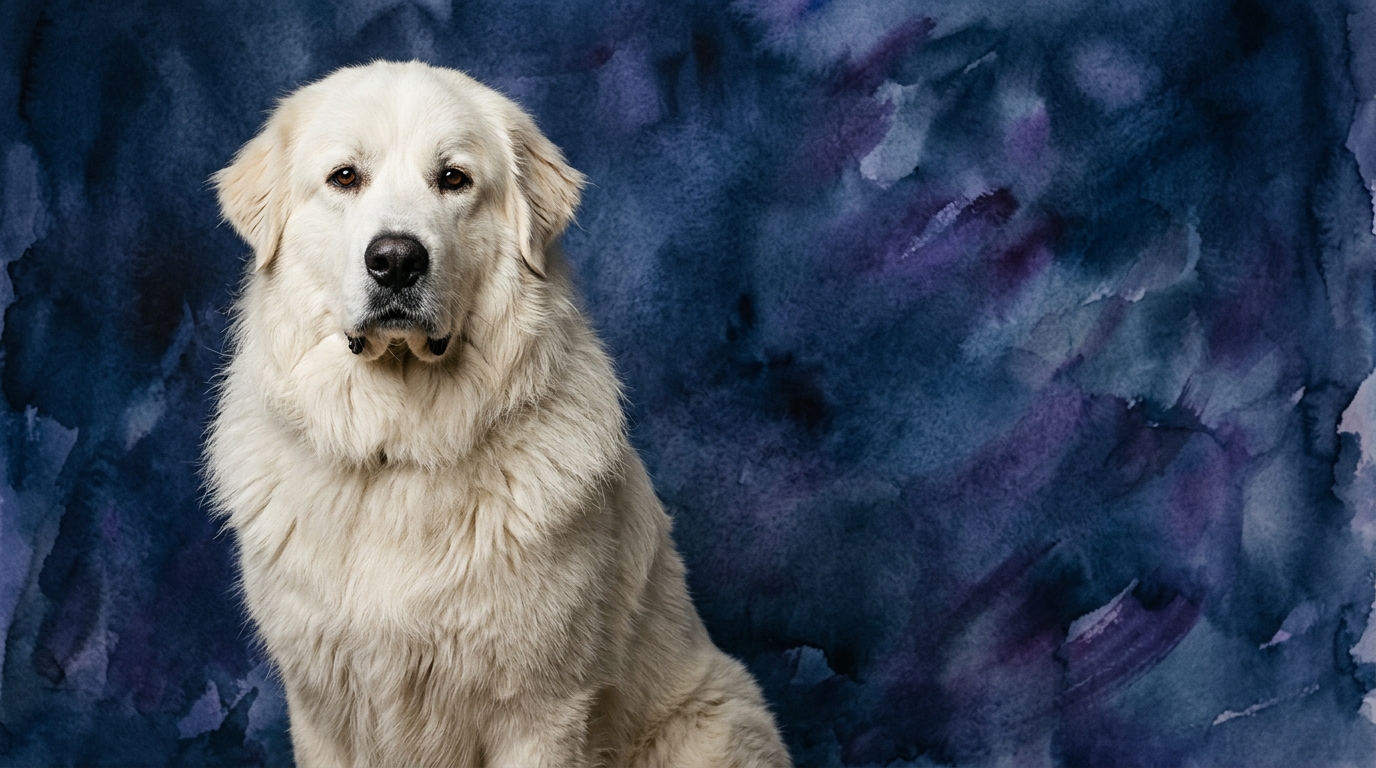
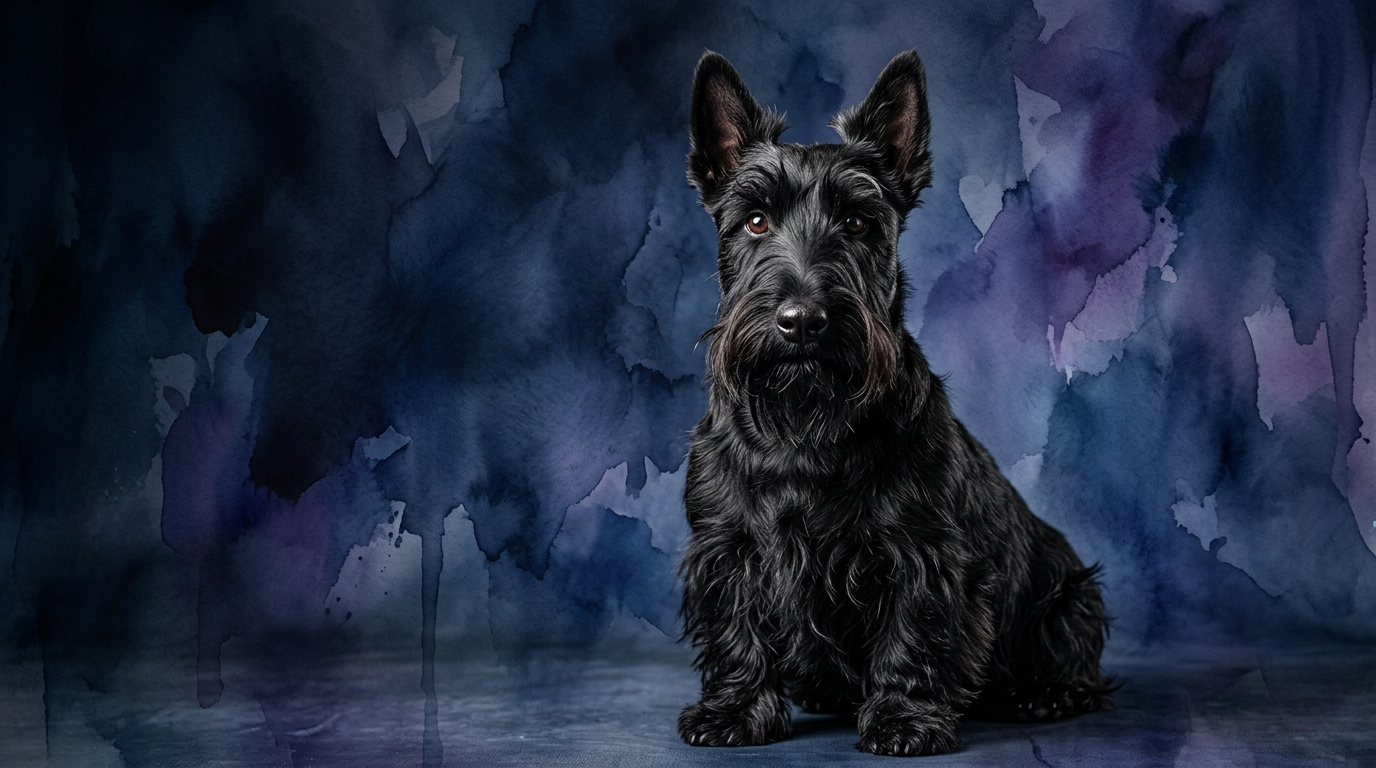
Side-by-Side IQ Profile: Great Pyrenees vs. Scottish Terrier
At The Cosmic Pet Pet IQ Lab, we evaluate canine intelligence across five key dimensions. While both the Great Pyrenees and the Scottish Terrier impressively score 3/5 in each category, the manifestation of these cognitive strengths differs significantly due to their breed-specific roles and predispositions. Understanding these nuances is key to appreciating their individual brilliance.
For the **Great Pyrenees (Working Group)**, a breed historically tasked with livestock guarding, their cognitive profile reflects their need for autonomous decision-making and protective instincts. Their **Problem Solving (3/5)** centers on assessing environmental threats and devising strategies to safeguard their charges without direct human intervention, such as strategically positioning themselves to deter predators. **Training Speed (3/5)** indicates a consistent learning pace, though their inherent independence means they often evaluate a command's necessity before compliance, not out of defiance, but due to their ingrained need to assess the situation. Their **Social Intelligence (3/5)** is deeply tied to their protective role, fostering strong bonds with their immediate 'flock' (be it sheep or human family) and a reserved, watchful demeanor towards strangers. The **Instinctive Drive (3/5)** is powerfully expressed through their ancient impulse to guard and protect, manifesting as vigilance and territorial awareness. Finally, their **Memory (3/5)** is robust for retaining knowledge of their territory, routines, and the individuals they are tasked to protect, contributing to their consistent protective behaviors.
The **Scottish Terrier (Terrier Group)**, bred for hunting vermin in challenging environments, demonstrates a distinct cognitive pattern. Their **Problem Solving (3/5)** is geared towards navigating tight spaces, outwitting small prey, and manipulating objects to achieve their goals, often showing remarkable persistence in these endeavors. Their **Training Speed (3/5)** is characterized by quick learning when engaged, yet their strong-willed terrier nature means compliance can be conditional, often weighing whether a command aligns with their own immediate interests. **Social Intelligence (3/5)** for Scotties involves forming intense, focused bonds with their primary human companions, observing family dynamics keenly, but often maintaining a dignified reserve with outsiders. Their dominant **Instinctive Drive (3/5)** is the classic terrier prey drive—the urge to hunt, dig, and chase small critters—providing immense motivation for tasks that tap into these natural behaviors. Their **Memory (3/5)** is strong for routines, favored play spots, and especially for areas where they've encountered interesting scents or potential prey, aiding their persistent exploration.
Where the Great Pyrenees Wins Cognitively
The Great Pyrenees excels in independent judgment and autonomous decision-making within complex, dynamic environments. Their cognitive strength lies in their ability to assess threats to their 'flock' without constant human direction, making nuanced decisions about when to deter, when to warn, and when to intervene. This requires a sophisticated understanding of their territory, its inhabitants, and potential dangers, showcasing a deep, practical intelligence.
Their cognitive prowess also shines in their capacity for broad situational awareness. They can monitor large areas, integrating sensory information from vast distances to maintain vigilance over their domain. This expansive spatial and environmental intelligence, coupled with their inherent protective drive, allows them to act as highly effective, self-sufficient guardians, a profound example of specialized cognition.
Where the Scottish Terrier Wins Cognitively
The Scottish Terrier demonstrates superior cognitive agility in problem-solving within confined or challenging spaces. Their intelligence is keenly geared towards overcoming obstacles to reach a goal, such as navigating intricate burrows or outsmarting nimble prey. This involves quick thinking and an unwavering focus on the task at hand, often employing trial-and-error with remarkable persistence, a true testament to their hunting heritage.
Their cognitive advantage also lies in their intense, focused determination. Once a Scottie sets its mind on something, whether it's tracking a scent or solving a puzzle, they exhibit a singular-mindedness that allows them to push through difficulties. This tenacity, fueled by their instinctive drive, makes them exceptionally effective at tasks requiring sustained, concentrated effort and a stubborn refusal to give up.
Which is Easier to Train and Why?
Neither the Great Pyrenees nor the Scottish Terrier are typically described as 'easy' to train in the conventional sense, largely due to their profound independence and strong instinctive drives, despite both having a 3/5 training speed. The Pyrenees' training often involves immense patience and a deep understanding of their inherent purpose. They learn routines and commands consistently, but their independent nature means they may choose to comply only if they perceive a valid reason or if it doesn't conflict with their guarding duties. For instance, a Pyrenees might learn 'come' but may not immediately respond if they are surveying their territory for perceived threats, prioritizing their ancient role over a human command, requiring owners to respect their judgment.
The Scottish Terrier presents a different training challenge. While they can learn commands quickly due to their sharp minds and eagerness for engagement, their strong terrier will and pervasive prey drive often interfere with consistent obedience. A Scottie might understand 'stay' perfectly, but if a squirrel darts across their path, their instinctive drive to chase will likely override the learned command. Training a Scottie requires creativity, high-value rewards, and a keen understanding of their tenacious personality, often turning training into a negotiation rather than a simple instruction. Therefore, neither is 'easier' universally; it depends on the owner's patience, consistency, and understanding of each breed's unique cognitive priorities.
Which Suits Active vs. Relaxed Owners?
The Great Pyrenees, despite its imposing size, can suit a more relaxed owner who appreciates independence and a calm presence indoors, provided their environment meets their needs. While they require regular, moderate exercise to maintain health, they are not typically high-energy dogs seeking constant activity. Their true 'work' is often monitoring and guarding, which they perform with a quiet vigilance. A relaxed owner who can provide a large, securely fenced yard and understands their need for autonomous decision-making in their domain will find a Pyrenees a wonderful, serene companion. They are not suited for owners seeking a dog for competitive sports or extensive daily jogging, but rather those who value a calm, protective presence.
Conversely, the Scottish Terrier generally suits a more active and engaged owner. While physically smaller, their terrier tenacity translates into a need for consistent mental stimulation and opportunities to express their instinctive drives. They thrive on structured play, puzzle toys, and walks that offer new scents and sights, providing outlets for their problem-solving and hunting instincts. An active owner who enjoys daily walks, interactive games, and can channel the Scottie's prey drive into appropriate activities like earthdog trials or agility will find them a rewarding companion. A relaxed owner who cannot provide this level of engagement may find a Scottie inventing their own 'activities,' which often involve digging or chasing, potentially leading to frustration.
The Verdict
Select a Great Pyrenees if you seek an independent, serene guardian with a deep sense of responsibility for its family and territory, thriving in a spacious, secure environment where it can exercise its natural protective instincts without constant supervision.
Opt for a Scottish Terrier if you appreciate a spirited, tenacious companion with a sharp wit and a strong independent streak, and are prepared to provide consistent mental engagement and channel its innate drive for adventure and problem-solving in a focused manner.
🧠 Find Your Pet's IQ Score
Our Pet IQ Lab assessment covers 25+ tests across 5 cognitive dimensions — personalized to your breed.
Take the Full IQ Test →Frequently Asked Questions
Do Great Pyrenees or Scottish Terriers bark a lot?
Great Pyrenees are known for their vigilant barking, using their voice to deter perceived threats to their territory and flock, especially at night. Scottish Terriers also bark, often to alert their owners to new sights or sounds, or to express their excitement and strong opinions.
Are these breeds good with children?
Great Pyrenees are generally gentle and patient with children within their 'flock,' exhibiting a protective nature, though supervision is always wise due to their large size. Scottish Terriers can be good with respectful children, but their independent and sometimes reserved nature means they might prefer older, calmer interactions rather than boisterous play.
Which breed is more adaptable to apartment living?
Given their size and need for space to patrol, Great Pyrenees are generally not well-suited for apartment living, preferring a large yard. Scottish Terriers can adapt to apartment life if they receive sufficient daily exercise and mental stimulation, as their energy needs are more about focused activity than vast space.