Side-by-Side IQ Profile: Great Pyrenees vs. Tibetan Terrier
Despite their differing origins and physical characteristics, both the Great Pyrenees and the Tibetan Terrier achieve a Coren rank of #64 and #63 respectively, and identical 3/5 scores across all five intelligence dimensions in The Cosmic Pet Pet IQ Lab's assessment. This numerical similarity, however, belies distinct cognitive applications tailored to their breed purposes. Let's delve into how these scores translate to their everyday behaviors.
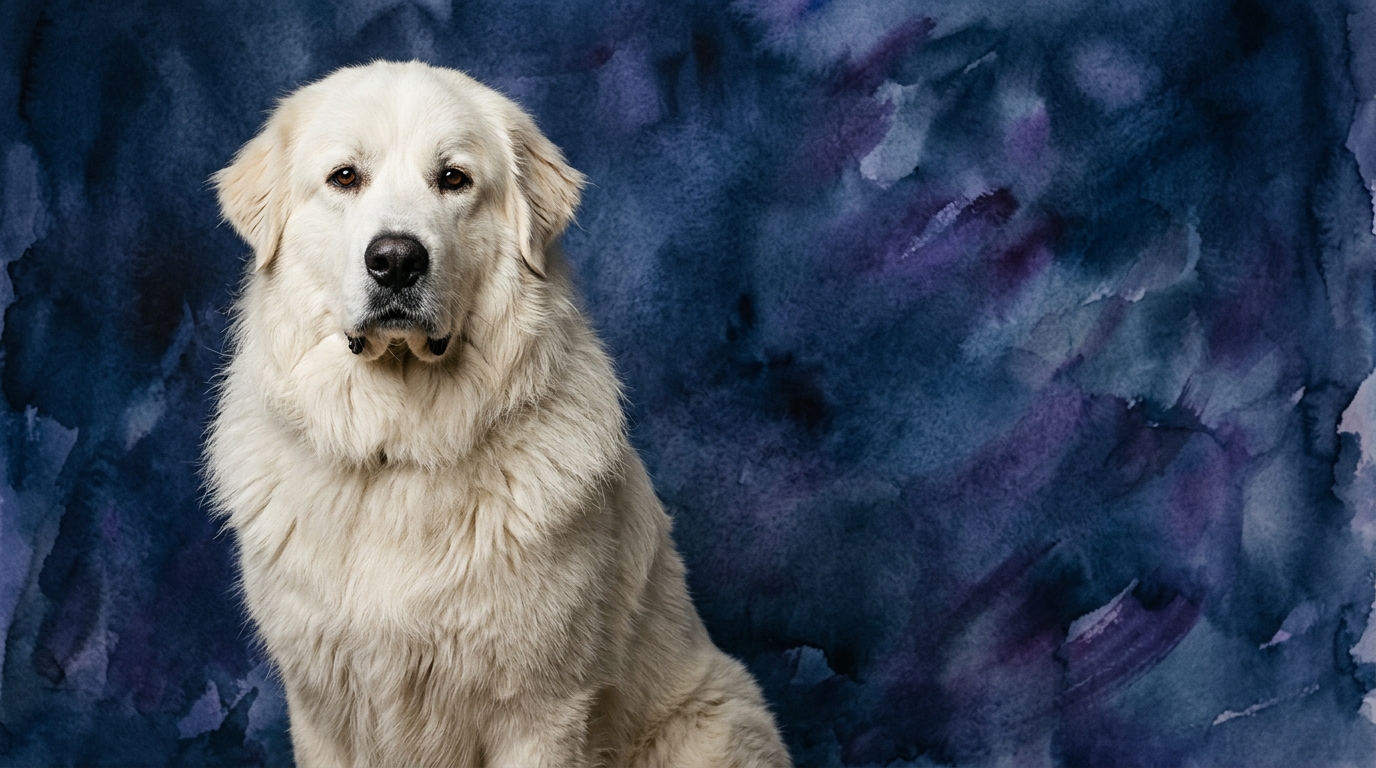
**Great Pyrenees (Working, Coren rank #64)**
**Problem Solving (3/5):** The Great Pyrenees displays independent problem-solving rooted in its guardian role, making autonomous decisions to protect its charges without immediate human directives. Their solutions are practical, focused on security, and involve assessing environmental threats with calm deliberation.
**Training Speed (3/5):** Training a Great Pyrenees requires patience, reflecting their thoughtful and independent nature; they learn at their own pace. Motivation is often tied to perceived utility or their bond with humans, rather than an inherent drive to please, making consistency paramount.
**Social Intelligence (3/5):** This breed exhibits keen awareness of social dynamics within their family and regarding potential outsiders, adeptly discerning intentions. They adjust protective responses based on subtle cues and recognize who belongs versus who might pose a threat to their territory.
**Instinctive Drive (3/5):** The Great Pyrenees possesses a powerful, fundamental instinctive drive for guardianship and territorial protection, influencing their vigilance and vocalizations. These deep-seated instincts dictate many of their spontaneous behaviors like patrolling boundaries.
**Memory (3/5):** Great Pyrenees demonstrate reliable memory for routines, territorial boundaries, and past experiences related to protective duties. They recall individuals and the effectiveness of deterrents, contributing to consistent guarding behavior over time.
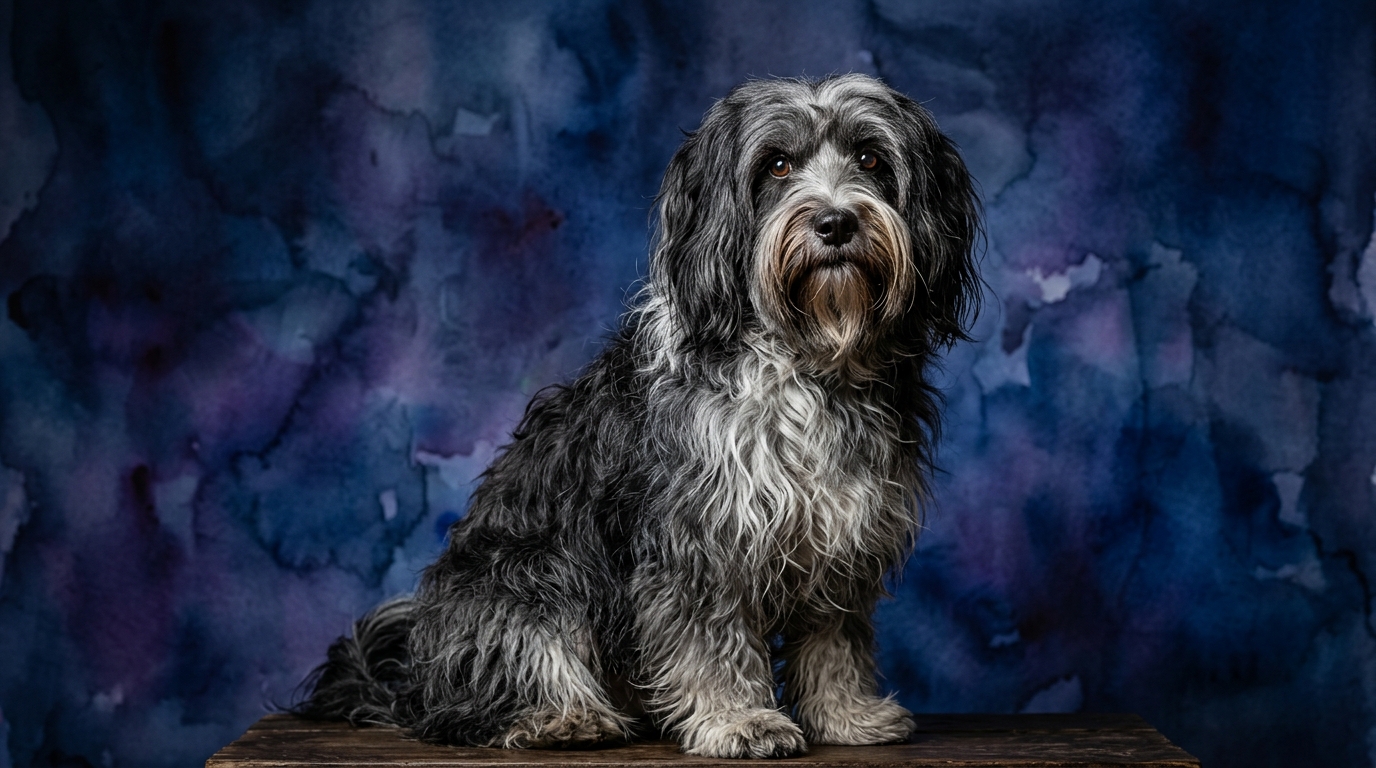
**Tibetan Terrier (Non-Sporting, Coren rank #63)**
**Problem Solving (3/5):** The Tibetan Terrier engages in problem-solving driven by curiosity and a desire for engagement, often figuring out how to retrieve a hidden toy or gain attention. Their approach is playful and persistent, sometimes using trial-and-error for desired outcomes in a home setting.
**Training Speed (3/5):** Tibetan Terriers learn new behaviors at a moderate pace, requiring engaging methods to maintain interest as they can be discerning pupils. Their learning is effective when positive reinforcement is consistent and highly motivating, appealing to their clever nature.
**Social Intelligence (3/5):** This breed exhibits strong aptitude for reading human emotions and social cues, adapting behavior to family situations and offering comfort based on perceived moods. Their social cognition is geared towards intimate family interaction and fostering deep bonds.
**Instinctive Drive (3/5):** The Tibetan Terrier’s instinctive drives center on companionship, curiosity, and alertness from their watchdog history, prompting them to observe and alert their family. They display an innate desire for interaction and exploration within their home and surroundings.
**Memory (3/5):** Tibetan Terriers possess good memory for commands, routines, and favored people/objects, recalling complex sequences learned during training or play. This contributes to consistent responses and deep bonds within the family structure.
Where the Great Pyrenees Wins Cognitively
The Great Pyrenees' cognitive strengths are most evident in scenarios demanding autonomous judgment and a broad, independent assessment of their environment. Their problem-solving (3/5) is uniquely tailored for self-sufficiency in a guardian role, enabling them to make nuanced decisions about perceived threats without direct human intervention. This involves a sophisticated understanding of territory, the movement of charges, and subtle environmental shifts signaling danger. Their social intelligence, also 3/5, excels at distinguishing friend from foe across a broader spectrum of interactions, making them astute judges of character in a protective context. This expansive, watchful intellect, coupled with their strong instinctive drive, positions them as unparalleled in situations requiring a self-directed, protective presence over vast areas.
Where the Tibetan Terrier Wins Cognitively
In contrast, the Tibetan Terrier's cognitive advantages shine in dynamic, interactive family environments. Their problem-solving (3/5) often manifests as cleverness in navigating human-centric puzzles, like accessing a favorite toy or initiating a game, showcasing an adaptive, interactive intellect. Their social intelligence, also 3/5, is exquisitely tuned to the nuances of human emotion and family dynamics, fostering exceptionally deep and responsive bonds. They excel at reading subtle body language and vocal tones, often predicting human actions or anticipating needs within the home. This makes them superb at engaging in complex, reciprocal communication with their owners, appearing to “understand” conversations in a highly personalized, relationship-focused way. Their memory (3/5) is keenly applied to recalling specific cues and preferences of their human companions, enhancing their role as a highly integrated family member.
Which is Easier to Train and Why?
Both Great Pyrenees and Tibetan Terriers are rated 3/5 for Training Speed, indicating a moderate learning curve that benefits from consistent, thoughtful approaches. However, the nature of their training challenges differs significantly. The Great Pyrenees, with its profound independent streak from centuries of autonomous guarding, often views training as a collaboration. They aren't inherently driven to perform tricks on command but will learn tasks they perceive as valuable to their guardian role or family bond. Training requires immense patience, understanding their motivations, and using positive reinforcement, often framing commands as requests.
The Tibetan Terrier, while equally rated, presents a different challenge: a discerning and sometimes “what's in it for me” attitude. They are clever and capable of learning complex sequences but thrive on engaging, fun, and reward-based training. They may choose to ignore a command if they don't see immediate benefit or if the training isn't stimulating enough. Their training success hinges on making the process enjoyable and highly motivating, leveraging their curiosity and desire for interaction rather than rote repetition. Neither breed is “easy” in the conventional sense of eager-to-please, but rather require owners who appreciate their distinct cognitive approaches to learning.
Which Suits Active Owners vs. Relaxed Owners?
The Great Pyrenees typically suits owners who appreciate a more relaxed physical pace but are prepared for significant mental engagement and management. While not high-energy dogs requiring constant running, their profound instinctive drive for guardianship means they need ample space to patrol and a mentally stimulating environment that allows them to fulfill protective instincts. A “relaxed owner” for a Great Pyrenees means someone who enjoys quiet companionship and moderate daily walks, but who is also vigilant about providing secure boundaries and managing their natural guarding behaviors.
Conversely, the Tibetan Terrier is generally better suited for more active owners. Their curious nature and desire for interaction mean they thrive on regular physical activity like walks, hikes, or engaging playtime. They possess a playful spirit and enjoy participating in family activities or dog sports. A Tibetan Terrier owner should provide consistent mental and physical stimulation to prevent boredom, which can lead to less desirable behaviors. They are companions who genuinely enjoy being “in the thick of it” with their human family.
The Verdict
Choose the Great Pyrenees if you seek an independent, steadfast guardian who excels at autonomous decision-making and offers a calm, watchful presence in a spacious environment.
Opt for the Tibetan Terrier if you desire a lively, adaptable companion who thrives on close interaction, engaging challenges, and shares an active, curious lifestyle within a family setting.
🧠 Find Your Pet's IQ Score
Our Pet IQ Lab assessment covers 25+ tests across 5 cognitive dimensions — personalized to your breed.
Take the Full IQ Test →Frequently Asked Questions
Do Great Pyrenees or Tibetan Terriers do well in apartments?
A Great Pyrenees can struggle in an apartment due to strong territorial instincts and need for space to patrol, often leading to excessive barking or frustration. A Tibetan Terrier can adapt to apartment living if provided with sufficient daily exercise, mental stimulation, and consistent outdoor adventures to satisfy their curious and active nature.
Are Great Pyrenees good with other pets, or are Tibetan Terriers more adaptable?
Great Pyrenees, when properly socialized, can be excellent with other pets they perceive as part of their “flock,” but may be wary of new, unfamiliar animals. Tibetan Terriers are generally more adaptable and often enjoy the company of other well-mannered pets, provided appropriate introductions and social needs are met.
Which breed is more vocal, the Great Pyrenees or the Tibetan Terrier?
The Great Pyrenees is typically more vocal, using barking to alert to perceived threats or changes in their environment, a fundamental part of their guardian role. Tibetan Terriers can also be vocal, often using barks to express excitement or alert to visitors, but generally less persistently or intensely than a Great Pyrenees.