Side-by-Side Cognitive Profiles
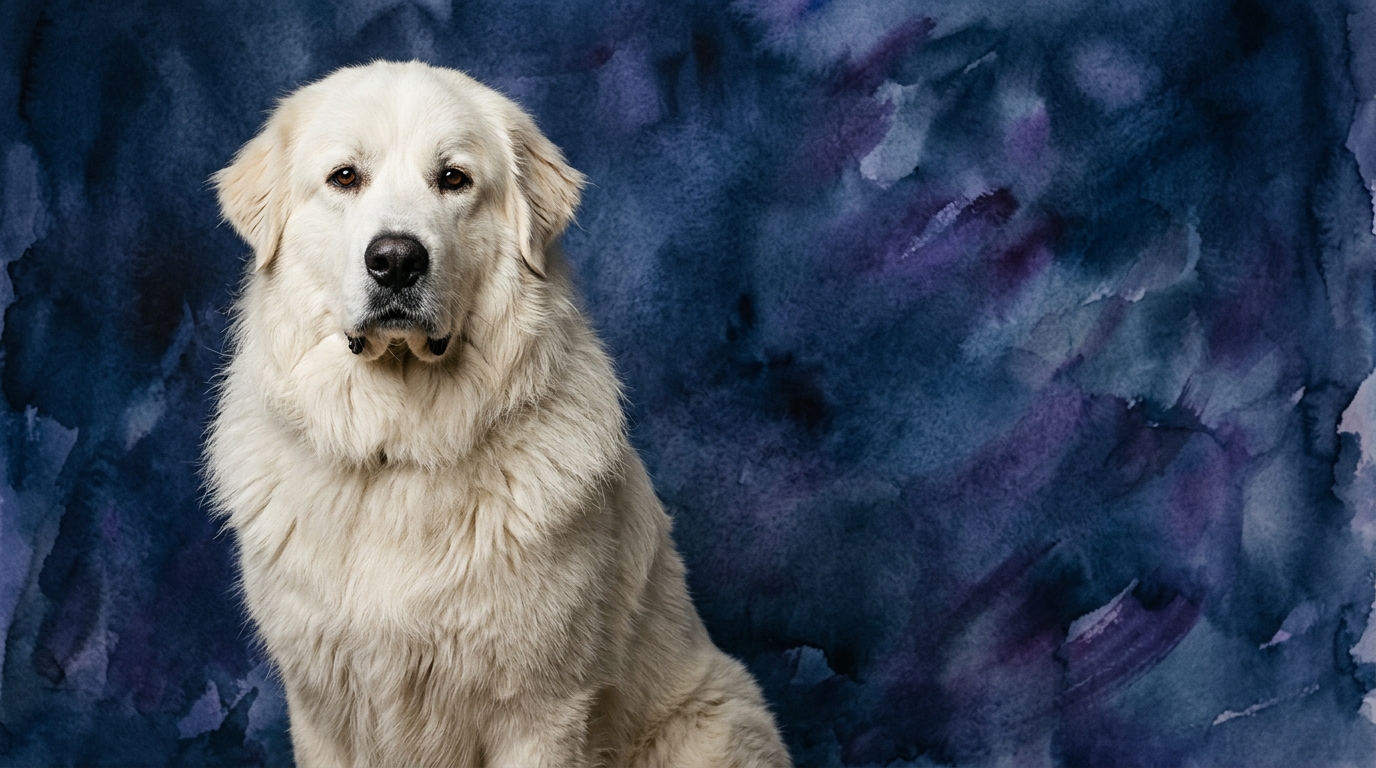
The Cosmic Pet Pet IQ Lab provides a nuanced framework for understanding canine cognition across five dimensions, offering a clear contrast between these two breeds. The Great Pyrenees, ranking #64 in Coren's list, demonstrates a steady, self-reliant cognitive pattern. Their Problem Solving is rated 3/5, reflecting an ability to make independent judgments in their traditional role of protecting flocks rather than excelling at human-devised puzzles. Training Speed also scores 3/5, indicating a moderate pace of learning commands, often requiring patience due to their independent nature. Social Intelligence is 3/5, suggesting they understand human cues but prioritize their own protective instincts. Instinctive Drive, at 3/5, points to a balanced but firm adherence to their guarding heritage, while Memory, at 3/5, supports their capacity to recall routines and threats within their established territory.
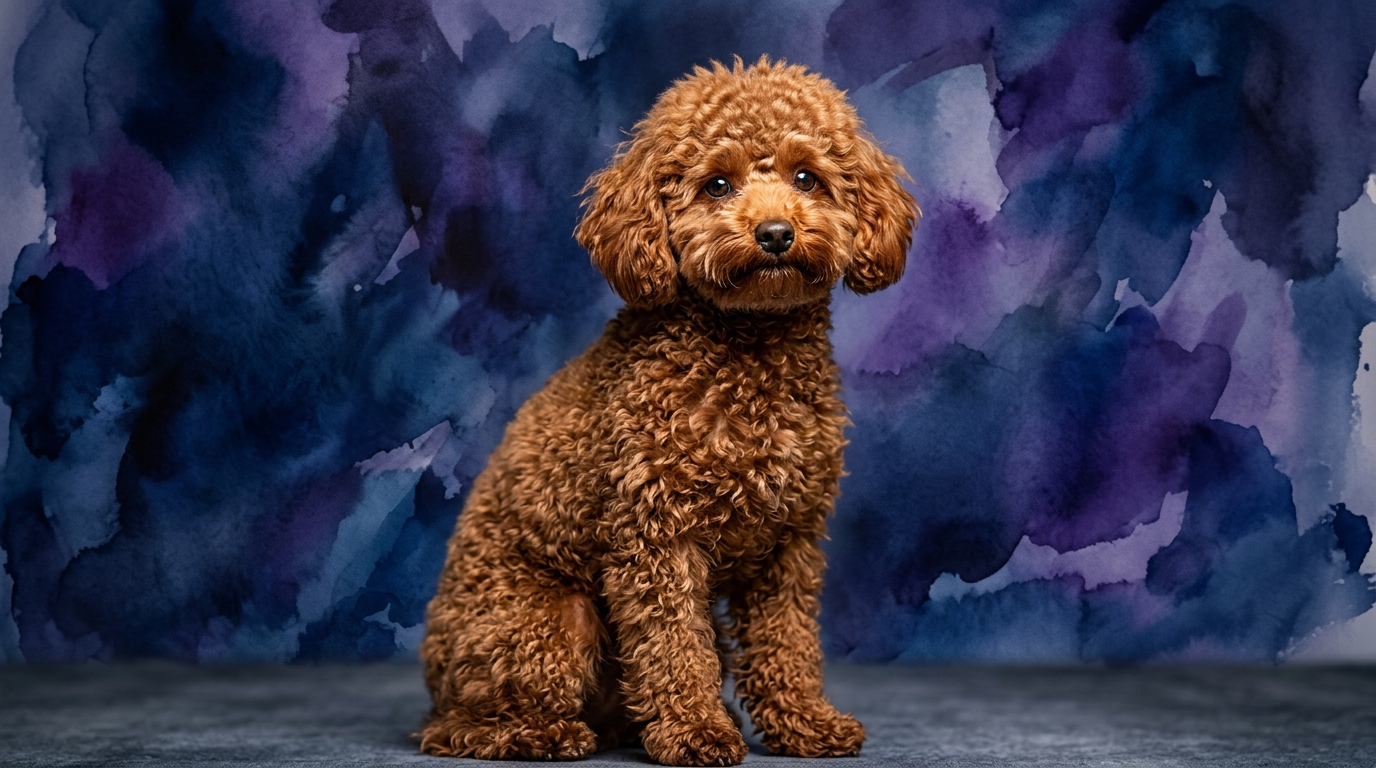
In stark contrast, the Toy Poodle, holding an impressive Coren rank of #2, exhibits a profile geared towards rapid learning and adaptability. Their Problem Solving is a perfect 5/5, showcasing a remarkable capacity to analyze novel situations and devise creative solutions, often excelling at complex tasks and mental challenges. Training Speed also hits 5/5, meaning they grasp new commands and routines with exceptional quickness, often eager to engage. Social Intelligence is 3/5, indicating a good understanding of human interaction, though perhaps less pronounced than their other cognitive strengths. Instinctive Drive, at 3/5, is present but often channeled into play or companionship rather than a specific working role. Their Memory, rated 5/5, allows them to retain intricate sequences of behaviors and a vast vocabulary of commands over long periods.
Where the Great Pyrenees Demonstrates Cognitive Strength
The Great Pyrenees' cognitive strengths are deeply rooted in their original purpose: solitary livestock guardianship. Their 3/5 Problem Solving score, while not indicative of puzzle-solving prowess, shines in scenarios requiring independent judgment and threat assessment in dynamic environments. A Great Pyrenees excels at evaluating a potential predator from a distance, deciding whether to bark, stand firm, or intervene, all without direct human instruction. This is a complex, real-world application of cognitive function, prioritizing safety and territory over obedience to immediate commands. They can discern normal farm sounds from unusual disturbances, demonstrating a practical, situation-specific application of their memory and observational skills.
Their Instinctive Drive (3/5) is a cornerstone of this strength, manifesting as a deep-seated commitment to their charges. This isn't just a physical act; it's a cognitive dedication to vigilance and protection. While their Training Speed (3/5) might be moderate for obedience, it reflects a deliberate processing style rather than a lack of ability, allowing them to internalize the critical importance of their guarding duties. This breed's cognition is less about speed and more about sustained, autonomous decision-making in high-stakes situations.
Where the Toy Poodle Demonstrates Cognitive Strength
The Toy Poodle's cognitive profile, particularly their 5/5 Problem Solving and Memory scores, positions them as highly adaptable and quick-witted companions. Their capacity for problem-solving extends to understanding abstract concepts, such as identifying specific objects by name or navigating intricate puzzle toys designed to test canine intellect. They can quickly learn to manipulate latches, retrieve specific items from a group, or even follow multi-step instructions, showcasing a remarkable mental agility.
Their exceptional Training Speed (5/5) means they not only learn rapidly but also retain information with a 5/5 Memory score. This allows them to master a vast repertoire of tricks, advanced obedience commands, and even participate in dog sports like agility or rally with impressive precision and recall. They are adept at anticipating human intentions and adjusting their behavior accordingly, often picking up on subtle cues that other breeds might miss. This combination of rapid acquisition and solid retention makes them exceptionally versatile in learning new skills and adapting to varied domestic environments.
Training Ease: Pyrenees Independence vs. Poodle Eagerness
When considering ease of training, the Toy Poodle clearly outshines the Great Pyrenees, a difference rooted in their distinct cognitive priorities and behavioral drives. The Toy Poodle's 5/5 Training Speed and 5/5 Memory mean they absorb new commands and routines with remarkable quickness, often showing a keen desire to please their human companions and engage in interactive learning. Their problem-solving abilities allow them to generalize learned behaviors to new situations, making them highly responsive to positive reinforcement and consistent instruction. They thrive on mental stimulation and the challenge of mastering new skills, which translates into a smoother, more rewarding training experience for owners.
In contrast, the Great Pyrenees' 3/5 Training Speed is influenced by their historical role as independent guardians. While capable of learning, their primary drive is often self-directed vigilance rather than immediate human compliance. They may question commands if they perceive them as conflicting with their guarding instincts or if they simply don't see the point, requiring more patience, consistency, and a strong, trust-based relationship to motivate them. Their independence means they often need to understand the 'why' behind a command, rather than simply executing it on cue, making traditional obedience training a more protracted process compared to the eager-to-learn Poodle.
Matching Breeds to Owner Lifestyles
The cognitive profiles of these breeds suggest they align with very different owner lifestyles. An active owner seeking a mentally engaged companion for dog sports, advanced obedience, or regular puzzle-solving will find the Toy Poodle a perfect fit. Their 5/5 Problem Solving and Training Speed mean they not only enjoy but truly thrive on consistent mental stimulation, making them ideal for individuals who want to teach complex tricks, participate in competitive events, or simply enjoy a highly interactive and responsive dog. Their cognitive agility means they can adapt quickly to changing schedules or new learning opportunities, making them suitable for owners who enjoy dynamic engagement.
Conversely, a relaxed owner who appreciates a calm, observant, and self-reliant presence will find the Great Pyrenees more aligned with their lifestyle. While they require ample space and a secure yard, their cognitive strengths are focused on vigilance and independent decision-making rather than constant interactive learning. Owners who understand and respect their independent nature and guarding instincts will appreciate a dog that operates effectively without needing constant direction or mental games. They are not 'active' in the sense of needing to run agility courses, but rather in their diligent, self-appointed role as home and family protectors, fitting well with a more serene, watchful companionship.
The Verdict: When to Choose Each Breed
The Verdict
Choose a Great Pyrenees if you seek a calm, independent guardian who excels at autonomous decision-making and territorial protection, appreciating their self-reliant nature. They are ideal for owners with space who value a steady, watchful presence over constant interactive training.
Opt for a Toy Poodle if you desire an exceptionally quick-learning, adaptable companion eager for mental challenges, advanced training, and active participation in family life. They thrive with owners who enjoy teaching complex skills and engaging in regular, stimulating activities.
🧠 Find Your Pet's IQ Score
Our Pet IQ Lab assessment covers 25+ tests across 5 cognitive dimensions — personalized to your breed.
Take the Full IQ Test →Frequently Asked Questions
Does a Great Pyrenees' lower training speed mean it's not capable of learning?
Not at all; their 3/5 Training Speed reflects an independent nature and a tendency to prioritize their guarding instincts over immediate compliance. They are capable of learning, but require more patience and consistency, often needing to understand the purpose of a command to fully engage.
How does the Toy Poodle's high problem-solving ability manifest in daily life?
Their 5/5 Problem Solving means Toy Poodles often figure out how to open cabinets, retrieve specific toys on command, or even learn complex sequences of behaviors. They enjoy mental challenges and can adapt quickly to new routines or environments, making them highly versatile companions.
Are the social intelligence scores (3/5 for both) indicative of their friendliness?
A 3/5 Social Intelligence score indicates a solid understanding of human cues and interactions, but it's not a direct measure of friendliness. For the Pyrenees, it means they process human input through their guarding lens, while for the Poodle, it suggests they engage well but perhaps not with the extreme empathy seen in some therapy breeds, focusing more on task engagement.