Side-by-Side Cognitive Profile
Despite both breeds scoring 3/5 across the five cognitive dimensions in The Cosmic Pet Pet IQ Lab, their expression of these traits is deeply rooted in their breed-specific functions. Understanding these nuances reveals how identical numerical scores can translate into vastly different behavioral patterns and cognitive strengths.
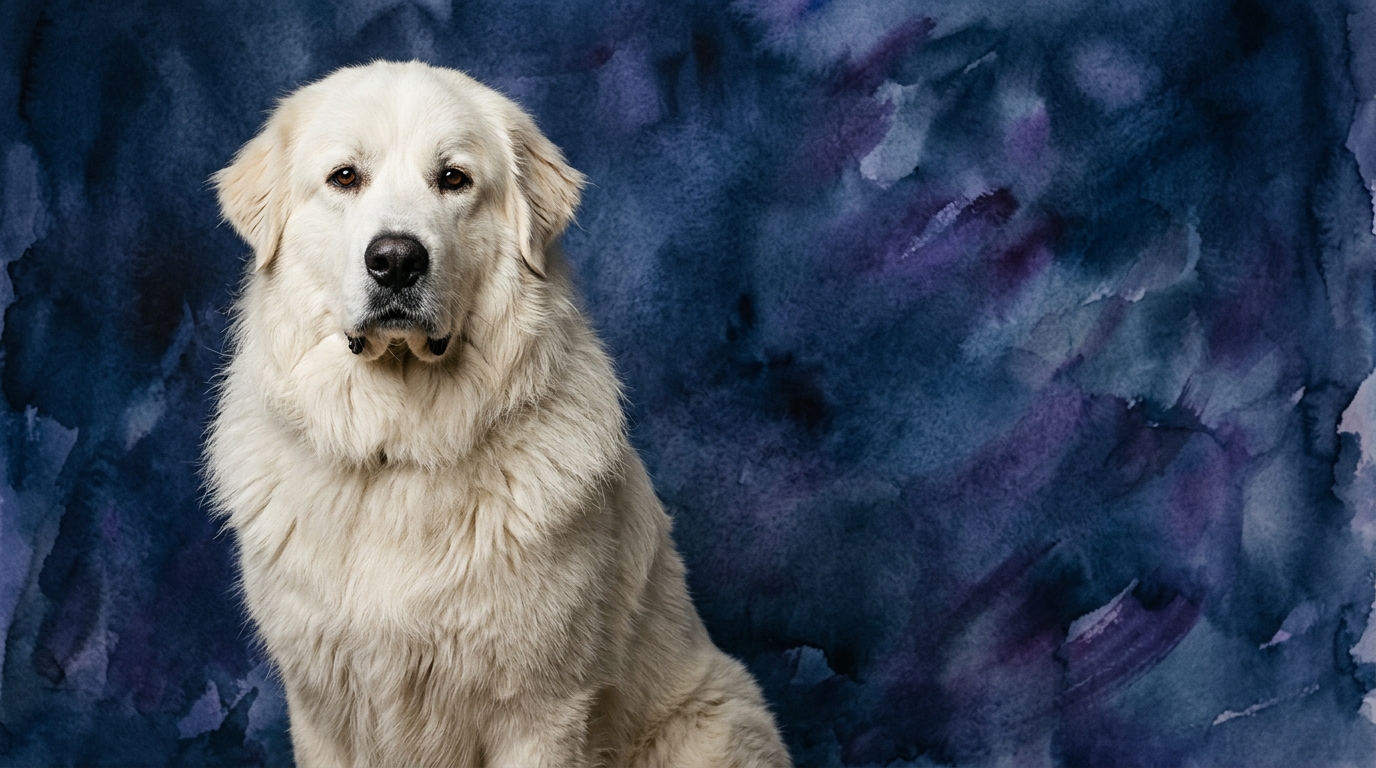
For the **Great Pyrenees** (Working, Coren Rank #64), their intellect is primarily geared towards independent guardianship. Their Problem Solving (3/5) manifests as autonomous decision-making in protecting livestock, assessing threats without human command. Training Speed (3/5) is moderate; they learn, but their self-reliant nature means they often prioritize their own judgment over immediate obedience. Social Intelligence (3/5) is discerning, fostering deep bonds with their 'flock' and family while maintaining a watchful reservation towards strangers. Their Instinctive Drive (3/5) is a powerful, consistent urge to protect and patrol. Memory (3/5) is robust for territory, routines, and identifying individuals within their care, crucial for their vigilant role.
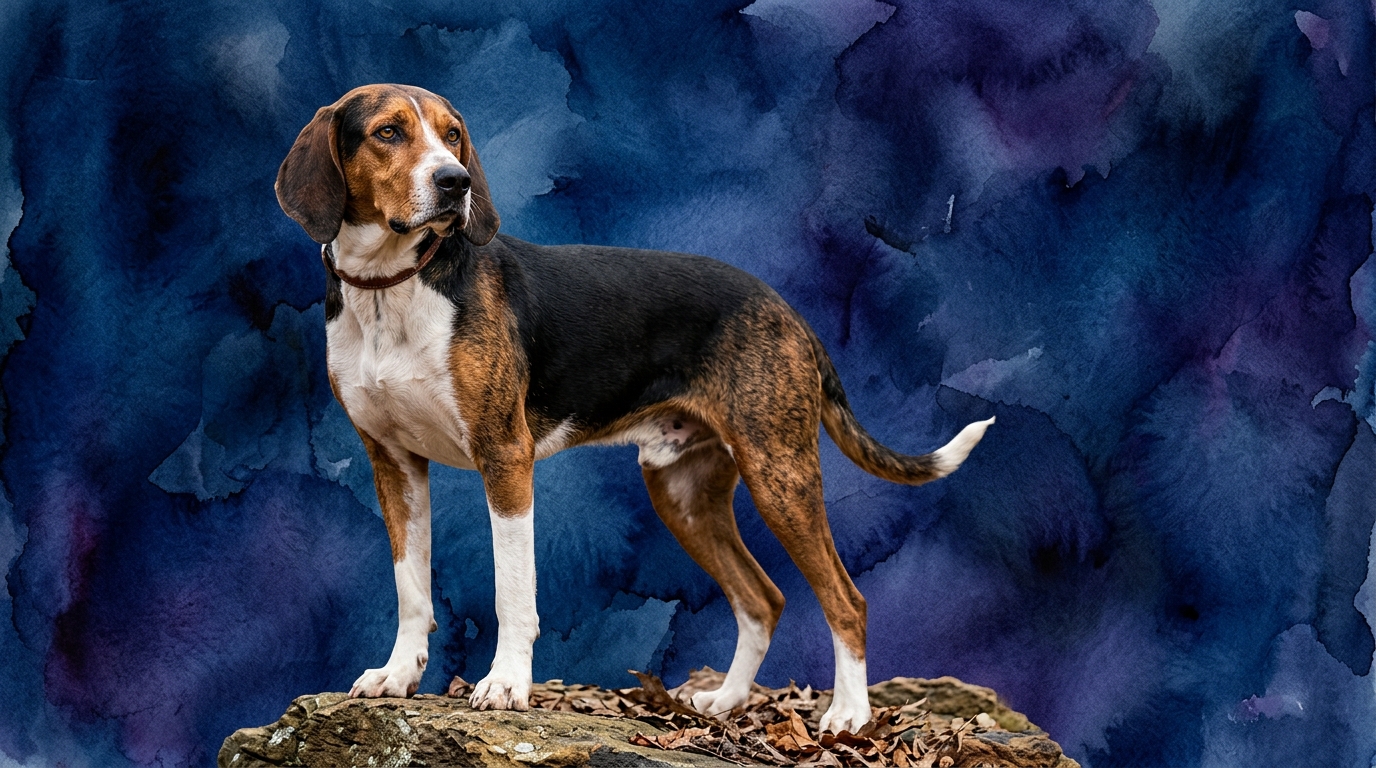
The **Treeing Walker Coonhound** (Hound, Not Coren-ranked) showcases a different cognitive specialization, driven by their hunting heritage. Their Problem Solving (3/5) is focused on tracking and scent work, adeptly deciphering complex scent trails and navigating terrain to locate quarry. Training Speed (3/5) is also moderate; while capable of learning, their intense scent drive can make them appear distracted, requiring patient, consistent engagement. Social Intelligence (3/5) reflects their pack-oriented nature, making them generally amiable with other dogs and humans, understanding cues within a hunting party. Their Instinctive Drive (3/5) is dominated by an unwavering prey and scent drive, coupled with a strong vocalization tendency. Memory (3/5) is excellent for scent profiles, successful hunting grounds, and specific routes, essential for their tracking prowess.
Where the Great Pyrenees Excels Cognitively
The Great Pyrenees' cognitive strengths truly shine in the realm of autonomous decision-making and strategic threat assessment. Unlike many breeds that defer to human commands, a Pyrenees is purpose-bred to operate independently, evaluating dangers to its charges and reacting appropriately without needing immediate instruction. This translates into a superior ability to make nuanced judgments in dynamic, unsupervised situations, where prioritizing protection often outweighs strict obedience. Their discerning social intelligence allows them to accurately gauge intentions, making them exceptional at identifying genuine threats versus benign visitors, a critical skill for their guardian role that demands thoughtful, independent action.
Where the Treeing Walker Coonhound Excels Cognitively
The Treeing Walker Coonhound excels in sustained, focused sensory processing and environmental navigation. Their unparalleled ability to follow and differentiate complex scent trails, even old or faint ones, demonstrates a cognitive specialization that few breeds can match. This involves intricate problem-solving to piece together fragmented olfactory information over vast distances and varied terrains. Their persistent drive to pursue a scent, coupled with memory for successful hunting grounds, showcases a remarkable aptitude for task-oriented, sensory-driven cognitive endurance. This relentless focus on a single, compelling sensory input is where their cognitive prowess is most evident.
Training Aptitude: Great Pyrenees vs. Treeing Walker Coonhound
Neither breed is typically considered 'easy' to train in the conventional obedience sense, but their challenges stem from different cognitive frameworks. The Great Pyrenees' training presents a challenge due to its inherent independence and self-reliance. They are not inherently eager to please in the way many working breeds are; their decisions are often guided by their own assessment of a situation and their guardian instincts, not merely human instruction. They learn, but often choose when and if to comply, making consistency, patience, and a strong understanding of their motivations crucial.
On the other hand, the Treeing Walker Coonhound's training difficulty stems from its overpowering scent drive. While they can grasp commands, their nose often takes precedence, leading to distraction and a seemingly selective hearing, especially outdoors. Training requires immense patience, creativity to incorporate their natural drives into learning, and a highly stimulating environment to keep their attention from wandering to an enticing odor. For general obedience, the Coonhound might appear more trainable if you can harness their drive, but the Pyrenees' thoughtful refusal to comply can be a more significant hurdle than the Coonhound's distraction.
Ideal Owners: Active Pursuits vs. Calm Vigilance
For active owners, the Treeing Walker Coonhound is a compelling choice. This breed possesses boundless energy and a profound need for physical and mental stimulation, ideally through activities that engage their powerful nose and athleticism, such as scent work, long hikes, or even competitive dog sports. They thrive with owners who can provide daily, vigorous exercise and outlets for their hunting instincts. A relaxed owner, however, might find the Coonhound's energy levels and vocal nature overwhelming, leading to frustrated behaviors if their needs aren't met.
Conversely, the Great Pyrenees can suit a more relaxed owner, provided that 'relaxed' means watchful and attentive to their guardian duties rather than sedentary. While they appreciate space to patrol, their exercise needs are moderate compared to a Coonhound. They are content to observe and guard, often preferring a calm, predictable environment where they can fulfill their protective role. They are not typically a breed for high-intensity sports, but rather for quiet companionship and vigilance, making them better suited to a home where their protective instincts are valued without demanding constant physical engagement.
The Verdict
Choose the Great Pyrenees if you seek an independent, thoughtful guardian who will autonomously protect your family or property, valuing deep loyalty over immediate obedience.
Opt for the Treeing Walker Coonhound if you are an active individual or family eager to engage a dog with tremendous stamina and a specialized, powerful drive for scent work and exploration.
🧠 Find Your Pet's IQ Score
Our Pet IQ Lab assessment covers 25+ tests across 5 cognitive dimensions — personalized to your breed.
Take the Full IQ Test →Frequently Asked Questions
Do Great Pyrenees or Treeing Walker Coonhounds learn tricks quickly?
Neither breed is particularly known for learning complex tricks with great speed. Great Pyrenees are often too independent, while Treeing Walkers can be easily distracted by scents, making consistent focus challenging for intricate trick training. Their cognitive strengths lie in their specialized roles, not necessarily in rapid-fire obedience or novelty acts.
Which breed is more adaptable to different living situations, like city apartments?
Neither breed is ideally suited for city apartment living due to their size and needs. The Great Pyrenees requires space to patrol and can be vocal guardians, while the Treeing Walker Coonhound needs extensive exercise and outlets for their scent drive, which is difficult to provide in a confined urban setting. Both thrive with ample outdoor access and appropriate mental engagement.
How do their social intelligence scores of 3/5 manifest differently?
The Great Pyrenees' 3/5 social intelligence manifests as discerning loyalty and protective vigilance within its established 'flock,' making them reserved with strangers but deeply bonded with family. The Treeing Walker Coonhound's 3/5 social intelligence reflects their pack-oriented nature, showing amiability with other dogs and people, but with their primary focus often directed outwards towards environmental scents during activities.