Side-by-Side IQ Profile
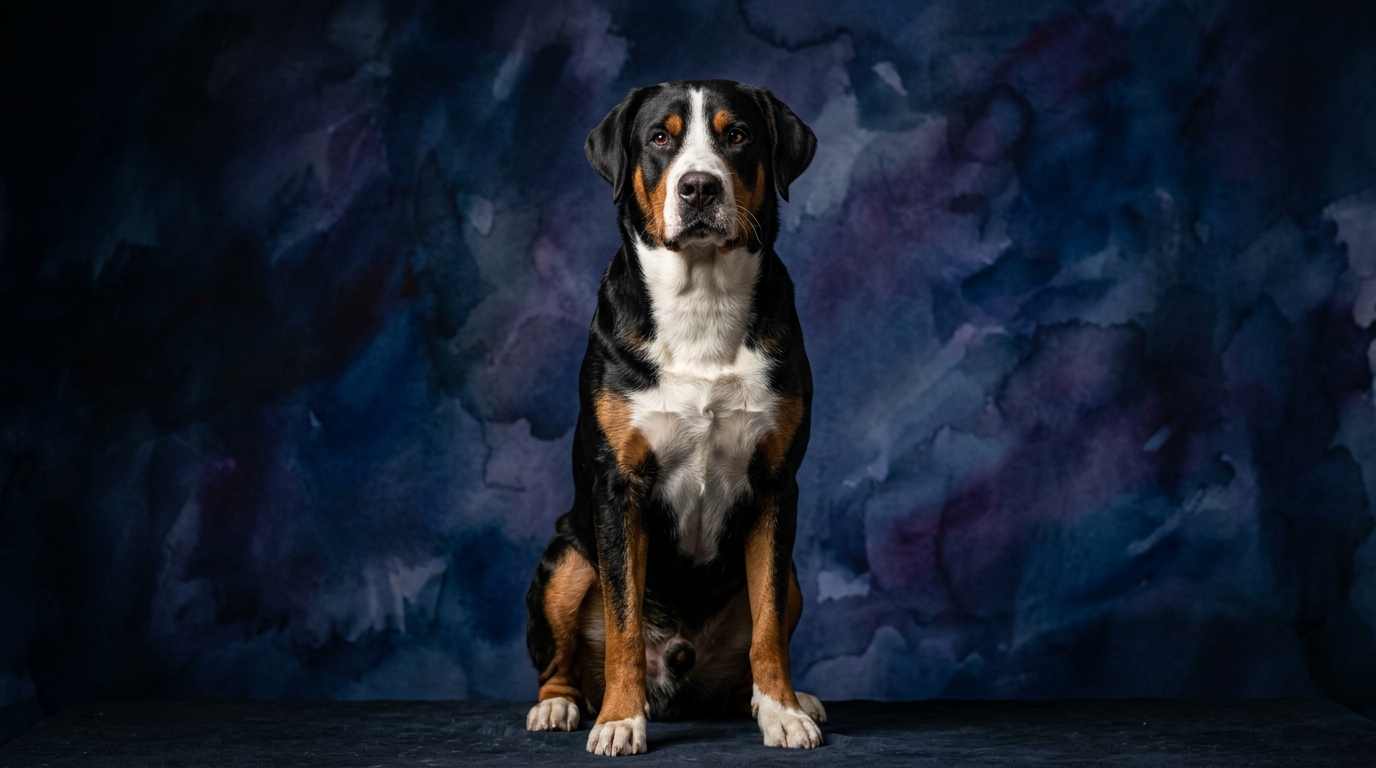
**Greater Swiss Mountain Dog:**
**Problem Solving (3/5):** These brawny working dogs exhibit a methodical approach to challenges, often relying on their physical strength and deliberate thought to navigate their environment or achieve goals, such as figuring out how to move obstacles or open simple latches. Their solutions tend to be practical and direct, reflecting their heritage of farm utility.
**Training Speed (3/5):** Greater Swiss Mountain Dogs learn at a steady, reliable pace, absorbing new commands and routines with consistent repetition and positive reinforcement. They are generally eager to please their handlers, which aids in their acquisition of skills, though their substantial size means physical maneuvers can take more time to perfect.
**Social Intelligence (3/5):** With a good grasp of social dynamics, GSMDs are adept at reading human and canine cues, forming strong, discerning bonds within their family. They understand hierarchical structures and can be watchful and protective, often assessing new situations or individuals with a calm, observant demeanor before reacting.
**Instinctive Drive (3/5):** Their drives are rooted in their working heritage, manifesting as a natural inclination towards guardianship, a moderate protective instinct for their family and territory, and a desire for purpose-driven tasks. They possess a reliable sense of their surroundings and a steady, dependable nature.
**Memory (3/5):** Greater Swiss Mountain Dogs demonstrate a solid memory for established routines, learned commands, and familiar individuals. Once a behavior or a learned task is ingrained, it tends to be retained over the long term, contributing to their reliability and predictability as companions.
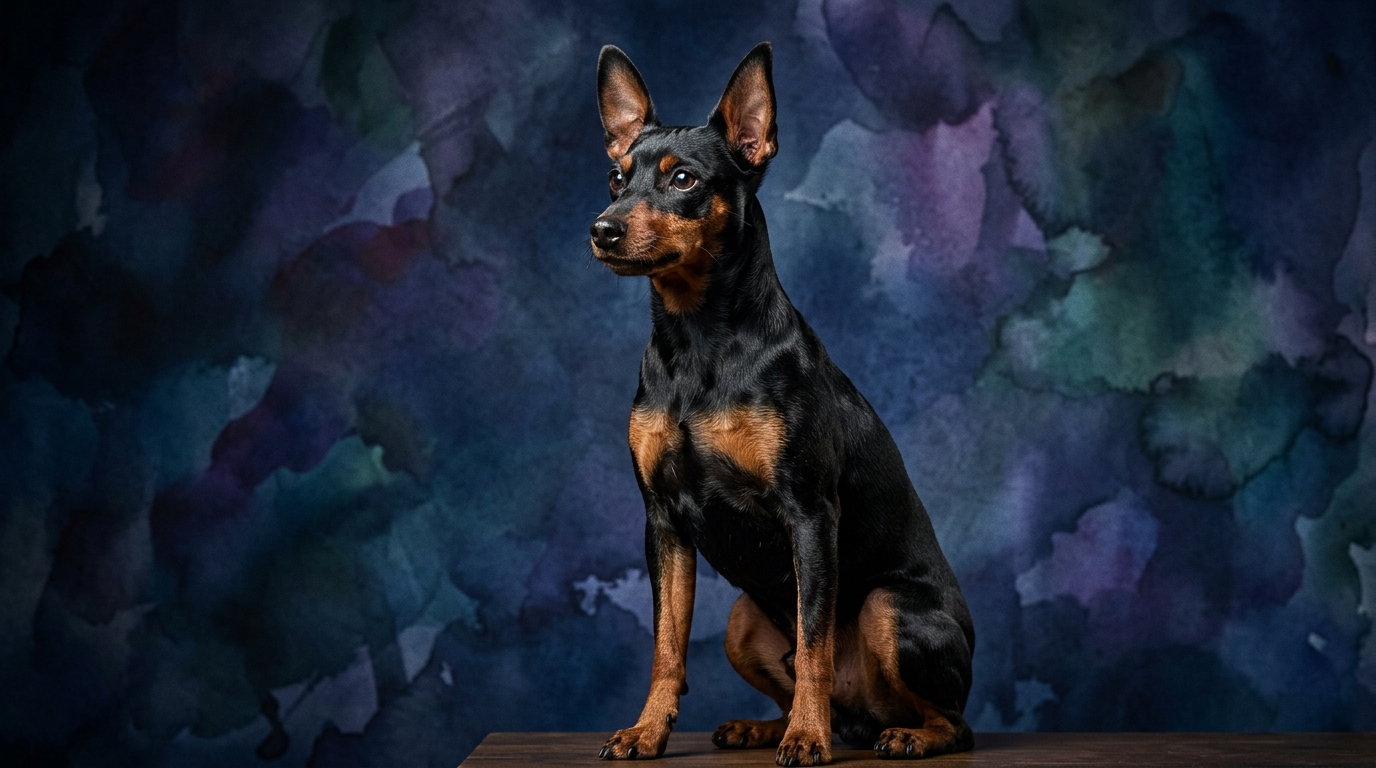
**Miniature Pinscher:**
**Problem Solving (3/5):** Miniature Pinschers approach problem-solving with agility and a cunning edge, often finding creative solutions that leverage their small size and quick wit, such as figuring out how to squeeze through tight spaces or manipulate objects to reach desired items. Their independent spirit drives them to ingeniously overcome perceived barriers.
**Training Speed (3/5):** Min Pins learn commands at a moderate pace, often demonstrating a quick understanding of what is asked. However, their independent and spirited nature can sometimes lead to selective hearing, requiring engaging, consistent, and highly rewarding training methods to maintain their focus and cooperation.
**Social Intelligence (3/5):** These "King of Toys" are highly attuned to social cues, often using their perception to navigate human households and solicit attention or resources. They are expressive and communicative, quickly understanding family dynamics and how to influence their environment to their advantage.
**Instinctive Drive (3/5):** Min Pins possess a strong prey drive, reflecting their historical role as ratters, alongside a pronounced territoriality and a bold desire to be the center of attention. Their instincts manifest as constant alertness, a tendency to "supervise" their domain, and a lively, self-assured demeanor.
**Memory (3/5):** Miniature Pinschers exhibit a good memory, particularly for routines, past interactions, and anything that benefits them, such as the location of treats or who is most likely to yield to their charm. They effectively recall learned behaviors and apply them to achieve desired outcomes.
Where Greater Swiss Mountain Dog Wins Cognitively
The Greater Swiss Mountain Dog's cognitive strengths shine particularly in tasks requiring deliberate action and a calm, sustained focus. Their working breed background fosters a capacity for consistent application of learned behaviors, especially in environments with moderate distractions, making them reliable partners for multi-step tasks that benefit from a steady temperament and physical engagement. Furthermore, their historical role interacting with various farm animals and people likely contributes to a nuanced understanding of broader social structures and group dynamics, allowing them to assess and integrate into complex household environments with a discerning, yet composed, presence. This breed excels when problem-solving demands patience and physical interaction over speed or stealth.
Where Miniature Pinscher Wins Cognitively
The Miniature Pinscher’s cognitive advantages are most apparent in their resourceful adaptability and swift, agile problem-solving within human-centric environments. Their keen observational skills and ability to quickly discern opportunities allow them to creatively navigate household challenges, such as finding innovative ways to reach desired items or making their presence known effectively. This breed also demonstrates a remarkable capacity for understanding and subtly influencing human behavior, often "training" their owners through persistent charm and expressive communication to achieve their goals. Their inherent alertness and quick reaction times, stemming from their ratter instincts, give them an edge in perceiving subtle environmental changes that might go unnoticed by larger, less vigilant breeds.
Which Is Easier To Train And Why
When considering ease of training, the Greater Swiss Mountain Dog generally presents a more straightforward path for the average owner. Their inherent biddability and desire to work alongside their human companions, coupled with a typically lower drive for independent exploration, mean they are often more receptive to instruction and less prone to testing boundaries once a rule is established. While their 3/5 training speed rating suggests a moderate learning curve, their steady focus and desire to please translate into reliable retention of commands and routines, making them consistent performers once a lesson is learned. Their physical presence also naturally encourages a more structured approach to training which they respond well to.
The Miniature Pinscher, despite also having a 3/5 training speed, can present a greater challenge due to their spirited independence and strong self-will. While they are quick to grasp concepts, their tendency to weigh whether a command benefits them, or if something more interesting demands their attention, means training requires significant creativity, high-value rewards, and unwavering consistency. Owners must make training feel like an engaging game to hold a Min Pin’s focus, as their natural assertiveness means they are more likely to "selectively hear" commands if not properly motivated. Their smaller size often leads owners to be less rigorous, inadvertently allowing unwanted behaviors to solidify.
Which Suits Active Owners vs. Relaxed Owners
For active owners, both breeds can be suitable, but their activity needs differ. The Miniature Pinscher, despite its size, possesses a surprisingly high energy level and keen alertness, requiring consistent mental stimulation and regular, vigorous exercise to prevent boredom and destructive behaviors. They thrive on engaging play, walks, and opportunities to explore safely. The Greater Swiss Mountain Dog also needs activity, but their requirements lean towards purposeful work, long walks, or hikes that engage their robust physique and methodical mind, rather than constant, high-intensity bursts. They appreciate having a "job" and thrive on activities that involve their family.
For more relaxed owners, the Greater Swiss Mountain Dog might be the more manageable choice, provided their significant daily exercise needs are met. Once adequately stimulated and exercised, they are generally calm and composed indoors, content to relax with their family. The Miniature Pinscher, however, is rarely truly "relaxed" in a passive sense; their constant vigilance, high alert level, and tendency to bark at perceived threats can be overwhelming for owners seeking a consistently quiet and low-key companion. Their boundless energy and need for engagement mean a relaxed owner might quickly find themselves overwhelmed by a Min Pin's demanding personality.
The Verdict
Choose the Greater Swiss Mountain Dog if you desire a steadfast, physically capable, and deliberate companion who learns reliably, offers a calm protective presence, and thrives on purposeful engagement and a structured family environment, appreciating their methodical approach to life.
Opt for the Miniature Pinscher if you are drawn to a bold, quick-witted, and highly observant dog that will keep you entertained with their clever antics, thrives on engaging mental and physical challenges, and whose spirited personality and keen awareness will make them a lively, albeit demanding, presence in your active home.
🧠 Find Your Pet's IQ Score
Our Pet IQ Lab assessment covers 25+ tests across 5 cognitive dimensions — personalized to your breed.
Take the Full IQ Test →Frequently Asked Questions
Are Greater Swiss Mountain Dogs good with children?
Greater Swiss Mountain Dogs are generally known for their gentle and patient demeanor with children, often acting as watchful guardians. However, due to their large size, supervision is always recommended to ensure safe interactions and prevent accidental bumps. Early socialization helps them adapt well to family life.
Do Miniature Pinschers bark a lot?
Yes, Miniature Pinschers are known for being quite vocal. Their strong territorial instincts and alert nature mean they are quick to bark at perceived threats, strangers, or anything they deem unusual. Consistent training from a young age can help manage excessive barking, but it remains a prominent breed trait.
How much exercise does each breed need?
The Greater Swiss Mountain Dog requires moderate to high exercise, including at least an hour of daily activity like long walks, hikes, or purposeful work, to keep them physically and mentally fit. The Miniature Pinscher, despite its small size, needs surprisingly vigorous exercise, including daily walks and engaging play sessions, to burn off energy and satisfy their active minds, often totaling 45-60 minutes or more.