Side-by-Side IQ Profile: Unpacking Identical Scores
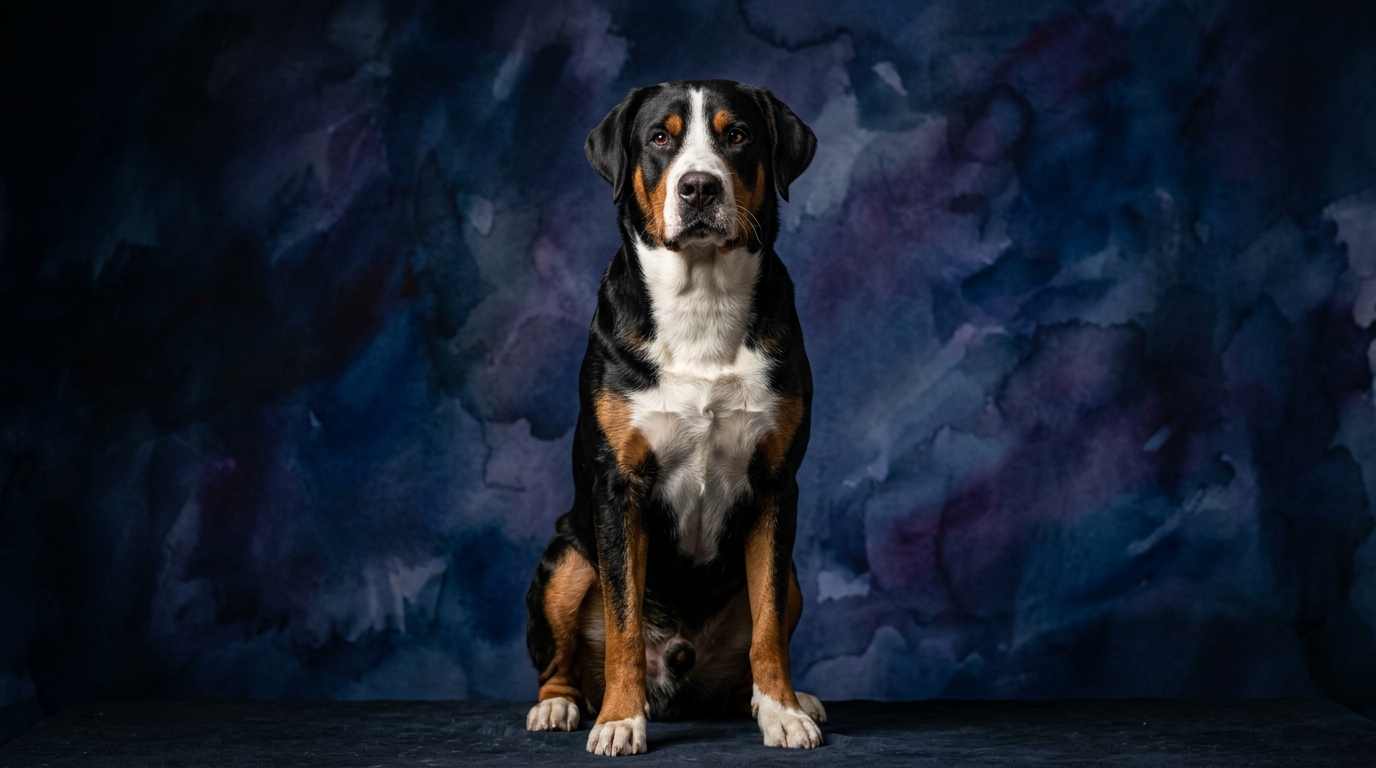
While both the Greater Swiss Mountain Dog and the Scottish Deerhound register a 3/5 across our Problem Solving, Training Speed, Social Intelligence, Instinctive Drive, and Memory dimensions, these identical scores belie nuanced differences in how their cognitive abilities manifest. For the Greater Swiss, a robust working breed, Problem Solving at 3/5 often translates into a practical aptitude for navigating physical obstacles or understanding multi-step tasks, reflective of their farm duties. Their 3/5 Training Speed indicates a willingness to learn with consistent, positive reinforcement, often driven by a desire to collaborate with their human companions. Social Intelligence at 3/5 for the 'Swissy' means they are generally adept at reading family dynamics and integrating into a household, often displaying a watchful but amiable demeanor. Their Instinctive Drive, also 3/5, is geared towards protection, guarding, and a strong desire for purposeful activity, embodying their heritage as versatile farm dogs. Lastly, their Memory at 3/5 is reliable for routines, learned commands, and familiar faces, aiding their role as a steadfast companion.
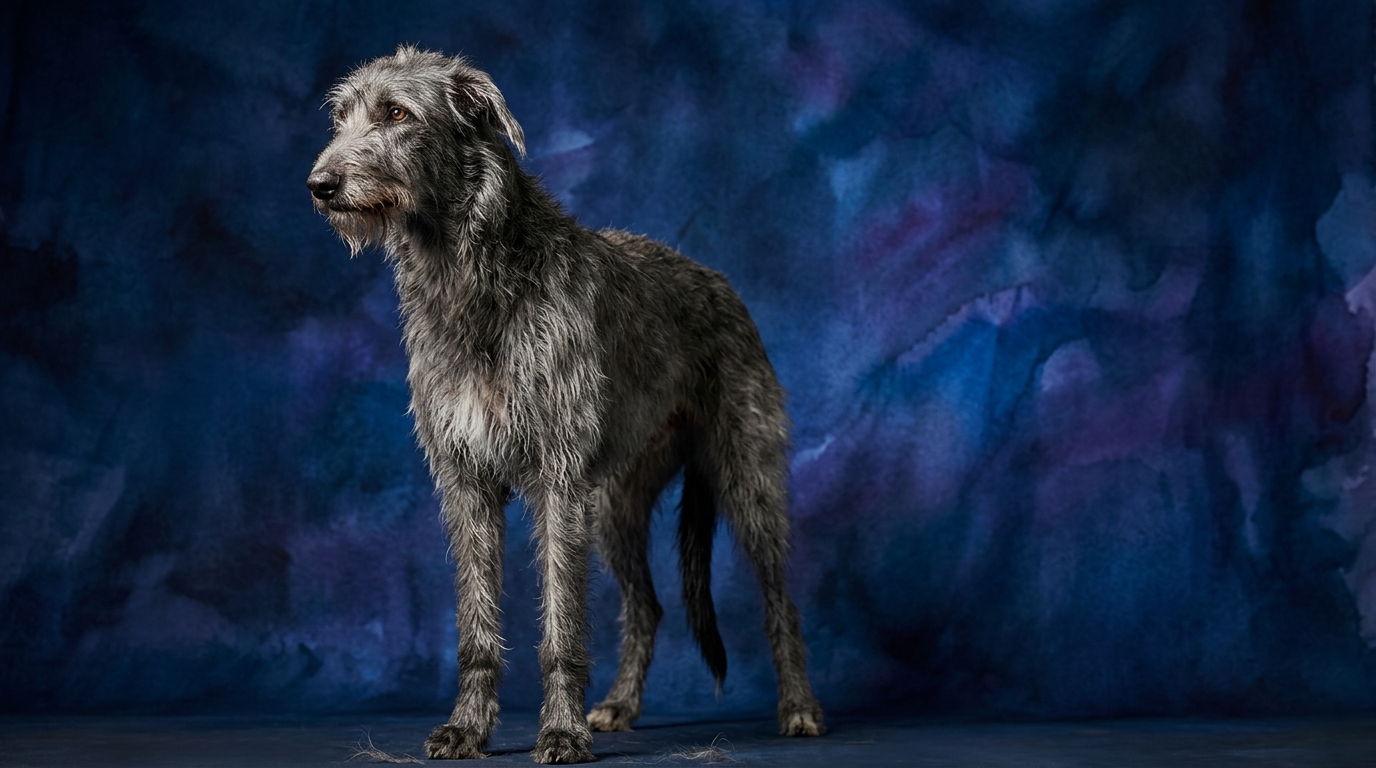
Conversely, the Scottish Deerhound, a majestic sighthound, expresses its 3/5 Problem Solving in a distinct manner, often excelling at visual tracking, strategic pursuit in open fields, and quickly assessing the movement of distant objects. Their 3/5 Training Speed, while numerically identical, comes with the caveat of a sensitive and independent nature; they learn quickly when motivated and engaged, but their compliance can be influenced by environmental stimuli or their own interest levels. Social Intelligence at 3/5 for the Deerhound typically manifests as a gentle, reserved affection towards their family, often quietly discerning human moods without overt display, and they can be more aloof with strangers. Their Instinctive Drive at 3/5 is overwhelmingly dominated by a powerful prey drive, an innate impulse to chase and course, a hallmark of their sighthound lineage. Their Memory, also 3/5, is particularly acute for visual landmarks, scent trails, and past hunting patterns, allowing them to recall specific areas of interest or successful pursuit routes.
Where the Greater Swiss Mountain Dog Cognitively Excels
The Greater Swiss Mountain Dog's cognitive strengths are deeply rooted in their history as versatile farm and draft dogs. Their problem-solving capabilities, while moderate, are particularly effective in scenarios requiring sustained effort and physical manipulation within a structured environment. For instance, they might demonstrate superior aptitude in figuring out how to open a complex crate latch or learning a multi-step routine to retrieve specific items, tasks that benefit from their inherent desire for a 'job' and their biddable nature. This practical intelligence, coupled with their physical prowess, allows them to excel in activities that require both mental application and physical engagement.
Furthermore, their social intelligence, even at a 3/5, often manifests as a more direct and unambiguous understanding of human commands and expectations within a collaborative context. They tend to be more attuned to fulfilling a human-directed purpose, making them particularly adept at tasks where clear communication and a desire to please are paramount. Their instinctive drive, channeled towards protection and companionship, makes them highly responsive to scenarios where their family's safety or well-being is perceived to be at stake, showcasing a cognitive alertness tied to their historical guarding role.
Where the Scottish Deerhound Cognitively Shines
The Scottish Deerhound's cognitive prowess is a testament to their specialized purpose as sighthounds. Their problem-solving abilities, while not focused on complex manipulation, are exceptional in dynamic, visually driven scenarios. They demonstrate a remarkable capacity for spatial reasoning and trajectory prediction, instantly calculating the most efficient path to intercept a moving target across varying terrain. This quick, instinctive decision-making under high-speed conditions is a unique cognitive advantage, reflecting thousands of years of selective breeding for the chase.
Their instinctive drive, though a 3/5, is a highly refined and singular force. This intense, visually triggered prey drive means they possess unparalleled focus and determination when pursuing a target, a cognitive state that can override other stimuli. This specialized drive, while presenting training challenges, is a profound cognitive strength in its intended context. Moreover, their memory, while generally moderate, is finely tuned to environmental details crucial for hunting, such as the best routes across a field or the scent markers of specific areas, showcasing a highly functional recall for elements relevant to their primary instinct.
Training Dynamics: Biddable vs. Independent
When considering ease of training, the Greater Swiss Mountain Dog often presents a more straightforward path for the average owner. Their 3/5 training speed is coupled with a deep-seated desire to collaborate and please their human partners, a hallmark of many working breeds. This inherent biddability means they are generally receptive to consistent, positive reinforcement and thrive on structured learning. While they can exhibit a stubborn streak if they don't perceive the value in a command, their social intelligence (3/5) generally ensures they are attentive to human cues and eager to participate in family activities, making them relatively responsive to guidance and eager to learn new tasks or routines.
The Scottish Deerhound, despite also having a 3/5 training speed, offers a distinct training experience due to their independent and sensitive nature. They are not inherently driven by a desire to 'work for' a human in the same way a working breed might be; their motivation often stems from personal interest or gentle encouragement. Their powerful instinctive drive for chasing (3/5) can easily supersede learned commands in stimulating environments, making off-leash reliability a significant challenge. Successful training with a Deerhound requires immense patience, a deep understanding of their sighthound psychology, and a commitment to making training sessions engaging and rewarding without being overly demanding. Their social intelligence (3/5) allows them to form deep bonds, but this doesn't always translate into eager compliance, instead manifesting as a quiet, affectionate companionship that values mutual respect over strict obedience.
Lifestyle Suitability: Structured Engagement vs. Burst Activity
The Greater Swiss Mountain Dog thrives with owners who can provide structured engagement and a sense of purpose. Their working background means they are happiest when they have a 'job' to do, whether it's participating in dog sports like obedience, drafting, or simply being an active companion on hikes and family outings. While they can enjoy periods of relaxation, their moderate instinctive drive (3/5) necessitates consistent mental and physical stimulation to prevent boredom and channel their energy constructively. They are an excellent fit for active owners who appreciate a dog eager to be involved in daily routines and adventures, offering a steadfast presence that thrives on collaboration and shared activities.
In contrast, the Scottish Deerhound is ideally suited for owners who understand their unique exercise requirements: intense, brief bursts of running in a secure, open space, followed by long periods of quiet relaxation. They are not endurance athletes in the same vein as many working breeds, but their need to stretch out in full gallop is non-negotiable for their physical and mental well-being. Indoors, they are typically calm, dignified, and content to lounge, making them surprisingly adaptable to a more relaxed home environment, provided their specific outdoor exercise needs are met. They are perfect for owners who appreciate a graceful, quiet companion and can provide a safe outlet for their powerful, inherent urge to run.
The Verdict
Choose the Greater Swiss Mountain Dog if you seek a steadfast, biddable companion eager for structured activities, collaborative training, and a strong sense of purpose within your family unit.
Opt for the Scottish Deerhound if you admire a gentle, independent spirit, can provide secure space for their powerful sprints, and appreciate a calm, affectionate indoor presence that thrives on patient, respectful interaction.
🧠 Find Your Pet's IQ Score
Our Pet IQ Lab assessment covers 25+ tests across 5 cognitive dimensions — personalized to your breed.
Take the Full IQ Test →Frequently Asked Questions
Are Greater Swiss Mountain Dogs good apartment dogs?
While their size is substantial, a Greater Swiss Mountain Dog can adapt to apartment living if their significant exercise and mental stimulation needs are consistently met. They require daily walks, playtime, and engaging activities to prevent boredom and channel their working drive effectively.
Do Scottish Deerhounds need a lot of grooming?
Scottish Deerhounds have a shaggy, wiry coat that requires regular brushing, typically a few times a week, to prevent mats and remove loose hair. They also benefit from occasional hand-stripping to maintain coat health and texture, though they are not considered a high-maintenance grooming breed.
What's the biggest training challenge for a Scottish Deerhound?
The most significant training challenge for a Scottish Deerhound is often their strong, visually triggered prey drive and inherent independence. This can make off-leash reliability difficult in open areas, as their instinct to chase can override learned commands, requiring consistent, patient training and secure environments.