Side-by-Side IQ Profile
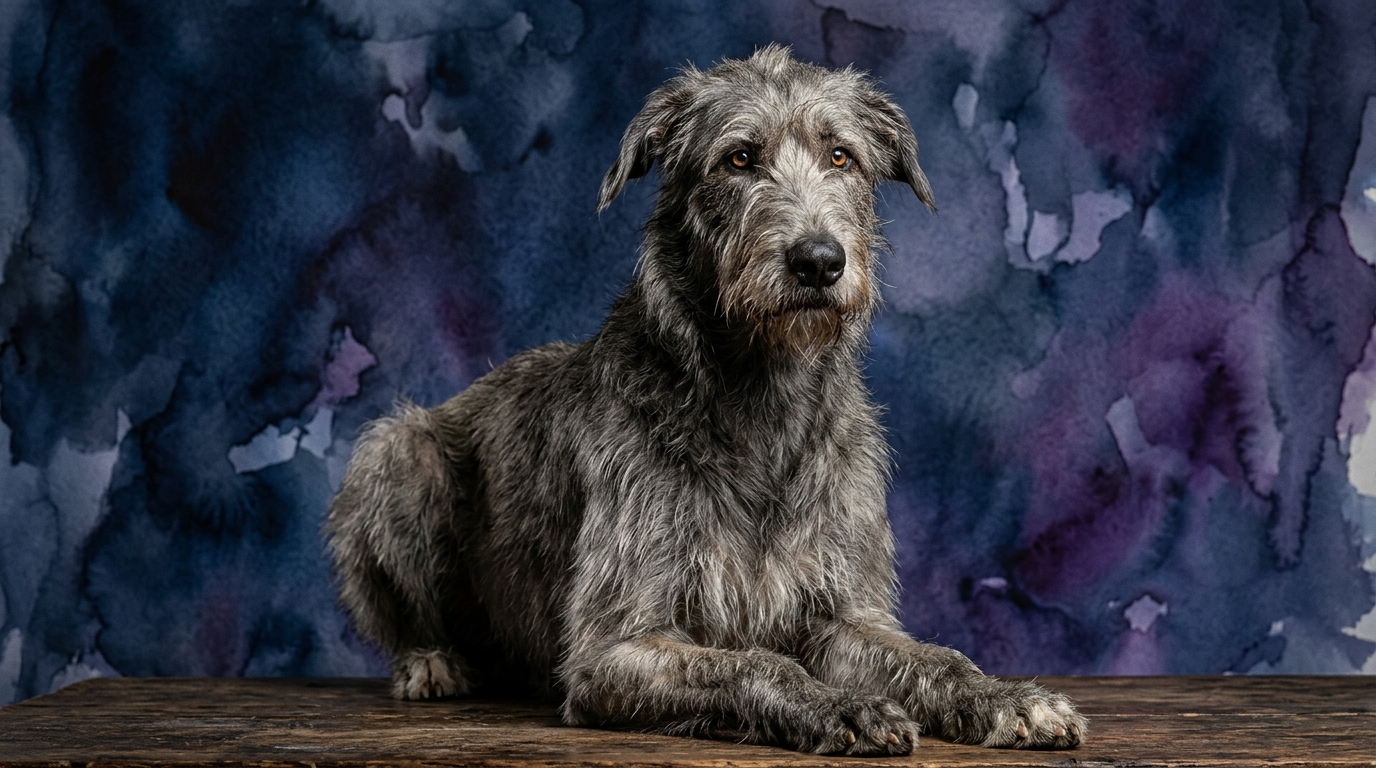
The Cosmic Pet Pet IQ Lab provides a granular view into canine cognition, assessing five key dimensions. For the Irish Wolfhound, a breed steeped in ancient sighthound tradition, its profile shows a consistent '3/5' across Problem Solving, Training Speed, Social Intelligence, Instinctive Drive, and Memory. This suggests a balanced, steady cognitive approach; their Problem Solving at 3/5 indicates a moderate capacity for independent thought when faced with novel challenges, often relying on learned patterns or instinct rather than spontaneous strategizing. Their Training Speed, also 3/5, points to a measured pace in acquiring new commands, requiring patient and consistent instruction. Social Intelligence at 3/5 implies a solid, but not exceptional, understanding of human cues and emotional states, making them generally agreeable companions. An Instinctive Drive of 3/5, for a sighthound, indicates a present but perhaps not overwhelming urge to pursue, while their Memory, rated 3/5, means they retain information and routines adequately but might require refreshers.
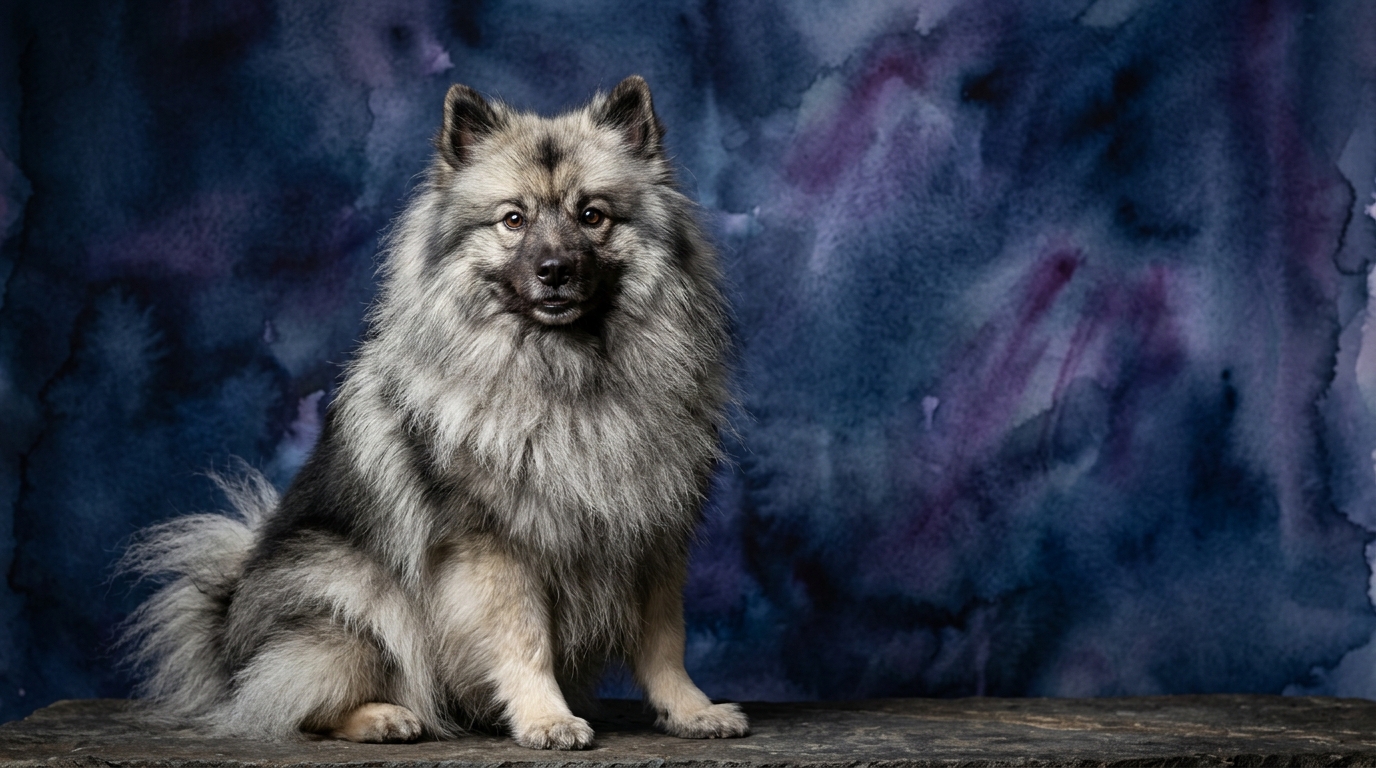
In contrast, the Keeshond, a lively non-sporting companion, presents a distinct cognitive signature. Its Problem Solving is rated 4/5, signifying a good capacity for independent thought and ingenuity in navigating new situations. Training Speed also scores 4/5, reflecting a quicker grasp of new commands and a generally responsive demeanor. Social Intelligence matches the Irish Wolfhound at 3/5, suggesting a similar level of understanding human emotional landscapes. Their Instinctive Drive is also 3/5, reflecting a moderate expression of their historical roles, such as alert barking or companion interaction. However, the Keeshond truly stands out with a remarkable Memory score of 5/5, indicating an exceptional ability to recall past experiences, training, and routines over extended periods.
Where Irish Wolfhound Wins Cognitively
While the Irish Wolfhound’s scores appear moderate compared to the Keeshond’s peaks, their cognitive profile offers unique advantages, particularly for specific living situations. The consistent 3/5 across all dimensions speaks to a balanced, predictable temperament. For instance, their Problem Solving at 3/5 means they are less likely to be constantly testing boundaries or devising elaborate schemes to achieve their desires, a trait that can be taxing in more cognitively agile breeds. This moderation translates into a more straightforward interaction style, where expectations are often met with a calm, considered response rather than an immediate, inventive workaround. Furthermore, their Instinctive Drive at 3/5, especially for a sighthound, suggests a more manageable prey drive compared to breeds with higher scores in this category. While the instinct to chase is present, it might be less intense or more easily interrupted, making off-leash excursions in appropriate environments potentially less fraught with high-speed disappearances. This steady, less intense cognitive engagement can be a significant advantage for owners who prefer a companion whose internal world is less frenetic and more aligned with a serene household pace, requiring less constant mental redirection or challenge. Their steadfastness, rather than quick-wittedness, becomes their cognitive triumph, offering a comforting reliability.
Where Keeshond Wins Cognitively
The Keeshond's cognitive strengths shine brightly in areas demanding mental agility and information retention, painting a picture of a clever and responsive companion. Their Problem Solving score of 4/5 indicates a strong propensity for independent thought and adaptability. This means a Keeshond is more likely to figure out how to open a cupboard, manipulate a puzzle toy, or even understand complex sequences of events, demonstrating an intrinsic curiosity and a drive to understand their environment. This active mental approach makes them engaging partners in daily life, often anticipating routines or even trying to 'help' with tasks. The Keeshond's Training Speed, also at 4/5, synergizes perfectly with their problem-solving capabilities, allowing them to grasp new commands and concepts with impressive rapidity. Owners often report that Keeshonds pick up tricks and obedience cues after only a few repetitions, making training sessions productive and rewarding. The most striking cognitive advantage for the Keeshond, however, is their exceptional Memory, scoring a perfect 5/5. This superior recall means they not only learn quickly but also retain that information over extensive periods. A command learned months ago will likely be remembered, and their ability to recall complex routines or the location of favorite toys is pronounced. These combined traits make the Keeshond a mentally stimulating companion, always ready for a new intellectual challenge.
Which is Easier to Train and Why
When considering ease of training, the Keeshond generally presents a smoother path for most owners, primarily due to their superior scores in Training Speed and Memory. A Keeshond's 4/5 Training Speed means they absorb new commands and associate actions with cues quickly, often showing enthusiasm for the learning process itself. Paired with a 5/5 Memory, once a Keeshond learns something, it tends to stick, reducing the need for constant reteaching. This means less repetition for the owner and faster progress in obedience or trick training. Their problem-solving ability (4/5) also plays a role; they often seem to 'understand' the objective of a task and work towards it, rather than just mechanically repeating actions. For example, teaching a Keeshond a multi-step routine might involve fewer breakdowns and more fluid progression. In contrast, the Irish Wolfhound, with a 3/5 in both Training Speed and Memory, requires a more patient and consistent approach. While they are certainly capable of learning, they may take longer to grasp new concepts and might need more frequent refreshers to solidify their understanding. Their sighthound heritage, even with a moderate 3/5 Instinctive Drive, can mean that visual distractions, particularly moving objects, might momentarily override their focus during training sessions, demanding a trainer who can maintain engagement and manage the environment effectively. While the Irish Wolfhound is agreeable, their learning curve is steadier, meaning owners need to embrace repetition and celebrate incremental progress. The Keeshond's cognitive profile makes them more naturally inclined to engage with and excel in structured training.
Which Suits Active Owners vs. Relaxed Owners
The suitability for active versus relaxed owners hinges significantly on how each breed's cognitive profile translates into daily needs and energy levels. For owners who are 'active' in the sense of seeking a mentally engaged and responsive companion, the Keeshond is often an excellent fit. Their 4/5 Problem Solving and 5/5 Memory mean they thrive on mental stimulation, enjoying training, puzzle toys, and interactive games that challenge their intellect. While not extreme athletes, they require consistent, moderate physical exercise coupled with ample mental engagement to prevent boredom, which their ingenuity might otherwise channel into less desirable 'problem-solving' around the house. An active owner for a Keeshond is one who enjoys teaching new skills, engaging in dog sports like agility or rally, or simply incorporating mental challenges into daily walks. Conversely, the Irish Wolfhound, despite its imposing size, often aligns better with 'relaxed' owners in terms of mental and physical intensity. Their consistent 3/5 scores suggest a less frenetic internal drive; they are not typically seeking constant mental challenges or high-octane physical output once their moderate exercise needs are met. While they certainly benefit from regular, deliberate walks and the occasional opportunity to stretch their long legs in a secure area, their indoor demeanor is often calm and dignified. A relaxed owner for an Irish Wolfhound is one who appreciates a serene presence, is patient with a steady learning pace, and enjoys quiet companionship after a good stretch of the legs. They are less likely to invent their own entertainment out of boredom, preferring to observe or rest.
The Verdict
If you appreciate a calm, predictable companion with a steady learning pace and a less demanding mental footprint, an Irish Wolfhound will gracefully fit into your life, offering dignified loyalty and a serene presence.
Conversely, if you seek a lively, mentally agile dog eager to learn, quick to remember, and capable of independent thought, a Keeshond will thrive with your interactive approach, providing endless curiosity and responsive companionship.
🧠 Find Your Pet's IQ Score
Our Pet IQ Lab assessment covers 25+ tests across 5 cognitive dimensions — personalized to your breed.
Take the Full IQ Test →Frequently Asked Questions
Do Irish Wolfhounds need a lot of mental stimulation?
Irish Wolfhounds, with their moderate problem-solving and memory scores, benefit from consistent training and engagement but don't typically demand the intense, constant mental challenges some breeds do. Regular walks, clear routines, and patient training are usually sufficient to keep their minds content.
Are Keeshonds prone to destructive behaviors if not mentally stimulated?
With a 4/5 in problem-solving and 5/5 in memory, Keeshonds are mentally agile and can become bored if not adequately stimulated. This boredom might lead them to creatively solve their own entertainment, which could manifest as undesirable behaviors like excessive barking or exploring forbidden areas.
How do their social intelligence scores compare in practical terms?
Both breeds scored 3/5 in social intelligence, suggesting they possess a solid, functional understanding of human emotional states and cues. Practically, this means both will generally be good family companions, responding appropriately to basic human interactions, though neither is noted for exceptional nuance in interpreting complex social dynamics compared to some breeds.