Side-by-Side IQ Profile: Interpreting Identical Scores
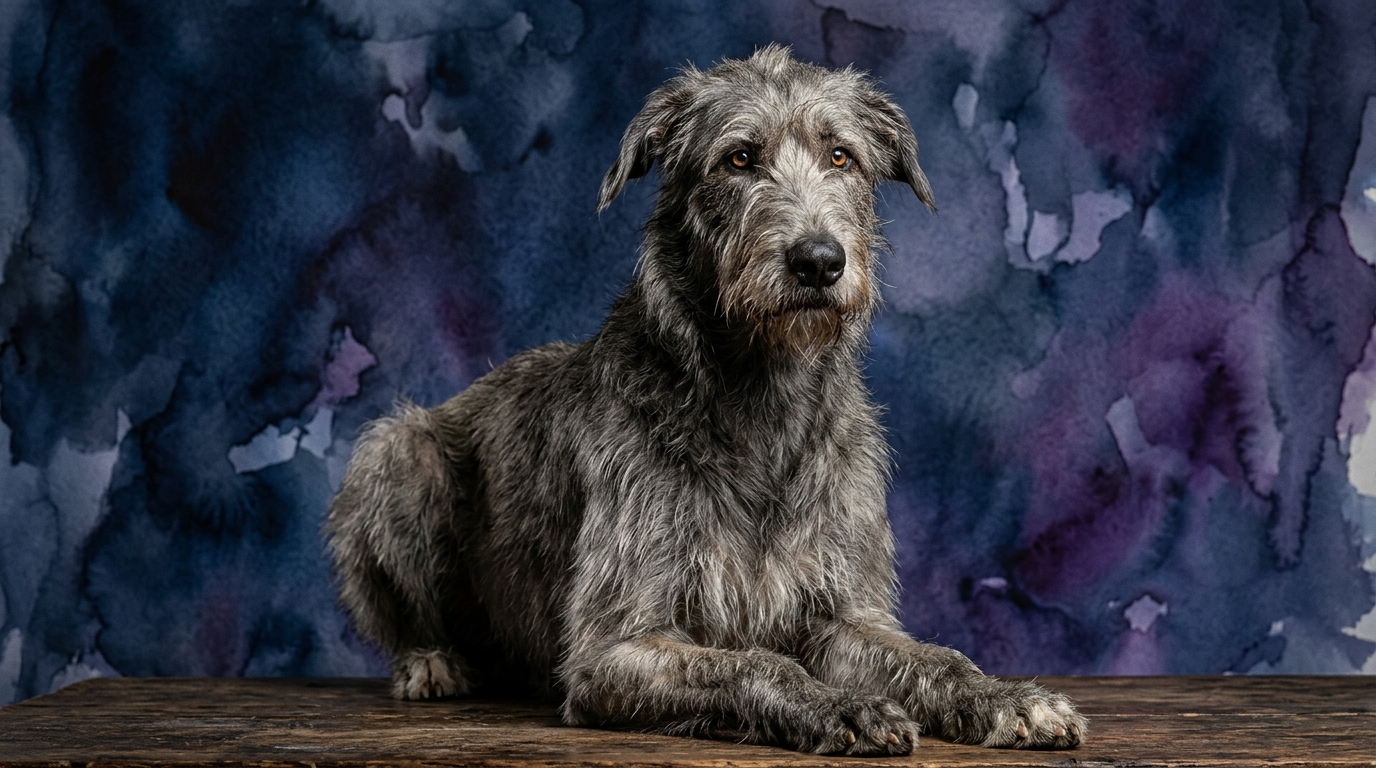
**Irish Wolfhound (Problem Solving 3/5, Training Speed 3/5, Social Intelligence 3/5, Instinctive Drive 3/5, Memory 3/5):** The Irish Wolfhound’s problem-solving often manifests in their ability to adapt to varying home environments and understand complex human routines, such as discerning when a family member needs comfort or space. Their training speed reflects a capacity to grasp new commands, though their independent hound spirit means they evaluate the worth of complying. Social intelligence shines in their generally calm demeanor with family and respectful interaction with strangers, often reading subtle cues. Their instinctive drive is primarily sight-based, honed for spotting and pursuing large game, yet often managed within a domestic context. Memory serves them well in recalling learned behaviors and familiar faces, contributing to their consistent companionship.
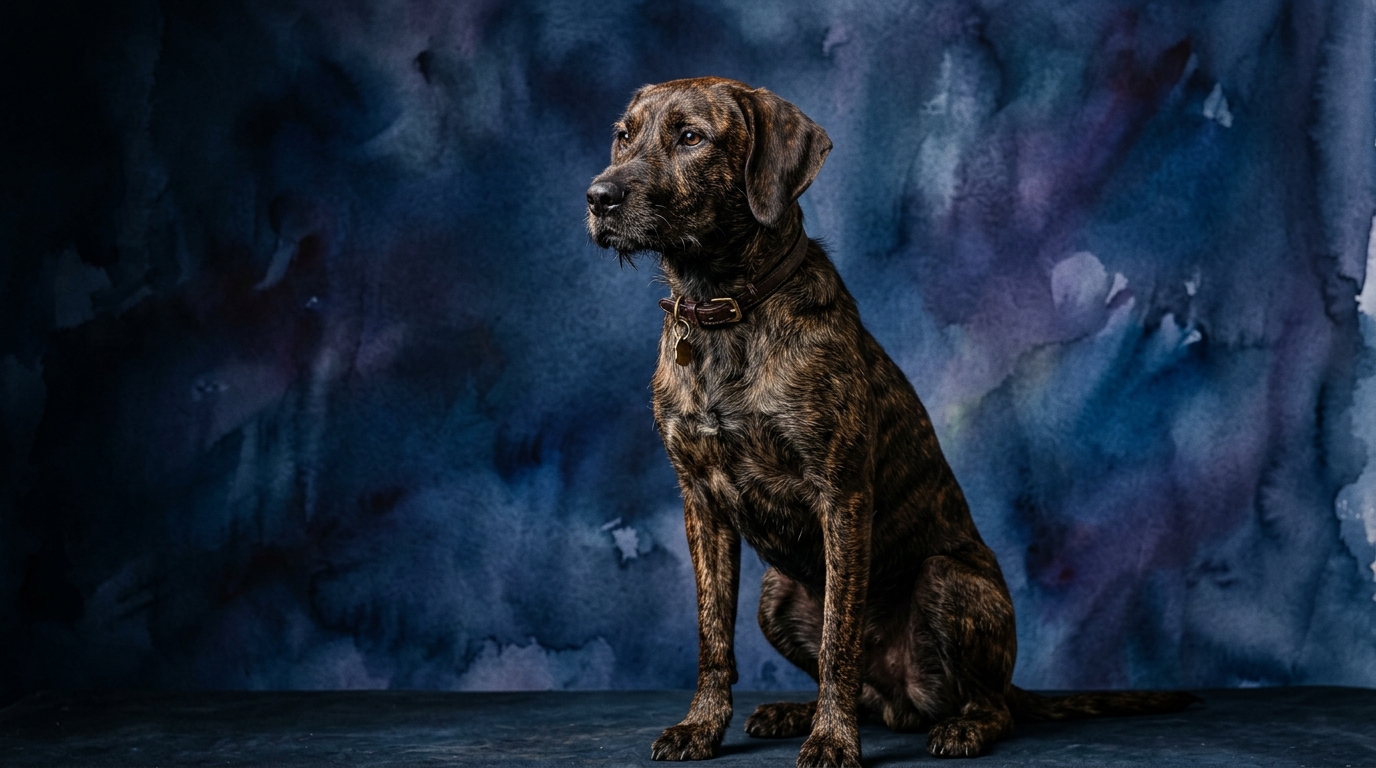
**Plott Hound (Problem Solving 3/5, Training Speed 3/5, Social Intelligence 3/5, Instinctive Drive 3/5, Memory 3/5):** For the Plott Hound, problem-solving is deeply tied to their hunting heritage, specifically navigating intricate terrain and deciphering complex scent puzzles to track game. Their training speed indicates an ability to learn tasks, but this is often overshadowed by their intense focus on scent, requiring highly motivating methods to keep their attention on human instruction. Social intelligence typically involves a strong bond with their immediate family, though they can be reserved or intensely focused away from their human pack when a scent is present. Their instinctive drive is overwhelmingly scent-based, a relentless pursuit of a trail that overrides most other stimuli. Memory is exceptional for recalling scent patterns, successful hunting strategies, and the layout of their territory, crucial for their working role.
Where the Irish Wolfhound Excels Cognitively
The Irish Wolfhound's cognitive strengths often lie in their nuanced social perception and adaptability within varied human environments. While both breeds score 3/5 in social intelligence, the Wolfhound's historical role as a companion and guardian, rather than solely a hunter, has likely fostered a greater sensitivity to human emotional states and household dynamics. They demonstrate a subtle understanding of family routines and a remarkable ability to integrate themselves seamlessly into diverse living situations, often acting as calm, observant members of the household. Their problem-solving, though rated equally at 3/5, tends to lean towards navigating complex social interactions or discerning appropriate behavior in different settings, rather than purely physical or instinct-driven challenges. This manifests as a thoughtful approach to new people or situations, evaluating them with a quiet dignity before engaging. Their memory of social cues and past interactions allows them to build deep, consistent bonds, making them particularly adept at forming stable, long-term relationships with their human companions. This gentle, yet discerning, cognitive style makes them masters of domestic harmony.
Where the Plott Hound Shines Cognitively
The Plott Hound's cognitive advantages are profoundly rooted in their specialized working heritage, particularly in areas demanding relentless focus and intricate sensory processing. While both share a 3/5 problem-solving score, the Plott's prowess shines in its ability to break down complex scent trails and overcome environmental obstacles with singular determination. Their problem-solving isn't about social nuance but about the practical, physical challenges of the hunt: how to cross a stream without losing a track, or how to navigate dense underbrush while maintaining focus on a fading scent. This translates into an exceptional capacity for sustained concentration on a single task, a cognitive tenacity that is difficult to rival. Their instinctive drive, also 3/5, is a powerful engine for this type of cognitive work; it's a deep-seated compulsion to follow, analyze, and pursue, which fuels their remarkable resilience. Their memory, while also 3/5, is particularly acute for scent patterns and geographical layouts encountered during their pursuits, enabling them to recall and build upon past experiences in the field. This breed excels when presented with a singular, compelling task that engages their profound sensory and pursuit-driven intelligence.
Training Ease: Behavioral Differences Matter
Despite both breeds carrying a 3/5 rating for training speed, their inherent behavioral differences significantly impact the ease of training. The Irish Wolfhound, while possessing an independent hound streak, often displays a greater willingness to work alongside their human companions due to their long history as integrated family members. Their training challenges typically stem from their sheer size and potential for stubbornness, requiring consistency and positive reinforcement rather than intense battles of will. They are generally responsive to reward-based methods and can learn a wide array of commands, particularly if the training is engaging and builds upon their desire for connection. In contrast, the Plott Hound's training presents a more significant hurdle, primarily due to their overwhelming instinctive drive for scent work. While they are capable of learning quickly, their single-minded focus on a compelling scent can make recall and obedience in distracting environments incredibly challenging. Their attention is easily diverted by the external world's olfactory tapestry, demanding an owner who can make training more rewarding than any scent trail. Success with a Plott often requires highly specialized training that either leverages their drive or provides exceptionally high-value motivation to override it, making them generally more demanding for a novice trainer compared to the more socially-oriented Wolfhound.
Matching Canine Cognition to Owner Lifestyles
When considering lifestyle compatibility, the distinctions between these two hounds become quite clear. The Irish Wolfhound, despite its impressive stature, can surprisingly suit owners who appreciate a balance of activity and calm. While they require regular, moderate exercise to maintain their health and prevent boredom—think daily long walks or secure off-leash romps—they are equally content to lounge gracefully indoors, often becoming an impressive fixture on the couch. Their moderate instinctive drive (3/5) means they can often be satisfied with less intense, sustained 'work' compared to a true working hound. They thrive with owners who can provide consistent companionship and a predictable routine, valuing quiet presence as much as physical activity. In stark contrast, the Plott Hound is unequivocally suited for active owners. Their profound instinctive drive (3/5), primarily centered around scent and pursuit, necessitates significant daily outlets for their energy and cognitive engagement. These are dogs who need a 'job,' whether it's extensive hiking, scent work, agility, or consistent, vigorous play. A relaxed owner unable to meet their high demands for physical and mental stimulation will likely find a Plott Hound restless, vocal, and potentially destructive. They require an owner who understands and embraces their tenacious, energetic nature, ready for adventure and consistent engagement.
The Verdict
Choose the Irish Wolfhound if you seek a gentle giant companion who integrates thoughtfully into family life, offering quiet presence and a nuanced understanding of social dynamics, provided you can accommodate their size and moderate exercise needs. They are ideal for owners who appreciate a dignified, calm presence and can provide consistent, positive training that builds on a desire for connection.
Opt for the Plott Hound if you are an active, experienced owner ready to engage with a dog of relentless drive and singular focus, particularly passionate about scent work or outdoor adventures. They are best for individuals who can channel their tenacious problem-solving and profound instinctive drive into productive activities, thriving on consistent mental and physical challenges.
🧠 Find Your Pet's IQ Score
Our Pet IQ Lab assessment covers 25+ tests across 5 cognitive dimensions — personalized to your breed.
Take the Full IQ Test →Frequently Asked Questions
Are Irish Wolfhounds good apartment dogs?
While their calm indoor demeanor might suggest it, their immense size and need for space to stretch out make apartments challenging. They require ample room to move without knocking things over and access to a secure outdoor area for exercise, making a house with a yard generally more suitable.
How much exercise does a Plott Hound need daily?
Plott Hounds require a significant amount of exercise, typically at least 60-90 minutes of vigorous activity daily. This could include long runs, intense games of fetch, hiking, or dedicated scent work sessions to satisfy their high energy and instinctive drive.
Do Irish Wolfhounds and Plott Hounds get along with children?
Irish Wolfhounds are generally known for their gentle and patient nature with children, though their large size always necessitates supervision to prevent accidental bumps. Plott Hounds can be very devoted to their family children but might be more boisterous in play and require careful introduction, especially if their prey drive is strong.