Side-by-Side IQ Profile: Unpacking Identical Scores
The Cosmic Pet Pet IQ Lab assigns both the Irish Wolfhound and the Polish Lowland Sheepdog a consistent 3/5 across all five measured cognitive dimensions. While these scores suggest a moderate baseline for each trait, their manifestation is profoundly influenced by their breed groups – Hound versus Herding. Understanding this nuance is key to appreciating their individual forms of cognitive engagement.
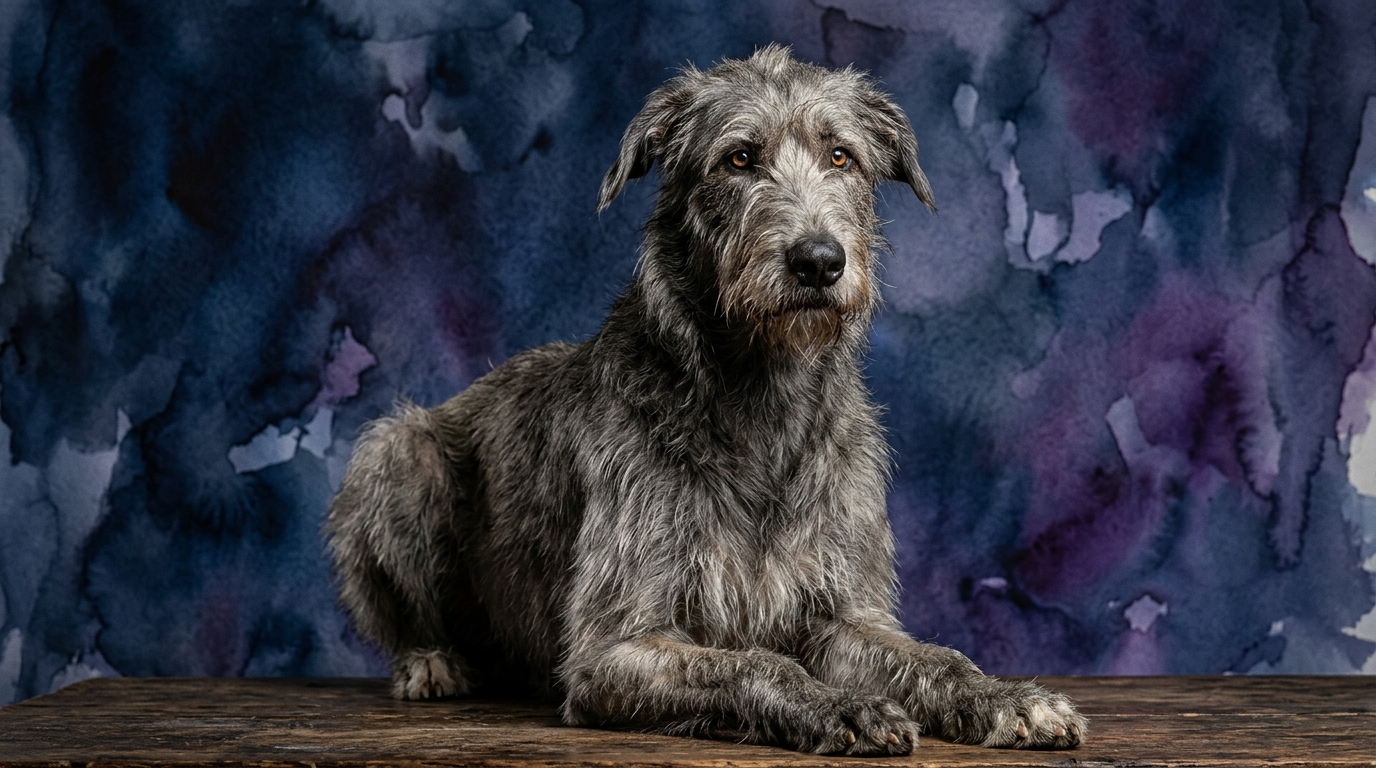
For the Irish Wolfhound, a Problem Solving score of 3/5 reflects a methodical, often independent approach to challenges. They are not typically quick to devise complex, multi-step solutions to abstract puzzles, but excel in persistent, sensory-driven problem-solving, such as tracking a scent over varied terrain or patiently navigating obstacles to reach a desired object. Their solutions are often direct and less about intricate manipulation. A Training Speed of 3/5 indicates they are capable learners, but their independent hound spirit means they may not always be eager to repeat tasks or generalize commands quickly. Motivation must be high-value, and training sessions benefit from variety to prevent boredom. Their Social Intelligence at 3/5 suggests they are observant and capable of forming deep bonds with their family, often displaying a calm, gentle demeanor. They may not always be highly attuned to subtle human emotional shifts beyond direct interactions, preferring a more stoic presence. An Instinctive Drive of 3/5 is deeply rooted in their sighthound heritage; this manifests as a strong, focused drive for pursuit and chase, particularly of moving objects. This drive is less about interaction and more about the thrill of the hunt. Finally, a Memory score of 3/5 means they retain learned commands, routines, and positive or negative experiences reasonably well, contributing to their generally predictable and reliable nature within a familiar environment.
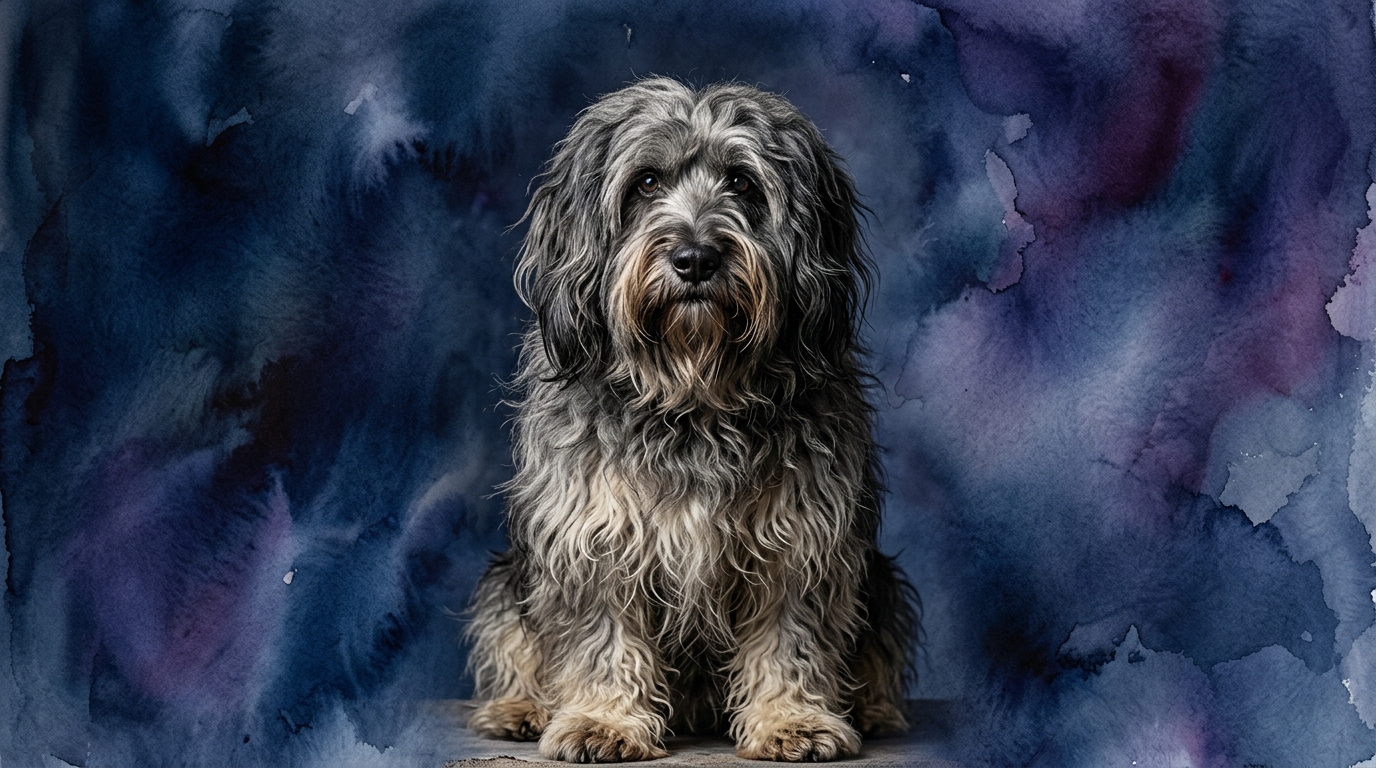
The Polish Lowland Sheepdog, also scoring 3/5 in all dimensions, presents a different cognitive tapestry. Their Problem Solving at 3/5 often involves resourceful navigation of their environment and dynamic situations, particularly in managing space or 'herding' family members. They can be adept at figuring out how to open gates or access forbidden areas, demonstrating a practical, often manipulative intelligence aimed at achieving a goal. A Training Speed of 3/5 for the PLSD means they learn at a moderate pace, often eager to engage in structured activities and please their people. However, their strong-willed, opinionated nature means they can also be challenging, requiring consistent, clear guidance and a trainer who understands their innate desire to 'manage.' Their Social Intelligence at 3/5 is characterized by keen observation of family dynamics and moods; they are often highly sensitive and can anticipate human actions. While deeply bonded, they can be reserved or even wary of strangers, reflecting their guardian instincts. An Instinctive Drive of 3/5 is powerfully expressed through their herding tendencies: circling, nipping, and gathering. This drive is not just about pursuit but about control and protection of their 'flock.' Lastly, their Memory at 3/5 is robust, particularly for complex sequences, people, and past interactions. They tend to remember training cues, social boundaries, and even past perceived injustices, making consistent positive reinforcement crucial for their long-term learning.
Where the Irish Wolfhound Wins Cognitively
The Irish Wolfhound's cognitive strengths shine in areas demanding calm, independent judgment and sensory-driven persistence. Their 3/5 in Problem Solving, combined with their instinctive drive, means they are exceptional at tasks requiring sustained focus on a visual or olfactory cue, such as following a trail or patiently scanning a horizon for movement. They exhibit a unique cognitive resilience, often less prone to anxiety or overthinking in novel situations, preferring to observe and react with measured deliberation. This translates to a steady, reliable presence, less likely to become flustered by unexpected changes, relying on their good memory for established routines and safe spaces.
Where the Polish Lowland Sheepdog Wins Cognitively
The Polish Lowland Sheepdog excels in dynamic, interactive cognitive challenges, reflecting their herding heritage. Their 3/5 in Social Intelligence and Problem Solving manifests as a keen ability to read and influence the movement and behavior of their 'flock,' whether livestock or family members. They demonstrate a resourceful, adaptive intelligence, often thinking on their feet to manage situations or find creative solutions to perceived problems, like moving a toy to a specific spot. Their strong memory for complex social cues and sequences allows them to anticipate events and respond proactively, making them highly engaged and often anticipatory companions.
Which is Easier to Train and Why
When considering ease of training, the distinction isn't about raw learning speed, as both score 3/5, but about the *nature* of their drives and how they respond to guidance. The Polish Lowland Sheepdog, with its inherent desire to work and manage, can appear 'easier' to train for owners who understand and harness their herding instinct. They often thrive on having a job and respond well to consistent, structured training that challenges their problem-solving abilities, though their opinionated nature means they need a firm, fair hand to prevent them from 'herding' their trainer. Their social intelligence and memory for sequences allow them to master complex commands, provided the motivation is strong and the training is engaging.
In contrast, the Irish Wolfhound's independent hound nature, reflected in their 3/5 Training Speed, means they are not inherently driven by a need to 'work' for human direction in the same way. While they learn commands, their motivation often wanes with repetition, and distractions like scents or sights can easily derail focus. Training requires immense patience, understanding of their independent spirit, and high-value rewards tailored to their preferences. They are less likely to challenge authority directly but may simply choose not to comply if they don't see the point or are bored. Therefore, for an owner seeking a dog eager for structured tasks and quick to respond to cues, the Polish Lowland Sheepdog might feel 'easier,' provided the owner provides clear leadership, while the Irish Wolfhound demands a more nuanced, patient, and less demanding approach to obedience.
Which Suits Active Owners vs. Relaxed Owners
The cognitive profiles of these breeds strongly influence their suitability for different lifestyles. The Irish Wolfhound, despite its size, generally suits more relaxed owners who appreciate a calm, gentle giant. While they require regular exercise to maintain health, their cognitive engagement is less about constant mental tasks and more about comfortable companionship, occasional sensory exploration, and a predictable routine. Their independent problem-solving and moderate social drive mean they are content to observe and be present, rather than constantly seeking direction or a 'job.' They thrive in homes that offer ample space and a serene environment, where their memory for routines ensures a stable existence.
The Polish Lowland Sheepdog, conversely, is an ideal match for active owners who relish engaging with their dog's keen intelligence and strong drives. Their 3/5 scores in problem-solving, training speed, and instinctive drive mean they crave mental stimulation, consistent training, and regular vigorous exercise. Owners must be prepared to provide a 'job,' whether through advanced obedience, agility, herding games, or puzzle toys, to satisfy their cognitive needs and strong memory for tasks. A PLSD without sufficient mental and physical outlets can become bored and channel their problem-solving and herding drives into less desirable behaviors, making them a demanding but incredibly rewarding companion for a hands-on owner.
The Verdict
Choose the Irish Wolfhound if you appreciate a calm, independent companion who offers steady presence and moderate engagement, thriving in a peaceful home with thoughtful, patient guidance.
Opt for the Polish Lowland Sheepdog if you are an active, hands-on owner eager to channel a dog's keen, adaptable intelligence and strong working drives into structured activities and consistent training.
🧠 Find Your Pet's IQ Score
Our Pet IQ Lab assessment covers 25+ tests across 5 cognitive dimensions — personalized to your breed.
Take the Full IQ Test →Frequently Asked Questions
Do Irish Wolfhounds respond well to positive reinforcement?
Yes, Irish Wolfhounds respond very well to positive reinforcement. Their 3/5 memory means they retain positive associations, and their gentle nature thrives on encouragement and high-value rewards that appeal to their independent spirit, making training effective when motivation is key.
How does the Polish Lowland Sheepdog's herding drive impact their social intelligence?
The Polish Lowland Sheepdog's 3/5 herding drive profoundly shapes their 3/5 social intelligence, making them highly observant and anticipatory of family movements and dynamics. They often attempt to 'manage' or 'gather' their human family, demonstrating a keen awareness of their environment and a desire for control within their social group.
Are either of these breeds suitable for first-time dog owners?
Both breeds can be challenging for first-time owners due to their unique cognitive profiles and needs. The Irish Wolfhound requires understanding of its immense size and independent nature, while the Polish Lowland Sheepdog demands consistent leadership and significant mental/physical engagement to prevent boredom and manage its strong drives.