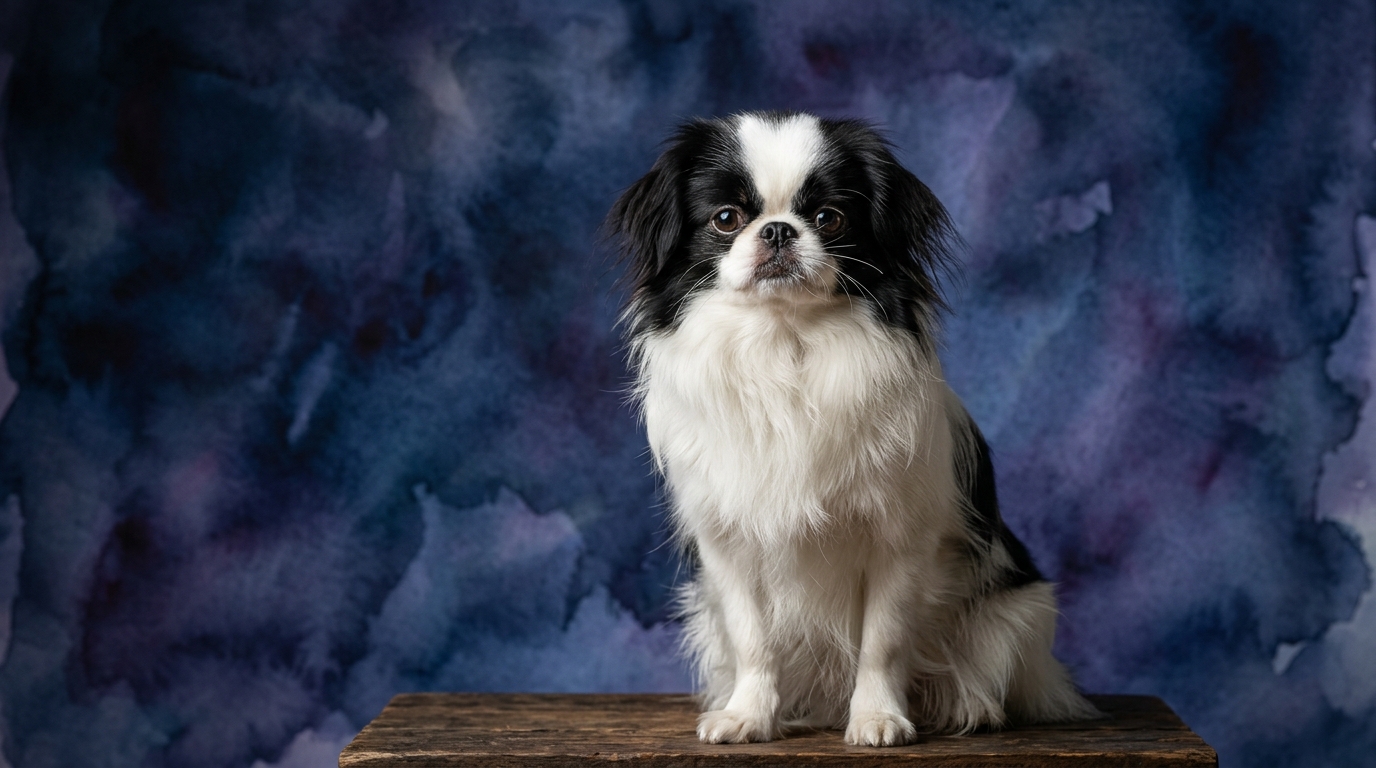
Side-by-Side IQ Profile: Japanese Chin
The Japanese Chin, a breed steeped in companionship, applies its Problem Solving (3/5) skills to navigating social dynamics, understanding how to solicit attention or treats, or finding the most comfortable sunbeam. Their intellect is often geared towards achieving comfort and interaction within their human family, rather than complex environmental puzzles.
Their Training Speed (3/5) indicates they learn quickly with positive reinforcement, but their independent streak means they may choose to comply only if they perceive a clear benefit or if the training is engaging and gentle. Consistency is paramount, as they can be sensitive to harsh methods, potentially leading them to disengage.
Social Intelligence (3/5) in the Chin is profoundly expressed through their empathy; they are highly attuned to human emotions, often anticipating moods and offering comfort without prompting. They can be reserved with strangers, indicating a discerning social awareness focused primarily on their trusted inner circle.
While not a working breed, their Instinctive Drive (3/5) manifests as a moderate urge for play and interaction, sometimes exhibiting a gentle 'hunting' instinct for soft toys. Fundamentally, their primary drive is social connection and seeking comfort within their established family unit.
Memory (3/5) allows them to retain routines, commands, and past experiences with remarkable clarity, particularly those associated with positive interactions or perceived slights. They are adept at remembering who provides the best cuddles and where favored treats are typically stored.
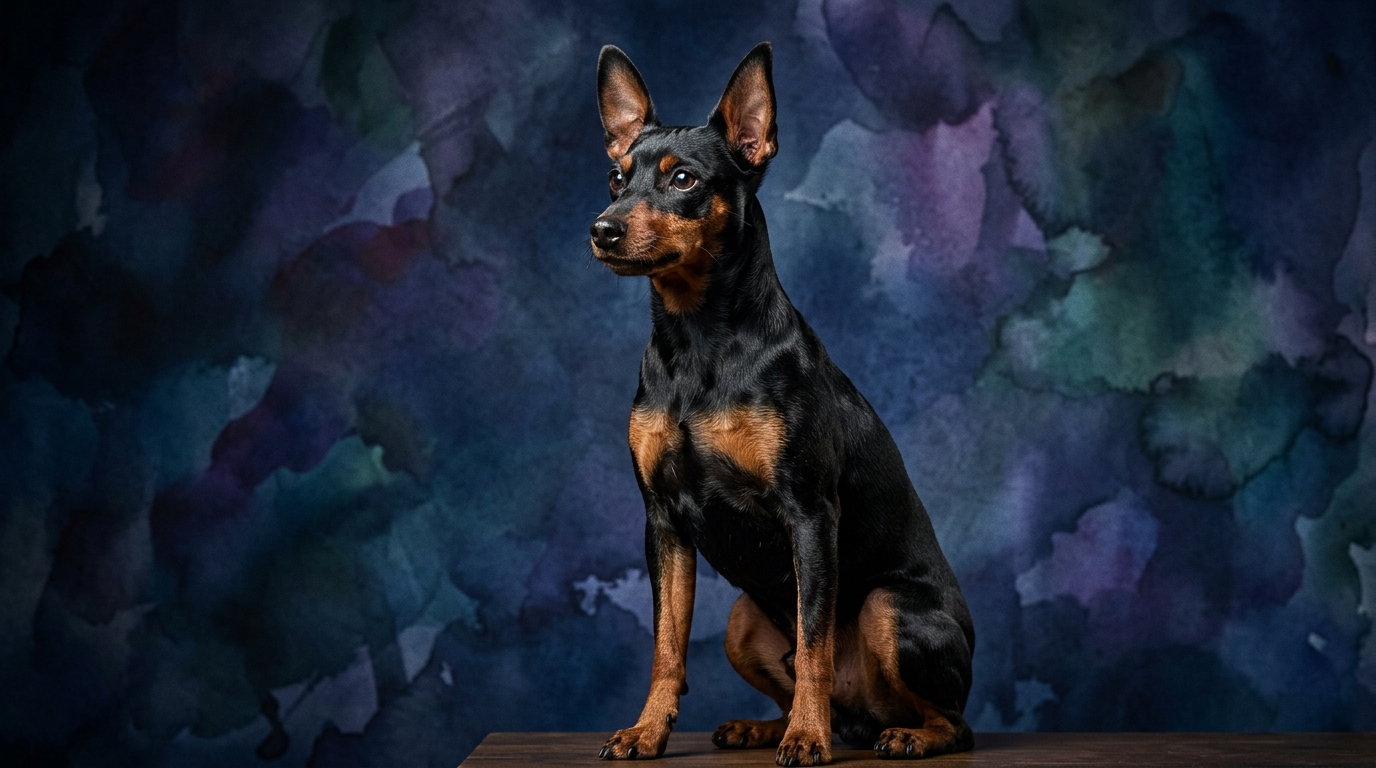
Side-by-Side IQ Profile: Miniature Pinscher
The Miniature Pinscher often directs its Problem Solving (3/5) skills towards exploring its environment, figuring out how to bypass barriers, or outsmarting perceived challenges. Their mental agility serves their active, curious, and often tenacious nature, always seeking to understand and navigate their surroundings.
Their Training Speed (3/5) is quick, but their energetic and assertive personalities mean training requires consistency, firm but fair leadership, and engaging methods to hold their attention. Distractions can easily sidetrack them, demanding a focused and patient handler.
Min Pins exhibit Social Intelligence (3/5) through their vigilance and assertiveness, frequently serving as effective, albeit small, watchdogs. They form strong bonds with their families but can be wary or even pushy with strangers, reflecting a protective and boundary-setting social dynamic.
Possessing a strong Instinctive Drive (3/5), they are often compelled to chase small animals or objects and exhibit natural patrolling behaviors. Their instincts are geared towards vigilance, activity, and an assertive 'big dog in a small body' demeanor.
Memory (3/5) in the Min Pin is robust for commands, routines, and especially for perceived threats or areas of interest within their territory. This cognitive trait significantly aids their watchdog tendencies and their ability to effectively navigate and secure their perceived domain.
Where Japanese Chin Wins Cognitively
The Japanese Chin’s cognitive strengths particularly shine in environments that prioritize emotional connection and subtle communication. Their social intelligence, rated 3/5, allows them to be exceptionally empathetic companions, often picking up on their owner's mood shifts and responding with a comforting presence. This sensitivity enables a nuanced level of emotional support, stemming from their ability to 'read' human cues. Their problem-solving (3/5) frequently manifests in clever ways to gain affection or achieve comfort, such as strategically placing themselves for a lap nap or gently nudging a hand for a pet. This isn't about complex physical puzzles, but rather sophisticated social manipulation for positive outcomes within their family unit, reinforced by a keen memory (3/5) for routines leading to desirable interactions.
Where Miniature Pinscher Wins Cognitively
The Miniature Pinscher’s cognitive profile, while sharing identical 3/5 scores, excels in areas requiring vigilance, quick reactions, and independent thought. Their problem-solving (3/5) often manifests in a more physical and exploratory manner, such as devising ways to explore a new area or overcome a gate. This breed uses its intellect to navigate and assert control over its immediate environment, showcasing a tenacious spirit. Their instinctive drive (3/5) is a significant cognitive asset when it comes to alertness and acting as a miniature sentinel; they are quick to notice and react to novel stimuli, demonstrating an acute awareness of their surroundings. This drive, combined with a 3/5 memory, means they quickly learn what constitutes a 'threat' or an interesting target, allowing them to patrol their perceived territory with purpose.
Which Is Easier to Train and Why
While both breeds score 3/5 for training speed, the practical experience of training them diverges significantly due to their behavioral predispositions. The Japanese Chin is generally considered easier to train for basic obedience and house manners, provided the methods are consistently gentle and positive. They are often eager to please their beloved humans and respond well to praise and treats, quickly learning behaviors that earn them affection. Their primary training challenge lies in their potential for independence or a 'what’s in it for me?' attitude, meaning sessions need to be consistently engaging and rewarding to maintain their focus, as they can become sensitive and withdraw if training is too harsh or inconsistent.
The Miniature Pinscher, conversely, can present more challenges despite their quick learning ability. Their robust instinctive drive and independent nature demand a firm, consistent, and confident handler who can establish clear boundaries from the outset. They are prone to stubbornness and can be easily distracted by their environment, especially if their prey drive is activated. Training a Min Pin often requires more patience, creativity, and a strong understanding of canine behavior to channel their boundless energy and assertive personality into desired actions. While they grasp commands quickly, ensuring reliable execution in various environments demands dedicated effort to overcome their strong-willed nature and tendency to test limits.
Which Suits Active Owners vs. Relaxed Owners
For owners seeking a relaxed, devoted companion, the Japanese Chin is often the more suitable choice. While they enjoy moderate play and short walks, their primary joy comes from close companionship and being an integral part of their human's daily life. Their problem-solving skills are frequently applied to finding the best lap or sunbeam, and their social intelligence makes them content with quiet evenings at home. They thrive in environments where they receive consistent affection and gentle interaction, making them ideal for individuals or families who appreciate a calm, affectionate presence and are happy with less strenuous daily activities.
Conversely, the Miniature Pinscher is an excellent match for active owners who can provide ample mental and physical stimulation. Their robust instinctive drive and problem-solving abilities demand significant outlets for their energy, whether through structured play, agility training, or regular adventurous walks. They are always on the go, keen to explore, and require owners who can match their zest for life and provide consistent guidance to prevent boredom-induced mischief. Their social intelligence, while strong, is often expressed through protective vigilance, meaning they thrive with owners who can integrate them into an active lifestyle while also managing their assertive tendencies. They need purpose and activity to be well-adjusted, making them less suited for purely sedentary lifestyles.
The Verdict
If you seek a sensitive, devoted companion who thrives on close emotional bonds, appreciates a calm home environment, and whose intelligence shines in empathetic connection and gentle interaction, the Japanese Chin is an ideal choice.
If you are an active individual or family looking for an energetic, assertive, and vigilant companion who thrives on mental and physical challenges, and whose intelligence is best expressed through exploration and confident self-possession, the Miniature Pinscher will be a rewarding match.
🧠 Find Your Pet's IQ Score
Our Pet IQ Lab assessment covers 25+ tests across 5 cognitive dimensions — personalized to your breed.
Take the Full IQ Test →Frequently Asked Questions
Do Japanese Chins or Miniature Pinschers bark a lot?
Japanese Chins can be vocal, often using various sounds beyond barking to communicate their needs or express joy, but they are not typically excessive barkers. Miniature Pinschers, due to their vigilant nature, are generally more prone to barking at perceived threats or novel stimuli, making them effective watchdogs but sometimes requiring training to manage their vocalizations.
Are these breeds good with children?
Japanese Chins can be good with older, respectful children who understand how to interact gently with a small, sensitive dog, as they can be overwhelmed by rough play. Miniature Pinschers can tolerate children if raised with them, but their assertive nature means they need supervision to ensure interactions are positive and that the Min Pin doesn't try to 'boss' younger children around.
How much exercise do these breeds need daily?
Japanese Chins require moderate exercise, typically satisfied with a couple of short walks or indoor play sessions daily to maintain their well-being. Miniature Pinschers are significantly more active, needing at least 30-60 minutes of vigorous exercise daily, including walks, playtime, or structured activities like agility, to channel their high energy and instinctive drives.