Side-by-Side IQ Profile: Unpacking the Nuances of '3/5'
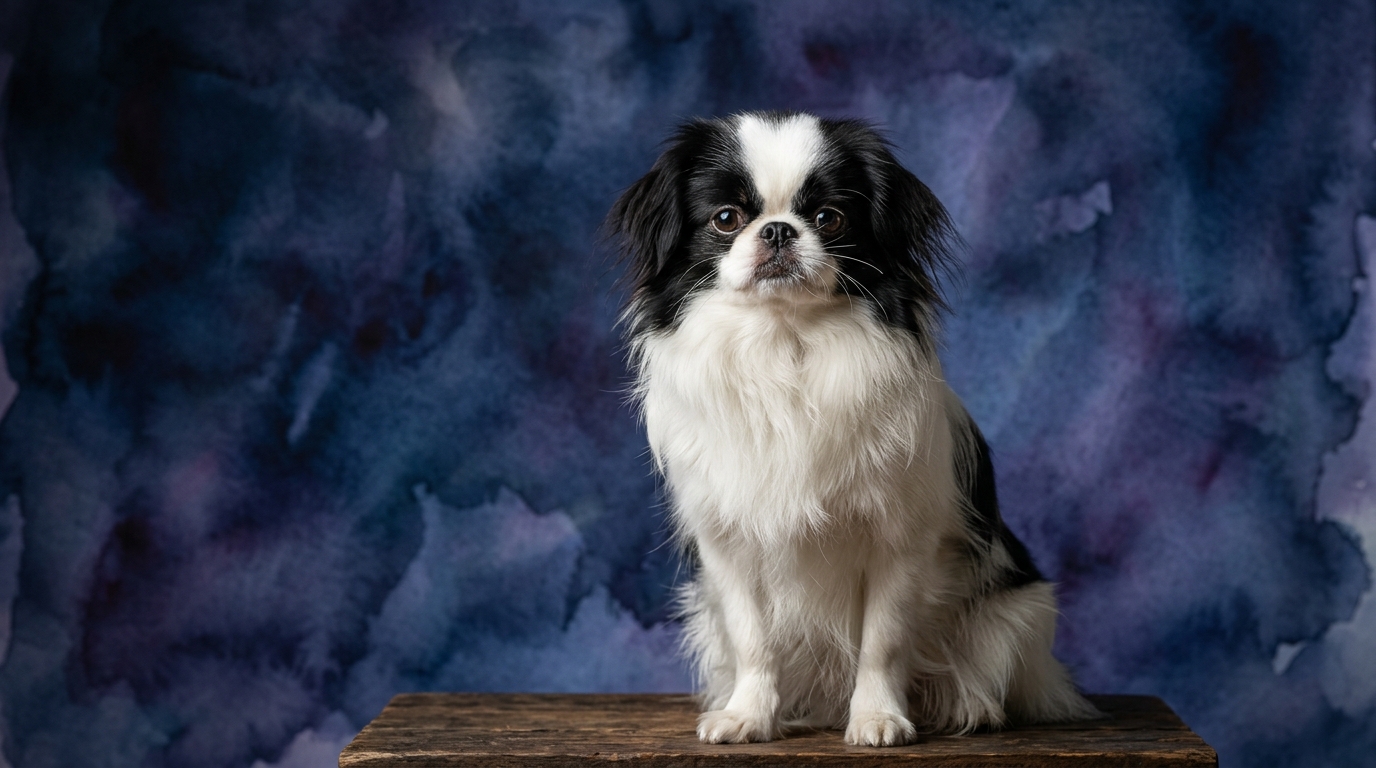
While both breeds land squarely in the middle of our cognitive spectrum with a 3/5 across the board, the nature of their problem-solving, training aptitude, social engagement, instinctive drives, and memory differs significantly. For the Japanese Chin, a toy breed bred for companionship, a 3/5 in Problem Solving often translates to a keen ability to navigate household dynamics, strategically position themselves for comfort, or subtly manipulate owners for attention or treats. Their Training Speed at 3/5 reflects a willingness to learn basic commands, often motivated by positive reinforcement and a desire to please their favored humans, though they can have a charmingly independent streak. Social Intelligence at 3/5 means they are highly attuned to human emotions and social cues, excelling at companionship and often providing quiet emotional support. Their Instinctive Drive, also 3/5, is typically moderate, focusing more on comfort and interaction than on traditional prey drive. Finally, a 3/5 in Memory enables them to recall routines, preferred people, and past pleasant or unpleasant experiences within their domestic sphere.
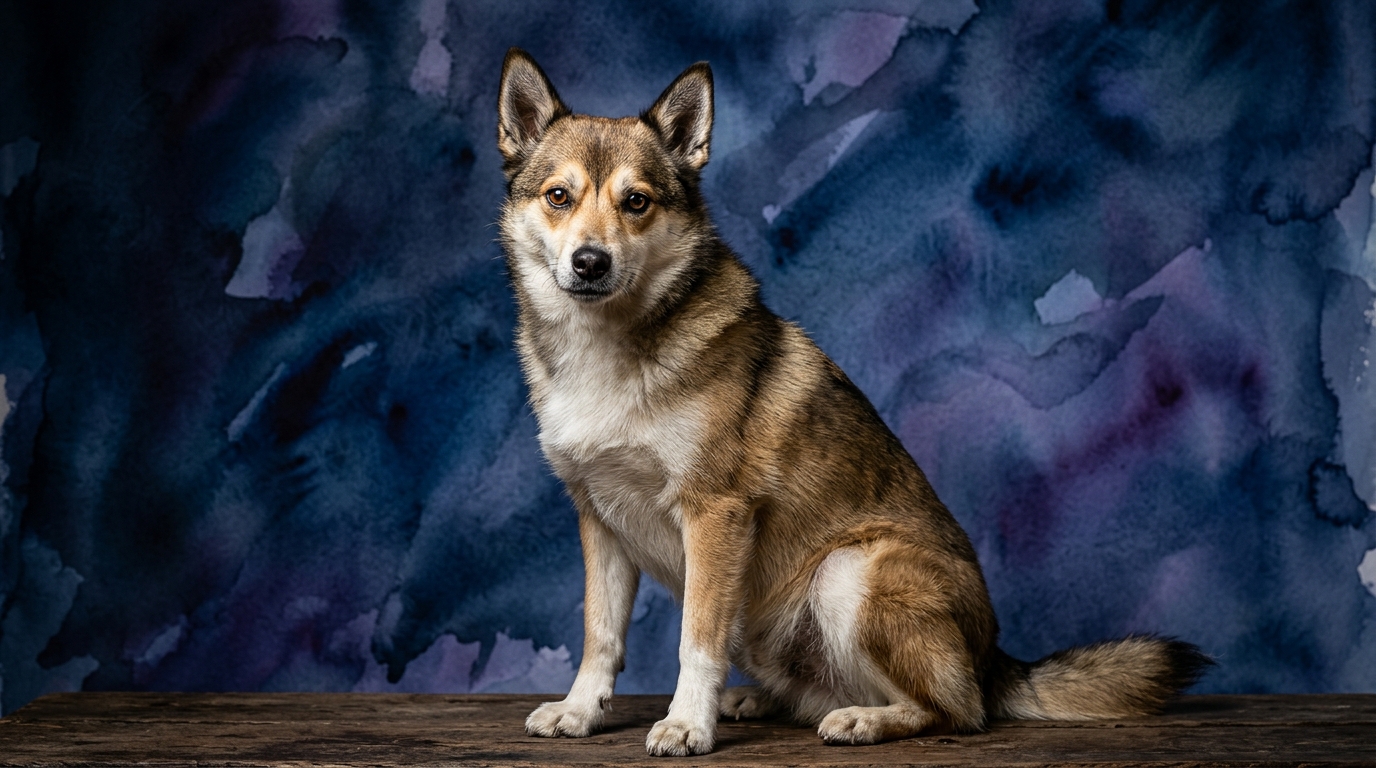
The Norwegian Lundehund, a non-sporting breed historically tasked with hunting puffins on treacherous cliffs, interprets these same 3/5 scores through a lens of rugged independence and environmental mastery. Their 3/5 Problem Solving manifests as exceptional spatial reasoning and an ability to navigate complex, challenging terrains, often figuring out how to overcome physical obstacles independently rather than seeking human guidance. A 3/5 in Training Speed indicates they are capable of learning, but their strong will and self-reliance mean they respond best to engaging, reward-based methods, often requiring more patience due to their inherent independence. Social Intelligence at 3/5 means they form deep bonds with their family, but are less overtly 'charming' or people-focused than the Chin, often preferring to observe or engage on their own terms. Crucially, their Instinctive Drive, while also 3/5, is powerful and specialized, encompassing strong urges to climb, dig, and hunt, reflecting their ancestral purpose. Their 3/5 Memory is robust for remembering routes, hiding places, and survival-related information, vital for their historical role.
Where the Japanese Chin Wins Cognitively
The Japanese Chin demonstrates particular cognitive strengths in areas revolving around human interaction and domestic harmony. Their 3/5 Social Intelligence, for instance, allows them to excel at reading subtle human cues, often anticipating a family member's mood or needs before they are explicitly expressed. This makes them remarkably empathetic companions, capable of offering comfort with a gentle nudge or a quiet presence. Their problem-solving, while not geared towards complex physical puzzles, is highly effective in a social context; they might quickly figure out the most effective way to solicit a lap cuddle or how to charmingly 'convince' a human to share a snack. This social acumen translates into a subtle, almost intuitive understanding of household dynamics, making them masters of living harmoniously within a family unit. They often 'win' in scenarios requiring delicate social navigation and emotional attunement, demonstrating a sophisticated understanding of their human companions' inner worlds.
Where the Norwegian Lundehund Wins Cognitively
The Norwegian Lundehund's cognitive triumphs lie in their extraordinary independence, environmental intelligence, and specialized physical problem-solving. Their 3/5 Problem Solving score is profoundly influenced by their history as a puffin hunter, requiring them to navigate precarious cliff faces and tight crevices. This bred a dog with exceptional spatial awareness and an innate ability to strategize routes and overcome physical barriers autonomously. They are adept at finding novel solutions to environmental challenges, whether it's figuring out how to scale a fence or outsmart a tricky toy. Furthermore, their 3/5 Instinctive Drive is a powerful cognitive asset in its specific application; it’s a drive for self-sufficiency and exploration, manifesting as a tireless curiosity and a compelling urge to investigate their surroundings. This breed 'wins' in situations demanding self-reliance, physical dexterity, and a strong, independent will to explore and conquer their environment, showcasing a type of intelligence geared towards survival and discovery rather than companionship.
Which is Easier to Train and Why
When it comes to ease of training in a typical pet home, the Japanese Chin generally presents fewer challenges due to their inherent desire for human companionship and social approval. Their 3/5 Training Speed is often bolstered by their 3/5 Social Intelligence; they genuinely enjoy interacting with their people and respond well to positive reinforcement, especially when it involves praise and gentle affection. While they are not automatons and possess their own charming will, their motivation to engage in training often stems from a desire to maintain harmony and receive attention from their beloved family members. Consistent, gentle methods yield good results, making them relatively straightforward for owners seeking a well-mannered companion.
The Norwegian Lundehund, conversely, can be more challenging to train for the average owner, not because of a lack of cognitive capacity (they also score 3/5 in Training Speed), but because of their profound independence and strong instinctive drives. Their historical role demanded self-direction and decision-making, not strict obedience to a handler. This means a Lundehund might understand a command but choose not to comply if they perceive a more pressing 'task' or simply don't see the immediate benefit. Training requires immense patience, creativity, and a deep understanding of their unique motivations. Owners must make training fun, engaging, and relevant to the Lundehund's natural instincts, often incorporating elements of scent work, climbing, or puzzle-solving to keep them interested. Their 3/5 training speed is often tempered by their strong will and inherent skepticism towards arbitrary commands, making them a less 'easy' but incredibly rewarding training partner for dedicated individuals.
Which Suits Active Owners vs. Relaxed Owners
The choice between these two breeds heavily depends on an owner's lifestyle and activity levels. The Japanese Chin is an ideal fit for relaxed owners who appreciate a calm, affectionate, and relatively low-maintenance companion. Their moderate 3/5 Instinctive Drive means they are content with short, leisurely walks and indoor play sessions, thriving on close physical proximity and social interaction. They are perfectly happy to spend much of their day curled up on a lap or observing household activities from a comfortable perch. Their cognitive needs are largely met through social engagement, gentle training, and the subtle dynamics of family life, making them excellent companions for those seeking a tranquil and devoted presence.
In stark contrast, the Norwegian Lundehund is best suited for active, experienced owners who are prepared to meet their significant physical and mental stimulation requirements. Their powerful 3/5 Instinctive Drive, coupled with their unique physical capabilities (flexible joints, extra toes for grip), demands outlets for exploration, climbing, digging, and problem-solving. These dogs thrive on activities like hiking, agility, scent work, or even urban exploration that allows them to engage their innate curiosity and problem-solving skills. A sedentary lifestyle will quickly lead to boredom and potentially destructive behaviors. Owners who enjoy outdoor adventures and are committed to providing consistent, challenging mental and physical exercise will find the Lundehund an unparalleled partner, whose cognitive strengths truly shine when given purpose.
The Verdict
Choose the Japanese Chin if you seek a devoted, socially intuitive companion who thrives on close interaction and a calm, harmonious domestic environment, offering subtle emotional support and charming companionship.
Choose the Norwegian Lundehund if you are an active, experienced owner who values a highly independent, self-reliant dog with a strong drive for exploration, physical challenges, and unique problem-solving, thriving in an engaging, adventurous lifestyle.
🧠 Find Your Pet's IQ Score
Our Pet IQ Lab assessment covers 25+ tests across 5 cognitive dimensions — personalized to your breed.
Take the Full IQ Test →Frequently Asked Questions
Are Japanese Chins good apartment dogs?
Yes, Japanese Chins are exceptionally well-suited for apartment living due to their moderate activity needs and strong preference for indoor comfort and human companionship. Their small size and quiet demeanor make them ideal for urban environments, provided they receive daily short walks and plenty of affectionate interaction.
Do Norwegian Lundehunds bark a lot?
Norwegian Lundehunds can be quite vocal, often using a range of sounds including barks, howls, and yodels, especially when bored, excited, or alerting their owners to perceived intruders. Their independent nature and historical role as watchdogs contribute to their tendency to communicate audibly, requiring consistent training to manage.
What kind of mental stimulation do these breeds need?
Japanese Chins benefit from social interaction, gentle puzzle toys, and learning new tricks that involve human engagement, leveraging their social intelligence. Norwegian Lundehunds require extensive mental stimulation through activities like scent work, complex puzzle toys, agility, or exploration that allows them to use their problem-solving skills and strong instinctive drives for climbing and digging.