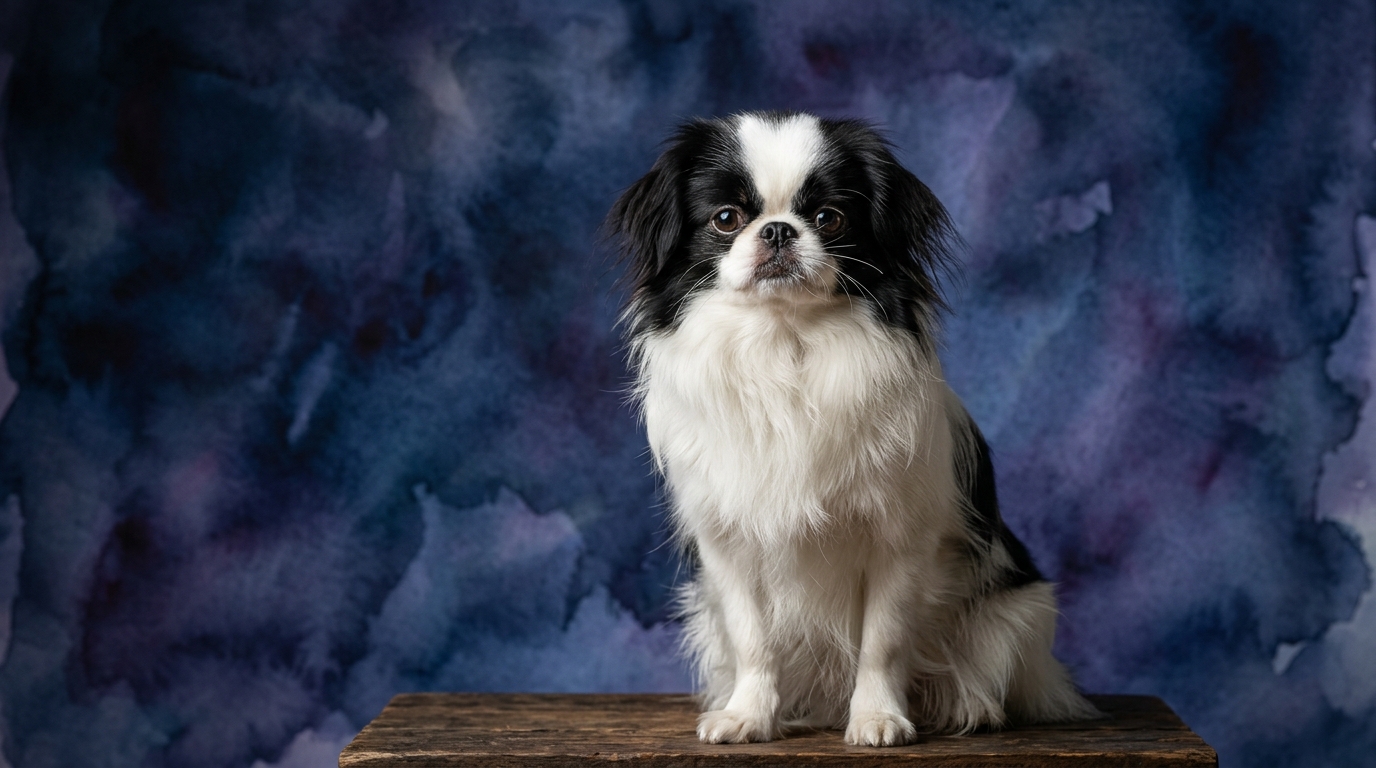
Side-by-Side IQ Profile: Japanese Chin
**Problem Solving (3/5)**: The Japanese Chin often applies its intellect to navigating social dynamics, figuring out how to garner maximum human attention or manipulate situations for comfort. This might manifest as subtly pawing at a hand for a pet, or strategically placing themselves in the most comfortable lap. Their solutions are frequently charming and people-centric, geared towards maintaining their pampered status and ensuring their needs are met within the household.
**Training Speed (3/5)**: Chins can learn commands at a moderate pace, particularly when the training involves positive reinforcement and rewards they value, such as praise or a favored treat. Their motivation often stems from pleasing their beloved human, making them responsive, but their independent streak means they might occasionally choose to ignore a command if they perceive no immediate benefit or if a more interesting distraction arises.
**Social Intelligence (3/5)**: This breed excels at reading human emotions and intentions, often mirroring their owner's mood with remarkable sensitivity. They possess a delicate awareness, making them highly attuned to subtle shifts in household atmosphere. Their social acumen allows them to integrate smoothly into family life, understanding unspoken cues and adapting their behavior to maintain harmony and affection.
**Instinctive Drive (3/5)**: While not driven by traditional hunting or herding instincts, the Chin’s instinctive drive is strongly rooted in companionship and comfort. They possess an inherent desire for closeness, often seeking out warm laps and soft bedding. Their 'toy' nature means their instincts are directed towards social bonding and ensuring their own well-being within a human household, rather than engaging in outdoor pursuits.
**Memory (3/5)**: Chins demonstrate a solid memory for routines, people, and preferred locations. They quickly learn the daily schedule, anticipating meal times, walks, or specific cuddle sessions. They also remember which individuals are most generous with affection or treats, making them adept at forming strong, lasting bonds based on positive past interactions and consistent patterns.
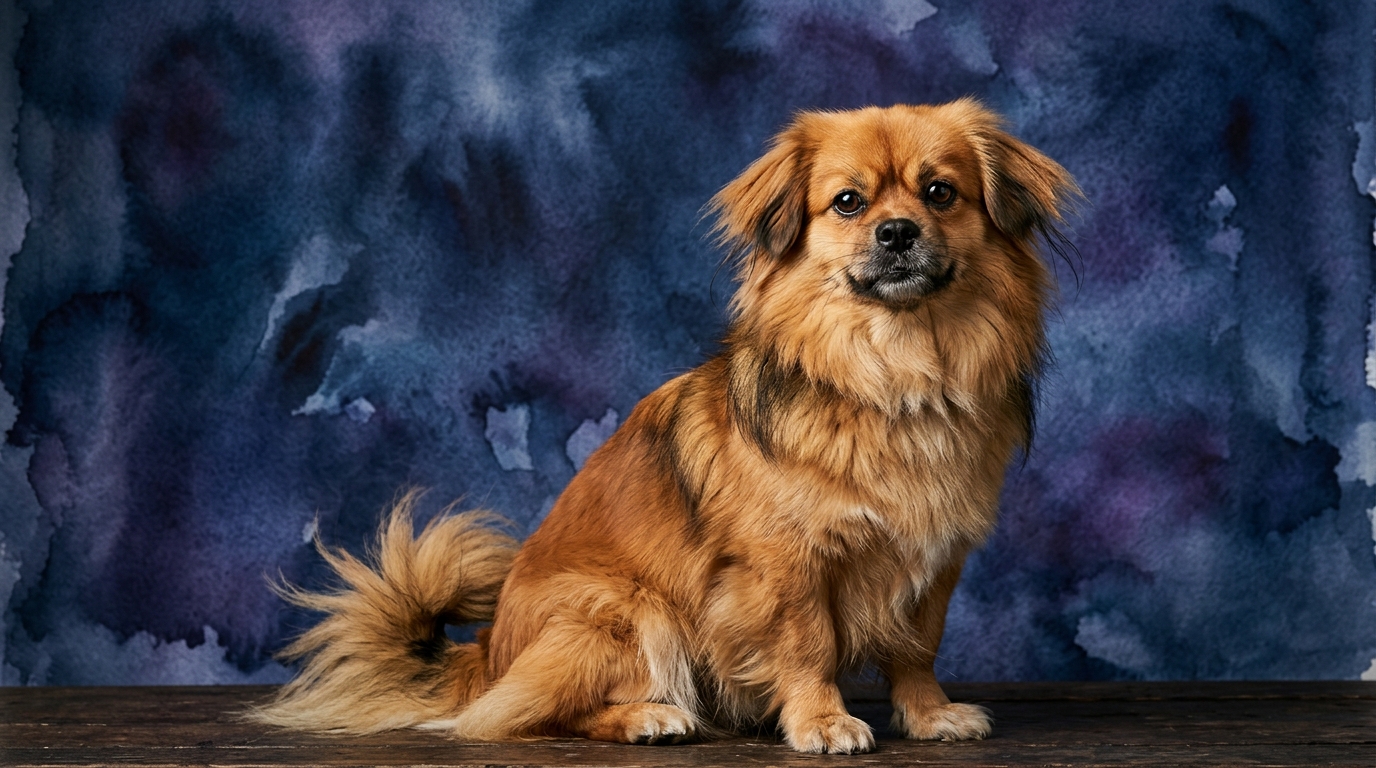
Side-by-Side IQ Profile: Tibetan Spaniel
**Problem Solving (3/5)**: The Tibetan Spaniel's problem-solving often relates to spatial awareness and environmental mastery, a remnant of their monastery guard dog heritage. They might strategically choose the highest vantage point in a room to observe, or cleverly navigate obstacles to reach a desired spot. Their solutions are often practical and independent, focused on their personal comfort, perceived duty, or understanding their surroundings.
**Training Speed (3/5)**: Tibetan Spaniels learn at a moderate pace, but their independent and sometimes stubborn nature can pose a challenge. They tend to respond best to patient, consistent training methods that make them feel like they are making their own choices. Repetitive drills can bore them, so engaging, varied sessions with high-value rewards are key to harnessing their attention and improving their learning curve.
**Social Intelligence (3/5)**: Tibbies are observant and discerning, capable of understanding social cues but often expressing their understanding with a reserved dignity rather than overt enthusiasm. They form deep bonds with their family but can be wary of strangers, assessing new individuals carefully before offering trust. Their social intelligence is more about watchful engagement and discernment than active participation in human drama.
**Instinctive Drive (3/5)**: The Tibetan Spaniel retains strong instincts for vigilance and observation. They are natural 'watchdogs,' preferring elevated positions to survey their surroundings and alert their family to anything unusual with their distinct bark. This innate drive is less about aggression and more about their historical role as companions and sentinels, making them alert and aware of their environment.
**Memory (3/5)**: Tibbies possess a good memory for their territory, the layout of their home, and the routines of their family. They remember specific places where interesting things happen or where they've had positive experiences. Their memory also contributes to their watchfulness, as they recall who belongs and who might be an unfamiliar presence, reinforcing their guardian instincts and territorial awareness.
Where Japanese Chin Wins Cognitively
The Japanese Chin demonstrates a subtle edge in social manipulation and adapting to human-centric comforts. Their cognitive strengths are particularly evident in their ability to 'work' a room, charming different family members for attention, treats, or lap time. A Chin might quickly learn which family member is most susceptible to a soulful gaze or a gentle paw, and employ this understanding with remarkable consistency. This nuanced social problem-solving, focused on securing affection and comfort, is a distinct cognitive win for the breed, allowing them to thrive in complex human social structures by subtly influencing their environment. They are adept at understanding and leveraging human emotional responses, making them masters of the affectionate interaction and getting their needs met through charm.
Where Tibetan Spaniel Wins Cognitively
The Tibetan Spaniel's cognitive strengths shine brightest in their environmental awareness and independent decision-making, particularly concerning their role as a vigilant sentinel. A Tibbie will meticulously map their home and yard, understanding optimal vantage points and potential blind spots. They excel at identifying novel stimuli and assessing potential threats, often before their human companions are aware. This manifests as a superior ability to alert to approaching visitors or unusual sounds, not out of aggression, but out of an ingrained, intelligent observation of their surroundings. Their problem-solving in this realm involves strategic positioning and a keen sense of discernment, allowing them to act as effective, self-reliant guardians within their domain, always attuned to their environment.
Which is Easier to Train and Why
Both breeds share a 3/5 Training Speed rating, but their behavioral differences significantly impact the training experience. The Japanese Chin, motivated by a strong desire to please and a love for human attention, often proves easier to train for basic obedience and charming tricks. Their social intelligence makes them keen observers of human cues, and they typically respond well to positive reinforcement delivered with warmth and enthusiasm. They enjoy the interactive aspect of training, seeing it as another form of bonding. The Tibetan Spaniel, conversely, while capable of learning, can be more challenging due to their independent and sometimes stubborn nature. Their historical role required them to make decisions autonomously, which can translate into a 'what's in it for me?' attitude during training. They require more patience, consistency, and a training approach that makes them feel like collaborators rather than subordinates. While they remember commands well, their willingness to execute them on demand can vary based on their current mood or perceived importance of the task. Therefore, for an owner seeking a more readily compliant and attention-driven training partner, the Japanese Chin generally presents an easier path to consistent obedience.
Which Suits Active Owners vs. Relaxed Owners
For truly active owners who enjoy extensive outdoor adventures, neither breed is an ideal match, as both are small and thrive indoors. However, within the spectrum of less strenuous activity, the Tibetan Spaniel leans slightly towards owners who appreciate a more engaged, watchful companion. They enjoy moderate walks, exploring their territory, and having a purpose, even if that purpose is simply surveying the garden from a high perch. Their independent spirit means they can entertain themselves for periods but still require mental stimulation and engagement. The Japanese Chin, on the other hand, is a quintessential companion for relaxed owners. Their primary joy is being with their people, whether lounging on a lap, following them from room to room, or engaging in short, playful bursts. They are content with minimal outdoor exercise, prioritizing comfort and close human interaction. Owners who prefer a calm, affectionate, and less demanding canine presence will find the Chin a perfect fit for a more sedentary or indoor-focused lifestyle, where their charm can truly flourish.
The Verdict
When seeking a charming, socially adept companion who thrives on close interaction and subtle communication, the Japanese Chin is an excellent choice.
If you appreciate an independent, watchful, and discerning companion with a quiet dignity and a keen awareness of their surroundings, the Tibetan Spaniel will be a more rewarding fit.
🧠 Find Your Pet's IQ Score
Our Pet IQ Lab assessment covers 25+ tests across 5 cognitive dimensions — personalized to your breed.
Take the Full IQ Test →Frequently Asked Questions
Are Japanese Chins good with other pets?
Japanese Chins generally adapt well to living with other pets, especially if introduced thoughtfully. Their social intelligence allows them to navigate multi-pet households, often forming bonds with canine or feline companions, though they prefer to be the center of their human's attention.
Do Tibetan Spaniels bark a lot?
Tibetan Spaniels are known for their vigilant nature and will bark to alert their owners to anything they perceive as unusual or approaching. While they aren't incessant barkers, their historical role as watchdogs means they will use their voice to communicate their observations, requiring consistent training to manage if excessive.
What kind of mental stimulation do these breeds need?
Both breeds benefit from mental stimulation that aligns with their inherent traits. Japanese Chins enjoy puzzle toys that involve human interaction or simple tricks, while Tibetan Spaniels appreciate toys that allow them to 'hunt' or observe, like window perches or finding hidden treats, engaging their natural curiosity and watchfulness.