Side-by-Side Cognitive Profiles: Keeshond vs. Tibetan Spaniel
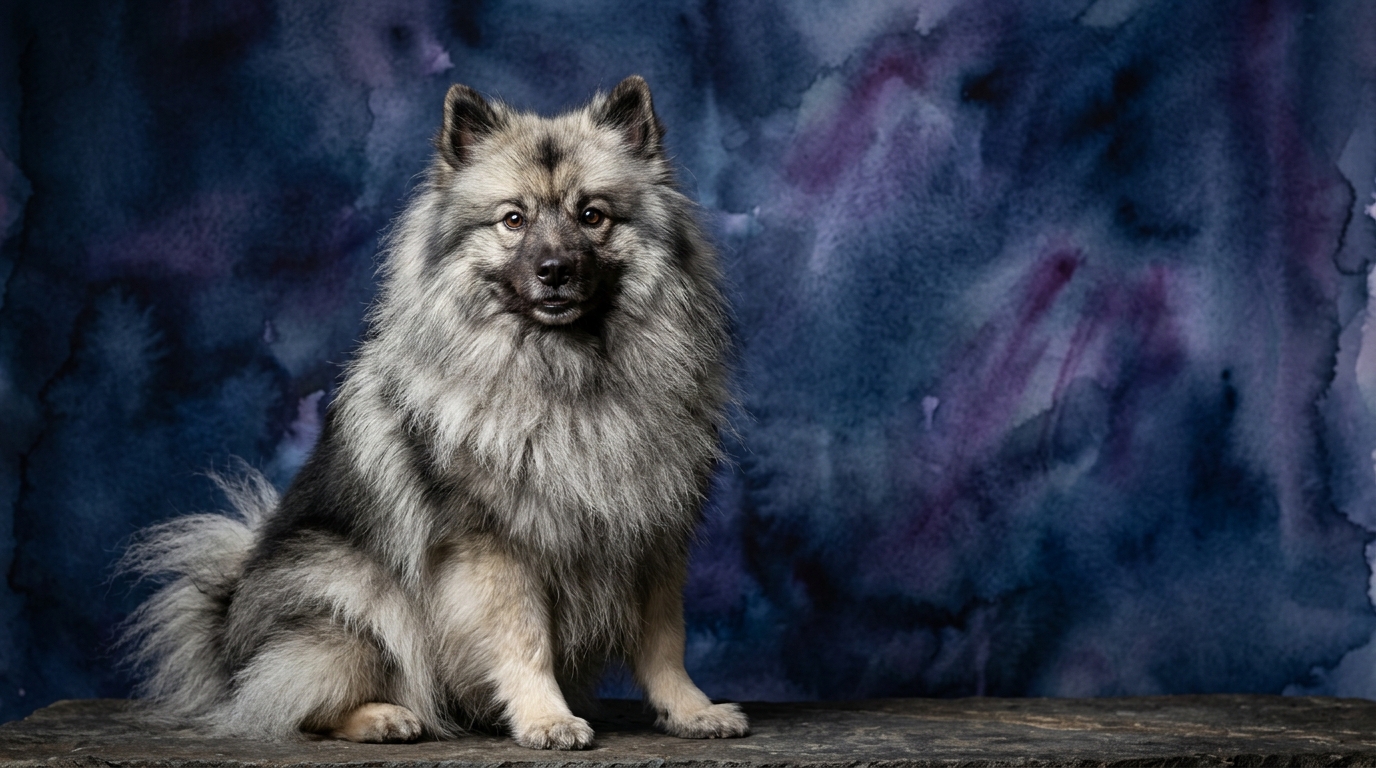
At The Cosmic Pet Pet IQ Lab, we analyze canine intelligence across five key dimensions, providing a granular view of each breed's cognitive strengths. The Keeshond, a spirited member of the Non-Sporting Group, boasts a notable Coren rank of #16, placing it among breeds with a strong capacity for learning and obedience. Its IQ profile reflects this, scoring 4/5 in Problem Solving, indicating an aptitude for figuring out novel situations and puzzles, and an impressive 5/5 in Memory, suggesting exceptional recall and retention of learned information. Training Speed for the Keeshond is rated at 4/5, aligning with its quick grasp of commands, while Social Intelligence and Instinctive Drive both register at 3/5, pointing to a balanced but not overly intense need for interaction or innate behavioral patterns.
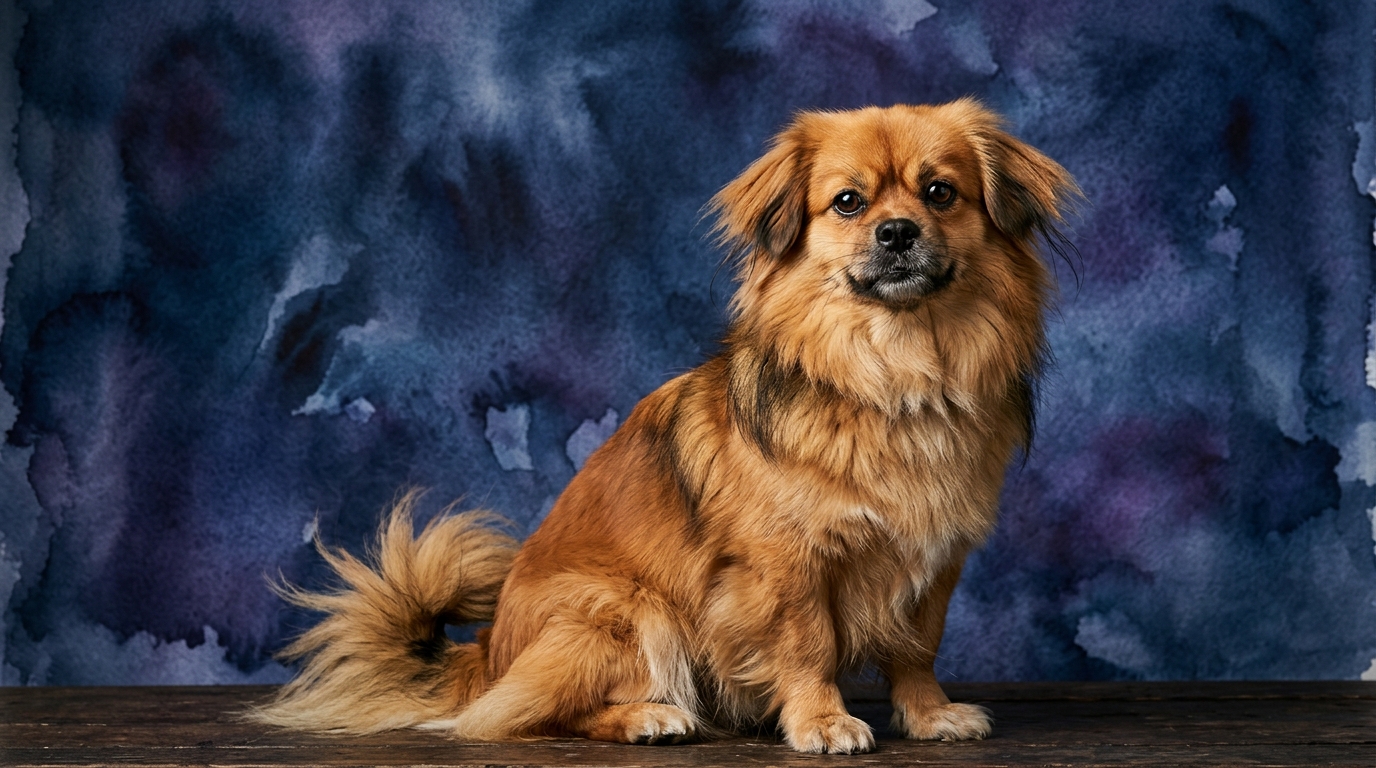
In contrast, the Tibetan Spaniel, another cherished Non-Sporting breed, presents a distinct, balanced cognitive blueprint, though it does not hold a specific Coren ranking. Its scores are consistently set at 3/5 across all five dimensions: Problem Solving, Training Speed, Social Intelligence, Instinctive Drive, and Memory. This uniform scoring suggests a steady, reliable cognitive function that is well-suited to its historical role as a companion and watchdog, rather than a breed driven by complex tasks or highly specialized roles. While its individual scores may not reach the peaks of the Keeshond, the Tibetan Spaniel's cognitive profile emphasizes functional competence and an agreeable nature within a domestic environment.
Where the Keeshond Demonstrates Cognitive Superiority
The Keeshond truly shines in areas demanding higher cognitive processing, particularly in problem-solving and memory. With a Problem Solving score of 4/5, Keeshonden exhibit a pronounced ability to analyze situations and devise solutions, far exceeding the Tibetan Spaniel's 3/5. This manifests in their knack for navigating complex environments, mastering intricate puzzle toys, or even figuring out how to open child-proofed cabinets. Their analytical minds make them adept at tasks requiring sequential steps or adapting to new rules, often surprising owners with their cleverness.
Perhaps the Keeshond's most striking cognitive advantage lies in its Memory, earning a perfect 5/5 compared to the Tibetan Spaniel's 3/5. This exceptional recall means Keeshonden can retain a vast repertoire of commands, remember specific routines, and even recall people or places encountered long ago with remarkable clarity. This superior memory not only aids in rapid learning but also contributes to their consistency in performing learned behaviors, making them dependable partners in activities ranging from advanced obedience to agility courses where remembering sequences is crucial. Owners often report their Keeshond remembering specific toys, walking routes, or even the precise location of treats hidden days prior.
Distinct Cognitive Strengths of the Tibetan Spaniel
While the Tibetan Spaniel's individual scores may not numerically surpass the Keeshond's, its cognitive profile possesses distinct strengths that contribute to its unique appeal. The consistent 3/5 across Problem Solving, Training Speed, Social Intelligence, Instinctive Drive, and Memory indicates a well-balanced and highly adaptable mind, perfectly suited for its primary role as a discerning companion. Its Problem Solving score of 3/5, though lower than the Keeshond, is entirely sufficient for navigating the nuances of a home environment, figuring out comfortable napping spots, or subtly communicating its needs to its human companions without resorting to overly complex strategies.
The Tibetan Spaniel's uniform 3/5 in Social Intelligence and Instinctive Drive, matching the Keeshond's, highlights its capacity for forming strong bonds and possessing a functional level of self-preservation instincts without being overly demanding or driven by a singular purpose. Its independence, often described as 'cat-like,' is a cognitive trait reflecting a self-reliant approach to its environment. This means while it might not be as eager to please through complex tasks, it demonstrates a quiet resourcefulness, often solving its own minor dilemmas (like finding a dropped toy) through persistent, independent effort rather than waiting for human intervention. This self-sufficiency can be a significant advantage for owners seeking a companion that is content and confident in its own space, requiring less constant mental direction.
Training Aptitude: Which Breed Learns Faster?
When it comes to formal training, the Keeshond generally offers a smoother and faster learning curve due to its superior cognitive attributes. With a Training Speed of 4/5 and an exceptional Memory of 5/5, Keeshonden are quick to pick up new commands and retain them with minimal repetition. Their higher Problem Solving score (4/5) means they are more likely to understand the 'why' behind an action, making them responsive to methods that encourage active thought rather than rote memorization. They often enjoy the mental challenge of learning new tricks or complex obedience routines, turning training sessions into engaging cooperative endeavors.
The Tibetan Spaniel, with a Training Speed of 3/5 and Memory of 3/5, requires a different approach. While certainly capable of learning, they may need more consistent repetition and patience. Their independent nature, often manifesting as selective hearing or a preference for self-directed activities, can make them less overtly eager to please than a Keeshond. Training a Tibetan Spaniel often benefits from positive reinforcement, short, engaging sessions, and a deep understanding of their sometimes stubborn streak. Owners should prepare for a rewarding but potentially slower journey, focusing on building a strong bond and making training feel like a fun collaboration rather than a command-and-response exercise.
Matching Cognitive Profiles to Lifestyles: Active vs. Relaxed Owners
For owners seeking an intellectually engaged canine partner who thrives on mental challenges and complex interactions, the Keeshond is an excellent match. Its high Problem Solving (4/5) and exceptional Memory (5/5) mean it benefits immensely from activities like advanced obedience, agility, trick training, or even canine puzzles that require sustained thought. These dogs enjoy having a 'job' to do, even if it's just learning a new sequence of commands, and an active owner who provides consistent mental stimulation will find a deeply rewarding partnership. Their 3/5 Social Intelligence ensures they are affectionate and involved without being overly clingy, perfectly balancing independence with companionship.
The Tibetan Spaniel, with its balanced 3/5 scores across the board, is ideally suited for owners who appreciate a more relaxed yet attentive companion. While they still enjoy interaction and walks, their cognitive profile suggests they are less likely to become restless or destructive if not constantly challenged with complex mental tasks. Their independence and balanced drive mean they are content with a consistent routine and a warm lap, making them perfect for individuals or families seeking a devoted, self-sufficient presence. They offer affection and companionship without demanding intense intellectual engagement, providing a steady and calm influence in the home.
The Verdict
Choose the Keeshond if you are an owner eager to engage in advanced training, dog sports, and provide consistent mental stimulation for a highly intelligent and adaptable companion. Its exceptional memory and problem-solving skills make it a joy for those who appreciate a dog that actively thinks and learns.
Opt for the Tibetan Spaniel if you desire a balanced, independent, and affectionate companion who thrives on a steady routine and less demanding mental tasks. Its consistent cognitive profile makes it a wonderfully adaptable and self-sufficient presence for relaxed households.
🧠 Find Your Pet's IQ Score
Our Pet IQ Lab assessment covers 25+ tests across 5 cognitive dimensions — personalized to your breed.
Take the Full IQ Test →Frequently Asked Questions
How does the Coren ranking affect the Keeshond's daily life?
The Keeshond's Coren rank of #16 signifies its strong capacity for understanding and obeying commands, making it generally more responsive to training and eager to engage in structured activities. This translates to a dog that often picks up routines quickly and performs tasks reliably once learned, requiring consistent mental engagement to prevent boredom.
Does the Tibetan Spaniel's lower memory score impact its ability to live in a family home?
Absolutely not; a memory score of 3/5 is perfectly adequate for navigating a family home and bonding with its people. While it might require slightly more repetition during training compared to a breed with a 5/5 memory, it will still remember its family members, routines, and house rules effectively, forming strong and lasting attachments.
Are Keeshonden more prone to destructive behavior if not mentally stimulated?
Given their higher problem-solving and memory scores, Keeshonden do indeed have a greater capacity for boredom if their minds aren't adequately challenged. This can manifest as creative problem-solving directed towards undesirable behaviors, such as figuring out how to open doors or accessing forbidden items, underscoring the importance of consistent mental enrichment.