Side-by-Side Cognitive Profile: Identical Scores, Unique Expressions
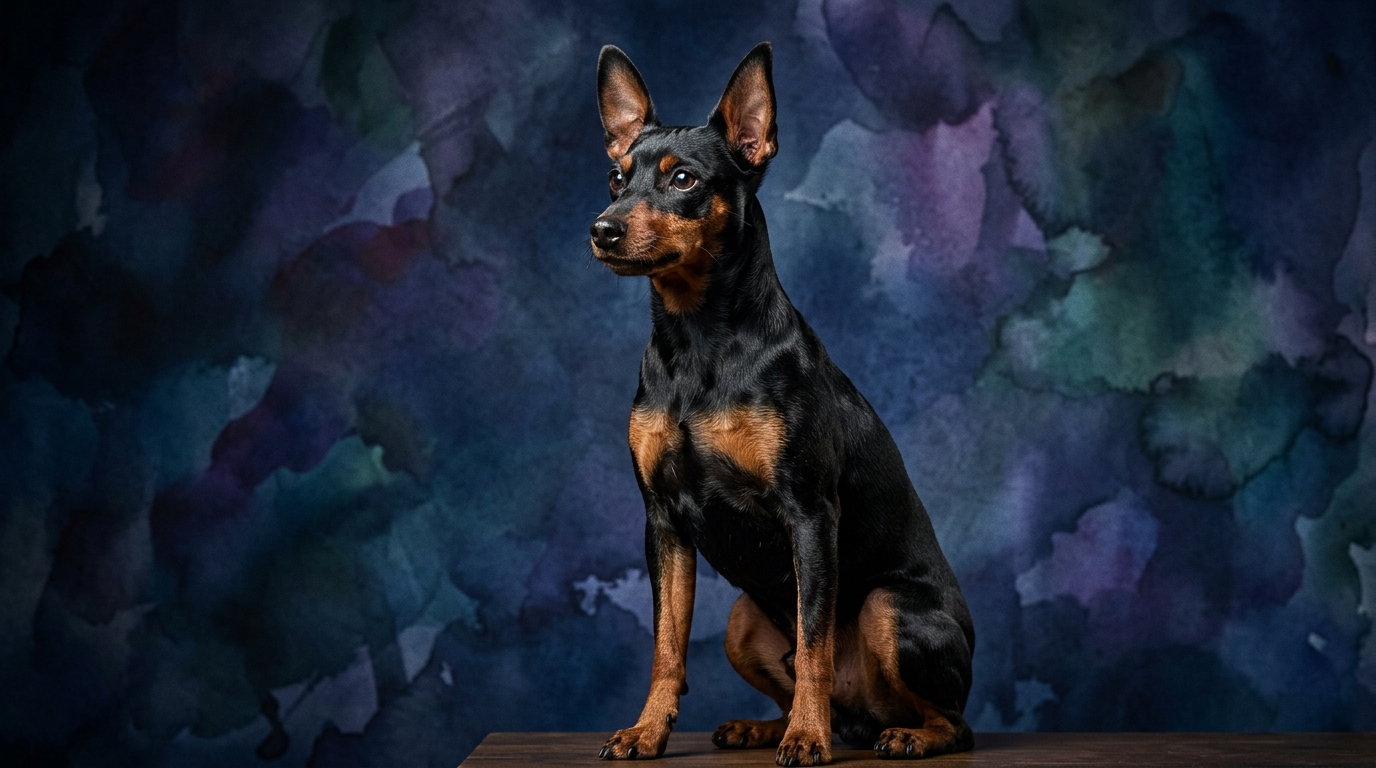
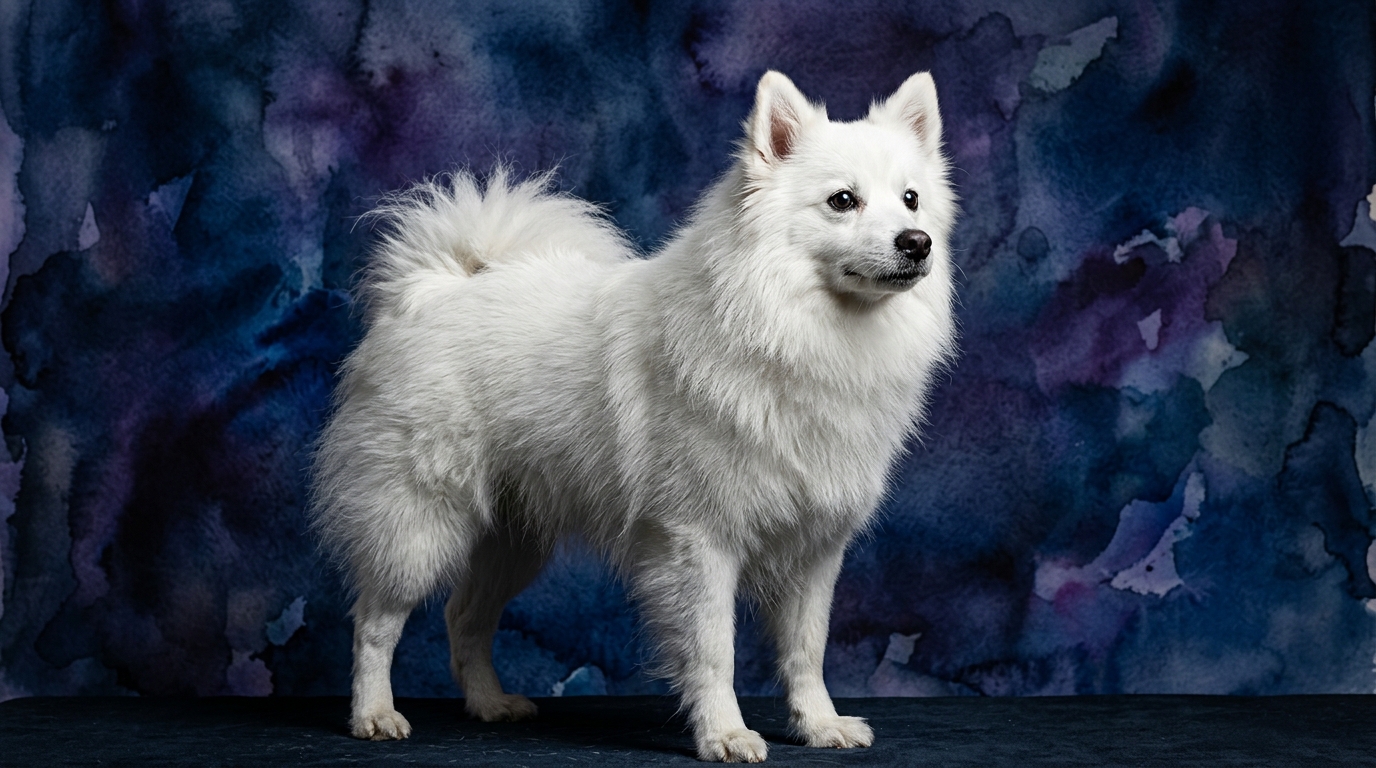
At first glance, the Miniature Pinscher and the American Eskimo Dog appear to share identical cognitive profiles, each scoring 3/5 across our five key dimensions. However, a deeper dive reveals how these scores manifest uniquely through their breed-specific temperaments and motivations.
For the Miniature Pinscher, their 3/5 Problem Solving often applies to navigating their environment with a bold, independent spirit. A Min Pin might meticulously figure out how to access a forbidden treat on a counter or devise a strategy to slip past a gate, driven by strong will and curiosity. Their solutions are frequently self-serving, demonstrating cleverness focused on immediate desires rather than collaborative tasks. Their 3/5 Training Speed means they can learn commands at a moderate pace, but their independent nature often requires consistent, engaging methods to maintain focus; they process new information readily but might choose to 'opt-out' if a task is uninteresting. A Min Pin's 3/5 Social Intelligence shines in its ability to quickly gauge dynamics within its immediate human family, forming deep, protective bonds and reading their preferred person's moods well, though they may take longer to accept new people. Their 3/5 Instinctive Drive is robust, rooted in their vermin-hunting heritage, translating into a keen interest in small, fast-moving objects, territoriality, and a watchful demeanor. Lastly, their 3/5 Memory means Min Pins possess a solid recall for routines, learned commands, and past experiences, particularly those associated with positive or negative outcomes, aiding their independent problem-solving.
The American Eskimo Dog also scores 3/5 in Problem Solving, but they typically apply these skills in more cooperative or attention-seeking ways. An Eskie might figure out how to open a cupboard to retrieve a toy or 'ask' for a favorite activity using a sequence of learned behaviors that get results. Their problem-solving is often motivated by a desire to engage with their human companions or to solve puzzles presented to them. Their 3/5 Training Speed means Eskies generally respond well to training, showing a moderate pace in acquiring new commands, largely due to their eagerness to please and cooperative nature; they are attentive learners, though they can sometimes be distracted by their surroundings or their own vocalizations. An Eskie exhibits strong 3/5 Social Intelligence within its family unit, forming deep, loyal attachments and being highly attuned to human emotions and intentions, watchful of their surroundings and quick to alert their family. Their 3/5 Instinctive Drive is evident in their watchdog tendencies, their desire to 'herd' or gather their family members, and their vocal nature, with a natural inclination to observe and protect their home environment. Finally, Eskies have a good 3/5 Memory, retaining a wide array of commands, routines, and social cues from their family, remembering past interactions and applying this knowledge to future situations.
Where the Miniature Pinscher Wins Cognitively
The Miniature Pinscher often demonstrates a unique cognitive edge in self-directed initiative and independent resourcefulness. While an Eskie might wait for a cue or a puzzle, a Min Pin is more inclined to proactively assess a situation and devise its own solution without human prompting, particularly when it comes to satisfying its own curiosity or securing a desired object. Their boldness and fearless exploration translate into a specific kind of problem-solving where they are the primary agents, often thinking 'outside the box' to achieve their goals, even if those goals involve a bit of playful mischief. This translates into a specific adaptability in navigating novel environments on their own terms.
Where the American Eskimo Dog Wins Cognitively
The American Eskimo Dog frequently excels in cognitive areas related to cooperative engagement and attentive responsiveness. Their desire to work alongside their human companions means they often outperform in tasks requiring sustained focus on human instruction or collaborative problem-solving games. An Eskie's ability to pick up on subtle human cues and their willingness to participate in structured learning exercises gives them an edge in scenarios where human-canine teamwork is paramount. This breed's specific strength lies in their receptive nature and their capacity for nuanced communication within a partnership.
Training Dynamics: Independence vs. Cooperation
When considering ease of training, the American Eskimo Dog generally presents a more straightforward path for the average owner. Their inherent eagerness to please and their cooperative spirit mean they are often more receptive to cues and find satisfaction in performing tasks correctly for their human companions. While both breeds score 3/5 in training speed, the Eskie's motivation often aligns more closely with human goals, making them generally more tractable. Their vocal nature can be a training challenge, requiring consistent redirection, but their willingness to engage helps overcome this.
The Miniature Pinscher, conversely, possesses an equally capable mind but frequently couples it with a strong independent streak and a 'what's in it for me?' attitude. Training a Min Pin demands more creativity, consistency, and a profound understanding of their motivations, as they are less inclined to simply obey without a compelling reason or a perceived benefit to themselves. Their independent problem-solving can sometimes make them appear stubborn if not properly engaged, whereas the Eskie's inherent desire for interaction often smooths the training process. Min Pins often require owners to prove why a command is worth their effort, rather than simply accepting it.
Lifestyle Match: Activity Levels and Engagement
Both breeds require mental and physical engagement, but their expression of 'activity' differs. The Miniature Pinscher, with its independent curiosity and energetic bursts, thrives with owners who can provide consistent mental stimulation and structured play that taps into their investigative nature. They suit active owners who enjoy engaging in varied activities, perhaps even some agility or scent work, and who appreciate a dog with a self-assured personality that needs a confident leader. They can be good for active owners who enjoy exploring new places and are prepared to manage a dog with a strong prey drive and a vigilant temperament, providing outlets for their innate drives.
The American Eskimo Dog, while also energetic and requiring regular exercise, often prefers activities that involve close interaction with their family. They are well-suited for active owners who enjoy engaging their dog in interactive games, obedience training, or companion sports. Their desire to be involved and their vocal nature mean they prefer owners who are present and communicative, rather than those who might leave them to entertain themselves for long periods. While they can adapt to a more relaxed home, they still need daily opportunities for mental and physical engagement that strengthens their bond with their people. For truly relaxed owners, neither breed is a couch potato, but the Eskie's cooperative nature might be slightly more forgiving in structured, interactive play rather than independent exploration.
The Verdict
Opt for a Miniature Pinscher if you admire a bold, independent canine companion with a strong will and a clever, self-directed approach to life, and you are prepared to engage their active mind with consistent, creative training.
Select an American Eskimo Dog if you seek a loyal, cooperative, and communicative family member who thrives on interactive engagement and enjoys being a vocal participant in your daily routines.
🧠 Find Your Pet's IQ Score
Our Pet IQ Lab assessment covers 25+ tests across 5 cognitive dimensions — personalized to your breed.
Take the Full IQ Test →Frequently Asked Questions
Do Miniature Pinschers and American Eskimo Dogs have similar learning capabilities despite their different personalities?
Yes, both breeds exhibit a moderate capacity for learning new commands and understanding routines, scoring 3/5 in Training Speed. The primary difference lies in their motivation and approach to applying that learning, with Min Pins often being more self-directed and Eskies more cooperative.
How does their 'Instinctive Drive' manifest similarly with a 3/5 score for both?
For the Miniature Pinscher, a 3/5 instinctive drive often appears as a keen prey drive for small critters and strong territorial vigilance. For the American Eskimo Dog, it manifests as a watchful, vocal guardian instinct and a desire to 'herd' or keep their family close, both requiring appropriate outlets.
Can Miniature Pinschers and American Eskimo Dogs adapt well to apartment living?
Both breeds can adapt to apartment living if their significant needs for mental stimulation and daily physical exercise are consistently met. Min Pins require outlets for their investigative nature, while Eskies thrive on interactive play and training sessions with their owners to prevent boredom and excessive vocalization.